
In our fast-paced world, navigating stress and maintaining mental well-being can feel like an uphill battle. But what if the most powerful tool for healing and restoration was already within you? This article explores how cultivating self-compassion and mindfulness can fundamentally transform your relationship with stress, calm your nervous system, and build profound resilience that lasts.
Research consistently highlights the immense benefits of these practices, from reducing anxiety to improving emotional regulation. Let’s explore how you can integrate these gentle yet powerful approaches into your daily life for a more peaceful and empowered you.
Self-Compassion: Your Inner Ally for a Nervous System Reset 💪
When stress takes hold, our nervous system can get stuck in a state of high alert, making us feel perpetually on edge. Yet, an often-overlooked antidote is self-compassion. It’s not about self-pity, but rather treating yourself with the same kindness and understanding you’d offer a dear friend.
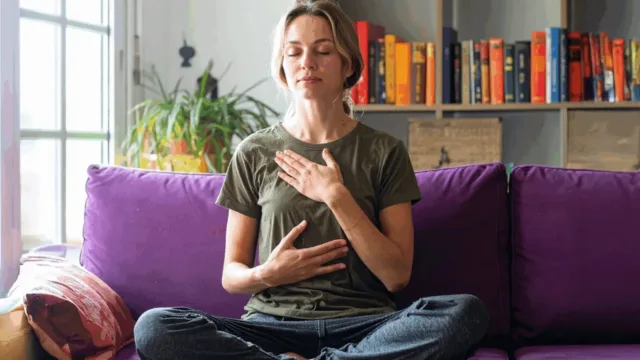
Mindfulness teacher Shamash Alidina suggests a gentle approach to pause and shift from ‘doing mode’ to ‘being mode.’ Start by finding a posture that feels like a ‘hug for your body,’ making yourself even just a tiny bit more comfortable. This simple act signals safety to your nervous system.
As you take a deep breath, imagine letting go of your to-do list, if only for a moment. This deliberate pause helps create space for self-kindness. When you then bring awareness to your body, try to greet any sensations of stress or tightness with curiosity rather than judgment. Instead of criticizing yourself for feeling stressed, acknowledge it with a gentle, “Oh, that’s interesting. Stress is visiting me right now. That’s okay.”
A physical gesture of warmth, like placing a hand over your heart or cradling one hand in the other, isn’t just symbolic. It can actually release oxytocin, the body’s natural soothing chemical, directly signaling to your nervous system that it’s safe to rest and soften.
The Three Pillars of Self-Compassion in Action ✨
Cultivating self-compassion involves three interconnected steps, as outlined by experts:
- Mindfulness: Acknowledge your struggle without minimizing it. Silently say to yourself, “This is a moment of suffering” or “This is really tough right now.” This validates your experience.
- Common Humanity: Remind yourself that you are not alone. This feeling of buzzing or heaviness is part of being human. Thousands of people worldwide feel similarly right now, connecting you to a shared human experience.
- Self-Kindness: Offer yourself warmth and understanding. This is where you actively soothe yourself, perhaps with gentle words or a comforting touch, extending the same care you would to a loved one facing difficulty.
This holistic approach helps us navigate challenging emotions not by suppressing them, but by embracing them with a tender, understanding heart.
Mindfulness: Building Your Emotional Resilience Muscle 🧠
Beyond self-compassion, mindfulness serves as a foundational practice for mental health. It’s the ability to be present, aware of your thoughts, feelings, and bodily sensations without judgment. Think of it as exercising a mental muscle that grows stronger with consistent use.
“Studies comparing adults who listened to either a guided meditation or a podcast daily for 13 minutes found that meditators reaped more benefits, including less anxiety, fewer negative mood states, and improved attention and memory skills, but these gains didn’t show up until after eight weeks of steady practice.”
This research highlights an important truth: like physical exercise, building mental resilience through mindfulness takes time, patience, and repetition. The benefits, however, are profound. Practicing mindfulness helps you develop better emotional regulation, making you more adept at responding to life’s challenges rather than reacting impulsively.
Moreover, researchers have found that individuals with higher mindfulness scores experience less body shame, are more attuned to their bodies, and report better overall health. For women navigating menopause, higher mindfulness has been linked to less stress and fewer symptoms like mood swings, hot flashes, and insomnia.
Embracing Imperfection: The Art of ‘Failing with Presence’ 💧
Life inevitably brings mistakes and setbacks. How we respond to these moments profoundly impacts our well-being. Author Katherine Ellison shares a powerful lesson from her early journalism career: the importance of ‘failing with presence’ and embracing gentle accountability.
Ellison recounts a period of making errors, often blaming others, until a significant mistake forced her to confront her patterns. Her editor’s blunt advice – “You’re sabotaging yourself” – led her to seek professional help. Her psychiatrist’s mantra, “Mistrust your sense of urgency,” became a guiding principle.
This concept encourages us to pause, sit with our uncomfortable feelings, and resist the urge to immediately run from them through distraction or blame. It’s about slowing down to truly understand what went wrong, taking responsibility, and then moving forward with a commitment to growth, rather than getting stuck in shame.
Combining this with self-compassion means acknowledging the pain of making a mistake, reminding yourself that imperfection is part of being human, and then kindly asking, “What can I learn from this?” instead of spiraling into self-criticism. This approach transforms errors into valuable lessons, fostering genuine self-improvement.
Practical Tips for Daily Wellness 🌞
Integrating mindfulness and self-compassion doesn’t require hours of dedicated practice. Small, consistent efforts can yield significant results. Here are actionable ways to bring these practices into your everyday life:
- Start with a “Body Hug”: Before you begin your day or when feeling overwhelmed, find a comfortable position. Place a hand over your heart or abdomen, feel the warmth, and gently soften your body.
- Breathe with Intention: Take a few deep, slow breaths. On the exhale, consciously release any tension or the mental weight of your to-do list. Imagine it gently dropping away for a moment.
- Meet Stress with Curiosity: The next time you feel stressed, instead of judging it, pause and say, “Oh, hello stress, I see you.” Observe how it feels in your body without trying to change it immediately.
- Practice the Three Steps of Self-Compassion: When facing a challenge, acknowledge your suffering, remember that others feel similarly (common humanity), and offer yourself a kind word or gesture.
- Schedule Short Mindfulness Breaks: Even 5-10 minutes of guided meditation or mindful breathing each day can build your ‘resilience muscle’ over time. Consistency is more important than duration.
- “Mistrust Your Urgency” Moments: When you feel rushed, overwhelmed, or tempted to react quickly, pause. Take a few breaths. Ask yourself if acting immediately is truly necessary or if a moment of presence could lead to a better response.
- Mindful Transitions: Practice being fully present when moving from one task to another. Notice the sensations of standing, walking, or closing one app and opening another. This cultivates presence throughout your day.
Key Takeaways for Lasting Well-being 🌟
- Self-compassion is a powerful, science-backed tool for calming your nervous system and fostering emotional healing.
- Mindfulness practice, even for short durations, builds crucial mental muscles for emotional regulation, attention, and stress reduction, with significant benefits often appearing after consistent practice over several weeks.
- Embracing non-judgmental awareness of your internal state and external circumstances allows you to respond to challenges with greater wisdom and kindness, rather than reactivity.
- Consistent effort in self-compassion and mindfulness, rather than intense sporadic practice, leads to more profound and lasting changes in well-being.
- Remember, these practices are complementary to, not a replacement for, professional medical or psychological advice. Always consult a healthcare professional for personal medical decisions.
Frequently Asked Questions 🤔
How quickly can I expect to feel the benefits of mindfulness and self-compassion?
While some people report immediate feelings of calm and relief from initial practices, research suggests that more significant and lasting benefits, such as reduced anxiety and improved emotional regulation, often become evident after about eight weeks of consistent daily practice. Think of it as building a muscle – regular, gentle exercise yields results over time.
Is self-compassion just about “letting myself off the hook”?
Not at all. True self-compassion involves acknowledging your struggles and imperfections with kindness, but it also includes a healthy dose of gentle accountability. It’s about learning from mistakes without harsh self-criticism, understanding that growth comes from recognizing areas for improvement and addressing them with a supportive attitude, rather than punitive judgment.
What if I struggle with formal meditation or sitting still?
Many people find formal meditation challenging at first, and that’s perfectly normal. Start small, even with just 1-2 minutes of focused breathing. You can also integrate mindfulness into daily activities: mindful walking, mindful eating, or simply pausing to notice your senses for a few moments. The goal is to cultivate present moment awareness, and there are many paths to achieve it.
The Bottom Line: Cultivating a Kinder, More Resilient You 💖
In a world constantly demanding our attention and pushing us towards perfection, the radical act of choosing self-compassion and mindfulness stands as a beacon of hope for our mental health. It’s an invitation to treat ourselves with the same care and understanding we readily extend to others. By learning to pause, to greet our inner experiences with curiosity, and to embrace our common humanity, we not only calm our nervous systems but also build an unshakable foundation of inner resilience.
This journey isn’t about eradicating stress, but about transforming our relationship with it. It’s about recognizing that growth, healing, and true well-being blossom when we choose kindness over criticism, presence over perfection, and gentle self-care over relentless self-demand. Begin today, and discover the profound power of being truly present and compassionate with yourself.
Sources:
- Self-Compassion for Nervous System Reset
- Does Mindfulness Make You Kinder? Key Studies On What We Know (and Don’t Know Yet).
- The Fine Art Of “Failing With Presence”
How Healthy Are Your Habits?
10 quick questions · Get your personal wellness score