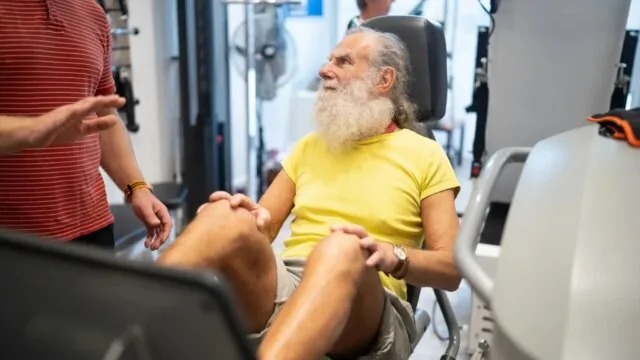

It’s no secret that a healthy lifestyle involves both consistent exercise and a balanced diet. However, what if we told you that the secret ingredient to optimizing your fitness might lie within your gut? Emerging research reveals a profound and often surprising connection between your gut microbiome and virtually every aspect of your physical well-being, from muscle strength and digestive regularity to even your brain health. Understanding this intricate link empowers you to enhance your fitness journey from the inside out.
This article dives deep into how your internal ecosystem influences your ability to move, perform, and thrive. We’ll explore the latest scientific findings, offering practical, actionable steps you can take today to cultivate a gut environment that supports your exercise goals and overall vitality.
The Gut-Muscle Connection: Powering Performance from Within 💪
Your muscles are critical for movement, strength, and overall physical function. But did you know that specific bacteria residing in your gut might be influencing how strong they are? Research suggests a fascinating link between certain gut microbes and muscle performance.
A species of gut bacteria called Roseburia inulinivorans has been specifically associated with human muscle strength. Studies published in the journal Gut indicate that this particular microbe can improve muscular performance in mice. Importantly, these findings extend to humans.
The research shows that older adults with detectable R. inulinivorans in their stool samples had 29% higher handgrip strength than those without, suggesting a direct benefit for muscle integrity.
In younger adults, a greater abundance of R. inulinivorans was positively associated with both handgrip strength and VO₂ max, a key indicator of cardiorespiratory fitness. Furthermore, the relative abundance of both R. inulinivorans and R. intestinalis was positively linked to leg press and bench press strength. These bacteria appear to influence metabolic processes in muscle, potentially converting muscle fibers to ‘fast-twitch’ (Type II), which are ideal for short, intensive movements like sprinting and weightlifting.
This discovery holds significant promise. Researchers suggest that R. inulinivorans could eventually be developed as a nutraceutical probiotic to help treat age-related muscle wasting, a major contributor to frailty and reduced mobility. Cultivating a diverse and healthy gut microbiome, therefore, is not just about digestion; it’s about building a foundation for physical resilience and strength at any age.
Movement for Motility: The Immediate Benefits of Activity 🌿
Beyond its impact on muscle strength, physical activity plays an immediate and vital role in digestive health. Constipation is a widespread issue, causing discomfort, stress, and diminished quality of life for millions. While the long-term benefits of exercise for digestion are well-known, new research highlights just how quickly movement can make a difference.
A study from Fujita Health University, published in Scientific Reports, explored the immediate effects of physical activity on gut motility in healthy adults. Researchers used a non-invasive method to analyze bowel sounds, which are direct indicators of intestinal movement. They recorded these sounds before and immediately after participants walked on a treadmill for just 20 minutes.
The findings were clear: even a short bout of moderate physical activity significantly increased gut motility. Indicators like the total amplitude of sound activity, the percentage of time bowel sounds were present, and the number of distinct sound events per minute all rose. This means your gut starts working more efficiently almost as soon as you begin to move.
This insight underscores why staying active is one of the simplest and most effective strategies for managing digestive issues. It’s not just about burning calories; it’s about stimulating your internal systems to function optimally. Even small bursts of activity throughout your day can contribute significantly to better digestive flow and overall comfort.
Beyond the Gut: Exercise, Brain Health, and Mood 🧠
The connection between your gut and brain, often called the gut-brain axis, is a bidirectional highway of communication influencing everything from mood to cognitive function. Exercise appears to be a powerful modulator of this axis, influencing brain health through its effects on the gut microbiome.
A compelling study published in Brain Medicine investigated how voluntary exercise reshapes tryptophan metabolism through the gut microbiota. Researchers gave rats free access to a running wheel for eight weeks. They observed significant changes in the animals’ gut bacteria, circulating metabolites, and hippocampal gene expression—the hippocampus being a brain region crucial for memory and mood.
Specifically, exercise decreased the relative abundance of two bacterial genera, Alistipes and Clostridium, both associated with tryptophan metabolism. Tryptophan is an essential amino acid and a precursor to serotonin, a key neurotransmitter involved in mood regulation. Experts recommend understanding that gut microbes play a crucial role in how tryptophan is metabolized and distributed, impacting neuroactive signaling to the brain.
This suggests that by altering the composition of your gut microbiota, exercise can subtly shift the biochemical signals that influence your brain, potentially contributing to improved mood and cognitive resilience. It highlights how physical activity offers benefits far beyond the visible, impacting your mental well-being from the hidden depths of your gut.
Nourishing Your Gut for Optimal Fitness 🥦
Given the profound influence of gut health on muscle strength, digestive function, and brain health, it becomes clear that nurturing your microbiome is an integral part of any fitness regimen. A holistic approach that combines smart nutrition with consistent movement is key.
Prioritizing foods rich in prebiotics, which are fibers that feed beneficial gut bacteria, is essential. Think diverse plant-based foods like fruits, vegetables, whole grains, and legumes. These provide the fuel for microbes like Roseburia to flourish. In addition, incorporating probiotic-rich foods such as yogurt, kefir, kimchi, and sauerkraut can introduce beneficial bacteria directly into your system, further diversifying your microbiome.
Hydration is another often-overlooked component. Adequate water intake supports not only overall bodily functions but also helps maintain healthy gut motility and nutrient absorption. Furthermore, managing stress through mindful practices like meditation or deep breathing can positively impact your gut, as stress is known to disrupt the delicate balance of the microbiome and the gut-brain axis.
By making conscious choices about what you eat and how you live, you can actively cultivate a thriving internal ecosystem that supports your fitness goals, enhances your energy levels, and contributes to a greater sense of overall well-being. It’s about creating an internal environment where your body can perform at its peak.
Practical Tips for a Thriving Gut-Exercise Synergy ✨
- Embrace Movement ‘Snacks’: You don’t need hours at the gym. Studies indicate that even short bursts of activity, like a 10-minute walk after meals, can significantly boost gut motility and overall energy. Incorporate movement breaks throughout your day.
- Diversify Your Diet with Fiber: Aim for a wide variety of plant foods – fruits, vegetables, whole grains, nuts, seeds, and legumes. Each type of fiber feeds different beneficial gut bacteria, promoting a robust and resilient microbiome crucial for muscle function and digestion.
- Include Fermented Foods Regularly: Integrate probiotic-rich foods like plain yogurt, kefir, kimchi, sauerkraut, or kombucha into your weekly diet. These introduce beneficial bacteria that can support gut balance and overall health.
- Prioritize Hydration: Drink plenty of water throughout the day. Proper hydration is fundamental for healthy digestion, nutrient transport, and ensuring your body functions optimally during and after exercise.
- Listen to Your Body and Rest: Overtraining and chronic stress can negatively impact gut health. Ensure you’re getting adequate rest and recovery between workouts, and pay attention to your body’s signals for hunger, fullness, and discomfort.
- Consult a Healthcare Professional: Before making significant changes to your diet or exercise routine, especially if you have underlying health conditions or specific digestive concerns, always consult with a doctor or registered dietitian.
Key Takeaways for Your Wellness Journey 💡
- Specific gut bacteria, like Roseburia inulinivorans, are directly linked to enhanced muscle strength and performance, highlighting the gut’s role in physical power.
- Even short periods of physical activity (as little as 20 minutes) can immediately increase gut motility, offering a simple and effective strategy for digestive health and managing issues like constipation.
- Exercise profoundly impacts the gut-brain axis by reshaping gut microbiota and influencing tryptophan metabolism, which is critical for serotonin production and overall brain health and mood.
- Nurturing a diverse and healthy gut microbiome through a balanced diet rich in prebiotics and probiotics, along with consistent physical activity, is foundational for optimal fitness and holistic well-being.
Frequently Asked Questions About Gut Health & Exercise ❓
How quickly does exercise affect digestion?
Research indicates that physical activity can affect gut motility almost immediately. Studies have shown that even 20 minutes of moderate walking can significantly increase gut movement and function within minutes of starting the exercise. This rapid response underscores why regular movement is so beneficial for digestive health.
Can specific foods improve my gut for muscle strength?
Yes, while no single food is a magic bullet, a diet rich in diverse fibers (prebiotics) helps cultivate beneficial bacteria like Roseburia inulinivorans, which research links to muscle strength. Incorporating a variety of fruits, vegetables, whole grains, and fermented foods (probiotics) supports a thriving microbiome that can indirectly enhance muscle performance.
Is intense exercise necessary to get gut health benefits?
Not at all! While intense exercise has its benefits, studies show that even moderate, consistent physical activity can significantly improve gut health. For instance, short walks can boost gut motility, and regular, voluntary exercise can positively reshape the gut microbiota and its influence on brain health. Consistency and variety are often more important than intensity.
The Bottom Line: Your Path to Holistic Well-being 🌟
The intricate dance between your gut microbiome and your physical activity is undeniable. It’s a powerful partnership that influences not just your digestion, but your muscle strength, energy levels, and even your mood and cognitive function. By understanding and honoring this connection, you gain a powerful tool for enhancing your overall wellness.
Embracing a lifestyle that prioritizes both thoughtful nutrition—feeding your beneficial gut bacteria—and consistent, enjoyable movement creates a synergistic effect. It’s about building a resilient, high-performing body from the inside out, fostering both physical vitality and mental clarity. Remember, small, consistent steps can lead to profound, lasting changes in your health journey. Always remember to consult with a healthcare professional or qualified expert for personalized advice tailored to your individual needs and health conditions.
Sources:
- Specific gut bacteria species linked to muscle strength
- Gut motility increases within minutes of physical activity, research shows
- How voluntary exercise reshapes tryptophan metabolism through the gut microbiota
How Healthy Are Your Habits?
10 quick questions · Get your personal wellness score