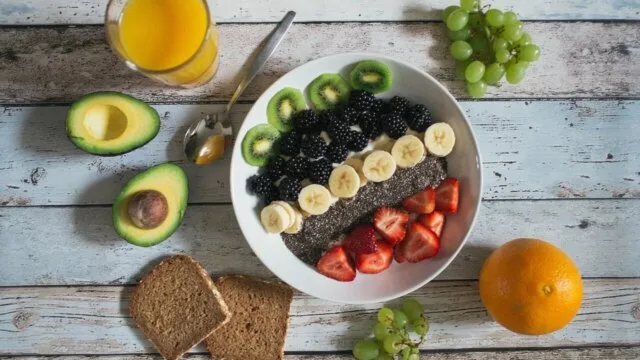

Imagine living not just longer, but healthier, with sustained energy and vitality. This isn’t a far-off dream; it’s within reach through thoughtful nutrition. Our daily food choices profoundly influence our healthspan, the number of years we live in good health.
Emerging research and innovative food science are constantly revealing new ways to nourish our bodies. From embracing fiber to making smarter produce choices and exploring cutting-edge functional foods, empowering dietary shifts can transform your well-being. Let’s dive into how you can cultivate a vibrant future, starting today.
The Fiber Revolution: Fueling Your Gut for Lifelong Vitality 🌿
The spotlight is shining brightly on dietary fiber, and for excellent reasons. Scientists are increasingly highlighting fiber’s powerful role in promoting overall health. It’s much more than just aiding digestion; fiber is a cornerstone of a healthy body.
Research suggests that getting enough fiber can support a thriving gut microbiome. These beneficial gut microbes, in turn, contribute to everything from digestive regularity to a robust immune system. Importantly, fiber also helps regulate blood sugar and cholesterol levels.
“There is a nine-year gap between living to a certain age in good health and then living in poor quality of health at the end of your life,” notes Jennifer Lee, a scientist at Tufts University. “Behavioral or nutritional strategies that can keep someone healthy are very on trend right now.”
This growing awareness has fueled trends like “fibermaxxing,” which encourages consuming at least the recommended daily amount of fiber. Consistently low fiber intake, conversely, has been linked to metabolic and cardiovascular problems, including obesity and diabetes. It may even increase the risk for certain cancers, such as colorectal, breast, and prostate cancer.
So, how much fiber do you need? For adults, the Dietary Guidelines for Americans recommend between 22 and 34 grams of fiber daily, depending on age and sex. A simple guideline is to aim for about 14 grams of fiber for every 1,000 calories consumed. As a knowledgeable friend, I’d suggest gradually increasing your intake to allow your body to adjust comfortably.
Smart Produce Choices: Eating Clean in a Modern World 💪
Fruits and vegetables are indispensable for a healthy diet, packed with essential vitamins, minerals, and antioxidants. However, a recent study from the Environmental Working Group (EWG) highlights a crucial consideration: pesticide exposure. The study indicates that what’s on your plate can directly influence the levels of pesticides circulating in your body.
Researchers found that individuals who consumed more fruits and vegetables known to carry higher pesticide residues—like strawberries, spinach, and bell peppers—had significantly elevated levels of these chemicals in their urine. Pesticides have been associated with various health concerns, including cancer, reproductive issues, hormone disruption, and nervous system harm, particularly in vulnerable populations like young children and pregnant people.
Alexis Temkin, Ph.D., vice president for science at EWG and lead author of the study, emphasized, “The findings reinforce that what we eat directly affects the level of pesticides in our bodies.” While the message isn’t to avoid produce, it is an invitation to be more mindful about your choices. Thoroughly washing all produce is a foundational step, regardless of its source.
Additionally, prioritizing organic options for certain high-residue fruits and vegetables can be a proactive strategy. You can also diversify your produce choices, rotating between different types of fruits and vegetables to vary your exposure and nutrient intake. Making informed decisions helps you harness the immense benefits of produce while mitigating potential risks.
Innovative Nutrition: The Future of Functional Foods ✨
Beyond traditional whole foods, science is pushing the boundaries of nutrition with innovative creations. Scientists in Brazil, for example, have transformed cocoa waste and native bee honey into a unique chocolate-infused honey. This isn’t just a sweet treat; it’s a functional food brimming with health perks.
This sustainable product is packed with beneficial compounds. It contains antioxidants and natural stimulants like theobromine and caffeine, known for their potential heart health benefits and anti-inflammatory effects. The researchers utilized a ‘green’ ultrasound-assisted process, enhancing honey’s natural ability to extract these compounds from typically discarded cocoa shells.
Felipe Sanchez Bragagnolo, the study’s first author, notes, “Of course, the biggest appeal to the public is the flavor, but our analyses have shown that it has a number of bioactive compounds that make it quite interesting from a nutritional and cosmetic point of view.” This development showcases how food innovation can create value from waste while boosting nutrient density.
While such products are still emerging, they represent a fascinating frontier in wellness. They highlight how science can merge sustainability with nutrition, offering new avenues for enhancing our diets. The focus remains on leveraging natural ingredients and processes to deliver maximum health benefits.
Practical Tips for a Healthier You Today 🥦
Ready to put these insights into action? Here are some simple, actionable steps you can take to enhance your diet and boost your healthspan:
- Gradually Boost Your Fiber Intake: Don’t try to hit 30 grams overnight. Start by adding a serving of beans to your soup, swapping white bread for whole grain, or sprinkling chia seeds into your yogurt. Small, consistent changes are easier to maintain.
- Stay Hydrated: As you increase your fiber intake, remember to drink plenty of water. Fiber absorbs water, and adequate hydration is essential for it to move smoothly through your digestive system, preventing discomfort.
- Be Mindful of Produce Sourcing: Always wash your fruits and vegetables thoroughly under running water, even if they’re organic. For produce known to carry higher pesticide residues, consider choosing organic options when possible to minimize exposure.
- Diversify Your Plant-Based Foods: Aim for a wide variety of colors and types of fruits, vegetables, legumes, and whole grains. Each offers a unique profile of nutrients and fiber, feeding a diverse and resilient gut microbiome.
- Practice Mindful Eating: Pay attention to your body’s hunger and fullness cues. Slow down, savor your meals, and notice how different foods make you feel. This practice fosters a healthier relationship with food and aids digestion.
Key Takeaways for Your Wellness Journey 🧠
Embarking on a journey towards better health through nutrition doesn’t have to be overwhelming. Here are the core ideas to remember:
- Fiber is Fundamental: Prioritize increasing your dietary fiber intake for optimal gut health, metabolism, and disease prevention.
- Smart Produce Choices Matter: Enjoy abundant fruits and vegetables, but be aware of pesticide concerns and adopt strategies like thorough washing and selective organic buying.
- Embrace Innovation: Keep an eye on emerging functional foods that offer enhanced nutritional benefits and sustainable solutions.
- Seek Professional Guidance: Always consult a healthcare professional or registered dietitian for personalized dietary advice, especially if you have underlying health conditions.
Frequently Asked Questions About Diet and Health ❓
What exactly is ‘fibermaxxing’?
‘Fibermaxxing’ is a term gaining popularity that refers to consciously consuming at least the recommended daily amount of dietary fiber for your body weight. The goal is to maximize fiber intake to support digestion, feed beneficial gut bacteria, regulate blood sugar, and lower the risk of chronic diseases like diabetes, obesity, and certain cancers.
How can I reduce pesticide exposure from my produce?
You can reduce pesticide exposure by thoroughly washing all fruits and vegetables under running water, even those with edible skins. Additionally, consider prioritizing organic options for produce items known to carry higher pesticide residues, such as strawberries, spinach, and bell peppers. Diversifying your produce choices can also help vary potential exposures.
Are functional foods like ‘chocolate honey’ really beneficial?
Functional foods, like the innovative chocolate-infused honey, are designed to provide health benefits beyond basic nutrition. This particular product, made from cocoa waste and native bee honey, is rich in antioxidants and natural stimulants like theobromine. While promising for their nutritional compounds and sustainable production, they are not magic bullets; they complement a balanced diet of whole foods rather than replacing them.
The Bottom Line: Your Path to Lasting Wellness 🌞
Nourishing your body is a powerful act of self-care. As we’ve explored, simple yet significant dietary adjustments can profoundly impact your healthspan. From embracing the incredible power of fiber to making discerning choices about your produce and appreciating innovative functional foods, every decision contributes to your vitality.
Remember, this journey is about progress, not perfection. Focus on making informed, sustainable choices that align with your body’s needs and preferences. By prioritizing whole foods, listening to your body, and staying curious about nutritional advancements, you empower yourself to live a longer, healthier, and more vibrant life. Your wellness journey starts with what’s on your plate.
Sources:
- Scientists say this simple diet change could transform your gut health
- Popular fruits and vegetables linked to higher pesticide levels
- Scientists just created chocolate honey packed with surprising health perks
How Healthy Are Your Habits?
10 quick questions · Get your personal wellness score