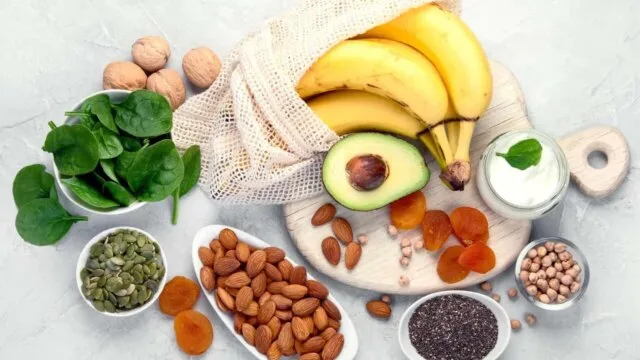

Do you ever feel like you’re doing everything right for your health, yet still struggle with unexplained fatigue, a weakened immune system, or concerns about chronic conditions? You’re not alone. Many people navigate a complex landscape of wellness advice, often overlooking the profound impact of fundamental nutrients on critical bodily functions. What if tiny dietary choices could dramatically strengthen your body’s defenses, optimize your metabolism, and protect your nervous system? Recent scientific discoveries are shining a light on how specific nutrients — namely iron, healthy fats, and folic acid — play far more intricate and vital roles than previously understood, influencing everything from blood sugar regulation to your ability to fight disease. Understanding these connections is not just about avoiding deficiency; it’s about unlocking a new level of vitality and resilience.
The Hidden Power of Iron for Metabolic Health 🌿
Iron deficiency is a global health concern, affecting billions worldwide, yet its specific impact on critical metabolic functions, particularly pancreatic health, is often underestimated. This can lead to significant problems with how your body processes sugar, potentially contributing to the development of metabolic diseases. Many people might experience symptoms like fatigue, weakness, and difficulty concentrating, unaware that their iron status could be silently compromising their internal systems.
Recent research from the Free University of Brussels highlights just how crucial iron is, especially during the development of vital pancreatic beta cells. These specialized cells are essentially your body’s insulin factories, constantly monitoring blood sugar levels and releasing insulin to keep them balanced. The study, published in Nature Communications, reveals that during their growth phase, young beta cells are particularly vulnerable and have a unique “hunger for iron.”
Scientists discovered that iron is the “crucial fuel” enabling the mitochondria – the cells’ internal power stations – to function during this critical growth period. When researchers blocked the supply of iron to these developing cells, they were unable to mature and subsequently died. This suggests that without adequate iron, the very foundation of our blood sugar regulation system can be compromised, even before it fully forms.
“This study provides direct evidence that our body’s insulin factories simply shut down in the absence of the mineral iron.”
Professor Nico De Leu, an endocrinologist at UZ Brussel and co-leader of the research, emphasizes the clinical relevance of these findings. He explains that individuals with disturbed iron status are more likely to experience problems with sugar metabolism. This groundbreaking discovery about the “metabolic programming” of the pancreas underscores the profound importance of maintaining a good iron balance for the prevention of metabolic diseases. It also opens new avenues for creating healthier, stronger beta cells from stem cells in the lab, potentially offering alternative therapies for people with diabetes. For more insights into optimizing your cellular health, consider reading Unlocking Your Inner Power: Cellular Secrets for Optimal Brain, Gut, and Overall Wellness.
Fueling Your Immunity: The Right Fats Matter 💪
Our immune system is a sophisticated defense network, constantly working to protect us from infections, viruses, and even certain cancers. However, its strength and effectiveness are profoundly influenced by our dietary choices, particularly the types of fats we consume. Many people might inadvertently be weakening their body’s protective T cells by not understanding the nuanced impact of different fats.
Research from the University of Queensland, published in Nature, marks a significant leap in our understanding of how diet directly impacts immune function. The team discovered that the types of fats we eat can literally change the fat composition inside our T cells – the critical immune cells responsible for managing the body’s immune response. These changes can make T cells either weaker and more vulnerable, or stronger and more resilient in their immune protection.
Specifically, the study found that a diet with a lower ratio of polyunsaturated fatty acids (PUFAs) to monounsaturated fatty acids (MUFAs) makes T cells “much more resilient and resistant to cell death.” T cells are vulnerable to a type of cell death that occurs when oxidized fats build up and destroy their outer membrane. Protecting T cells from this oxidation-induced cell death allows specific T cells, known as follicular helper T cells, to become much better at assisting the body in producing antibodies, potentially suggesting enhanced vaccine protection.
Furthermore, stronger, more resilient T cells are better equipped to multiply and actively attack tumors. Experimental models have demonstrated that dietary fat modifications could improve the success of cancer treatments, helping to eliminate tumors and significantly prolong survival. Examples of foods rich in MUFAs include olive oil and avocados, while PUFAs are abundant in fatty fish and soybeans. This research suggests that optimizing a patient’s diet and targeting lipid metabolism could become an easily accessible way to enhance immunity, working alongside vaccines or cancer immunotherapies to ensure immune cells are strong enough to fight off disease.
Folic Acid: A Shield for Your Nerves and Beyond 🧠
The debilitating effects of nerve damage, often experienced as numbness, tingling, burning sensations, and weakness, are a significant concern for millions globally. Conditions like diabetic peripheral neuropathy, a common and severe complication of diabetes, can drastically impact quality of life. While managing blood sugar is crucial, specific nutrient requirements for those with chronic diseases are frequently overlooked, with standard dietary recommendations sometimes falling short.
Groundbreaking research from Florida State University, published in the Proceedings of the National Academy of Sciences, offers a beacon of hope. This study, conducted in mice, demonstrated that significantly increasing dietary folic acid – the synthetic form of folate, also known as Vitamin B9 – can effectively prevent peripheral neuropathy. Folic acid is essential for DNA synthesis, a fundamental process that promotes nerve protection throughout our lives as new cells are constantly produced.
Historically, lower levels of folate have been linked to an increased risk of birth defects, as well as the severity and incidence of nerve damage. This new research provides additional evidence that certain nutrients can help manage chronic health conditions. Professor Patrick Stover, a leading researcher in B-vitamins, emphasizes that while Recommended Daily Allowances (RDAs) set minimums for healthy populations, individuals with chronic diseases like diabetes and obesity may have “special nutritional requirements.”
This work suggests that for those with pre-existing health challenges, a higher intake of certain dietary components might be necessary to mitigate disease risk. The findings are particularly exciting because they highlight a nutritional strategy that could potentially avoid disease risk and alleviate human suffering. Understanding these nuanced needs is vital for unlocking better health outcomes. Explore more about how simple diet changes can impact your long-term health in Unlock Your Healthspan: Simple Diet Changes for a Vibrant Future.
Understanding Nutrient Balance: More Than Just ‘Enough’ 🥦
The journey to optimal health isn’t merely about avoiding severe deficiencies; it’s about achieving a delicate balance and recognizing that “enough” for one person might not be optimal for another. The concept of nutrient balance extends beyond individual vitamins and minerals, encompassing how they interact and how our body’s unique state, especially when facing chronic conditions, influences our needs. This is where the standard dietary guidelines, often designed for healthy populations, may need a closer look.
As highlighted by the folic acid research, individuals with chronic diseases, such as diabetes or obesity, may have significantly different nutritional requirements than a healthy person. The notion that “a lot of the population is not healthy” means that blanket dietary advice might not provide the specific support needed for those with altered metabolic processes or increased physiological demands. For instance, while high doses of a nutrient might sound concerning, the mouse study showed a preventive effect for neuropathy with significantly increased folic acid.
Similarly, the iron research indicates that while too much iron can be harmful to the pancreas, an insufficient amount is equally detrimental, particularly during critical developmental stages. It’s not just about the presence of a nutrient, but ensuring the “right amount at the right time” to facilitate healthy cellular function and prevent issues with sugar metabolism. This principle also applies to fats; the specific ratio of PUFAs to MUFAs, rather than just total fat intake, dictates immune cell resilience.
This nuanced perspective emphasizes that a proactive, personalized approach to nutrition is paramount. It encourages us to move beyond minimum daily allowances and consider our individual health status, genetic predispositions, and lifestyle factors. For further insights into personalized nutrition and metabolism, you might find Unlock Your Vitality: New Science-Backed Nutrition & Metabolism Insights a valuable resource. Consulting with a healthcare professional or a registered dietitian can provide tailored guidance, ensuring your diet truly supports your unique health journey.
The Gut-Nutrient Connection: A Holistic View ✨
While we delve into the specifics of iron, fats, and folic acid, it’s crucial to remember that what happens in your plate is only one part of the story. How your body absorbs, processes, and utilizes these vital nutrients is profoundly influenced by the state of your gut. The intricate ecosystem within your digestive tract, known as the gut microbiome, plays a pivotal role in overall wellness, extending its influence to metabolic health, immune function, and even nutrient availability.
A compromised gut, characterized by an imbalance of beneficial and harmful bacteria or inflammation, can act as a significant barrier to nutrient absorption. This means that even if you’re consuming a diet rich in iron, healthy fats, and folate, your body might not be able to fully extract and utilize these compounds. For example, a healthy gut is essential for the proper breakdown and absorption of dietary fats, influencing the lipid metabolism that strengthens T cells.
Furthermore, the gut produces certain B vitamins, including some forms of folate, underscoring its direct contribution to nutrient status. An unhealthy gut can lead to systemic inflammation, which can indirectly impact metabolic processes and immune responses, potentially increasing the body’s need for specific nutrients or hindering their efficacy. Therefore, supporting a diverse and balanced gut microbiome through fiber-rich foods, fermented products, and minimizing highly processed items creates an optimal environment for all these essential nutrients to perform their vital functions.
Embracing a holistic approach that prioritizes gut health ensures that your investment in a nutrient-dense diet truly pays off, enhancing the protective and regulatory roles of iron, healthy fats, and folic acid. It’s about building a robust internal environment where your cells can thrive, leading to improved energy, stronger immunity, and better long-term health outcomes.
Practical Tips for Optimizing Your Nutrient Intake 💧
Implementing these scientific insights into your daily life doesn’t have to be complicated. Small, consistent changes can lead to significant improvements in your metabolic health, immune resilience, and nervous system protection. Here are some actionable tips:
- Prioritize Whole, Unprocessed Foods: Focus on a diet rich in fruits, vegetables, whole grains, lean proteins, and healthy fats. These foods naturally provide a broad spectrum of essential nutrients, often in synergistic combinations.
- Boost Your Iron Intake Safely: Include iron-rich foods such as lean red meat, poultry, fish, lentils, beans, spinach, and fortified cereals. Pair plant-based iron sources with Vitamin C (e.g., bell peppers with lentils) to enhance absorption. If considering supplements, always consult a healthcare professional.
- Balance Healthy Fats: Emphasize monounsaturated fats (MUFAs) found in olive oil, avocados, and nuts. Include quality polyunsaturated fats (PUFAs) from sources like fatty fish (salmon, mackerel), walnuts, and flaxseeds. Aim for balance rather than eliminating one type.
- Incorporate Folate/Folic Acid Sources: Regularly consume leafy green vegetables (spinach, kale), legumes (lentils, chickpeas), asparagus, eggs, and fortified grains. For individuals with specific health conditions, discussing higher intake levels or supplementation with a doctor is crucial.
- Support Your Gut Health: Include fiber-rich foods (whole grains, fruits, vegetables) and fermented foods (yogurt, kefir, sauerkraut) to nourish a healthy gut microbiome. A balanced gut enhances nutrient absorption and overall wellness.
- Stay Hydrated: Water is fundamental for all bodily processes, including nutrient transport and metabolic functions. Make conscious efforts to drink enough water throughout the day.
- Manage Stress Effectively: Chronic stress can impact nutrient utilization and overall systemic health. Incorporate stress-reduction techniques like meditation, yoga, or spending time in nature.
- Consult a Healthcare Professional: For personalized dietary advice, especially concerning nutrient deficiencies, specific health conditions, or supplement use, always seek guidance from a doctor or a registered dietitian. They can provide tailored recommendations based on your individual needs.
Key Takeaways for Vibrant Health ❤️
Understanding the intricate roles of specific nutrients empowers you to make informed dietary choices that profoundly impact your well-being. Here are the core insights from recent research:
- Iron is critical for pancreatic beta cell development and function, directly impacting blood sugar regulation and metabolic health. Iron deficiency can severely hinder these vital processes.
- The balance of dietary fats (PUFA/MUFA ratio) directly influences T cell strength and immune resilience, potentially enhancing protection against infections and improving cancer therapies.
- Folic acid (Vitamin B9) may play a vital role in preventing nerve damage, such as diabetic peripheral neuropathy, particularly when higher doses are considered for individuals with chronic conditions.
- Individual nutrient requirements can differ significantly from standard recommendations, especially for those managing chronic health conditions like diabetes or obesity.
- A holistic approach focusing on whole foods, gut health, and professional guidance is key to optimizing nutrient intake and ensuring your body can effectively utilize these essential compounds.
- Small, consistent dietary shifts can have profound, long-term impacts on your metabolism, immunity, and nerve health, contributing to a more vibrant and resilient life.
Frequently Asked Questions 🌞
How long does it take to correct an iron deficiency?
Correcting an iron deficiency can vary depending on the severity of the deficiency, the cause, and the treatment approach. With dietary changes and/or supplementation, it typically takes several weeks to a few months to restore iron levels and replenish iron stores. However, it’s crucial to follow your healthcare provider’s recommendations for testing and treatment to ensure safe and effective resolution.
Can dietary fats truly impact my immune system?
Yes, absolutely. Research indicates that the types and ratios of fats you consume directly influence the composition and resilience of your immune cells, specifically T cells. A balanced intake of healthy fats, particularly a favorable ratio of monounsaturated to polyunsaturated fats, can strengthen your immune response and enhance your body’s ability to fight off disease. This is a powerful connection between diet and immunity.
Is it safe to take high-dose folic acid?
While folic acid is essential, taking high doses, especially through supplements, should always be done under the guidance of a healthcare professional. High doses can mask a Vitamin B12 deficiency, potentially leading to neurological damage if undetected. For individuals with specific conditions like diabetes-related neuropathy, a doctor might recommend higher therapeutic doses, but this requires careful medical supervision.
What happens if I don’t get enough of these essential nutrients?
Insufficient intake of essential nutrients like iron, healthy fats, and folic acid can lead to a range of health issues. Iron deficiency can impair energy production and blood sugar regulation, potentially contributing to metabolic problems. Inadequate healthy fats can weaken your immune system, making you more susceptible to infections. A lack of folic acid can impact nerve health and DNA synthesis, with potential links to conditions like peripheral neuropathy. Chronic deficiencies can compromise overall health and increase the risk of various diseases.
The Bottom Line ✨
In a world brimming with health information, it’s easy to overlook the foundational role of specific nutrients in maintaining our well-being. The latest science reveals that iron, the right balance of dietary fats, and folic acid are not just ‘good for you’ but are critical architects of our metabolic health, immune resilience, and nervous system integrity. These aren’t minor players; they are essential components that dictate how well our bodies function at a cellular level, influencing everything from how we process sugar to how effectively we fight off illness.
By making conscious, informed dietary choices, we hold the power to significantly impact our long-term health trajectory. This science-backed guide encourages you to embrace a proactive approach, focusing on nutrient-dense whole foods and understanding your body’s unique requirements. Remember, your wellness journey is personal. While these insights provide a powerful roadmap, always consult with a healthcare professional or registered dietitian to tailor advice to your individual health status and needs. Empower yourself with knowledge, nourish your body wisely, and unlock a vibrant, resilient future.
Sources:
- Study finds iron deficiency can halt young pancreatic beta cell growth
- How the fats we eat shape our ability to fight disease
- High-dose folic acid prevents diabetic peripheral neuropathy in mice, study finds
How Healthy Are Your Habits?
10 quick questions · Get your personal wellness score