
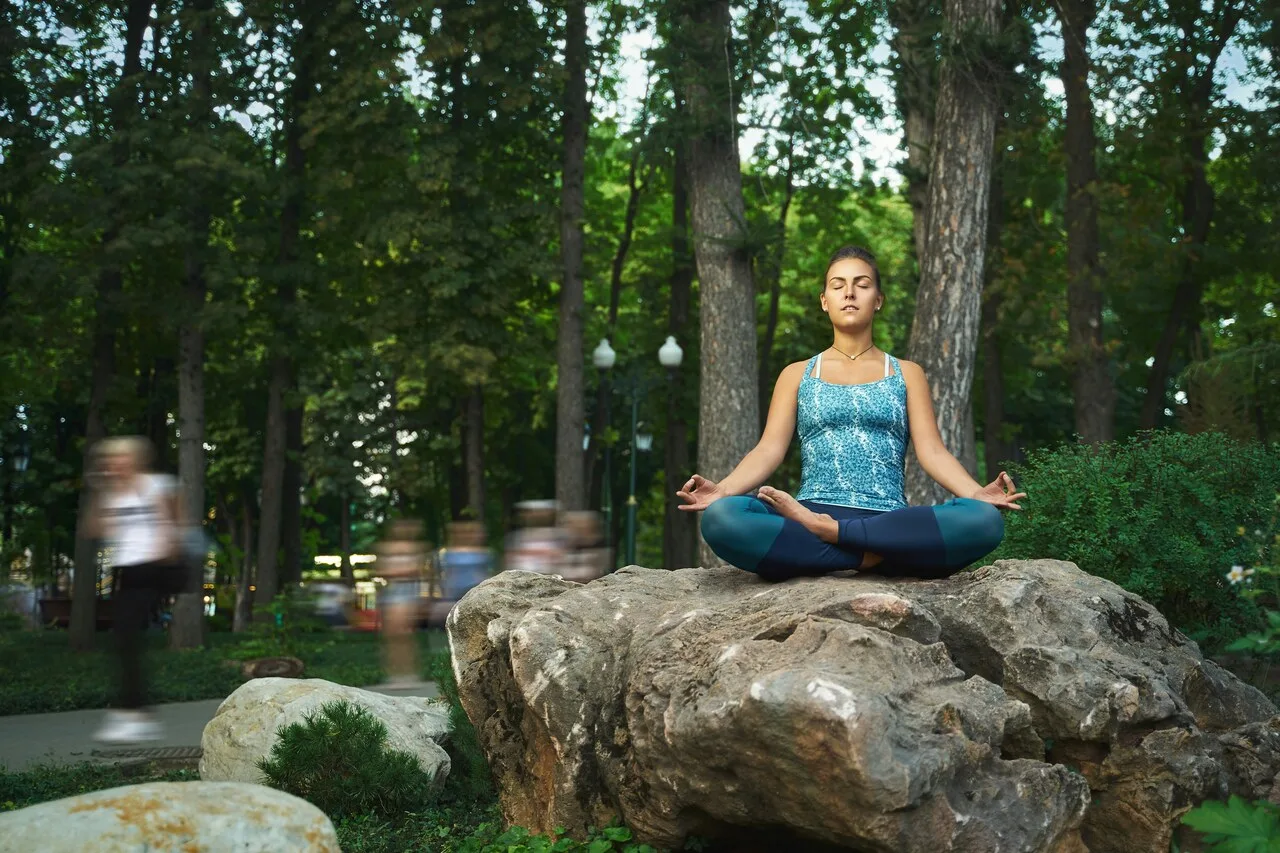
In our fast-paced world, it’s easy to get caught up in planning for the future or dwelling on the past. However, research suggests that a significant portion of our day—up to 47% according to some studies—is spent in mind-wandering, often predicting lower levels of happiness. By consciously shifting our attention to the ‘here and now,’ we unlock a deeper appreciation for life’s simple wonders and cultivate a sense of profound contentment.
Understanding Present-Moment Awareness and Its Power 🌿
At its core, present-moment awareness is the practice of fully engaging with your current experience. It’s about paying attention to your sensations, thoughts, and surroundings without judgment, rather than allowing your mind to drift to past regrets or future anxieties. Think of it as meditation in motion, a way to infuse mindfulness into every aspect of your daily life.
This isn’t about grand spiritual epiphanies; it’s about the small, often overlooked moments. It’s the feeling of warm water in the shower, the crunch of leaves underfoot during an autumn walk, the scent of freshly brewed coffee, or the sound of your child’s laughter. When we bring our full attention to these moments, they cease to be mere transitions between tasks and become rich, vibrant experiences in themselves.
Mindfulness teacher Jon Kabat-Zinn often highlights that cultivating presence is one of the most effective ways to ‘live a longer life.’ While it won’t add days to your calendar, it profoundly expands your experience of life. Each day becomes richer, more meaningful, and more fully lived. This expanded perception of time is a direct result of engaging more deeply with each passing moment, making your life feel fuller and more substantial.
Why Cultivating Present-Moment Awareness Boosts Well-Being 🧠
The benefits of present-moment awareness extend far beyond simply slowing down perceived time. This practice has a cascading positive effect on various aspects of your mental and emotional well-being. When we are truly present, we are less susceptible to the anxieties of the future or the burdens of the past. Instead, we anchor ourselves in the stability of the now, which can significantly reduce stress and improve mood.
Studies indicate that redirecting attention to the present moment boosts overall well-being more consistently than engaging in any specific activity. This isn’t just about feeling good; it’s about fostering a more resilient and adaptable mind. When you practice presence, you train your brain to observe thoughts and emotions without being swept away by them, a critical skill for managing difficult emotions effectively. How to Manage Difficult Emotions Effectively (A Complete Guide) offers further insights into this.
Beyond personal well-being, presence also transforms your interactions with the world. It can lead to greater creative flow, as your mind is less cluttered and more open to new ideas. Relationships also flourish when you are fully present with others, offering genuine listening and engagement rather than distracted attention. This deepened connection can enhance empathy and understanding, fostering stronger bonds.
The Science Behind ‘Time Flying By’ and How Presence Counters It 💪
The sensation of time speeding up as we age is a fascinating psychological phenomenon. Scientists suggest that this perception is linked to a decrease in the novelty of our experiences. When we are young, everything is new and exciting, creating a wealth of distinct memories that make time feel expansive. As we get older, routines become more established, and fewer novel experiences means fewer unique memory markers, leading to the feeling that time is accelerating.
“Mind wandering occupies 47% of our day and predicts lower happiness; redirecting attention to the present boosts well-being more than any specific activity.” – Research Findings
Operating on autopilot is a significant contributor to this phenomenon. When we perform routine tasks without conscious engagement—driving the same route, doing household chores, or even working—our brains process these experiences less deeply. This creates fewer memorable ‘snapshots’ of time, making entire periods feel compressed and indistinct. This is why Why You’re Always Rushing and How to Respond Mindfully (Expert Guide) emphasizes breaking free from autopilot mode.
Present-moment awareness directly counters this by injecting novelty and conscious engagement back into everyday life. By actively noticing the details of your surroundings, the sensations in your body, and the nuances of your thoughts and feelings, you create richer, more vivid memories. Each moment, however ordinary, becomes a distinct experience, effectively ‘stretching’ your perception of time and making life feel more expansive and memorable.
Practical Tips for Cultivating Present-Moment Awareness ✨
Building the habit of presence doesn’t require hours of meditation (though that helps!). It’s about integrating small, intentional shifts into your daily routine. Consistency is key, and starting small can lead to significant changes over time. Here’s a structured approach to help you cultivate this powerful practice:
- Set a Presence Cue: Choose a routine activity that happens multiple times a day (e.g., opening a door, washing your hands, drinking water). Place a small, discreet reminder, like a colored sticker or a piece of tape, near this cue. When you see it, take a brief pause and bring your attention to the present moment. This creates an immediate trigger for mindfulness.
- Anchor Your Attention with Breath: Once cued, gently bring your awareness to your breath. Feel the sensation of air entering and leaving your body. A simple technique like box breathing (inhale for 4 counts, hold for 4, exhale for 4, hold for 4) can be incredibly grounding. This helps to quiet the mental chatter and center you in your physical experience.
- Engage Your Senses: After grounding with your breath, consciously engage one or more of your five senses. What do you see? What do you hear? What do you smell? What do you taste? What do you feel? Hold this sensory experience for 15-30 seconds, savoring the details. For example, if you’re drinking tea, notice the warmth of the cup, the aroma, the taste, and the sensation as you swallow. This deliberate encoding reinforces neural pathways for presence.
- Practice Mindful Movement: Turn routine movements into opportunities for presence. When walking, notice the sensation of your feet on the ground, the rhythm of your steps, and the movement of your body. When eating, truly taste each bite, notice the textures and flavors. Even mundane tasks like doing dishes can become mindful practices when you focus on the sensations of water, soap, and the objects in your hands.
- Mindful Listening and Communication: In conversations, make a conscious effort to truly listen to the other person without formulating your response. Give them your full, undivided attention. Notice their tone of voice, body language, and the nuances of their words. This not only deepens your presence but also significantly enhances your relationships.
- Expand Your Cues Gradually: Once you’ve mastered presence with your initial cue, gradually expand it to other daily activities. Apply it while waiting in line, sitting in traffic, or during your commute. The more you integrate these micro-moments of presence, the more naturally it will become a part of your daily life.
- Embrace Imperfection: It’s important to remember that your mind will wander. That’s natural. The practice isn’t about never having your mind wander, but about gently bringing it back to the present moment each time you notice it has strayed. Be kind to yourself; this is a lifelong practice, not a destination.
Overcoming Challenges to Staying Present 💧
While the concept of present-moment awareness seems simple, consistently staying present can be challenging. Our minds are conditioned to wander, to plan, to judge, and to react. This isn’t a flaw; it’s just how the human mind often operates. However, understanding these common obstacles can help you navigate them more effectively.
One major hurdle is the sheer volume of distractions in our modern world. Notifications, endless to-do lists, and the constant demand for our attention pull us away from the present. Creating boundaries with technology and scheduling dedicated times for focused work or relaxation can help. Another challenge is internal resistance—the feeling that being present means you’re not being productive or that you’re somehow missing out on something important happening elsewhere. Remind yourself that presence enhances productivity and enriches life, rather than detracting from it.
Sometimes, the past or future can feel overwhelming, leading us to avoid the present. This is particularly true if you are grappling with mental health challenges. If you find yourself struggling to stay present due to persistent anxiety or rumination, it’s always wise to consult with a healthcare professional. They can offer personalized strategies and support to help you cultivate a healthier relationship with your thoughts and emotions. Why Mental Health Challenges Overlap & How to Find Lasting Relief explores this further.
The Profound Impact on Relationships and Creativity ❤️
Beyond personal tranquility, present-moment awareness profoundly impacts our interactions and our creative output. Think about the difference between a conversation where you are truly listening, making eye contact, and absorbing every word, versus one where you are mentally rehearsing your reply or checking your phone. The former fosters deep connection and understanding, while the latter creates distance and superficiality.
When you bring presence to your relationships, you offer the invaluable gift of your full attention. This makes others feel seen, heard, and valued. It allows for deeper empathy, more authentic communication, and stronger bonds. Similarly, presence is a catalyst for creativity. When your mind is fully engaged in the task at hand, free from distractions and self-judgment, you tap into a state of ‘flow.’ This is where innovative ideas emerge, problems are solved with greater ease, and your work feels more inspired and fulfilling.
Whether you’re a writer, an artist, a problem-solver at work, or simply navigating daily life, cultivating presence can unlock a wellspring of creative energy and enrich your connections with others in truly meaningful ways. It’s not just about what you do, but how you do it.
Key Takeaways 🌞
- Present-moment awareness is the practice of fully engaging with your current experience, rather than mind-wandering to the past or future.
- It helps to ‘slow down’ your perception of time, making life feel richer and more meaningful by increasing your conscious engagement with each moment.
- Scientific research shows that mind-wandering is linked to lower happiness, while directing attention to the present boosts well-being.
- Cultivating presence improves mental well-being by reducing stress, enhancing emotional regulation, and fostering greater contentment.
- It significantly enhances relationships by promoting deeper listening and more authentic connection.
- Presence boosts creativity and productivity by allowing for a state of ‘flow’ and reducing mental clutter.
- Building this habit involves setting cues, anchoring attention with breath, engaging senses, and practicing mindful movement in daily routines.
- Overcoming challenges requires acknowledging mind-wandering as natural, managing distractions, and seeking professional help if needed.
Frequently Asked Questions 🧠
How long does it take to develop present-moment awareness?
Developing present-moment awareness is a gradual process, not an overnight transformation. While you might experience moments of clarity and presence almost immediately, cultivating a consistent habit can take weeks or months of regular practice. Like any skill, it improves with consistent effort and patience. Be kind to yourself, and celebrate small victories.
Can present-moment awareness help with anxiety?
Yes, absolutely. Present-moment awareness, a core component of mindfulness, is highly effective in managing anxiety. Anxiety often stems from worrying about future events or ruminating on past experiences. By bringing your attention to the present, you interrupt these anxious thought patterns, grounding yourself in the ‘now.’ This can significantly reduce the intensity and frequency of anxious feelings. However, for severe anxiety, always consult a healthcare professional.
Is it possible to be too present or detached from planning?
It’s a common misconception that being present means you can’t plan or reflect. True present-moment awareness doesn’t mean ignoring the past or future entirely. Instead, it means that when you are planning, you are fully present in the act of planning. When you are reflecting, you are fully present in that reflection. It’s about intentional engagement, not avoiding necessary mental tasks. The goal is balance, allowing you to engage with the past and future mindfully, without being consumed by them.
What’s the difference between mindfulness and present-moment awareness?
The terms are often used interchangeably, but present-moment awareness is a key component and outcome of mindfulness. Mindfulness is a broader practice involving intentional awareness of the present moment, coupled with an attitude of non-judgment. Present-moment awareness is the specific ability to bring your attention to what is happening right now. So, you cultivate present-moment awareness through mindfulness practices, and mindfulness encompasses this awareness along with acceptance.
The Bottom Line 🌿
Life, as Ferris Bueller wisely observed, moves pretty fast. If we don’t pause and look around, we risk missing the richness and wonder that each moment holds. Cultivating present-moment awareness is not a luxury; it’s an essential practice for a truly lived life. It’s about transforming the mundane into the magnificent, finding joy in the ordinary, and expanding your experience of time itself. By consciously choosing to be here, now, you unlock a deeper connection to yourself, others, and the world around you. Start small, be consistent, and embrace the profound shift that happens when you truly inhabit your life.
Sources:
How Healthy Are Your Habits?
10 quick questions · Get your personal wellness score