Understanding your body composition is crucial for long-term health, and a growing body of research highlights the severe implications of a condition known as sarcopenic obesity. This isn’t just about carrying extra weight; it’s about a dangerous combination of high body fat and dwindling muscle mass. Recent studies reveal that this dual threat can significantly elevate health risks, with one groundbreaking study indicating an alarming 83% increased likelihood of death. If you’re wondering why losing muscle while gaining fat raises death risk by 83%, this comprehensive guide will demystify sarcopenic obesity, explore its causes, and provide actionable strategies to protect your health.
What is Sarcopenic Obesity and Why Does It Matter for Your Health? 🌿
The term ‘sarcopenic’ originates from ancient Greek, meaning ‘poverty of flesh’ or, more accurately, a deficiency of muscle mass. When combined with ‘obesity,’ it describes a complex metabolic state where an individual exhibits both excessive body fat and significantly reduced muscle mass. Unlike conventional obesity, which primarily focuses on overall body weight or BMI, sarcopenic obesity zeroes in on the quality and composition of that weight.
This condition is more than just an aesthetic concern; it’s a profound health challenge that intensifies the risks typically associated with standard obesity. While a high BMI (Body Mass Index above 30) is a known precursor to conditions like type 2 diabetes and heart disease, sarcopenic obesity amplifies these dangers. It creates a metabolic environment that is less efficient, more prone to inflammation, and less resilient to stressors.
Research, including a significant study from the Federal University of São Carlos in Brazil, underscores the severity of sarcopenic obesity. This study found that the combination of excess body fat and reduced muscle mass was a substantial predictor of increased mortality. The implications are clear: simply being ‘overweight’ or ‘obese’ doesn’t tell the whole story. The balance between fat and muscle is a critical determinant of your health trajectory.
Essentially, sarcopenic obesity represents a double-edged sword. The excess fat contributes to chronic inflammation and metabolic dysfunction, while the lack of muscle compromises strength, mobility, and metabolic rate. This vicious cycle can accelerate aging processes and severely impact quality of life.
The Alarming Link: Why Losing Muscle While Gaining Fat Raises Death Risk by 83% ❤️
The Brazilian study, which tracked over 5,000 individuals for more than 12 years, delivered a stark warning about sarcopenic obesity. It concluded that individuals with this condition were 83% more likely to die compared to those with healthy body compositions. This finding isn’t just a statistic; it’s a powerful indicator of how critical muscle mass is to overall longevity and health.
Why such a dramatic increase in risk? The interplay between fat and muscle is complex. Muscle tissue is metabolically active, burning more calories at rest than fat tissue. It plays a vital role in glucose uptake and insulin sensitivity. When muscle mass declines, especially as fat mass increases, the body becomes less efficient at managing blood sugar, leading to insulin resistance and a higher risk of type 2 diabetes.
“In addition to assessing the risk of death associated with abdominal obesity and low muscle mass, we were able to prove that simple methods can be used to detect sarcopenic obesity,” said Professor Tiago da Silva Alexandre, a co-author on the study. “Thus, our findings allow older adults to have greater access to early interventions, such as nutritional monitoring and physical exercise, ensuring an improvement in quality of life.”
Furthermore, excess body fat, particularly visceral fat around the organs, produces inflammatory compounds (cytokines) that contribute to systemic inflammation. This chronic inflammation is a known driver of various chronic diseases, including cardiovascular disease, certain cancers, and neurodegenerative conditions. When combined with the functional decline and metabolic inefficiency of low muscle mass, the body’s ability to cope with these stressors is severely compromised, accelerating disease progression and increasing mortality risk.
It’s important to note that the study also highlighted that individuals with low muscle mass but without abdominal obesity still faced a serious risk of death. This reinforces the idea that muscle itself is a crucial organ for health and survival, independent of fat levels. However, the combination of both conditions creates a synergistic effect, exponentially increasing the danger.
Understanding the Causes of Sarcopenic Obesity 💪
Sarcopenic obesity doesn’t typically develop overnight; it’s often the result of a confluence of factors, many of which are lifestyle-related. While aging is a primary driver of sarcopenia (the progressive loss of muscle mass and strength), sarcopenic obesity accelerates this process through the detrimental effects of excess adiposity.
- Sedentary Lifestyle: A lack of physical activity is perhaps the most significant contributor. Without regular strength training and movement, muscle tissue naturally atrophies over time. When combined with a caloric surplus, this leads to fat accumulation.
- Poor Nutritional Choices: Diets high in processed foods, unhealthy fats, and refined sugars, but lacking in adequate protein, fiber, and essential micronutrients, contribute to both fat gain and muscle loss. Protein is particularly vital for muscle synthesis and repair.
- Aging: As we age, hormonal changes (e.g., decline in growth hormone and testosterone), reduced physical activity, and decreased protein synthesis efficiency all contribute to sarcopenia. Excess fat can exacerbate these age-related declines.
- Chronic Inflammation and Oxidative Stress: Excess body fat, especially visceral fat, is metabolically active and releases inflammatory molecules. This chronic, low-grade inflammation, coupled with increased oxidative stress (an imbalance between free radicals and antioxidants), can directly damage muscle cells and impair their regeneration.
- Hormonal Imbalances: Beyond age-related changes, conditions like insulin resistance, thyroid disorders, and certain steroid medications can disrupt metabolism, favoring fat storage and muscle breakdown.
- Underlying Medical Conditions: Certain diseases (e.g., chronic kidney disease, cancer, autoimmune disorders) and their treatments can lead to muscle wasting and changes in body composition.
Professor Alexandra’s research emphasized that the loss of muscle in sarcopenic obesity is accelerated by excess adiposity and worsened by subsequent oxidative stress associated with poor lifestyle choices. This highlights the critical role of holistic lifestyle interventions in both preventing and managing the condition.
Beyond BMI: Early Detection of Sarcopenic Obesity 🧠
Traditionally, diagnosing sarcopenic obesity has relied on advanced and often expensive imaging techniques like magnetic resonance imaging (MRI) or dual-energy X-ray absorptiometry (DEXA) scans. While highly accurate, these methods are not always accessible to the general public or in all healthcare settings.
The good news is that the Brazilian study has paved the way for more accessible screening methods. By analyzing data from over 5,000 participants, researchers were able to identify simpler, low-cost indicators. Professor Alexandra explained, “By correlating data from ELSA study participants, we found that simple measures, such as measuring abdominal circumference and estimating lean mass (using a consolidated equation that considers clinical variables such as age, sex, weight, race, and height), showed for the first time that it’s possible to screen these individuals early.”
This means that healthcare providers can now use more practical tools to identify individuals at risk, allowing for earlier intervention. For instance, the team identified abdominal obesity as an abdominal circumference greater than 102 centimeters (approximately 40 inches) for men and 88 centimeters (approximately 35 inches) for women. Low muscle mass was defined as a skeletal muscle mass index of less than 9.36 kg/m² for men and less than 6.03 kg/m² for women (calculated from lean mass estimate).
These simpler metrics are powerful because they move beyond the limitations of BMI. While BMI is useful for population-level health assessments, it doesn’t differentiate between fat mass and muscle mass. A very muscular individual might have a high BMI, but a low body fat percentage, indicating good health. Conversely, someone with sarcopenic obesity could have a ‘normal’ BMI but dangerously low muscle mass and high body fat, often referred to as ‘skinny fat.’ Early screening through these practical measures allows for timely interventions, such as tailored nutritional guidance and physical exercise programs, which can significantly improve quality of life and reduce health risks.
Practical Tips to Combat Sarcopenic Obesity and Build Resilience ✨
The good news is that sarcopenic obesity is largely preventable and manageable through targeted lifestyle changes. Focusing on both nutrition and exercise is paramount to simultaneously reduce body fat and build or preserve muscle mass. Here are actionable strategies to help you combat sarcopenic obesity and foster a healthier, stronger body:
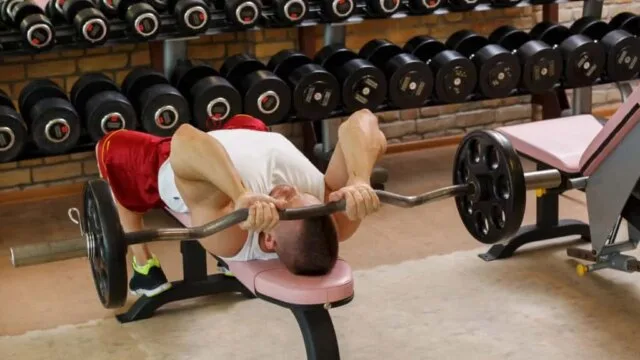
- Prioritize Resistance Training: This is non-negotiable for building and maintaining muscle mass. Aim for at least 2-3 sessions per week, targeting all major muscle groups. Use weights, resistance bands, or bodyweight exercises. Progressive overload (gradually increasing weight, reps, or sets) is key to continuous muscle growth. Consistency is more important than intensity initially.
- Optimize Protein Intake: Consume adequate protein to support muscle synthesis. Aim for 0.7-1 gram of protein per pound of body weight, spread throughout your meals. Good sources include lean meats, poultry, fish, eggs, dairy, legumes, and plant-based protein powders. This is critical, especially when trying to lose weight, as it helps preserve muscle. For more insights, check out How to Speed Up Muscle Recovery with Food (Expert Guide).
- Embrace a Balanced, Whole-Food Diet: Focus on nutrient-dense foods. Fill your plate with plenty of fruits, vegetables, whole grains, and healthy fats. Limit processed foods, sugary drinks, and excessive saturated/trans fats. A balanced diet provides the energy and micronutrients needed for optimal metabolic function and muscle health.
- Manage Calorie Intake Strategically: To reduce body fat, a modest caloric deficit is necessary. However, avoid extreme dieting, which can lead to muscle loss. Combine a slight caloric reduction with increased protein and resistance training to ensure fat loss while preserving muscle.
- Incorporate Regular Cardiovascular Exercise: While resistance training builds muscle, cardio helps with fat loss and improves cardiovascular health. Aim for at least 150 minutes of moderate-intensity cardio per week. This can include brisk walking, jogging, cycling, or swimming.
- Prioritize Sleep: Adequate sleep (7-9 hours per night) is vital for hormonal balance, muscle recovery, and appetite regulation. Poor sleep can disrupt hormones like cortisol and ghrelin, leading to increased fat storage and muscle breakdown.
- Stay Hydrated: Water is essential for every bodily function, including metabolism and nutrient transport to muscles. Drink plenty of water throughout the day.
- Manage Stress Effectively: Chronic stress elevates cortisol levels, which can promote fat storage and muscle breakdown. Incorporate stress-reduction techniques like meditation, yoga, or spending time in nature. For additional strategies, consider exploring Why You Feel Mentally Stuck and How Exercise Can Help You Cope.
- Consider Smart Supplementation (If Needed): While a whole-food diet is primary, certain supplements like Vitamin D, Omega-3 fatty acids, and creatine might be beneficial, especially for older adults or those with dietary restrictions. Always consult with a healthcare professional before starting any new supplements. Learn more about effective supplementation with Best Supplements & Equipment for Muscle Growth: A Complete 2026 Guide.
- Seek Professional Guidance: Work with a doctor, registered dietitian, or certified personal trainer to create a personalized plan tailored to your specific needs and health status. They can help monitor progress and adjust strategies as needed.
Key Takeaways for a Stronger, Healthier You 💧
- Sarcopenic obesity is a dangerous condition characterized by excessive body fat combined with low muscle mass, significantly increasing health risks.
- Research indicates that individuals with sarcopenic obesity are 83% more likely to die than those with healthy body compositions, underscoring the critical importance of muscle.
- The condition is driven by factors like sedentary lifestyles, poor nutrition, aging, chronic inflammation, and hormonal imbalances.
- Traditional diagnostic methods (like DEXA scans) are effective, but newer research suggests that simple measures like abdominal circumference and estimated lean mass can provide effective early screening.
- BMI alone is insufficient for assessing sarcopenic obesity, as it doesn’t differentiate between fat and muscle mass.
- Combating sarcopenic obesity requires a dual approach: prioritizing resistance training to build and preserve muscle and adopting a nutrient-dense, protein-rich diet to reduce body fat.
- Lifestyle factors such as adequate sleep, stress management, and proper hydration also play crucial roles in improving body composition and overall health.
- Early intervention through personalized exercise and nutrition plans is key to improving quality of life and reducing long-term health risks.
Frequently Asked Questions 🌞
How long does it take to reverse sarcopenic obesity?
Reversing sarcopenic obesity is a gradual process that can take several months to over a year, depending on the individual’s starting point, consistency, and adherence to lifestyle changes. Building muscle takes time, as does sustained fat loss. Consistency in resistance training, adequate protein intake, and a balanced diet are key for long-term success. Always consult with a healthcare professional for a personalized timeline and strategy.
Can you have sarcopenic obesity if your BMI is normal?
Yes, absolutely. This is often referred to as ‘skinny fat’ or normal-weight obesity. An individual can have a seemingly healthy BMI but still possess a high percentage of body fat and dangerously low muscle mass. This highlights why focusing solely on BMI can be misleading and why body composition (fat vs. muscle) is a more accurate indicator of metabolic health and risk for sarcopenic obesity.
Is it safe to exercise with sarcopenic obesity, especially for older adults?
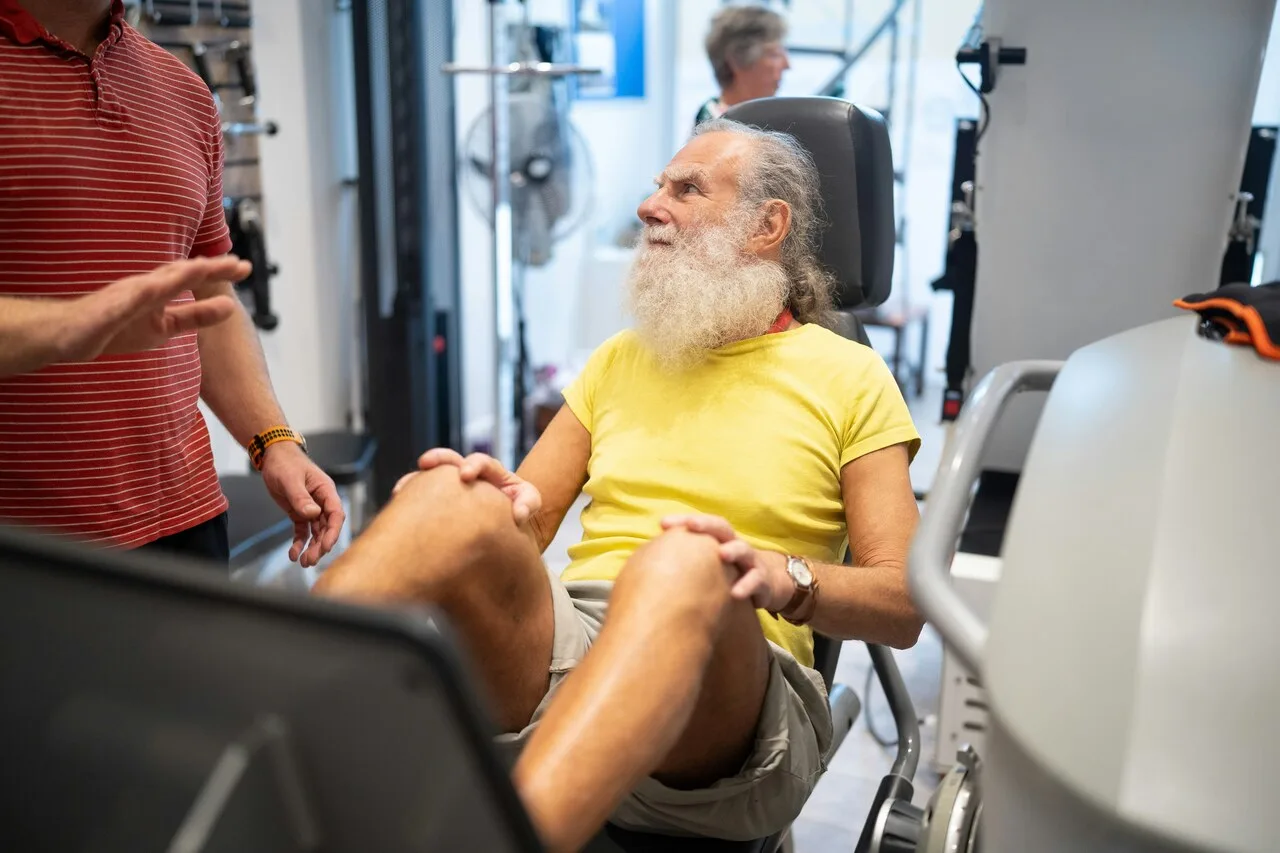
Not only is it safe, but it’s highly recommended and crucial for managing sarcopenic obesity, especially for older adults. However, it’s vital to start slowly and progressively. Consulting with a doctor and a qualified physical therapist or personal trainer experienced in working with older populations is essential. They can design a safe and effective exercise program that focuses on resistance training, balance, and flexibility, tailored to individual capabilities and health conditions.
What specific foods help to build muscle and reduce fat?
To build muscle and reduce fat, focus on a diet rich in lean protein sources (chicken breast, fish, eggs, Greek yogurt, tofu, legumes), complex carbohydrates (oats, quinoa, brown rice, sweet potatoes), healthy fats (avocado, nuts, seeds, olive oil), and plenty of fruits and vegetables. Adequate protein supports muscle synthesis, while fiber-rich carbohydrates and healthy fats provide sustained energy and satiety, aiding in fat loss. Limiting processed foods and added sugars is also critical.
The Bottom Line ✨
Sarcopenic obesity is a serious health concern that demands our attention, particularly as we age. The stark reality that losing muscle while gaining fat raises death risk by 83% underscores the profound importance of maintaining a healthy body composition. It’s not just about the number on the scale, but the quality of the weight you carry. By understanding the causes and embracing proactive lifestyle changes – particularly through consistent resistance training, optimal protein intake, and a balanced, whole-food diet – we can effectively combat this condition. Remember, muscle is more than just strength; it’s a vital organ that supports metabolism, protects against disease, and contributes significantly to your overall longevity and quality of life. Empower yourself with knowledge and take actionable steps today to build a stronger, healthier future. Always consult with a healthcare professional to tailor advice to your individual needs.
Sources:
How Healthy Are Your Habits?
10 quick questions · Get your personal wellness score