
The journey to understanding complex health challenges often leads us down unexpected paths, and few topics are as critical as breast cancer prevention. While early detection and treatment remain cornerstones of managing this pervasive disease, a growing focus is shifting towards primary prevention – identifying and mitigating risk factors before cancer even develops. One intriguing area of research that has garnered significant attention is the potential link between the bovine leukemia virus (BLV) and breast cancer. As a registered dietitian specializing in natural remedies and supplements, I’m always looking at the root causes and preventative measures that empower individuals to take charge of their health.
The Unseen Threat: Viruses and Cancer’s Origin Story 🌿
It might surprise you to learn that a significant portion of human cancers, estimated at about 20%, have an infectious origin. Viruses, in particular, possess a remarkable ability to influence our cellular machinery, potentially triggering cancer by activating oncogenes (cancer-promoting genes) or deactivating tumor-suppressor genes. Beyond direct genetic manipulation, some viruses contribute to tumor formation simply by inducing chronic inflammation, creating an environment ripe for cellular dysfunction and uncontrolled growth. This makes cancer-causing viruses a compelling subject in the ongoing quest to understand the direct causes of human breast cancer.
The idea that a virus could be involved in breast cancer isn’t entirely new. The history of this line of inquiry dates back roughly 40 years, rooted in the discovery of the mammary tumor virus in mice. Scientists observed a fascinating phenomenon: when baby mice from strains with a high incidence of mammary cancer were foster-nursed by mothers from low-incidence strains, their cancer risk mirrored that of their foster mothers, not their biological ones. This pivotal finding demonstrated that the transmission was environmental, not purely genetic. This revelation sparked a crucial question: if mice could be ‘foster-nursed’ into cancer risk, could humans be similarly influenced by their ‘foster’ nourishment – namely, cow’s milk?
Bovine Leukemia Virus: A Pervasive Presence 💪
The bovine leukemia virus (BLV) was identified as a cancer-causing virus in cows around the same time this mouse research was unfolding. What’s concerning is the alarming rate at which BLV has proliferated within U.S. dairy herds. Decades ago, only about 10% of U.S. dairy cows were infected. Today, that number is dramatically higher, with some estimates suggesting nearly half of all dairy cows are infected. Looking at herd-level data, the situation is even more stark: initial reports showed 66% of herds affected, which then climbed to 80% based on milk testing, and a staggering 100% in larger industrial farms. Current data indicates that more than 94% of U.S. herds are now affected, highlighting a persistent and unchecked spread of BLV.
This widespread infection in dairy herds raises critical questions about human exposure. Research confirms the presence of BLV in both beef and dairy products, with approximately half of tested samples showing positive results. The virus isn’t confined to the products themselves; it can be sampled from the air on dairy farms and on various surfaces. While pasteurization is a common practice for milk, many dairy products, such as raw, aged cheeses, bypass this process. Furthermore, the consumption of undercooked meat, like a hamburger that’s pink in the middle, also presents a potential route of exposure. This pervasive presence means that human contact with the bovine leukemia virus is not only possible but likely widespread.
Connecting the Dots: BLV, Dairy, and Breast Cancer Risk 🧠
For a long time, researchers have observed a correlation between dairy consumption and breast cancer incidence at a population level. Countries with higher milk consumption tend to exhibit higher rates of breast cancer. However, the link goes beyond broad national trends. Individual women who are lactose intolerant and, consequently, consume less dairy, also appear to have a decreased risk of breast cancer. This suggests that something within dairy products themselves could be contributing to cancer risk.
Milk contains various components that have been implicated in cancer promotion, including saturated fats and growth hormones like IGF-1 (Insulin-like Growth Factor 1). However, the potential role of the bovine leukemia virus adds another layer to this complex picture. The critical piece of evidence linking BLV to human breast cancer emerged in 2015, when studies revealed that infection rates with the virus were significantly highest in cancerous breast tissue compared to healthy tissue. This finding was monumental, suggesting that as many as 37% of breast cancer cases could potentially be attributed to exposure to the bovine leukemia virus.
“Overall, it is estimated that 20% of all human cancers have an infectious origin, and research suggests that up to 37% of breast cancer cases may be attributable to exposure to the bovine leukemia virus.”
As a dietitian, I often emphasize that our food choices are powerful. Understanding potential infectious agents in our food supply, like the bovine leukemia virus, is crucial for making informed decisions. While the direct causal link is still under active investigation, the evidence pointing to human infection and its prevalence in cancerous tissue warrants serious consideration when discussing breast cancer prevention strategies, especially those related to diet and natural remedies.
Natural Remedies to Support Breast Health and Immunity 🌿
As a registered dietitian specializing in natural remedies, I believe nature provides powerful tools to support cellular health and reduce cancer risk. While no herb or supplement can guarantee cancer prevention, these evidence-informed natural remedies can strengthen your body’s defenses:
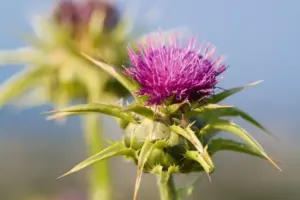
Milk Thistle (Silymarin): One of the most well-researched herbs for liver detoxification. Silymarin, its active compound, supports the liver’s ability to filter toxins and potential pathogens from the bloodstream, making it particularly relevant when considering viral exposure through food.
Turmeric (Curcumin): A potent anti-inflammatory and antioxidant compound. Curcumin has been extensively studied for its potential anti-cancer properties, including its ability to inhibit tumor cell growth and reduce chronic inflammation — a key driver of cancer development.
Green Tea Extract (EGCG): Rich in epigallocatechin gallate, one of the most powerful antioxidants found in nature. Studies suggest EGCG may help suppress tumor growth and support immune function.
Medicinal Mushrooms (Reishi, Turkey Tail, Maitake): These fungi are rich in beta-glucans, compounds known to modulate and strengthen immune response. Turkey tail mushroom in particular has been studied in cancer research for its immune-supporting properties.
Vitamin D3: Often called the “sunshine vitamin,” adequate Vitamin D levels are strongly associated with reduced breast cancer risk. Many people are deficient, making supplementation worth discussing with your healthcare provider.
Zinc: Essential for immune function and cellular repair. Zinc helps maintain the integrity of your immune system’s ability to identify and neutralize abnormal cells.
Astragalus Root: A traditional adaptogenic herb used in Chinese medicine for centuries to boost immunity and support the body’s natural defenses against pathogens.
Selenium: A trace mineral with powerful antioxidant properties, selenium supports DNA repair mechanisms and has been studied for its role in cancer prevention.
Always consult with a qualified healthcare professional before starting any herbal or supplement regimen, as some may interact with medications or existing health conditions.
Understanding Your Risk: Practical Tips for Wellness 🥦
Given the research on bovine leukemia virus and its potential link to breast cancer, what can you do to support your health? As a registered dietitian focused on natural remedies and supplements, I advocate for a holistic approach that prioritizes whole foods and minimizes exposure to potential risks. While more research is needed to definitively establish causation and quantify individual risk, these practical tips can empower you to make informed dietary choices and support your overall well-being:
- Opt for Plant-Based Dairy Alternatives: Reduce your consumption of conventional dairy products by exploring a wide array of delicious and nutritious plant-based milks (almond, soy, oat, cashew), yogurts, and cheeses. These alternatives often come with added benefits like fiber and essential vitamins.
- Prioritize Organic and Grass-Fed Meats: If you consume meat, choose organic and grass-fed options. While not a guaranteed solution, these practices often involve stricter animal welfare standards and may reduce exposure to various pathogens, including viruses like BLV.
- Ensure Meats Are Thoroughly Cooked: Always cook meat to its recommended internal temperature to kill potential pathogens, including viruses. Avoid consuming undercooked or rare meat products to minimize risk.
- Embrace a Whole Food, Plant-Rich Diet: Focus on a diet rich in fruits, vegetables, whole grains, legumes, nuts, and seeds. This provides a wealth of antioxidants, fiber, and phytonutrients that support cellular health and overall immunity, creating a robust defense against various diseases. For more on supporting overall vitality, consider exploring How to Reclaim Your Authentic Self for Lasting Health and Vitality (Natural Guide).
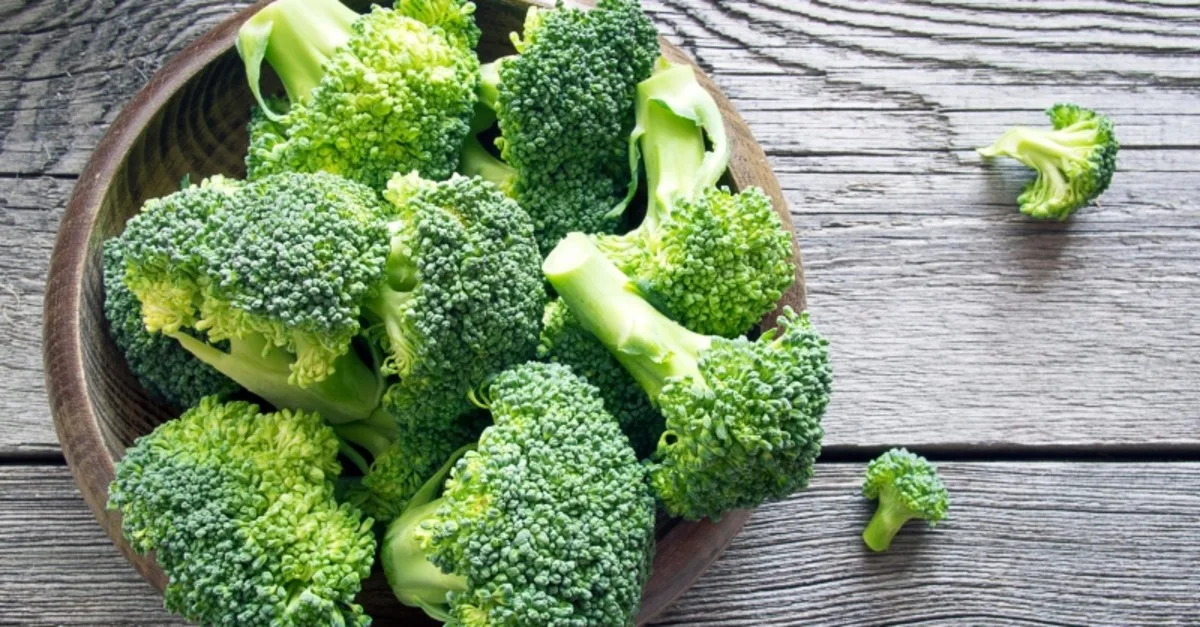
- Support Liver Detoxification: A healthy liver is your body’s primary filter against toxins and pathogens. Incorporate cruciferous vegetables (broccoli, cauliflower, kale), leafy greens, and powerful herbs like milk thistle, dandelion root, and burdock root to support natural detoxification pathways. Drinking warm lemon water each morning can also gently stimulate liver function and bile production.
- Boost Your Immune SystemNatural Remedies:A strong immune system is your body’s first line of defense against viral pathogens. Ensure adequate intake of Vitamin C, Vitamin D3, and Zinc through food and supplementation where needed. Consider adding reishi or turkey tail mushroom supplements, known for their immune-modulating beta-glucans. Elderberry syrup and echinacea are also well-regarded natural remedies for supporting immune resilience. Always consult a healthcare professional before adding new supplements.
- Stay Hydrated: Drinking plenty of clean, filtered water is essential for all bodily functions, including immune health and waste elimination.
- Regular Health Check-ups: Maintain regular screenings and discussions with your healthcare provider about your personal risk factors for breast cancer and appropriate preventative measures.
Frequently Asked Questions ✨
What is the bovine leukemia virus (BLV)?
The bovine leukemia virus (BLV) is a retrovirus that infects cattle and can cause a type of cancer called enzootic bovine leukosis. While it primarily affects cows, recent research suggests a potential link to human health, specifically breast cancer. The virus is widespread in dairy and beef herds, particularly in industrial farming operations.
How could BLV be transmitted to humans?
Humans can be exposed to BLV through the consumption of infected dairy products and meat. Studies have found the virus present in milk and beef samples. While pasteurization can reduce viral load, some dairy products are consumed raw, and undercooked meat can also be a source of exposure. The virus has also been detected in the environment of dairy farms.
Is there definitive proof that BLV causes breast cancer in humans?
While research has identified a significant correlation between BLV infection and breast cancer, with the virus being found at higher rates in cancerous breast tissue, it is important to note that a direct causal link has not been definitively established in humans. The current evidence suggests a strong association and warrants further investigation into BLV as a potential contributing factor to breast cancer development.
What dietary changes can I make based on this information?
To potentially reduce exposure to BLV and other factors that may contribute to breast cancer risk, consider reducing your intake of conventional dairy and opting for plant-based alternatives. If you consume meat, choose organic, grass-fed options and ensure they are thoroughly cooked. Prioritizing a whole-food, plant-rich diet rich in fruits, vegetables, and whole grains is a robust strategy for overall health and cancer prevention. Always discuss significant dietary changes with a healthcare professional or registered dietitian.
Key Takeaways 💧
- The incidence of breast cancer continues to rise globally, highlighting the urgent need for effective primary prevention strategies.
- A significant percentage of human cancers, including breast cancer, may have an infectious origin, with viruses playing a notable role.
- The bovine leukemia virus (BLV) is highly prevalent in U.S. dairy herds, with over 94% of herds now affected, representing a substantial increase over recent decades.
- BLV has been detected in dairy products and meat, and there is evidence that humans are exposed to and infected by the virus.
- Studies show that BLV infection rates are highest in cancerous breast tissue, suggesting a potential link where up to 37% of breast cancer cases could be attributable to BLV exposure.
- Reducing consumption of conventional dairy and ensuring thorough cooking of meat are practical steps individuals can take to potentially mitigate risk.
- Embracing a whole-food, plant-rich diet and supporting overall immune health are vital for comprehensive cancer prevention.
The Bottom Line ❤️
The emerging research on the bovine leukemia virus and its potential connection to breast cancer offers a compelling new perspective on preventative health. As a registered dietitian, I see this as another powerful reminder that our diet and lifestyle choices have profound impacts on our long-term health. While the scientific community continues to explore the exact mechanisms and extent of BLV’s role, the available evidence encourages us to be more mindful about our food sources and to prioritize practices that support robust cellular health and immunity.
Reducing exposure to potential viral agents through informed dietary choices, such as exploring plant-based alternatives to conventional dairy and ensuring proper food preparation, aligns perfectly with a holistic wellness philosophy. This isn’t about fear, but about empowerment—equipping ourselves with knowledge to make the best decisions for our bodies. Always remember to consult with your healthcare provider for personalized advice, especially when considering significant changes to your diet or health regimen. Together, we can navigate these complex health landscapes and strive for a future of proactive wellness and vitality.
Sources:
- Could Bovine Leukemia Virus be a Cause of Breast Cancer?
- Therapeutic roles of curcumin: lessons learned from clinical trials
- Astragalus membranaceus: A Review of its Protection Against Inflammation and Gastrointestinal Cancers
How Healthy Are Your Habits?
10 quick questions · Get your personal wellness score