In the quest for a longer, healthier life, many turn to natural remedies and supplements, seeking insights into how everyday dietary choices impact our well-being. One question that frequently arises in wellness circles is: Do nuts and peanut butter affect longevity? The answer, as with many aspects of nutrition, is nuanced and backed by compelling research. As a registered dietitian specializing in natural health, I’m here to unpack what studies suggest about these popular pantry staples and their role in extending our lifespan.
Understanding the Global Impact of Diet on Longevity 🌿
It’s no secret that diet plays a monumental role in our overall health. However, the sheer scale of its impact is often underestimated. According to the largest study ever conducted on risk factors for human mortality, a poor diet is a more significant cause of death globally than any other factor. To put this into perspective, while cigarettes account for approximately 8 million deaths annually, dietary deficiencies and imbalances contribute to millions more.
What exactly are the most detrimental aspects of modern diets? Surprisingly, it’s not just ultra-processed foods or sugary drinks. Research points to five primary culprits: insufficient fruit intake, inadequate whole grain consumption, a scarcity of vegetables, excessive salt, and perhaps most relevant to our discussion, a lack of nuts and seeds. This highlights a critical area where many of us can make significant improvements for long-term health benefits.
The link between diet and chronic disease is well-established. Conditions like heart disease, diabetes, and certain cancers are heavily influenced by what we eat. Prioritizing a diet rich in whole, unprocessed foods, including beneficial natural remedies and supplements, is a cornerstone of preventive health. For a deeper dive into managing inflammation through diet, you might find this article insightful: What Foods Cause Inflammation and How to Reduce It.
The Power of Whole Nuts: More Than Just a Snack 💪
A 2025 systematic review and meta-analysis published in Archives of Cardiovascular Diseases confirmed that nut consumption is associated with reduced risk of cardiovascular disease and all-cause mortality, reinforcing their role in primary disease prevention.
Nuts have long been lauded for their health benefits, and for good reason. Numerous interventional trials have demonstrated that regular nut consumption can significantly improve artery function, a crucial factor in preventing cardiovascular diseases – some of our leading causes of death. But the benefits extend far beyond just heart health.
Studies indicate that nuts can also:
- Improve Blood Sugar Control: Their healthy fats, protein, and fiber content help stabilize blood glucose levels.
- Lower Cholesterol: Monounsaturated and polyunsaturated fats in nuts can help reduce LDL (bad) cholesterol.
- Suppress Inflammation: Rich in antioxidants and anti-inflammatory compounds, nuts help combat systemic inflammation, a root cause of many chronic diseases. If you’re struggling with persistent inflammation, consider reading Why You’re Still Inflamed Even Though You’re Doing Everything Right (Expert Guide).
- Reduce Oxidative Stress: Antioxidants like Vitamin E and selenium protect cells from damage caused by free radicals.
- Nourish Gut Flora: The fiber in nuts acts as a prebiotic, feeding beneficial gut bacteria, which is vital for digestive health and immunity.
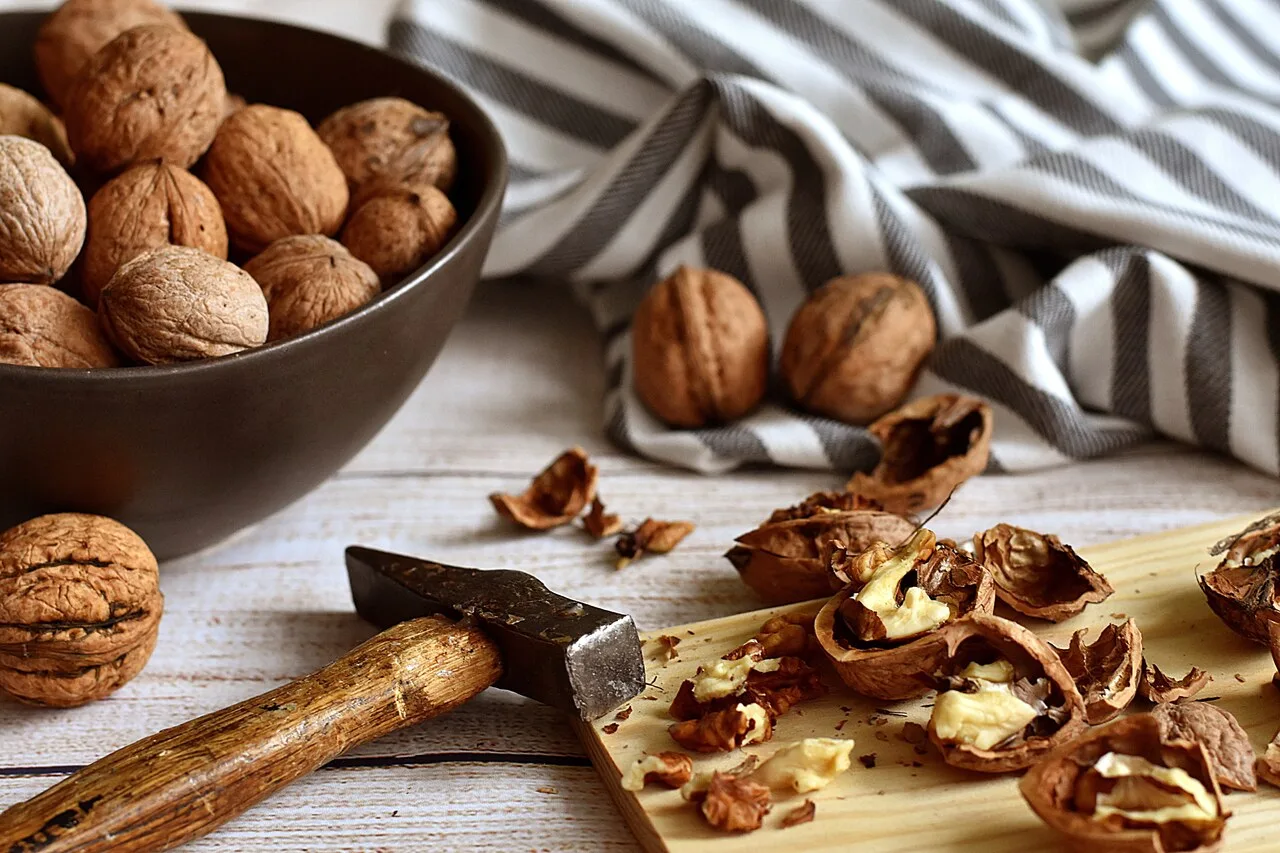
These comprehensive benefits apply to a wide range of nuts, including tree nuts like almonds, walnuts, pecans, and cashews. The evidence is compelling enough to recommend incorporating nuts into your diet regularly, aiming for at least three times a week to maximize their protective effects.
Peanuts vs. Tree Nuts: A Nutritional Distinction 🧠
While often grouped with tree nuts, peanuts are technically legumes. This distinction sometimes raises questions about whether they offer the same health advantages. Interestingly, a meta-analysis of various studies confirms that whole peanuts provide similar nut-like benefits, including protection against various causes of mortality.
So, if whole peanuts are just as beneficial, why might there be a difference when it comes to peanut butter and its association with longevity? This brings us to a fascinating aspect of food processing and its impact on nutritional efficacy.
The Peanut Butter Paradox: Why Processing Matters ✨
Roughly half of all peanut consumption in the United States comes in the form of peanut butter. Given the robust evidence for whole nuts, one would expect peanut butter to confer similar longevity benefits. However, a landmark study, the National Institutes of Health-AARP study – the largest prospective health and diet investigation in history, tracking over half a million individuals since the 1990s – revealed a surprising finding.
Researchers found that general nut consumption appeared to protect against all-cause mortality, meaning nut-eaters live—on average—longer lives. Specifically, they were less likely to die from cancer, cardiovascular disease, liver disease, respiratory disease, kidney disease, and infectious causes. However, no such associations were found for peanut butter.
This suggests that when it comes to extending lifespan, peanut butter doesn’t seem to offer the same protective effects as whole nuts. What could explain this discrepancy?
Beyond Lifestyle Factors
Initially, one might assume that peanut butter consumers simply have less healthy lifestyles. The researchers considered this, controlling for factors such as meat consumption, smoking habits, exercise levels, alcohol intake, fruit and vegetable consumption, and education. Even after adjusting for these variables, the lack of association for peanut butter persisted. It wasn’t simply a case of peanut butter eaters consuming more unhealthy white bread sandwiches. However, it’s worth noting that the study did not control for sugar intake, suggesting that the common pairing of peanut butter with sugary jellies or other sweet additions could play a role.
The Impact of Processing
Another potential explanation lies in the processing itself. Many commercial peanut butters contain added trans fats, oils, salt, and sugar. While some whole nuts are also consumed with added ingredients (e.g., salted or roasted), the level of processing in peanut butter is generally more extensive.
The Crucial Role of Cellular Structure
Perhaps the most compelling explanation for the difference between whole nuts and nut butters, even those labeled as ‘natural’ or ‘no-sugar-added,’ lies in their cellular structure. As highlighted in discussions on optimal nutrition, the intact cellular structure of whole or chopped nuts is critical. Even with thorough chewing, some nutrients remain encapsulated within tiny particles. These particles travel through the digestive system, delivering a valuable bounty of prebiotic goodness to our friendly gut bacteria.
When nuts are ground into a butter, this cellular structure is largely broken down. While the nutrients are still present, their delivery mechanism to the gut microbiome changes. This alteration might impact how our bodies absorb and utilize these nutrients, particularly regarding their prebiotic effects and subsequent influence on overall health and longevity. It makes me wonder if there’s a difference even between chunky and smooth peanut butter, given the varying degrees of cellular breakdown.
Practical Tips for Maximizing Nut Benefits 🥦
As a registered dietitian, my goal is to provide actionable advice that empowers you to make informed choices. Incorporating nuts effectively into your diet can be a simple yet powerful step towards a healthier, longer life. Here are some practical tips:
- Choose Whole, Raw Nuts: Opt for raw, unsalted nuts whenever possible. Roasting can diminish some delicate nutrients, and added salt can counteract cardiovascular benefits.
- Variety is Key: Don’t stick to just one type of nut. Enjoy a mix of almonds, walnuts, pecans, cashews, and Brazil nuts to benefit from their diverse nutrient profiles.
- Portion Control: While healthy, nuts are calorie-dense. A small handful (about 1-2 ounces) daily is generally sufficient to reap the benefits without excess calories.
- Integrate into Meals: Sprinkle chopped nuts over oatmeal, salads, yogurt, or stir-fries. They add crunch, flavor, and a nutritional boost.
- Consider Soaking/Sprouting: For some nuts, soaking or sprouting can improve digestibility and nutrient absorption. Research this for specific nut types if you’re interested in advanced preparation techniques.
- Make Your Own Nut Butter (Mindfully): If you love nut butter, consider making your own from whole nuts. While it still breaks down cellular structure, you control the ingredients, avoiding added sugars, salts, and unhealthy oils.
- Prioritize Whole Peanuts: If you enjoy peanuts, lean towards whole, unsalted roasted peanuts over highly processed peanut butter for the most significant longevity benefits.
- Read Labels Carefully: When buying any nut product, always check the ingredient list for hidden sugars, unhealthy oils, and excessive sodium.
Frequently Asked Questions ✨
Can I still enjoy peanut butter?
Absolutely! The research doesn’t suggest that peanut butter is inherently bad, but rather that it may not offer the same longevity benefits as whole nuts. Enjoy it in moderation, and opt for natural varieties with minimal added ingredients. Pairing it with fruit or whole-grain bread is a healthier choice than sugary jellies.
Are all nut butters the same as peanut butter regarding longevity?
The specific NIH-AARP study focused on peanut butter. However, the principle of cellular structure degradation during processing likely applies to other nut butters as well. While almond butter or cashew butter are nutritious, consuming whole almonds or cashews might offer superior benefits, particularly for gut health and overall longevity.
What about organic vs. conventional nuts?
Choosing organic nuts can help you avoid pesticide residues, which aligns with a natural remedies approach to wellness. However, even conventional whole nuts offer significant health benefits compared to highly processed alternatives.
How much is ‘enough’ nuts for health benefits?
Compelling evidence suggests aiming for at least three servings of nuts per week (a serving being about a small handful or 1-1.5 ounces) to maximize their protective effects against various causes of mortality. Consistency is more important than large, infrequent consumption.
Key Takeaways ❤️
- A poor diet is a leading cause of death globally, with insufficient nut and seed intake being a significant factor.
- Whole nuts are strongly linked to decreased all-cause mortality, protecting against heart disease, cancer, respiratory disease, and more.
- Benefits of whole nuts include improved artery function, better blood sugar control, lower cholesterol, reduced inflammation, and enhanced gut health.
- Whole peanuts offer similar longevity benefits to tree nuts.
- Peanut butter, despite being derived from peanuts, does not show the same association with increased longevity as whole nuts.
- The difference is likely due to the intact cellular structure of whole nuts, which provides superior prebiotic benefits, and potentially the added ingredients (sugar, salt, unhealthy oils) in many commercial peanut butters.
- Prioritize whole, raw, unsalted nuts and peanuts in your diet to maximize their health-promoting and longevity-boosting potential.
- Always consult a healthcare professional or registered dietitian for personalized dietary advice, especially if you have underlying health conditions.
The Bottom Line
The journey to optimal health and longevity is paved with mindful dietary choices. While many natural remedies and supplements play a role, sometimes the most profound impacts come from simple, whole foods. The research is clear: whole nuts are a powerhouse of nutrition, offering significant protection against a myriad of diseases and contributing to a longer, healthier life. While peanut butter can be a part of a balanced diet, it’s crucial to understand that it may not deliver the same profound longevity benefits as its whole-food counterpart. By prioritizing whole nuts and making conscious choices about processed foods, we can harness the incredible power of nature to support our well-being and live vibrantly for years to come. For more on cultivating overall wellness, explore Unlocking Your Wellness Blueprint: Natural Paths to Emotional & Physical Balance.
Sources:
- Are Nuts and Peanut Butter Linked to a Longer Life?
- Nut consumption and risk of cardiovascular disease events and all-cause mortality: A systematic review and dose-response meta-analysis. Archives of Cardiovascular Diseases
How Healthy Are Your Habits?
10 quick questions · Get your personal wellness score