
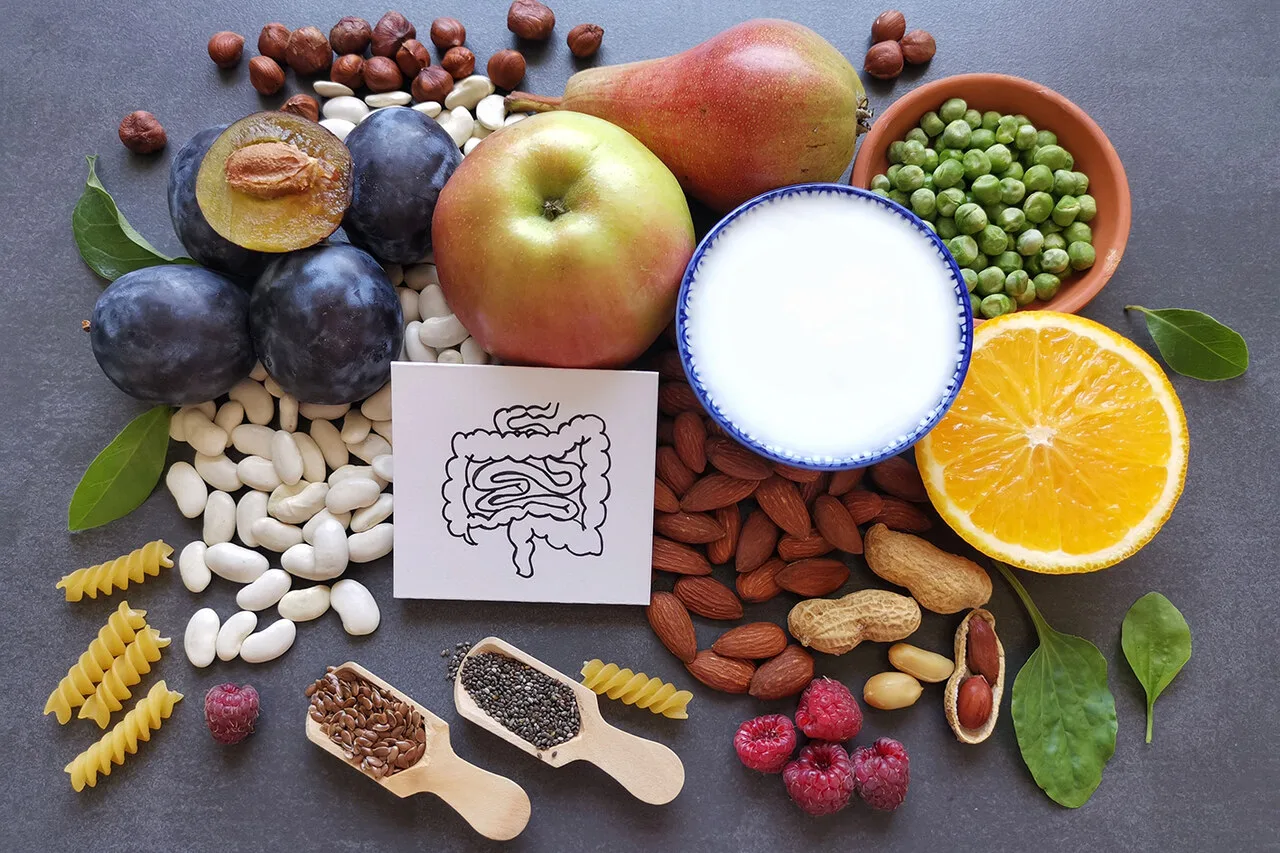
As a registered dietitian specializing in gut health, I’ve seen firsthand the profound impact of Irritable Bowel Syndrome (IBS) on individuals’ lives. This common yet complex condition affects millions globally, often causing significant discomfort and distress. While it doesn’t cause visible damage to the digestive tract like inflammatory bowel diseases, its symptoms — ranging from urgent diarrhea to persistent constipation and severe abdominal pain — can be debilitating. Understanding what IBS is, why it happens, and how to manage it is crucial for anyone experiencing these challenging symptoms, and for those who support them.
Understanding the Silent Struggle of IBS 🌿
Imagine planning your entire day around the nearest bathroom, or forgoing social gatherings and exercise simply out of fear of a sudden flare-up. This isn’t a hypothetical scenario for many of the 14% of adults affected by IBS. The condition, often dubbed ‘spastic colon,’ is the most commonly diagnosed digestive disorder worldwide. Unlike conditions like Crohn’s disease, IBS doesn’t show up on diagnostic imaging with inflammation or tissue damage. For years, this led to the misconception that IBS was ‘all in one’s head,’ a purely psychological issue.
However, modern understanding paints a different picture. Experts now classify IBS as a functional neuro-gastrointestinal disorder. This means the communication pathway between the gut and the brain — often referred to as the gut-brain axis — isn’t functioning optimally. This miscommunication can lead the brain to interpret normal digestive sensations as pain and can disrupt typical bowel movements. The pervasive worry associated with IBS symptoms, known as gastrointestinal-specific anxiety, can severely diminish quality of life, sometimes even more so than conditions like heart disease or diabetes. How Childhood Stress Affects Gut & Brain Health (Nutrition Fix) explores related concepts.
The Gut-Brain Connection: A Deeper Dive into IBS Origins 🧠
The intricate relationship between our gut and brain is a fascinating area of research, particularly when it comes to conditions like IBS. The vagus nerve, a major component of the gut-brain axis, acts as a two-way highway, transmitting signals that influence everything from digestion to mood. In individuals with IBS, this communication can become dysregulated, leading to heightened sensitivity in the gut and altered motility.
Several factors are believed to contribute to the development and exacerbation of IBS. These include:
- Genetics: A family history of IBS can increase an individual’s susceptibility.
- Gut Microbiome Imbalance: An altered balance of bacteria in the gut, known as dysbiosis, is frequently observed in IBS patients. This can affect nutrient absorption, immune function, and the production of neurotransmitters.
- Post-Infectious IBS: Some people develop IBS after a severe gastrointestinal infection, suggesting a link between gut inflammation and the onset of symptoms.
- Stress and Anxiety: While not the sole cause, psychological stress can significantly impact gut function and intensify IBS symptoms. The gut is highly sensitive to stress hormones, which can alter gut motility and permeability.
- Food Sensitivities: Certain foods, particularly those high in FODMAPs (Fermentable Oligosaccharides, Disaccharides, Monosaccharides, and Polyols), can trigger symptoms in sensitive individuals.
- Visceral Hypersensitivity: The nerves in the gut may become overly sensitive to normal digestive processes, leading to exaggerated pain signals.
Understanding these underlying mechanisms is key to developing effective management strategies that address the root causes, not just the symptoms. How to Boost Your Gut Health, Sleep, and Cellular Defense for Optimal Wellness (Expert Guide) provides further insights into supporting gut health.
Decoding Your Digestive Signals: What Your Bowel Habits Tell You 💪
One of the most telling indicators of digestive health, especially in IBS, is the nature of your bowel movements. The Bristol Stool Chart is a simple yet powerful tool that can help you understand what your body is trying to tell you. It categorizes stool into seven types, from separate hard lumps to entirely liquid. For someone with IBS, understanding their typical stool pattern is crucial for identifying their specific subtype of IBS:
- IBS-D (Diarrhea-predominant): Characterized by frequent loose or watery stools (Type 6-7 on the Bristol Chart), often with urgency and abdominal pain.
- IBS-C (Constipation-predominant): Defined by infrequent, hard, or lumpy stools (Type 1-2 on the Bristol Chart), often accompanied by straining and a feeling of incomplete evacuation.
- IBS-M (Mixed/Alternating): Individuals experience both diarrhea and constipation, often alternating between the two patterns.
- IBS-U (Unclassified): Symptoms don’t fit neatly into the other categories.
As a dietitian, I encourage my clients to pay close attention to these details. Tracking your bowel habits, along with food intake and symptoms, can provide invaluable information for your healthcare team, helping to tailor a more effective treatment plan. It’s not just about the frequency, but also the consistency and any associated pain or discomfort. This observational practice empowers you to become an active participant in managing your condition.
Navigating Dietary Triggers and Finding Safe Foods 🥦
Diet plays a pivotal role in managing IBS symptoms, but identifying specific triggers can feel like navigating a minefield. What works for one person with IBS might exacerbate symptoms in another. This is where a systematic approach, often guided by a registered dietitian, becomes indispensable.
The Low-FODMAP Diet: A Powerful Tool
One of the most evidence-based dietary interventions for IBS is the Low-FODMAP diet. FODMAPs are types of carbohydrates that are poorly absorbed in the small intestine and can ferment in the colon, drawing water into the bowel and producing gas. This can lead to bloating, pain, and altered bowel habits in sensitive individuals. The diet involves three phases:
- Elimination Phase: Temporarily restrict high-FODMAP foods for 2-6 weeks to see if symptoms improve. This includes foods like wheat, certain fruits (apples, pears, mangoes), some vegetables (onions, garlic, cauliflower), dairy, and legumes.
- Reintroduction Phase: Systematically reintroduce one FODMAP group at a time to identify specific triggers and individual tolerance levels. This phase is critical and should ideally be done under the guidance of a dietitian.
- Personalization Phase: Once triggers are identified, you can build a personalized diet that minimizes symptoms while maximizing nutritional variety.
It’s important to remember that the low-FODMAP diet is not meant to be a permanent solution for everyone. Its primary goal is to identify triggers so you can reintroduce as many foods as possible without experiencing symptoms. Many ‘safe’ foods are naturally low in FODMAPs, including:
- Lean proteins (chicken, fish, eggs)
- Certain grains (rice, quinoa, oats)
- Specific fruits (bananas, blueberries, oranges, strawberries)
- Many vegetables (carrots, spinach, potatoes, bell peppers)
- Lactose-free dairy alternatives
Working with a dietitian can help ensure nutritional adequacy during the elimination phase and guide you through the reintroduction process effectively. Why Your Diet Matters: Impact on Metabolism, Behavior, and Disease Risk further emphasizes the importance of personalized nutrition.
Practical Tips for Managing IBS Symptoms ✨
Beyond specific diets, several lifestyle modifications can significantly improve IBS symptoms and overall quality of life. As a health coach, I empower my clients to implement these changes gradually and consistently.
- Prioritize Stress Management: Given the strong gut-brain connection, stress reduction is paramount. Practice mindfulness, meditation, deep breathing exercises, yoga, or spend time in nature. Even short bursts of relaxation throughout the day can make a difference.
- Regular Physical Activity: Moderate exercise can help regulate bowel function, reduce stress, and improve mood. Aim for at least 30 minutes of moderate-intensity activity most days of the week. However, be mindful of intense exercise, which can sometimes trigger symptoms in some individuals.
- Ensure Adequate Hydration: Drinking plenty of water is essential for digestive health, especially if you experience constipation. Aim for 8-10 glasses of water daily, and more if you are active or in a hot climate.
- Maintain a Consistent Eating Schedule: Eating meals and snacks at regular times can help regulate bowel movements and prevent overeating, which can exacerbate symptoms. Avoid skipping meals and large, heavy meals, especially before bed.
- Improve Sleep Hygiene: Poor sleep can worsen IBS symptoms and increase stress levels. Establish a regular sleep schedule, create a relaxing bedtime routine, and ensure your bedroom is dark, quiet, and cool.
- Consider Probiotics: Certain probiotic strains have shown promise in alleviating IBS symptoms, particularly bloating and abdominal pain. Consult with a healthcare professional to determine if probiotics are right for you and which strains might be most beneficial.
- Keep a Symptom Journal: Track your food intake, symptoms, stress levels, and bowel movements. This can help you identify patterns and triggers that might otherwise go unnoticed, providing valuable data for your healthcare provider.
- Chew Your Food Thoroughly: Digestion begins in the mouth. Chewing food slowly and thoroughly aids in the mechanical breakdown of food, reducing the burden on your digestive system and potentially minimizing gas and bloating.
Frequently Asked Questions About IBS ❤️
Is IBS a lifelong condition?
IBS is often considered a chronic condition, meaning it can persist for a long time. However, it’s characterized by periods of remission and flare-ups. With effective management strategies, including dietary changes, lifestyle adjustments, and sometimes medication, many individuals can achieve significant symptom control and live full, active lives. It’s not necessarily a condition that gets progressively worse over time, and symptoms can improve or even disappear for extended periods.
Can stress alone cause IBS?
While stress doesn’t directly cause IBS in the same way a bacterial infection might, it plays a significant role in exacerbating symptoms and influencing the gut-brain axis. The gut is highly sensitive to stress hormones, which can alter gut motility, increase visceral sensitivity, and impact the gut microbiome. Therefore, while not the sole cause, chronic stress can certainly trigger or worsen IBS symptoms, making stress management a critical component of treatment.
Are there any medications for IBS?
Yes, several medications are available to help manage IBS symptoms, depending on the predominant type of IBS (constipation-predominant, diarrhea-predominant, or mixed). These can include fiber supplements, laxatives, anti-diarrheals, antispasmodics, and certain antidepressants that can help with pain modulation. Newer medications specifically target IBS mechanisms, such as linaclotide for IBS-C or rifaximin for IBS-D. It’s essential to discuss medication options with your doctor to find the most appropriate treatment for your specific symptoms.
How do I know if my symptoms are IBS or something more serious?
It’s crucial to consult a healthcare professional for an accurate diagnosis. While IBS is common, its symptoms can overlap with more serious conditions like inflammatory bowel disease (Crohn’s, ulcerative colitis), celiac disease, or even certain cancers. Your doctor will typically rule out these conditions through various tests, such as blood work, stool tests, and possibly colonoscopy. ‘Red flag’ symptoms that warrant immediate medical attention include unintentional weight loss, blood in stool, fever, severe or persistent pain that wakes you from sleep, and anemia.
In a study of nearly 2,000 people with irritable bowel syndrome, many reported they would trade 10 to 15 years of life expectancy for an instant cure for their condition.
The Bottom Line
Living with Irritable Bowel Syndrome can be incredibly challenging, impacting not just physical comfort but also mental well-being and social life. However, it’s crucial to remember that you have options. By understanding the nature of IBS as a functional neuro-gastrointestinal disorder, paying attention to your body’s signals, and implementing evidence-based lifestyle and dietary strategies, significant symptom relief is achievable.
As a registered dietitian, I’ve witnessed the transformative power of personalized nutrition and lifestyle changes. While the journey to managing IBS can be complex, involving identification of triggers, stress reduction, and consistent healthy habits, the results are often life-changing. Always remember to consult with a healthcare professional, such as your doctor or a dietitian, to develop a comprehensive and individualized plan. You don’t have to navigate IBS alone – support and effective strategies are available to help you reclaim your health and live the life you desire.
Sources:
- Over a Tenth of Your Clients Are Dealing With IBS—And Here’s How to Help
- Global Prevalence of and Risk Factors for Irritable Bowel Syndrome: A Meta-Analysis
How Healthy Are Your Habits?
10 quick questions · Get your personal wellness score