
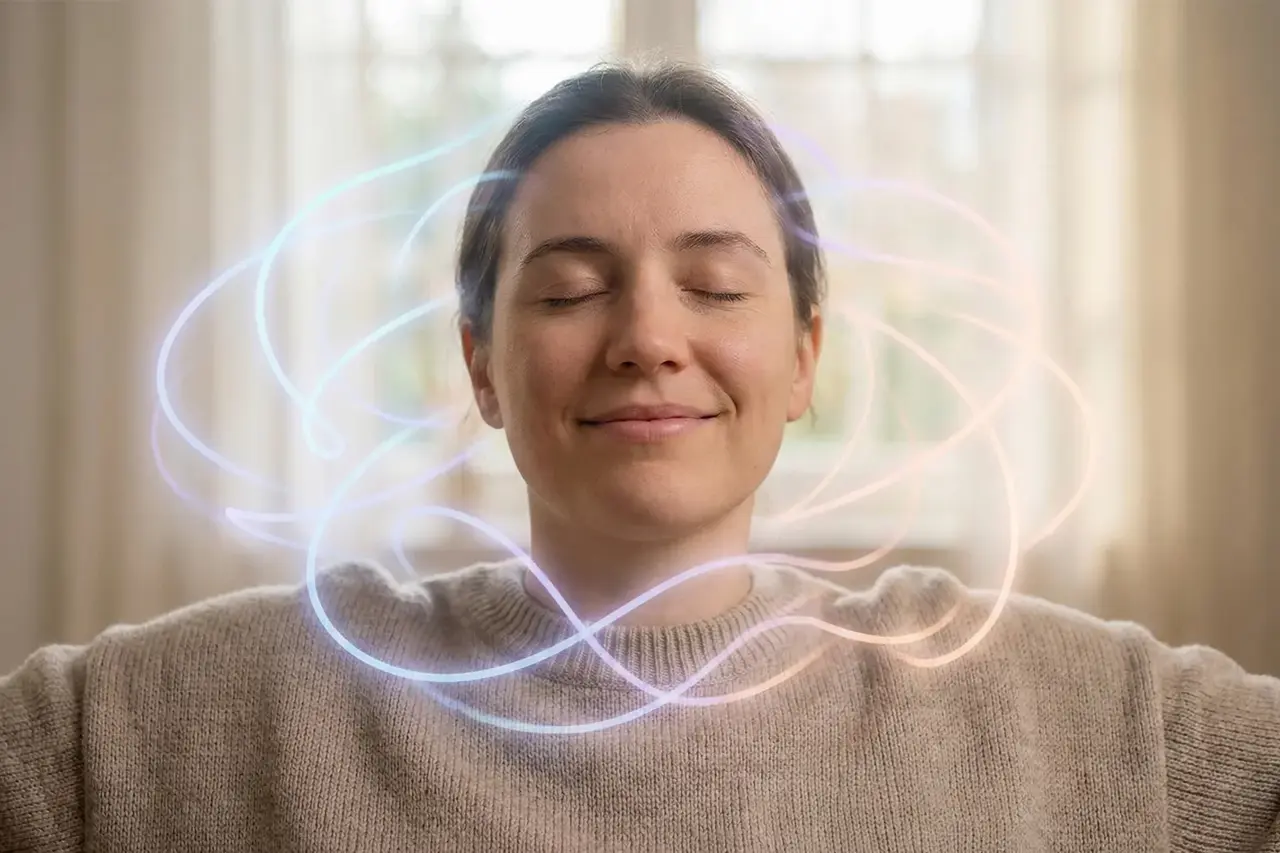
Living with chronic illness can feel like navigating an entirely different reality, a constant battle where your own body seems to work against you. The journey often involves not just physical symptoms but also a profound impact on mental well-being, challenging our sense of self and capacity for joy. For those seeking pathways to greater resilience and peace, understanding how to use mindfulness and hypnosis for chronic illness offers powerful, complementary strategies to conventional medical care. As a psychologist specializing in mind-body interventions, I’ve seen firsthand how these practices can help individuals reclaim agency and cultivate a more harmonious relationship with their bodies, even amidst ongoing challenges.
The Body’s Alarm System: Understanding Chronic Threat Response 🧠
Our bodies are incredible survival machines, equipped with a finely tuned alarm system designed to detect and respond to danger. This system, primarily governed by our nervous system, has ensured our survival through countless generations. When we encounter an acute threat, it mobilizes resources, preparing us to fight, flee, or freeze. This is an essential, life-saving mechanism.
However, in the context of chronic illness or persistent pain, this adaptive system can become overactive. Instead of responding to immediate, life-threatening danger, it can begin to perceive ongoing symptoms, stress, or even minor environmental changes as significant threats. This sustained activation leads to a state of chronic high alert, where the body’s warning signals fire repeatedly, often escalating the experience of pain and discomfort. Research suggests that this persistent state of arousal can contribute to heightened sensitivity and a reduced capacity for the body to self-regulate.
Maladaptive Neuroplasticity: When Wires Get Crossed ❤️
You’ve likely heard the phrase, “neurons that fire together wire together.” This principle, known as neuroplasticity, describes our brain’s remarkable ability to reorganize itself by forming new neural connections throughout life. It’s why we can learn new skills, adapt to new environments, and remember complex information. While neuroplasticity is generally beneficial, in the context of chronic illness, it can sometimes lead to what’s termed maladaptive neuroplasticity.
When the nervous system is repeatedly activated by chronic pain or illness, the neural pathways associated with threat and discomfort become exceptionally strong. The brain and body essentially learn to be on high alert, making it easier for the alarm system to be triggered by even subtle cues. This can manifest as an amplified perception of pain, increased fatigue, or heightened anxiety, even when the underlying physical condition hasn’t necessarily worsened. The body is attempting to protect itself, but in doing so, it creates a self-perpetuating cycle of suffering. This is why addressing the nervous system directly, rather than just the physical symptoms, is crucial for improving quality of life.
Mindfulness: Cultivating Present Moment Awareness for Healing 🌿
Mindfulness, at its core, is the practice of bringing non-judgmental awareness to the present moment. It involves intentionally paying attention to our thoughts, feelings, bodily sensations, and the surrounding environment without getting caught up in judgment or reactivity. For individuals living with chronic illness, mindfulness offers a powerful antidote to the automatic, often negative, thought patterns and physical sensations that can dominate daily life.
Instead of battling or ignoring symptoms, mindfulness encourages a gentle, curious observation. This doesn’t mean passively accepting suffering, but rather creating a space to observe it without adding layers of fear, frustration, or self-criticism. Through consistent practice, mindfulness can help to:
- Reduce reactivity: By observing thoughts and sensations without immediately reacting, we can weaken the neural pathways that perpetuate the stress response.
- Enhance emotional regulation: Mindfulness training helps individuals develop a greater capacity to manage difficult emotions like anxiety, anger, and sadness that often accompany chronic conditions.
- Improve pain tolerance: While mindfulness doesn’t eliminate pain, studies indicate it can change how the brain processes pain signals, leading to a reduced perception of pain intensity and distress.
- Foster self-compassion: A critical component of mindfulness is extending kindness and understanding to oneself, especially during times of struggle. This can counteract feelings of isolation and self-blame. Embracing Self-Compassion: Your Path to a Calmer Nervous System & Lasting Resilience is an excellent resource for deepening this practice.
By regularly practicing mindfulness, we can begin to rewire our brains, fostering neural pathways that promote calm, resilience, and a more balanced nervous system response. It helps us shift from a state of constant ‘doing’ to one of ‘being,’ even when ‘being’ involves discomfort.
Hypnosis: Harnessing the Power of Focused Attention 💪
Often misunderstood, clinical hypnosis is a state of focused attention and heightened suggestibility, allowing individuals to access and influence their subconscious mind. It’s not about mind control or losing awareness; rather, it’s a collaborative process where a trained hypnotherapist guides you into a relaxed, receptive state. In this state, the mind is more open to positive suggestions and new perspectives, making it an incredibly effective tool for managing chronic illness.
How does hypnosis work for chronic conditions? It primarily leverages the mind-body connection to:
- Reprogram automatic responses: Hypnosis can help interrupt the maladaptive neural wiring that keeps the nervous system on high alert. Through guided imagery and suggestion, individuals can learn to reframe their experience of pain or illness, reducing its intensity and emotional impact.
- Enhance self-regulation: By teaching the body to relax and encouraging a sense of control, hypnosis empowers individuals to modulate their own physiological responses, such as heart rate, muscle tension, and even inflammatory markers.
- Promote positive change: Hypnotherapy can plant seeds for new coping strategies, foster a sense of hope, and rebuild a positive self-narrative despite illness. It helps individuals visualize themselves living more fully and experiencing greater comfort.
- Reduce anxiety and stress: The deep relaxation induced by hypnosis directly counteracts the stress response, calming the nervous system and promoting a sense of inner peace. This can significantly improve sleep quality and overall mood. How to Worry Less and Sleep Again (Mindful Guide) explores related strategies.
Many people report a renewed sense of agency and capacity to relate to their lives and bodies differently after engaging in hypnotherapy. It’s about shifting from being a passive recipient of symptoms to an active participant in one’s own healing journey.
Integrating Mindfulness and Hypnosis: A Holistic Approach to Well-being ✨
While distinct practices, mindfulness and hypnosis share common ground in their emphasis on focused attention and their ability to influence the nervous system. When combined, they offer a powerful, synergistic approach to navigating the complexities of chronic illness. Mindfulness helps us become aware of our current state, while hypnosis provides a direct path to influencing that state for the better.
Consider the role of insight: while understanding why you feel a certain way is important, it isn’t always enough to create lasting change. As a psychologist, I often tell my clients that Why Insight Isn’t Enough for Lasting Change (Deep Dive Guide). Both mindfulness and hypnosis move beyond mere intellectual understanding, engaging the body and subconscious mind to foster deep-seated transformation.
A significant body of research indicates that mind-body interventions, including mindfulness and hypnosis, can lead to measurable improvements in pain management, fatigue levels, and overall quality of life for individuals with chronic conditions.
By regularly engaging in both practices, you are actively retraining your brain and nervous system. You are teaching your body that it is safe, even when experiencing discomfort, and cultivating a sense of calm and control that extends beyond the immediate moment. This integration fosters a profound sense of self-empowerment, shifting the narrative from one of victimhood to one of resilience and active coping.
Practical Tips for Incorporating Mind-Body Practices 🌞

Ready to explore the benefits of mindfulness and hypnosis? Here are some actionable steps you can take to integrate these powerful tools into your daily life:
- Start Small with Mindfulness: Begin with just 5-10 minutes of guided meditation daily. Focus on your breath, bodily sensations, or sounds around you. Numerous apps and online resources offer free guided meditations specifically for chronic pain or illness.
- Practice Mindful Movement: Gentle activities like walking, stretching, or tai chi, performed with full awareness of your body’s sensations, can be incredibly grounding. Listen to your body’s signals and respect its limits.
- Engage in Body Scan Meditations: These meditations systematically bring awareness to different parts of the body, helping you to notice sensations without judgment and cultivate a sense of groundedness.
- Explore Clinical Hypnotherapy: Seek out a certified clinical hypnotherapist specializing in chronic pain or illness. They can create personalized scripts and techniques tailored to your specific needs and goals.
- Utilize Self-Hypnosis Techniques: Once you’ve learned the basics from a professional, your hypnotherapist can teach you self-hypnosis methods to practice at home, reinforcing positive suggestions and relaxation.
- Cultivate a Gratitude Practice: Regularly reflecting on things you are grateful for, no matter how small, can shift your focus away from suffering and promote positive emotions, which in turn influences your nervous system.
- Mindful Eating: Pay full attention to the experience of eating – the taste, smell, texture, and how your body responds. This can foster a healthier relationship with food and improve digestion.
- Prioritize Rest and Sleep: Mindfulness can help improve sleep quality by calming an overactive mind. Create a relaxing bedtime routine and practice mindfulness before sleep to ease into rest.
- Journal Your Experiences: Regular journaling can help you process emotions, identify patterns in your symptoms, and gain insight into your mind-body connection.
Key Takeaways for Navigating Chronic Illness with Mindfulness and Hypnosis 💧
- Chronic illness often triggers an overactive nervous system, leading to a state of constant threat response and maladaptive neuroplasticity.
- Mindfulness fosters non-judgmental present moment awareness, reducing reactivity to symptoms and enhancing emotional regulation.
- Hypnosis utilizes focused attention to reprogram automatic responses, reduce pain perception, and promote self-regulation of physiological processes.
- Both practices work synergistically to calm the nervous system, empowering individuals to regain a sense of agency over their well-being.
- These mind-body interventions are complementary to medical care and should always be pursued in consultation with healthcare professionals.
- Consistent practice is key to rewiring neural pathways and cultivating lasting resilience and inner peace.
Frequently Asked Questions About Mind-Body Healing
Can mindfulness and hypnosis cure chronic illness?
It’s important to clarify that mindfulness and hypnosis are not cures for chronic illness. Instead, they are powerful complementary tools that can significantly improve the management of symptoms, reduce suffering, and enhance overall quality of life. They help you change your relationship with the illness, rather than eliminating the illness itself. Always consult with your medical doctor for appropriate treatment of your condition.
How long does it take to see results from these practices?
The timeline for seeing results can vary greatly among individuals. Some people report immediate relief or a shift in perspective, while for others, it may take several weeks or months of consistent practice to notice significant changes. Like any skill, mindfulness and hypnosis require dedication and patience. The key is consistency, even if for short periods each day.
Are there any risks associated with mindfulness or hypnosis?
Generally, mindfulness and clinical hypnosis are considered safe practices when guided by qualified professionals. However, in rare cases, some individuals might experience temporary discomfort or emotional release as they process difficult emotions. It’s crucial to work with a certified and experienced practitioner, especially if you have a history of trauma or severe mental health conditions, and to discuss any concerns with your healthcare provider.
Can I practice mindfulness or self-hypnosis on my own?
While there are many resources available for self-guided mindfulness and self-hypnosis, it’s highly recommended to start with guidance from a trained professional. A qualified teacher or therapist can provide personalized instruction, ensure proper technique, and help you navigate any challenges that arise. Once you’ve built a solid foundation, you can then more effectively incorporate self-directed practices into your routine.
The Bottom Line
Living with chronic illness presents profound challenges, but it doesn’t have to mean a life dominated by suffering. As a psychologist, I’ve witnessed the transformative power that integrating practices like mindfulness and hypnosis can bring. These tools empower individuals to actively engage with their healing journey, shifting from a state of constant battle to one of mindful presence and self-compassion. By understanding how the nervous system responds to chronic threat and by intentionally rewiring those pathways, you can cultivate a renewed sense of hope, agency, and capacity to live a meaningful life, even within the constraints of your condition. Remember, true healing often involves not just treating the body, but also nurturing the mind and spirit. Always consult with your healthcare team to ensure these practices complement your existing medical care.
Sources:
- Mindfulness and Hypnosis: Tools for Navigating Chronic Illness
- Hypnotic Approaches for Chronic Pain Management: Clinical Implications of Recent Research Findings
How Healthy Are Your Habits?
10 quick questions · Get your personal wellness score