
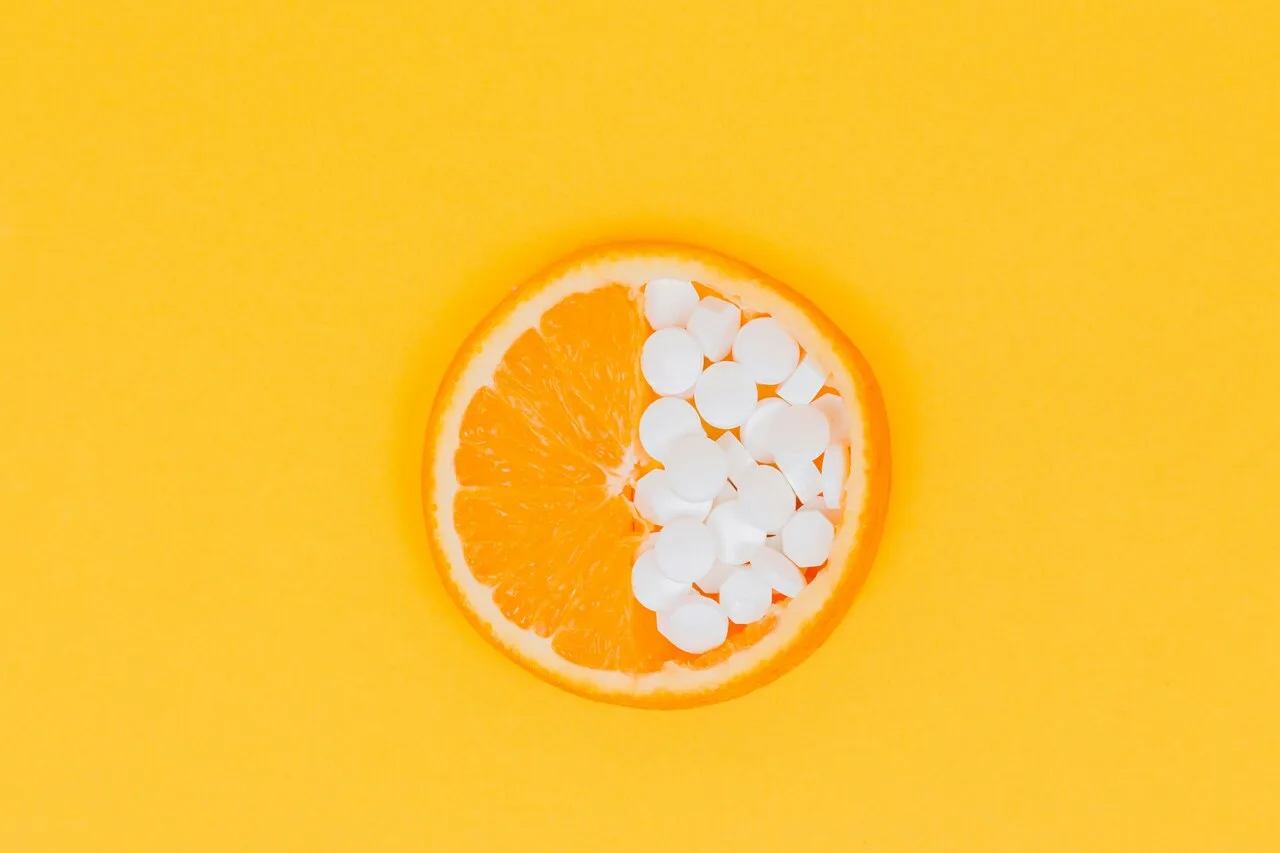
In our fast-paced world, many are searching for natural ways to support mental well-being. One question often arises: do vitamin C supplements help reduce anxiety? The answer, backed by emerging research, suggests a promising connection between this essential nutrient and our emotional state. While fruits and vegetables are the gold standard for obtaining vitamin C, understanding the role of supplementation in managing anxiety is becoming increasingly important for those seeking holistic health solutions.
The Brain-Body Connection: How Nutrition Impacts Mood 🧠
Our mental well-being is intricately linked to our physical health, particularly the nutrients we consume. A growing body of evidence highlights the profound impact of diet on mood, stress levels, and cognitive function. For instance, a review in the journal Nutrients points to a strong association between a higher daily intake of fiber-rich fruits and vegetables and lower incidences of anxiety, greater happiness, and improved life satisfaction. This isn’t just about physical health; it’s about nurturing our minds too.
The protective effects of fruit consumption extend beyond mental health, safeguarding against leading killers like heart disease, stroke, diabetes, and cancer. But why does this dietary pattern have such a significant influence on our mood? Several mechanisms are at play, with antioxidants and anti-inflammatory properties being key contenders. These powerful compounds, abundant in fresh produce, help scavenge free radicals that contribute to inflammation, a factor increasingly implicated in mood disorders like depression and anxiety.
The brain itself is a high-demand organ, requiring a steady supply of nutrients to function optimally. Interestingly, the brain maintains some of the highest levels of vitamin C in the body. This suggests its critical role in brain health, not just as an antioxidant, but also in vital processes like the synthesis of neurotransmitters such as dopamine, which are crucial for mood regulation. Therefore, exploring how vitamin C supplements help reduce anxiety becomes a logical step in understanding natural mental health support.
Vitamin C: More Than Just an Immune Booster ✨
While often celebrated for its immune-boosting capabilities, vitamin C’s therapeutic potential extends far beyond warding off colds. As a potent antioxidant, it helps protect brain cells from oxidative stress, which can be a precursor to various neurological and psychological issues. Moreover, its involvement in neurotransmitter production means it directly influences the chemical messengers that regulate our moods, sleep, and overall mental balance. This dual action makes vitamin C a fascinating subject for mental wellness research.
Research has begun to explore whether simply supplementing with vitamin C can offer similar benefits to consuming whole fruits and vegetables. While whole foods provide a synergistic blend of nutrients, the targeted approach of supplementation can sometimes offer a concentrated dose for specific health concerns. However, it’s crucial to remember that supplements are intended to complement, not replace, a balanced diet rich in whole foods. Always consider your overall nutritional intake when thinking about supplements.
The brain’s high concentration of vitamin C underscores its importance. It acts as a cofactor in numerous enzymatic reactions, many of which are vital for brain function. This includes the conversion of dopamine beta-hydroxylase into norepinephrine, a neurotransmitter involved in the body’s ‘fight or flight’ response and mood regulation. Understanding these intricate roles helps us appreciate why vitamin C might be more than just a simple vitamin when it comes to mental health.
Clinical Evidence: Do Vitamin C Supplements Help Reduce Anxiety? 💪
When it comes to the direct impact of vitamin C on anxiety, research presents a nuanced picture. Some studies have investigated its role as an adjunct treatment alongside conventional antidepressants, with mixed but generally positive outcomes. One study, for instance, noted a beneficial effect when vitamin C was added to an antidepressant regimen, suggesting it could enhance the efficacy of existing treatments.
However, another study found no significant benefit from vitamin C supplementation for depression specifically. This highlights the complexity of mental health conditions and the varied responses to different interventions. Interestingly, even in studies where depression outcomes were inconclusive, a significant decrease in anxiety levels was observed among participants randomized to receive vitamin C instead of a placebo. This suggests a more direct and consistent impact on anxiety.
A particularly compelling double-blind, randomized, placebo-controlled trial focused on high school students. Participants were given either 500 mg of vitamin C daily or a placebo. Within a mere two weeks, the group receiving vitamin C showed a significant reduction in anxiety levels compared to the placebo group. As an added bonus, they also experienced a noticeable drop in heart rate, a physiological marker often associated with stress and anxiety. This amount of vitamin C is roughly equivalent to eating five oranges, four yellow kiwifruit or guavas, or one and a half yellow bell peppers.
“Within just two weeks, the vitamin C reduced anxiety levels compared to placebo, as well as provided a significant drop in heart rate.”
Further research explored whether a single, acute dose of vitamin C could affect emotional states. The findings were intriguing: within just two hours of taking vitamin C, participants reported a significant drop in anxiety compared to the placebo group. This effect was most pronounced among those who started with higher baseline anxiety levels, suggesting a rapid, targeted benefit for individuals experiencing acute stress or anxiety.
Beyond anxiety, vitamin C supplementation may also offer cardiovascular benefits, such as a modest reduction in blood pressure. While whole fruits and vegetables are often more effective, especially for those who need it most, this further illustrates the broad health advantages of adequate vitamin C intake. For more on how to support your overall well-being, including managing stress, explore Navigating Life’s Shifts: Cultivating Emotional Wellness with Natural Healing.
Whole Foods vs. Supplements: The Best Approach 🌿
While the evidence suggests that vitamin C supplements help reduce anxiety, it’s crucial to distinguish between obtaining nutrients from whole foods and relying solely on supplements. Fruits and vegetables offer a symphony of vitamins, minerals, fiber, and phytonutrients that work synergistically to promote health. This ‘food matrix’ provides benefits that isolated supplements often cannot replicate.
- Synergistic Benefits: Whole foods contain thousands of compounds that interact in complex ways, enhancing nutrient absorption and overall health outcomes.
- Fiber Content: Fruits and vegetables are rich in fiber, which supports gut health – an increasingly recognized factor in mental well-being.
- Reduced Risks: While vitamin C supplements are generally safe, very high doses, particularly in men, have been linked to a potential increase in kidney stone risk. This risk is virtually non-existent when consuming vitamin C from whole foods.
Adding just two servings of fruits and vegetables a day can significantly improve psychological well-being within two weeks, mirroring some of the benefits seen with supplementation but without the associated risks. For holistic health, prioritize a diet rich in diverse produce. Supplements should be considered as an adjunct, especially when dietary intake is insufficient or specific therapeutic effects are sought, always under professional guidance.
For those looking to optimize their cellular health and overall vitality, integrating nutrient-dense foods is paramount. Discover more about enhancing your body’s fundamental processes with Unlocking Your Health Potential: New Discoveries in Cellular Wellness & Natural Support.
Practical Tips for Incorporating Vitamin C for Anxiety Relief 🥦
If you’re looking to leverage the potential anxiety-reducing benefits of vitamin C, a balanced approach is best. Here’s how you can effectively incorporate this nutrient into your daily routine, whether through diet or supplementation:
- Prioritize Whole Foods: Aim for at least 5-9 servings of fruits and vegetables daily. Excellent sources of vitamin C include citrus fruits, bell peppers, kiwi, strawberries, broccoli, and kale.
- Consider a Daily Supplement: If your dietary intake is inconsistent or you’re experiencing elevated anxiety, a moderate vitamin C supplement (e.g., 500 mg daily) might be beneficial. Always consult with a healthcare professional before starting any new supplement regimen.
- Time Your Intake: For acute anxiety, some research suggests a single dose of vitamin C can offer rapid relief. Consider taking it during periods of heightened stress or before potentially anxiety-inducing events.
- Combine with Other Anxiety-Reducing Strategies: Vitamin C is one piece of the puzzle. Pair it with other natural approaches like regular exercise, mindfulness practices, adequate sleep, and stress management techniques. For exercise ideas that support overall wellness, check out How to Exercise with Hidradenitis Suppurativa (Expert Guide).
- Stay Hydrated: Water is essential for all bodily functions, including nutrient absorption and overall mental clarity. Ensure you’re drinking enough water throughout the day.
- Monitor Your Response: Pay attention to how your body and mind respond to increased vitamin C intake. Keep a journal to track changes in anxiety levels, mood, and any other symptoms.
- Consult a Healthcare Professional: This is especially important if you have underlying health conditions, are taking medications, or are pregnant or breastfeeding. They can help you determine the appropriate dosage and rule out any contraindications.
Key Takeaways ❤️
Understanding how vitamin C supplements help reduce anxiety involves appreciating its multifaceted role in brain health and overall well-being. Here are the essential points to remember:
- Diet First: A diet rich in fruits and vegetables is strongly linked to lower anxiety and improved mental well-being.
- Antioxidant Power: Vitamin C’s antioxidant and anti-inflammatory properties help protect brain cells and may reduce inflammation associated with mood disorders.
- Neurotransmitter Support: It plays a crucial role in synthesizing neurotransmitters like dopamine, which are vital for mood regulation.
- Promising Research: Studies show that vitamin C supplementation, particularly around 500 mg daily, can significantly reduce anxiety levels in as little as two weeks, and even acutely within hours for those with higher anxiety.
- Physiological Benefits: Beyond anxiety, vitamin C may also contribute to a reduction in heart rate and blood pressure.
- Mindful Supplementation: While beneficial, supplements should complement a whole-food diet. Consult a healthcare professional to ensure safe and effective use.
- Holistic Approach: For lasting mental wellness, integrate vitamin C intake with other healthy lifestyle practices.
Frequently Asked Questions 💧
How much vitamin C should I take for anxiety?
Research suggests that a daily dose of around 500 mg of vitamin C can be effective in reducing anxiety levels. However, individual needs may vary. It’s always best to consult with a healthcare professional to determine the optimal dosage for your specific situation, especially if you have existing health conditions or are taking other medications.
Can you get too much vitamin C from supplements?
While vitamin C is water-soluble and generally considered safe, very high doses (typically above 2,000 mg per day) can lead to side effects such as digestive upset, diarrhea, and nausea. There’s also some evidence linking high doses, particularly in men, to an increased risk of kidney stones. Always adhere to recommended dosages and consult a professional.
How long does it take for vitamin C to help with anxiety?
Some studies have shown a significant reduction in anxiety levels within just two weeks of daily supplementation. In cases of acute anxiety, participants experienced a noticeable drop in anxiety within two hours of taking a single dose. The timeframe can vary based on individual metabolism, baseline anxiety levels, and consistency of intake.
Is vitamin C safe to take with antidepressants?
Some studies indicate that vitamin C can be a beneficial adjunct to antidepressant treatment, potentially enhancing its effects. However, it is absolutely critical to discuss any supplement use, including vitamin C, with your prescribing doctor or a healthcare professional. They can advise on potential interactions and ensure it’s safe and appropriate for your specific treatment plan.
The Bottom Line 🌞
The journey to mental well-being is multifaceted, and understanding how vitamin C supplements help reduce anxiety offers a promising natural avenue for support. While a diet rich in whole, nutrient-dense foods remains the cornerstone of health, targeted supplementation, when used judiciously and under professional guidance, can play a significant role. The evidence suggests that vitamin C, with its antioxidant properties and crucial involvement in neurotransmitter synthesis, offers a tangible benefit for those grappling with anxiety. By integrating this powerful nutrient with other holistic practices, we can empower ourselves to cultivate greater emotional balance and vitality.
Sources:
How Healthy Are Your Habits?
10 quick questions · Get your personal wellness score