
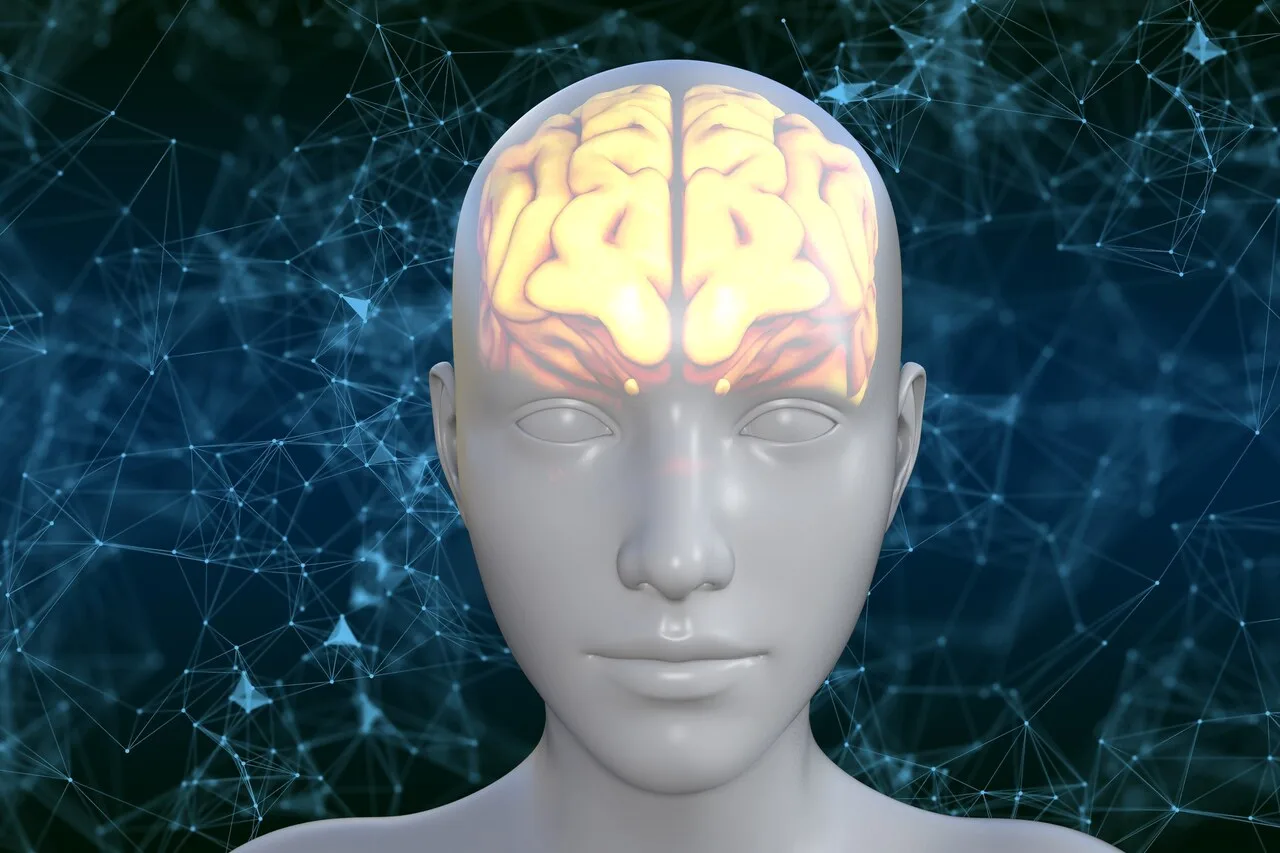
Have you ever wondered why two people with the same diagnosis respond so differently to the same treatment? Or why depression feels completely different for different people? The answer may lie deep inside the brain — in the specific cells, circuits, and connections that make each of us unique. Thanks to a revolutionary scientific effort called brain mapping, researchers are finally starting to unlock these mysteries, and the implications for mental health are profound.
What Is Brain Mapping and Why Does It Matter? 🧠
Brain mapping is the process of creating detailed, precise maps of the brain’s structure, cell types, and neural connections. Think of it like Google Maps, but for your brain — instead of streets and buildings, scientists are charting billions of neurons, how they’re wired together, and what roles they play in thinking, feeling, and behavior.
The most ambitious brain mapping project to date is the BRAIN Initiative (Brain Research Through Advancing Innovative Neurotechnologies), launched in 2014. Its goal is to produce a comprehensive picture of how individual brain cells and complex neural circuits interact — a level of detail never before achieved in science.
Why does this matter for mental health? Because conditions like depression, anxiety, PTSD, and schizophrenia are fundamentally brain disorders. The better we understand the brain, the better we can understand, diagnose, and treat these conditions.
How Brain Mapping Works: From Cells to Circuits 🔬
The brain contains roughly 86 billion neurons — and each one can form thousands of connections. Traditional brain imaging tools like MRI give us a general view of brain activity, but brain mapping goes much deeper. Scientists are now building what’s called the Brain Cell Atlas — a comprehensive map of every cell type in the brain, detailing its molecular makeup, physical location, and function.
To achieve this, researchers use a combination of cutting-edge techniques including single-cell RNA sequencing, electron microscopy, and advanced neuroimaging. The data generated is staggering — nearly 14 petabytes of information, the equivalent of over 13 years of high-definition video — all carefully organized and made accessible to scientists worldwide.
This isn’t just data collection for its own sake. The Brain Cell Atlas is designed to answer fundamental questions: Which specific cells are affected in depression? What circuits go wrong in anxiety disorders? Why does one medication work for some people but not others?
Scientists at the BRAIN Initiative have identified hundreds of distinct cell types in the human brain — many of which were completely unknown just a decade ago. Each cell type may play a different role in mental health and disease.
Brain Mapping and Mental Health: What the Research Reveals 💡
The connection between brain mapping and mental health breakthroughs is becoming clearer every year. Here’s what researchers are discovering:
Depression and the prefrontal cortex: Brain mapping studies have revealed that depression is associated with reduced activity and connectivity in specific regions of the prefrontal cortex — the area responsible for regulating emotions and decision-making. This isn’t just interesting science; it’s helping researchers develop more targeted treatments, including new forms of transcranial magnetic stimulation (TMS) that target these exact circuits.
Anxiety and the amygdala: The amygdala, sometimes called the brain’s “alarm system,” shows distinct patterns of hyperactivity in people with anxiety disorders. Brain mapping is helping scientists understand why some people’s amygdalas are oversensitive — and how to recalibrate them without affecting the rest of the brain.
PTSD and memory circuits: Post-traumatic stress disorder involves a specific malfunction in how traumatic memories are stored and triggered. Detailed brain maps are revealing the exact neural pathways involved, opening doors to more targeted therapies that address the root cause rather than just the symptoms.
Schizophrenia and neural connectivity: One of the most significant findings in schizophrenia research is that the condition involves widespread disruptions in how different brain regions communicate. Brain mapping is helping identify which connections are most affected — and potentially which can be restored.
The Role of AI in Brain Mapping Discoveries ✨
The sheer complexity of brain data makes traditional analysis methods inadequate. This is where artificial intelligence and machine learning have become essential partners in brain mapping research.
AI algorithms can analyze thousands of brain scans simultaneously, identifying patterns that no human researcher could detect alone. They can cross-reference genetic data, brain structure, behavioral patterns, and treatment outcomes to find hidden connections. For example, AI-powered analysis of brain maps has already helped identify specific biological subtypes of depression — meaning what we call “depression” may actually be several distinct conditions, each requiring different treatments.
Machine learning is also being used to predict treatment outcomes. By comparing a patient’s brain map to thousands of others, AI systems can estimate which treatments are most likely to work — moving psychiatry closer to the kind of personalized medicine already common in cancer treatment.
From Research to Real-World Treatment: What’s Already Changing 🌿
Brain mapping isn’t just future science — it’s already influencing how mental health conditions are treated today. Here are some concrete examples:
More precise TMS therapy: Transcranial magnetic stimulation, which uses magnetic fields to stimulate specific brain regions, has become significantly more effective thanks to brain mapping. By targeting the exact circuits involved in a patient’s depression rather than using a one-size-fits-all approach, success rates have improved substantially.
Better medication development: Understanding which specific cell types are affected in mental health conditions is helping pharmaceutical companies design drugs that target those cells more precisely — reducing side effects and improving effectiveness.
Earlier diagnosis: Brain mapping research is identifying biological markers that may appear years before the symptoms of conditions like schizophrenia or bipolar disorder become apparent. This opens the possibility of early intervention — treating conditions before they become severe.
Personalized therapy: Cognitive behavioral therapy (CBT) and other psychological treatments can now be tailored based on a patient’s brain activity patterns, making them more effective for individual patients.
What Brain Mapping Means for You Right Now 💪
While the full benefits of brain mapping research are still being realized, the science is already reinforcing what we know about supporting mental health through lifestyle. Brain mapping studies consistently show that these everyday habits have measurable effects on brain structure and function:
Exercise changes your brain physically. Regular physical activity promotes neurogenesis — the growth of new brain cells — particularly in the hippocampus, an area crucial for memory and emotional regulation. Brain mapping studies show that people who exercise regularly have larger, more connected hippocampi.
Sleep is when your brain does maintenance. During sleep, your brain’s glymphatic system clears toxic waste products that accumulate during the day. Brain mapping has revealed that sleep deprivation causes measurable changes in the prefrontal cortex — the same region affected in depression.
Meditation reshapes neural circuits. Long-term meditation practitioners show measurable differences in their brain maps compared to non-meditators — particularly in areas related to attention, emotional regulation, and self-awareness. Even short-term mindfulness practice produces detectable changes.
Social connection is neurologically necessary. Brain mapping studies show that social isolation activates the same neural pathways as physical pain. Maintaining strong social connections isn’t just emotionally important — it’s neurologically essential.
Diet affects brain chemistry directly. The gut-brain axis is a well-established pathway through which your diet influences brain function. Brain mapping is helping researchers understand exactly how nutrients like omega-3 fatty acids, B vitamins, and antioxidants affect specific brain cell types.
Practical Tips for Supporting Your Brain Health Today 🥦
- Move your body daily. Even 30 minutes of moderate exercise — walking, swimming, cycling — promotes brain health and supports the neural circuits involved in mood regulation.
- Prioritize 7-9 hours of sleep. Protect your sleep as a non-negotiable. Your brain uses this time to consolidate memories, clear toxins, and restore emotional balance.
- Practice mindfulness regularly. Even 10 minutes of daily meditation can produce measurable changes in brain structure over time. Apps like Headspace or Calm can help you get started.
- Eat a brain-supportive diet. Focus on omega-3 rich foods (salmon, walnuts, flaxseeds), colorful vegetables and fruits, whole grains, and fermented foods for gut health.
- Stay socially connected. Schedule regular time with friends and family. Join community groups or classes that align with your interests.
- Manage chronic stress actively. Chronic stress causes measurable damage to brain structure. Identify your main stressors and develop a consistent stress management strategy.
- Seek professional help when needed. If you’re struggling with mental health, don’t wait. Treatments are becoming more effective thanks to brain mapping research — there is real hope and help available.
- Stay curious and keep learning. Cognitive engagement — learning new skills, reading, solving puzzles — builds cognitive reserve and strengthens neural connections throughout your life.
Key Takeaways ❤️
- Brain mapping is creating unprecedented detailed maps of brain cells, circuits, and connections, revolutionizing our understanding of mental health.
- The BRAIN Initiative’s Brain Cell Atlas is identifying hundreds of previously unknown cell types — each potentially playing a distinct role in mental health conditions.
- AI and machine learning are making it possible to analyze the enormous amounts of data generated by brain mapping, accelerating discoveries.
- Brain mapping is already improving treatments for depression, anxiety, PTSD, and schizophrenia through more targeted therapies.
- Lifestyle factors like exercise, sleep, diet, and social connection have measurable, positive effects on brain structure — confirmed by brain mapping research.
- The future of mental health treatment is personalized — matched to each person’s unique brain map.
Frequently Asked Questions About Brain Mapping and Mental Health ❓
How long will it take for brain mapping to change everyday mental health treatment?
Some changes are already happening — TMS therapy and medication development have already benefited from brain mapping research. More significant shifts, like routine brain-based diagnosis, are likely 10-20 years away. However, incremental improvements in treatment effectiveness are happening now.
Can a brain map diagnose my mental health condition?
Not yet for routine clinical use, but research is progressing rapidly. Scientists are identifying biological markers associated with specific conditions. The goal is to eventually complement traditional symptom-based diagnosis with objective, brain-based measurements.
Is brain mapping the same as a brain scan?
Not exactly. A standard brain scan (like an MRI) shows the brain’s general structure or activity. Brain mapping goes much deeper — charting individual cell types, their molecular properties, and their precise connections. It’s far more detailed than conventional brain imaging.
What happens if someone has an unusual brain map?
Brain variation is normal — every person’s brain map is unique, just like fingerprints. Unusual patterns only become clinically relevant when they’re associated with specific symptoms or conditions. The goal of brain mapping research isn’t to define a “normal” brain but to understand the full range of human brain variation and what it means for health.
The Bottom Line 🌞
Brain mapping represents one of the most exciting frontiers in modern medicine. By creating detailed, cellular-level maps of the human brain, scientists are unraveling the biological roots of mental health conditions that have puzzled humanity for centuries. The BRAIN Initiative’s work — with its petabytes of data, AI-powered analysis, and global scientific collaboration — is translating into real improvements in how depression, anxiety, PTSD, and other conditions are understood and treated.
For anyone living with or affected by mental health challenges, this research offers genuine hope. Treatments are becoming more precise, more personalized, and more effective. And while the science continues to advance, the fundamentals remain clear: taking care of your brain through exercise, sleep, nutrition, and connection is one of the most powerful things you can do for your mental health today. Always consult with a qualified healthcare professional for personalized guidance on your mental health journey.
Sources:
- Brain Cell Atlas: From Data to Knowledge Base
- BRAIN Initiative: Data Archives for the BRAIN Initiative
How Healthy Are Your Habits?
10 quick questions · Get your personal wellness score