In a world often searching for quick fixes, the allure of a simple solution to complex health challenges like weight management can be incredibly strong. Many turn to medical devices and procedures, hoping for a swift and dramatic transformation. Intragastric balloons, for instance, have been marketed as a less invasive alternative to bariatric surgery. However, a deeper look into the evidence reveals a more nuanced picture, raising important questions: Are gastric balloons effective for weight loss, or do they present an illusion of progress, often with significant risks? This comprehensive guide will delve into the science, explore the potential pitfalls, and empower you with evidence-backed insights to make informed decisions for your wellness journey.
The Allure of Quick Fixes vs. Lasting Solutions 🌿
The journey to sustainable weight loss is rarely straightforward. It often involves consistent effort, dietary changes, increased physical activity, and a deep understanding of one’s body. Yet, the promise of a rapid solution, bypassing the daily grind, remains enticing. Medical devices like intragastric balloons tap into this desire, offering a seemingly less invasive option than traditional bariatric surgery. They appeal to those seeking a significant intervention without the permanence or extensive recovery associated with more drastic procedures.
However, history teaches us that not all innovations deliver on their initial promise. Many medical devices, much like certain supplements, arrive on the market with significant fanfare before robust evidence of their long-term effectiveness and safety is fully established. This creates a landscape where hope can sometimes overshadow scientific rigor, leading individuals down paths that may not align with their best interests.
Understanding Intragastric Balloons: How They Work and Their History ✨
Intragastric balloons are medical devices designed to be temporarily placed in the stomach. Once inserted, they are inflated with air or saline solution, occupying a significant portion of the stomach’s volume. The theory behind their operation is simple: by filling space, the balloon is intended to create a feeling of fullness, thus reducing appetite and food intake, ultimately leading to weight loss.
These devices first gained popularity in the 1980s, introduced as a novel approach to obesity treatment. Early models, often referred to as the “gastric bubble,” were met with considerable enthusiasm. Unfortunately, this initial excitement was premature. Studies, including one notable investigation at the Mayo Clinic, began to reveal critical flaws. A staggering 8 out of 10 balloons were found to “spontaneously deflate.” This wasn’t merely an inconvenience; a deflated balloon posed a serious risk, as it could pass into the intestines and cause a life-threatening obstruction. Furthermore, even before deflation, these early balloons were associated with gastric erosions in half of the patients, causing damage to the stomach lining.
Crucially, when put to the test against diet and other behavioral modification strategies, these early devices often failed to induce significant additional weight loss. Consequently, intragastric balloons were eventually pulled from the market. After a 33-year hiatus, a new generation of intragastric balloons received U.S. Food and Drug Administration (FDA) approval starting in 2015. This led to the rapid placement of over 5,000 devices, reigniting discussions about their efficacy and safety. But are these newer iterations truly better, or do they carry similar concerns?
The Unsettling Truth: Risks and Complications of Gastric Balloons ❤️
While newer intragastric balloons are marketed as reversible and less invasive, this does not automatically equate to them being benign. The FDA has issued multiple advisories highlighting a range of serious risks associated with these devices, including potential fatalities. It’s a sobering reminder that any medical intervention, no matter how seemingly straightforward, carries inherent dangers.
One of the most common and distressing side effects reported by a majority of patients is severe nausea and persistent vomiting. This isn’t just unpleasant; prolonged and intense vomiting can lead to life-threatening complications. In extreme cases, the sheer force of vomiting can cause a stomach perforation, an incredibly dangerous condition that can be fatal. It seems counterintuitive that a smooth, rounded object could cause such trauma, but the persistent strain on the stomach wall can indeed lead to rupture.
Beyond perforation, persistent vomiting can also result in severe nutrient deficiencies. The body struggles to absorb essential vitamins and minerals when food is constantly expelled, leading to a cascade of health issues. This highlights a critical point: true wellness isn’t just about weight loss, but about nourishing the body comprehensively. Furthermore, while some complications arise from the balloons deflating (leading to bowel obstruction), others, surprisingly, stem from the balloons suddenly overinflating. This unexpected expansion causes intense pain, further vomiting, and abdominal distention, adding another layer of unpredictable risk. These issues echo similar, poorly understood phenomena observed with other medical implants, such as spontaneously autoinflating breast implants.
“A study at the Mayo Clinic found that 8 out of 10 balloons spontaneously deflated, which is potentially dangerous because they could pass into the intestines and cause an obstruction.”
Industry Influence and Conflicts of Interest in Medical Devices 🧠
Understanding the full picture of medical interventions requires acknowledging the role of industry influence. The medical device industry, much like pharmaceutical companies, has significant financial interests in promoting its products. The “Sunshine Act,” passed in the U.S., was a crucial step towards transparency, compelling drug companies and medical device manufacturers to disclose payments made to physicians. This act aimed to shine a disinfecting light on the often overly cozy financial relationships that can exist.
While many are now aware of the financial ties between doctors and “Big Pharma,” fewer may realize that surgeons also receive substantial payments from companies for the devices they implant. Shockingly, the top 100 physician recipients of industry payments reportedly received an unbelievable $12 million from device companies in a single year. Even more concerning, when these physicians published research papers, only a minority disclosed these blatant conflicts of interest. This raises serious ethical questions about the objectivity of studies and recommendations, particularly when industry-funded trials are often the primary source of information on a device’s “notable weight loss” benefits.
It becomes challenging to discern the true effect of the device itself when such trials often combine the intervention with “supervised diet and lifestyle changes.” This makes it difficult to isolate whether the observed benefits are due to the balloon, or simply the invaluable guidance on nutrition and healthy habits that should ideally be a cornerstone of any weight management strategy.
Beyond the Balloon: The Power of Diet and Lifestyle Changes 💪
The most compelling evidence for sustainable weight management consistently points towards comprehensive diet and lifestyle modifications. While intragastric balloons promise a mechanical advantage, their effectiveness, particularly in the long term, often pales in comparison to the profound impact of consistent, healthy habits. Research repeatedly demonstrates that structured dietary changes, combined with regular physical activity, are not only effective but also empower individuals with skills for lifelong wellness.
Many studies evaluating intragastric balloons include a component of “supervised diet and lifestyle changes.” This makes it incredibly difficult to determine how much of the reported weight loss is genuinely attributable to the balloon, and how much is due to the accompanying behavioral modifications that are known to be effective on their own. This phenomenon is similar to how the efficacy of some natural supplements is often intertwined with broader healthy living practices.
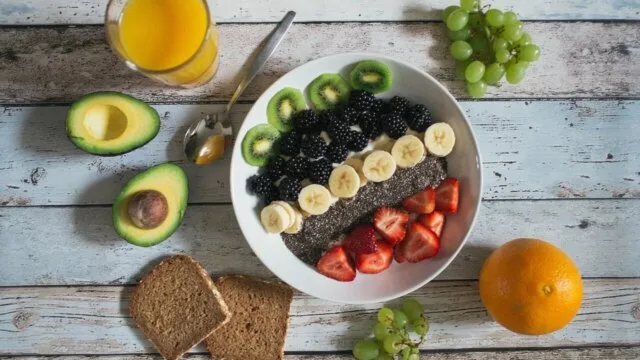
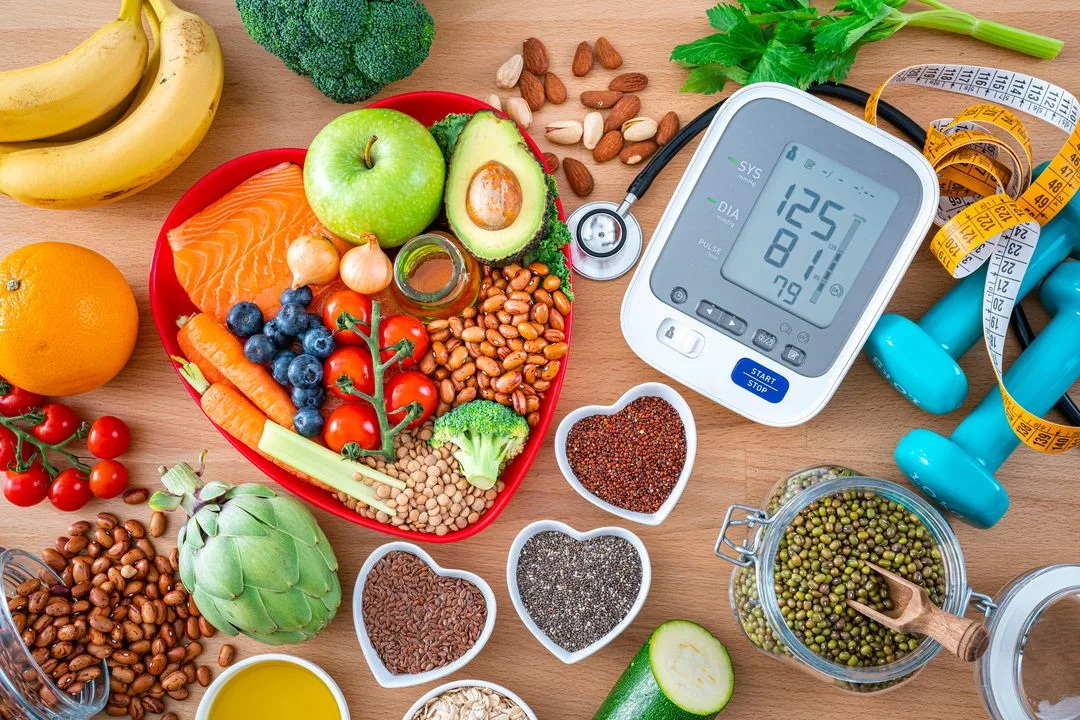
Focusing on whole, unprocessed foods, understanding portion control, staying hydrated, managing stress, and getting adequate sleep are fundamental pillars of health that yield far-reaching benefits beyond just weight loss. These strategies address the root causes of weight gain and promote overall well-being, rather than offering a temporary physical intervention. For those seeking lasting results, investing in nutritional education and behavioral therapy often provides a more robust and safer pathway to health. Learn more about how specific nutrients and diet impact disease prevention.
Sham Surgeries and the Placebo Effect: A Broader Perspective 💡
The discussion around the effectiveness of intragastric balloons touches upon a broader, fascinating, and sometimes uncomfortable truth in medicine: the power of the placebo effect, and the insights gained from sham surgery trials. In drug trials, it’s relatively straightforward to compare an active drug to a sugar pill (placebo) to isolate the drug’s true effect. But how do you account for the placebo effect when a patient undergoes an invasive procedure?
The answer lies in sham surgery. In 2002, a groundbreaking and controversial study published in The New England Journal of Medicine put one of the most common orthopedic surgeries—arthroscopic knee surgery for osteoarthritis—to the test. Billions of dollars were being spent annually on this procedure, which involved inserting scopes into knee joints and removing damaged tissue. The study randomized patients suffering from knee pain to either receive the actual surgery or a sham surgery. In the sham procedure, surgeons made incisions and mimicked the motions of surgery, even splashing saline, but without actually treating the joint.
The trial sparked considerable outrage, with professional medical associations questioning the ethics involved. Yet, the results were profoundly revealing: both the patients who received the actual surgery and those who underwent the sham surgery reported significant improvements in their knee pain. The surgeries, in essence, had no actual effect beyond what could be attributed to the placebo response. This powerful finding demonstrated that the belief in the intervention, the care received, and the act of undergoing a procedure itself could yield substantial perceived benefits, even without a physiological change.
This phenomenon isn’t limited to knee surgery; similar crises of confidence are now facing other common procedures, such as rotator cuff shoulder surgery. When intragastric balloons have been subjected to sham-controlled trials, the results have sometimes been equally sobering, suggesting that both older and newer devices may fail to offer any significant benefit beyond the placebo effect and accompanying lifestyle changes.
Practical Tips for Sustainable Weight Management and Health 🥦
Instead of relying on potentially risky and often ineffective quick fixes, consider embracing sustainable, natural strategies for long-term health and weight management. These approaches empower you with knowledge and habits that truly transform your well-being:
- Prioritize Whole Foods: Build your diet around nutrient-dense, unprocessed foods like fresh fruits, vegetables, whole grains, lean proteins, and healthy fats. Minimize highly processed foods, sugary drinks, and excessive refined carbohydrates.
- Practice Mindful Eating: Pay attention to your body’s hunger and fullness cues. Eat slowly, savor each bite, and avoid distractions. This helps you recognize when you’re truly satisfied and prevents overeating.
- Stay Hydrated: Drink plenty of water throughout the day. Sometimes, thirst can be mistaken for hunger. Water also supports metabolism and overall bodily functions.
- Incorporate Regular Movement: Aim for at least 30 minutes of moderate-intensity exercise most days of the week. This can include brisk walking, cycling, swimming, or strength training. Find activities you enjoy to make it sustainable.
- Manage Stress Effectively: Chronic stress can impact weight through hormonal changes and emotional eating. Explore stress-reduction techniques like meditation, yoga, deep breathing exercises, spending time in nature, or engaging in hobbies.
- Prioritize Quality Sleep: Aim for 7-9 hours of quality sleep per night. Poor sleep can disrupt hormones that regulate appetite and metabolism, leading to increased cravings and weight gain.
- Seek Professional Guidance: Consult with a registered dietitian or a healthcare professional who specializes in lifestyle medicine. They can help create a personalized plan tailored to your unique needs and health goals, focusing on sustainable, evidence-based strategies.
- Build a Support System: Surround yourself with positive influences. Whether it’s friends, family, or a support group, having people who encourage your healthy habits can make a significant difference.
Key Takeaways on Gastric Balloons and Medical Interventions 💧
- Limited Efficacy: Evidence suggests that the long-term effectiveness of intragastric balloons for weight loss, when isolated from diet and lifestyle changes, is often questionable.
- Significant Risks: Gastric balloons are associated with serious complications, including severe nausea, vomiting, nutrient deficiencies, gastric erosions, bowel obstruction, perforation, and even death.
- Industry Influence: Financial ties between device manufacturers and physicians can create conflicts of interest, potentially influencing research findings and recommendations.
- Power of Placebo: Sham surgery trials highlight the powerful impact of the placebo effect, where the belief in a procedure can yield perceived benefits even without physiological intervention.
- Focus on Fundamentals: Sustainable weight management and overall health are best achieved through comprehensive, evidence-backed lifestyle changes, including diet, exercise, stress management, and sleep.
- Consult an Expert: Always discuss any medical procedures or significant health changes with a qualified healthcare professional who can provide personalized, unbiased advice.
Frequently Asked Questions About Gastric Balloons and Weight Loss 🌞
How long does the weight loss from gastric balloons last?
Weight loss observed with gastric balloons is often temporary. Most studies indicate that any significant weight loss typically occurs while the balloon is in place, which is usually 6-12 months. After removal, many individuals tend to regain some or all of the lost weight, especially if they haven’t adopted permanent lifestyle and dietary changes.
Can you eat normally with a gastric balloon?
No, you cannot eat normally with a gastric balloon. Patients are typically placed on a strict, supervised diet that progresses from liquids to pureed foods, and then to small, soft meals. The balloon itself causes a feeling of fullness and can lead to discomfort, nausea, and vomiting if too much food is consumed or certain foods are eaten.
Is it safe to get a gastric balloon for weight loss?
While often presented as a less invasive option, gastric balloons are not without significant risks. The FDA has issued advisories about potential complications including severe nausea, persistent vomiting, nutrient deficiencies, gastric erosions, bowel obstruction, stomach perforation, and, in rare cases, death. It’s crucial to thoroughly discuss these risks with a healthcare professional before considering the procedure.
What happens if a gastric balloon deflates or overinflates?
If a gastric balloon deflates, it can migrate from the stomach into the intestines, potentially causing a severe and life-threatening bowel obstruction requiring emergency surgery. Conversely, if a balloon overinflates unexpectedly, it can lead to intense abdominal pain, severe vomiting, and distention. Both scenarios are serious medical emergencies that require immediate attention.
The Bottom Line: Informed Choices for Your Wellness Journey 🌿
The pursuit of health and well-being is deeply personal, and the choices we make profoundly impact our lives. While the promise of a rapid solution like a gastric balloon can be appealing, the scientific evidence, including insights from sham surgery trials, urges caution. It highlights that often, the most effective and safest path to sustainable health involves embracing foundational principles: balanced nutrition, regular physical activity, stress management, and quality sleep.
Understanding the potential risks, the influence of industry, and the power of the placebo effect empowers you to make truly informed decisions. Rather than seeking an external fix, focusing on internal resilience and consistent healthy habits offers a more reliable and holistic route to wellness. Ultimately, the question of are gastric balloons effective for weight loss often leads back to the enduring truth that genuine health transformations stem from within, supported by expert guidance and a commitment to sustainable living.
Sources:
- From Gastric Balloons to Fake Knee Surgeries: When the Fix Is an Illusion
- FDA Safety Advisory: Potential Risks with Liquid-Filled Intragastric Balloons
- Hidden Dangers and Updated Labels on Gastric Balloons – PMC
How Healthy Are Your Habits?
10 quick questions · Get your personal wellness score