In our modern diets, the convenience and taste of fried foods are undeniable. However, beneath the crispy surface and savory flavor lies a silent threat that many are unaware of: glycidol. This concerning compound has emerged as a significant health concern, particularly due to its presence in foods prepared with refined vegetable oils. Research strongly suggests that glycidol in fried foods can directly damage our DNA, elevating the risk of serious health issues, including certain cancers. Understanding what glycidol is, where it comes from, and crucially, how to minimize your exposure is paramount for safeguarding your well-being. This comprehensive guide will equip you with the knowledge and practical strategies to navigate this hidden dietary risk, focusing on natural approaches to protect your health.
Understanding Glycidol: The DNA-Damaging Compound in Your Diet 🧠
Glycidol is not an ingredient intentionally added to foods, but rather a byproduct formed during the processing of certain vegetable oils, especially under high-heat conditions like frying. For over a century, food chemists have been refining vegetable oils to improve their shelf life and cooking properties. However, it’s only in more recent times that we’ve uncovered the formation of harmful compounds during these processes, with glycidol being among the most concerning.
To truly grasp the danger of glycidol, it’s essential to differentiate it from other contaminants. Some toxic compounds, like 3-MCPD (often found alongside glycidol), are considered ‘nongenotoxic carcinogens.’ This means they are believed to cause cancer through mechanisms that have a threshold; below a certain intake level, they might not pose a risk. Glycidol, however, is classified as a genotoxic carcinogen. This distinction is critical because genotoxic substances directly interact with and damage our DNA.
When a compound damages DNA, it’s generally assumed to follow what scientists call a “non-threshold mechanism.” This implies that there is no ‘safe level of intake’ that can be derived. Even a minuscule amount has the potential to cause a DNA mutation, which could, theoretically, initiate the march towards cancer. Because of this profound risk, substances known to be genotoxic are not permitted to be intentionally added to food products. For unavoidable contaminants like glycidol, the “ALARA” principle is applied: levels should be “as low as reasonably achievable” or “as low as reasonably practicable.” This underscores the importance of minimizing our exposure whenever possible.
The Hidden Dangers of Glycidol in Fried Foods 💪
The link between fried foods and health problems has long been a subject of scientific inquiry, primarily focusing on cardiovascular health. However, glycidol introduces a direct and alarming connection to cancer risk, particularly when considering its genotoxic nature. As a DNA-damaging agent, glycidol has the potential to induce mutations that can contribute to the development of cancerous cells.
Consider the average person’s exposure. While a lifetime cancer risk of 1 in 100,000 is often considered an acceptable population risk, this figure might be exceeded if a 150-pound individual consumes less than a microgram of glycidol per day. The alarming reality, according to experts, is that the average glycidol exposure in many diets may be more than 50 micrograms daily. This substantial difference highlights a significant public health concern. Even more troubling, in children, the level of glycidol intake may exceed acceptable cancer risk by a staggering 200-fold, raising serious questions about long-term health implications.
While some studies on fried food consumption have primarily linked it to cardiovascular mortality, leading to shorter lifespans due to heart-related issues, the picture is different when considering specific cancers. For instance, a large study involving men showed a significant association: a higher intake of fried foods was linked to a 35% increased risk of prostate cancer. This specific finding suggests that men with an elevated risk of prostate cancer might benefit from, as a precaution, limiting their consumption of fried foods. These findings collectively underscore that while the direct cancer link for all fried foods might still be under extensive research, the presence of a known genotoxic carcinogen like glycidol makes reducing exposure a prudent health strategy.
“A larger intake of fried food was associated with a 35% increased risk of prostate cancer in men.” – Research indicates a specific danger.
It’s important to remember that dietary choices have a ripple effect on overall health. Frequent consumption of fried foods, even beyond the glycidol concern, is strongly associated with an increased risk of chronic diseases. For more on preventing such risks, you might find our article on How Tiny Sodium Cuts in Everyday Foods Prevent Heart Attacks & Strokes insightful, as cardiovascular health is often intertwined with dietary patterns.
Where Does Glycidol Come From? Refined Oils and Beyond 🥦
The primary source of glycidol in our food supply is the process of refining vegetable oils. These oils, which include common varieties like soybean, canola, corn, sunflower, and palm oil, undergo a series of chemical and physical treatments to remove impurities, improve stability, and create a neutral flavor profile. While these refining steps are intended to enhance the oil’s usability, they inadvertently create conditions conducive to the formation of glycidol and other undesirable compounds.
During the high-temperature deodorization step of refining, fats and oils can form glycidyl fatty acid esters (GEs). These GEs are then readily converted into free glycidol during digestion. This means that simply consuming refined oils, even if not used for frying, can contribute to glycidol exposure. However, the problem is exacerbated when these refined oils are then used for high-temperature cooking methods, such as deep-frying, which further accelerates the formation and concentration of these harmful compounds.
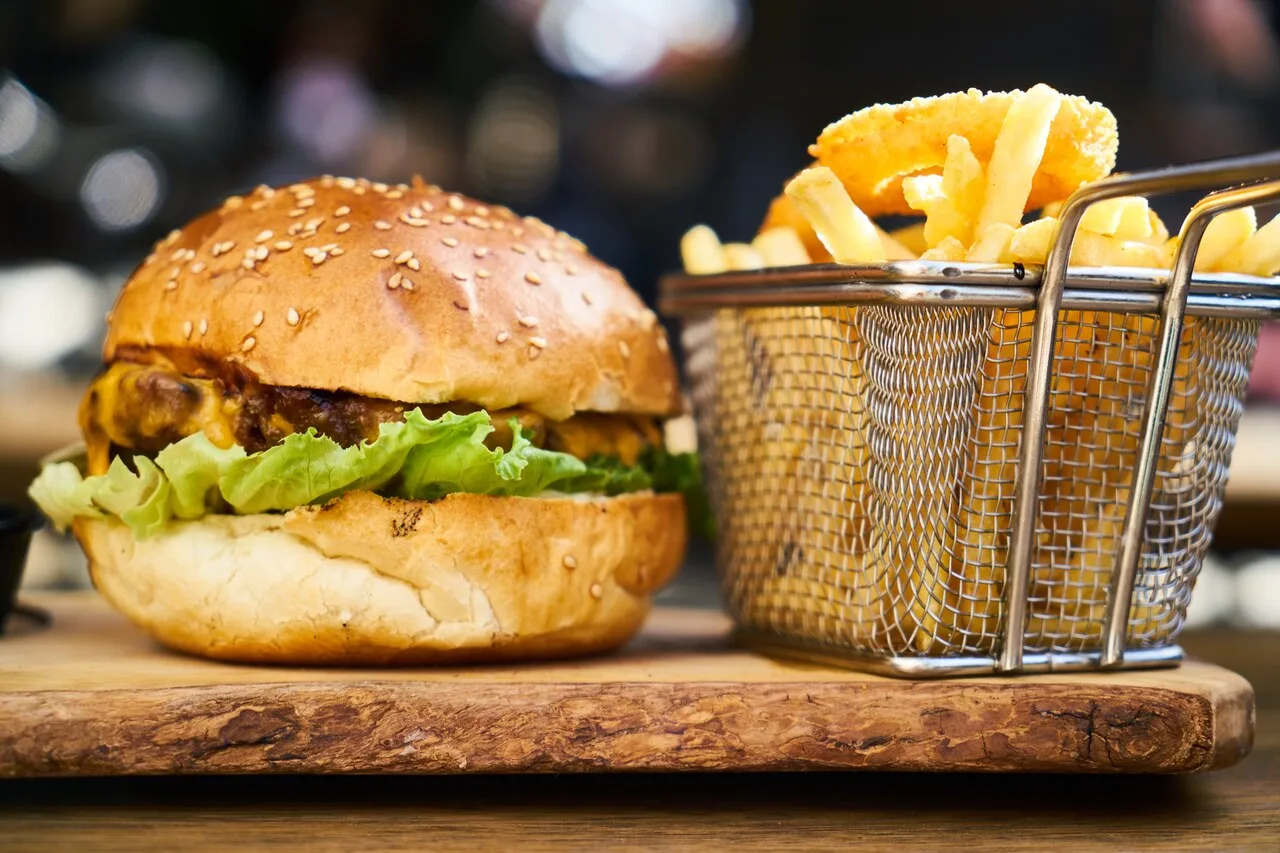
Consequently, glycidol isn’t just lurking in the obvious culprits like French fries and fried chicken. It’s pervasive in a vast array of processed and packaged foods found in nearly every grocery store aisle. Think about your favorite snacks: potato chips, crackers, cookies, pastries, and even many breakfast cereals often contain refined vegetable oils. Fast food, restaurant meals, and commercially baked goods are also significant contributors to glycidol exposure due to their reliance on these cost-effective, high-heat stable oils.
The pervasive use of refined oils in the food industry means that minimizing glycidol intake requires more than just avoiding the deep fryer. It demands a conscious effort to scrutinize food labels and understand the ingredients in both home-cooked meals and store-bought products. Choosing whole, unprocessed foods and preparing meals from scratch gives you greater control over the types of oils used and the cooking methods employed, significantly reducing your potential exposure to glycidol.
Beyond Fried Foods: Glycidol in Infant Formulas 💧
One of the most concerning aspects of glycidol contamination is its presence in infant formulas. For babies who are not breastfed, these formulas often serve as their sole source of nutrition during a critical developmental period. Unfortunately, many industrially prepared infant milk formulas contain refined vegetable oils as a primary fat source, leading to unavoidable glycidol contamination.
The German Federal Institute for Risk Assessment has unequivocally concluded that “infants who are fed exclusively industrially prepared infant milk formula would take in harmful levels of glycidol.” This is an alarming finding, given the vulnerability of infants and the “no safe level” principle associated with genotoxic carcinogens. Studies indicate that U.S. infant formulas contain levels of glycidol contamination comparable to those found in Europe, making this a global concern.
This situation presents a significant dilemma for parents who rely on formula. While manufacturers are under increasing pressure to reduce glycidol levels “as low as reasonably achievable,” the industry has faced challenges in finding ways to refine vegetable oils without creating these by-products while maintaining product quality. This complex problem has no simple industrial solution currently, placing the burden of risk reduction largely on awareness and, where possible, alternative choices.
For these compelling reasons, health organizations consistently advocate for breastfeeding as the optimal feeding method for infants. Breast milk provides not only essential nutrients but also antibodies and other protective factors that formula cannot replicate, all while being free from contaminants like glycidol. For adoptive families or those unable to breastfeed, exploring options like accredited human milk banks can provide a safer alternative, ensuring infants receive the best possible start without exposure to harmful compounds.
Protecting Yourself: Practical Tips to Minimize Glycidol Exposure ✨
Given that glycidol is an “unavoidable contaminant” in many refined oils and the products made with them, the most effective strategy for individuals is to proactively reduce exposure. This involves making informed dietary choices and adopting healthier cooking practices. By focusing on whole foods and natural remedies, you can significantly lower your intake of glycidol and support overall wellness.
Practical Tips for a Glycidol-Reduced Lifestyle 🌿
- Drastically Reduce or Eliminate Fried Foods: This is the most direct way to cut down on glycidol. Avoid deep-fried items from fast-food restaurants and limit home frying. Even pan-frying with refined oils can contribute to exposure.
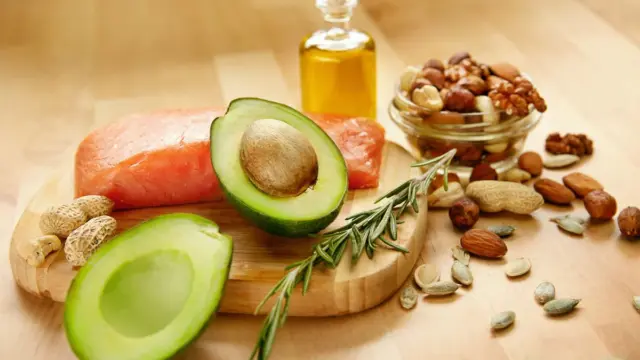
- Choose Unrefined, Cold-Pressed Oils for Cooking: Opt for extra virgin olive oil, avocado oil, coconut oil, or sesame oil for most cooking needs. These oils are minimally processed and generally have lower levels of contaminants. Be mindful of their smoke points for different cooking temperatures. For instance, olive oil is excellent for lower-heat cooking, while avocado oil has a higher smoke point suitable for more intense heat.
- Read Food Labels Diligently: Become a label detective. Look for “vegetable oil,” “soybean oil,” “canola oil,” “palm oil,” or “partially hydrogenated oil” in ingredient lists. These are indicators that a product likely contains refined oils and, potentially, glycidol. Choose products with simpler ingredient lists and whole food components.
- Prioritize Home Cooking: Preparing meals at home gives you complete control over ingredients and cooking methods. You can choose unrefined oils, opt for fresh, whole ingredients, and avoid high-temperature frying.
- Embrace Alternative Cooking Methods: Explore healthier ways to cook your food. Baking, roasting, steaming, grilling, sautéing with water or broth, and air frying are excellent alternatives that can significantly reduce the formation of harmful compounds while still delivering delicious results.
- Increase Whole, Unprocessed Foods: Base your diet around fruits, vegetables, whole grains, legumes, and lean proteins. These foods are naturally low in or free from glycidol and packed with beneficial nutrients that support your body’s natural defense mechanisms.
- Support Breastfeeding or Use Milk Banks for Infants: For new parents, prioritizing breastfeeding is the gold standard for infant nutrition, offering protection from contaminants like glycidol. If breastfeeding isn’t possible, explore reputable human milk banks as a safer alternative to conventional formulas.
- Consider Nutrient-Rich Foods: Incorporate foods rich in antioxidants, such as berries, leafy greens, and colorful vegetables. While not a direct antidote to glycidol, antioxidants help combat cellular damage, supporting overall health and resilience against environmental toxins.
Key Takeaways for Navigating Glycidol Risks ❤️
- Glycidol is a genotoxic carcinogen found in refined vegetable oils, particularly prevalent in fried and processed foods.
- Unlike other toxins, glycidol has no known “safe level” of intake due to its direct DNA-damaging properties, making minimization crucial.
- Average dietary exposure to glycidol can significantly exceed what is considered an acceptable lifetime cancer risk, especially for children.
- Frequent consumption of fried foods has been linked to increased risks of chronic diseases, including a 35% higher risk of prostate cancer in men.
- Infant formulas containing refined oils pose a significant concern, with experts concluding they deliver harmful levels of glycidol to babies.
- Reducing your intake of glycidol involves conscious choices: avoiding fried foods, choosing unrefined oils, reading labels, and prioritizing home-cooked, whole foods.
- Empowering yourself with knowledge about food sources and cooking methods is the most effective natural remedy to protect against glycidol exposure.
Frequently Asked Questions About Glycidol 💡
How long does glycidol stay in the body?
Glycidol itself is a reactive compound that is quickly metabolized in the body. However, its genotoxic effects – the damage it inflicts on DNA – can be long-lasting and cumulative. The concern isn’t about the compound’s immediate presence, but rather the irreversible cellular changes it can initiate. Therefore, continuous exposure, even at low levels, can lead to an accumulation of DNA damage over time, which is why minimizing intake is so important rather than focusing on its half-life in the body.
Can you completely eliminate glycidol from your diet?
Completely eliminating glycidol from your diet is extremely challenging, if not impossible, given its pervasive presence in refined oils and countless processed foods. However, you can significantly reduce your exposure by making conscious dietary choices. Focusing on whole, unprocessed foods, avoiding deep-fried items, and using unrefined oils for cooking are the most effective strategies to lower your intake to “as low as reasonably achievable” levels, aligning with the ALARA principle.
Is it safe to consume any amount of glycidol?
For genotoxic carcinogens like glycidol, scientific consensus indicates that there is no “safe level of intake.” Because it directly damages DNA, even a minuscule amount theoretically carries a risk of initiating cellular changes that could lead to cancer. This non-threshold mechanism means that while occasional, very low exposure might not immediately manifest as disease, the cumulative effect over a lifetime is the primary concern. Therefore, the goal should always be to minimize exposure as much as possible.
What happens if children are exposed to high levels of glycidol?
Children are particularly vulnerable to glycidol exposure, with intake levels potentially exceeding acceptable cancer risk by 200-fold. Such high exposure raises significant concerns for their long-term health, including an increased risk of developing certain cancers later in life. Their smaller body size, higher metabolic rate, and longer life expectancy ahead mean that early exposure to genotoxic compounds can have more profound and lasting consequences on their developing systems. This is why the presence of glycidol in infant formulas is a critical public health issue and why breastfeeding is so strongly recommended.
The Bottom Line: Prioritizing Health Over Convenience 🌞
The discovery of glycidol in fried foods and refined oils adds another layer of complexity to our dietary choices, highlighting the hidden risks that can accompany modern food processing. As a genotoxic carcinogen with no known safe level of intake, glycidol underscores the critical importance of being an informed consumer. While it may seem daunting to navigate a food landscape filled with such contaminants, the power to significantly reduce your exposure lies largely in your hands.
By embracing whole, unprocessed foods, opting for mindful cooking methods, and consciously choosing unrefined oils, you can build a resilient defense against glycidol and other harmful byproducts of industrial food production. This journey towards a glycidol-reduced lifestyle is not about perfection, but about consistent, informed choices that prioritize long-term health and vitality. Always remember to consult with a healthcare professional or a registered dietitian for personalized dietary advice, especially when making significant changes or addressing specific health concerns. Your body is a temple, and understanding what nourishes it—and what harms it—is the first step towards true wellness. For a broader perspective on holistic health, consider exploring resources like Unlocking Your Wellness Blueprint: Natural Paths to Emotional & Physical Balance, as dietary health is intrinsically linked to overall well-being.
Sources:
- Glycidol: The DNA-Damager in Fried Foods
- Glycidol Fatty Acid Ester and 3-MCPD in Commercially Prepared Foods – PMC
- Cancer risk estimation of glycidol based on rodent carcinogenicity studies – PubMed
How Healthy Are Your Habits?
10 quick questions · Get your personal wellness score