Many of us are unknowingly consuming excessive sodium daily, a silent threat contributing to serious health issues like heart attacks and strokes. It lurks in unexpected places, from your morning bagel to your favorite takeout meal, often without immediate symptoms. This pervasive issue affects millions, making it a critical concern for long-term wellness and vitality.
Why does this matter so much? High sodium intake is directly linked to hypertension, commonly known as high blood pressure. This condition forces your heart to work harder, stiffening and damaging your arteries over time. The American Heart Association consistently highlights high blood pressure as a leading risk factor for devastating conditions, including heart attack, stroke, chronic kidney disease, and even certain forms of dementia. This isn’t just about the salt shaker on your table; it’s about the cumulative effect of sodium hidden in countless processed and restaurant foods that silently compromises your cardiovascular system.
The good news, as recent studies published in Hypertension reveal, is that even modest reductions in sodium across the food supply can yield profound public health benefits. Researchers in France found that simply cutting salt in widely consumed breads could lower daily sodium intake by about 0.35 grams per person. Over time, this small shift could help prevent more than 1,000 deaths nationwide, highlighting how modest changes in staple foods can have powerful health effects.
Similarly, a separate analysis in the United Kingdom projected that meeting 2024 sodium reduction goals in packaged and takeaway foods could reduce average daily salt intake by 17.5%. This drop in sodium could potentially avert around 100,000 cases of ischemic heart disease and 25,000 ischemic strokes over a two-decade period. These findings underscore the immense impact of coordinated action among governments, food manufacturers, and public health leaders.
“This approach is particularly powerful because it does not rely on individual behavior change, which is often difficult to achieve and sustain. Instead, it creates a healthier food environment by default,” explains Clémence Grave, M.D., lead author of the French study.
While these population-level efforts are vital, understanding how to actively reduce sodium in your diet is equally empowering. This guide explores the science behind sodium’s impact and offers practical, natural strategies and remedies to protect your heart and enhance your overall well-being.
Understanding Sodium’s Role in Heart Health 💔
Sodium is an essential mineral, vital for proper nerve and muscle function, and for maintaining fluid balance in the body. However, in our modern diets, consumption often far exceeds what is necessary. When you consume too much sodium, your body retains extra water to dilute it. This increased fluid volume raises the amount of blood in your vessels, leading to higher blood pressure.
Over time, consistently high blood pressure puts immense strain on your heart and arteries. Your heart must pump harder, and the increased pressure can damage the delicate lining of your blood vessels. This damage makes them more susceptible to plaque buildup, narrowing, and hardening, which are hallmarks of cardiovascular disease. Furthermore, uncontrolled hypertension can lead to an enlarged heart, heart failure, and significantly increases your risk of stroke.
The insidious nature of high blood pressure is that it often presents no symptoms, earning it the moniker “silent killer.” Many people don’t realize they have it until a serious event occurs. Beyond heart and stroke risk, excessive sodium can also negatively impact kidney function and contribute to cognitive decline.
The Hidden Culprits: Where Sodium Hides 🕵️♀️
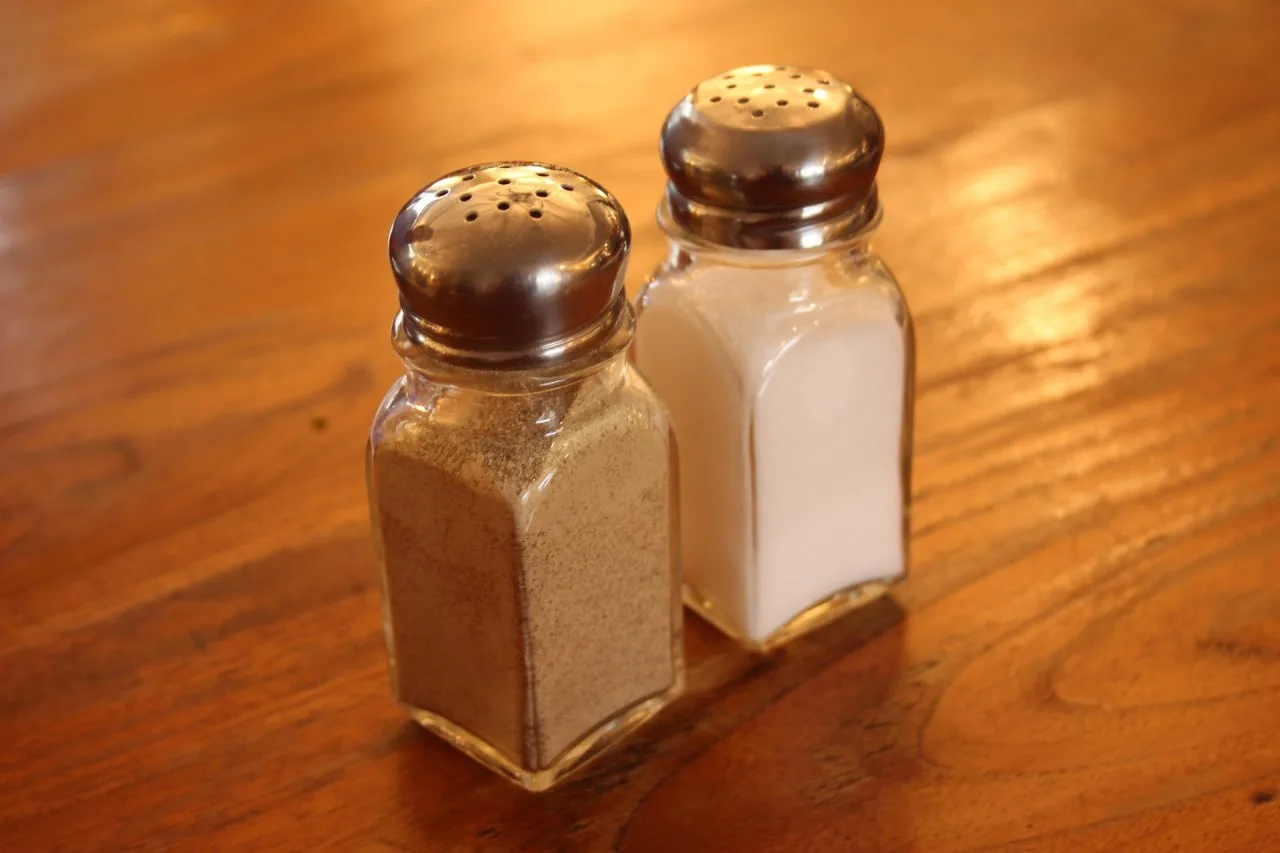
It’s a common misconception that most dietary sodium comes from the salt shaker. Research consistently shows that the vast majority – often over 70% – comes from processed, packaged, and restaurant foods. This means even if you rarely add salt to your home-cooked meals, you could still be consuming far too much.
- Processed and Packaged Foods: Items like canned soups, frozen dinners, cured meats (deli turkey, ham, bacon), cheeses, crackers, and snack foods are notorious for their high sodium content. Manufacturers use sodium not only for taste but also as a preservative.
- Breads and Baked Goods: As highlighted by the French study, even seemingly innocuous items like baguettes and other breads contribute significantly to daily sodium intake. Sodium acts as a leavening agent and flavor enhancer in these staples.
- Restaurant and Takeout Meals: Portions are often larger, and chefs frequently use generous amounts of salt to boost flavor. Sauces, dressings, and marinades in restaurant dishes are particularly high in sodium.
- Condiments and Sauces: Soy sauce, ketchup, barbecue sauce, salad dressings, and even some seemingly healthy dips can be loaded with sodium. Always check labels.
- Canned Vegetables and Beans: While healthy, their canned versions often contain added salt for preservation. Rinsing them can help, but fresh or frozen are often better choices.
Understanding these hidden sources is the first crucial step in taking control of your sodium intake and protecting your heart health.
Natural Strategies for Reducing Sodium Intake 🥦
Empowering yourself with knowledge about where sodium hides is essential. The next step involves adopting practical, natural strategies to reduce your intake without sacrificing flavor. These methods focus on whole foods and mindful preparation, aligning perfectly with a wellness-oriented lifestyle.
- Prioritize Whole, Unprocessed Foods: Base your diet around fresh fruits, vegetables, lean proteins (chicken, fish, beans, lentils), and whole grains (oats, brown rice, quinoa). These foods are naturally low in sodium and rich in essential nutrients.
- Become a Diligent Label Reader: Always check the nutrition facts panel. Look for terms like “low sodium” (140 mg or less per serving) or “no salt added.” Be wary of serving sizes, as a small package might contain multiple servings, multiplying the sodium content.
- Cook at Home More Often: Preparing meals from scratch gives you complete control over ingredients. This allows you to consciously reduce or eliminate added salt. Experiment with new recipes and cooking methods.
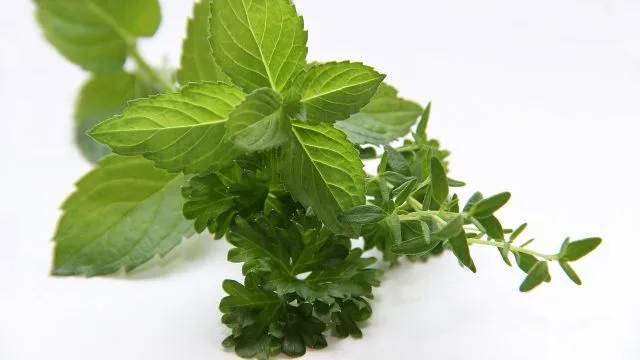
- Embrace Herbs, Spices, and Natural Flavor Enhancers: Ditch the salt shaker and unleash a world of flavor with fresh herbs like basil, oregano, rosemary, thyme, and cilantro. Spices like garlic powder, onion powder, paprika, cumin, and chili powder can transform dishes. Citrus juices (lemon, lime) and vinegars also add brightness without sodium.
- Rinse Canned Goods: If you must use canned beans or vegetables, rinse them thoroughly under cold water before use. This can significantly reduce their sodium content.
- Make Mindful Restaurant Choices: When dining out, don’t hesitate to ask for modifications. Request sauces and dressings on the side, ask for dishes to be prepared without added salt, and choose simply grilled or baked options. Opt for smaller portions or share meals.
By implementing these strategies, you can significantly reduce your sodium intake and pave the way for better cardiovascular health. Remember, a healthier diet is a key component in how specific nutrients and diet impact disease prevention.
Key Nutrients and Natural Remedies to Support Heart Health 💪
Beyond simply reducing sodium, certain nutrients and natural remedies can play a supportive role in maintaining optimal heart health and counteracting the effects of high blood pressure. Integrating these into your diet and lifestyle, always in consultation with a healthcare professional, can further bolster your cardiovascular resilience.
- Potassium: This vital mineral works synergistically with sodium, helping to balance fluid levels and relax blood vessel walls. Increasing potassium intake can help lower blood pressure. Excellent natural sources include bananas, avocados, spinach, sweet potatoes, tomatoes, and beans.
- Magnesium: Known for its role in over 300 biochemical reactions in the body, magnesium is crucial for proper muscle and nerve function, including the heart muscle. It also helps regulate blood pressure by promoting relaxation of blood vessels. Green leafy vegetables, nuts, seeds, legumes, and whole grains are rich in magnesium.
- Omega-3 Fatty Acids: Found abundantly in fatty fish like salmon, mackerel, and sardines, omega-3s are powerful anti-inflammatory agents. Research suggests they can support cardiovascular health by reducing triglyceride levels, improving arterial function, and potentially lowering blood pressure. For those who don’t consume enough fish, high-quality fish oil supplements can be beneficial. To maximize their effects, it’s important to understand why your fish oil might not be working and how to maximize benefits (expert guide).
- Garlic: Revered for centuries in traditional medicine, garlic contains compounds like allicin that research suggests may contribute to lower blood pressure and improved cholesterol levels. Incorporating fresh garlic into your cooking is a delicious way to reap its benefits.
- Hibiscus: Studies indicate that hibiscus tea can be an effective natural remedy for mildly elevated blood pressure. Its antioxidant properties and ability to act as a diuretic may contribute to these effects.
- Hawthorn Berry: This traditional herbal remedy has a long history of use for supporting heart function. Research suggests hawthorn may help dilate blood vessels, improve blood flow, and provide antioxidant protection to the cardiovascular system.
Remember, while these natural approaches offer significant potential, they should complement, not replace, conventional medical care. Always discuss any new supplements or significant dietary changes with your doctor, especially if you have existing health conditions or are taking medications.
Cultivating a Low-Sodium Lifestyle with Ease ✨
Transitioning to a lower-sodium diet doesn’t have to be drastic or overwhelming. The key is to make gradual, sustainable changes that fit into your everyday life. Your taste buds will adapt surprisingly quickly, and soon you’ll find yourself appreciating the natural flavors of food even more.
- Start Small: Begin by making one or two changes, like swapping out a high-sodium snack for a low-sodium alternative or committing to cooking dinner at home three times a week.
- Experiment with Flavor: Explore the vast world of herbs, spices, and natural seasonings. Discover new cuisines that rely less on salt and more on aromatic ingredients.
- Stay Hydrated: Drinking plenty of water is always beneficial for overall health and can help your body process and excrete excess sodium.
- Manage Stress: Chronic stress can contribute to elevated blood pressure. Incorporating stress-reducing practices like meditation, yoga, or spending time in nature can indirectly support heart health. Explore navigating life’s shifts: cultivating emotional wellness with natural healing for more insights.
- Regular Physical Activity: Exercise is a powerful tool for maintaining a healthy weight and blood pressure, both of which are crucial for cardiovascular health. Aim for at least 150 minutes of moderate-intensity activity per week.
By adopting these lifestyle adjustments, you’re not just reducing sodium; you’re building a foundation for comprehensive wellness that benefits every aspect of your health.
Practical Tips for a Heart-Healthy, Low-Sodium Diet 🌿
Putting knowledge into action is crucial for long-term success. Here are actionable tips you can implement starting today to significantly reduce your sodium intake and boost your heart health:
- Read Food Labels Diligently: Always check the “Nutrition Facts” panel for sodium content. Compare brands and choose those with the lowest sodium per serving.
- Cook More Meals at Home from Scratch: This gives you complete control over the ingredients and the amount of salt added. Prioritize fresh, whole ingredients.
- Embrace Herbs, Spices, Citrus, and Vinegar for Flavor: Experiment with a wide array of seasonings like garlic, onion powder, paprika, cumin, lemon juice, and apple cider vinegar to enhance taste without added sodium.
- Choose Fresh or Frozen Fruits and Vegetables Over Canned: Fresh and frozen options typically contain significantly less sodium than their canned counterparts. If using canned, always rinse thoroughly.
- Limit Processed Meats and Fast Food: Deli meats, bacon, sausages, and fast-food items are notorious for their high sodium levels. Opt for fresh, unprocessed protein sources instead.
- Opt for Low-Sodium Versions of Sauces and Condiments: Many brands now offer reduced-sodium soy sauce, broths, and salad dressings. Make these conscious swaps.
- Be Mindful of Portion Sizes: Even low-sodium foods can contribute to high intake if consumed in large quantities. Practice portion control.
- Hydrate with Water: Replace sugary drinks and excessive caffeine with plenty of plain water throughout the day.
Key Takeaways ❤️
Navigating the world of sodium can seem daunting, but armed with the right knowledge and strategies, you can make powerful changes for your heart health. Here are the most important points to remember:
- High sodium intake is a primary driver of hypertension, significantly increasing the risk of heart attacks and strokes.
- Recent research highlights that even small, population-level sodium reductions in everyday foods can lead to substantial public health benefits, preventing thousands of deaths and illnesses.
- The majority of dietary sodium comes from processed, packaged, and restaurant foods, not just the salt shaker.
- Prioritizing whole, unprocessed foods and cooking at home are the most effective natural strategies for reducing sodium intake.
- Key nutrients like potassium and magnesium, along with natural remedies such as garlic, hibiscus, and omega-3s, play a crucial role in supporting cardiovascular health.
- Sustainable sodium reduction is achieved through gradual changes, label reading, and embracing a diverse range of natural flavors.
Frequently Asked Questions 💧
How long does it take to see benefits from reducing sodium?
For some individuals, blood pressure can start to show improvements within a few weeks of significantly reducing sodium intake. However, consistent adherence to a low-sodium diet over months and years provides the most significant and lasting benefits for overall cardiovascular health. The body needs time to adjust and rebalance.
Can you completely eliminate sodium from your diet?
No, completely eliminating sodium from your diet is neither possible nor healthy. Sodium is an essential mineral required for vital bodily functions, including nerve impulse transmission, muscle contraction, and maintaining proper fluid balance. The goal is to reduce excessive intake and consume it within healthy recommended limits, typically less than 2,300 mg per day for most adults.
Is it safe to use salt substitutes?
Salt substitutes often contain potassium chloride instead of sodium chloride. While they can be a useful tool for some, individuals with kidney disease or those taking medications that affect potassium levels (such as ACE inhibitors or potassium-sparing diuretics) should consult their healthcare professional before using them. Excessive potassium can be dangerous for these groups.
What happens if I suddenly cut out too much sodium?
While the goal is reduction, drastically cutting out sodium too quickly can sometimes lead to an imbalance in electrolytes, especially in individuals with certain health conditions or those who are very active. Symptoms might include dizziness, nausea, fatigue, or muscle cramps. It’s generally recommended to reduce sodium intake gradually, allowing your body to adjust, and to focus on replacing high-sodium foods with naturally low-sodium whole foods.
The Bottom Line 🌞
The journey to a healthier heart is paved with conscious choices, and understanding your sodium intake is a powerful step. The compelling research from France and the UK reminds us that even tiny adjustments to the food supply can save thousands of lives. However, you don’t have to wait for large-scale changes to make an impact on your own health.
By embracing whole foods, becoming a savvy label reader, and exploring the vibrant world of herbs and spices, you can dramatically reduce your sodium consumption. Supplementing your diet with key nutrients and natural remedies, always under professional guidance, further strengthens your cardiovascular defenses. Remember, every small step you take towards a lower-sodium lifestyle is a profound investment in your long-term wellness. Consult with your healthcare professional to tailor these recommendations to your unique health needs and embark on a path to a healthier, more vibrant you.
Sources:
How Healthy Are Your Habits?
10 quick questions · Get your personal wellness score