
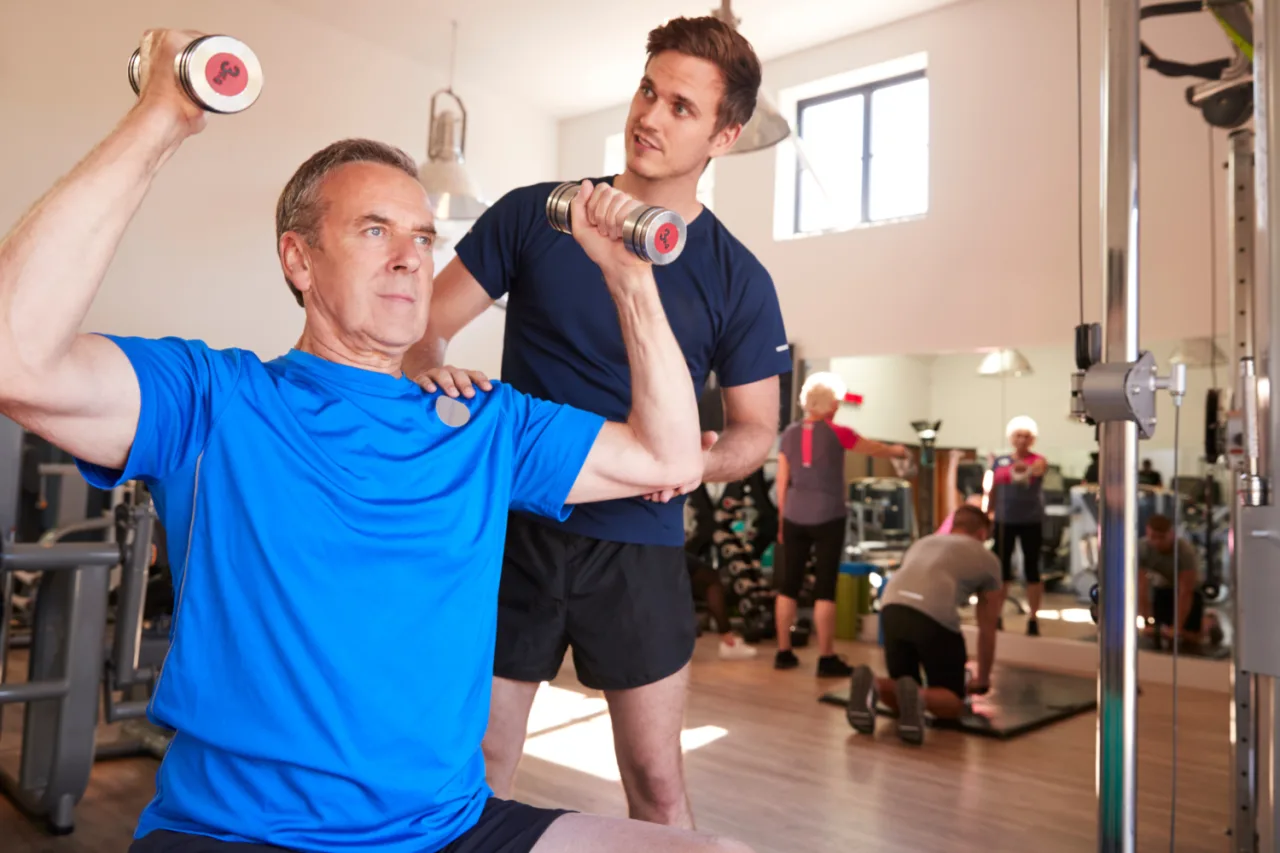
Are you finding it increasingly challenging to build or even maintain muscle mass, especially as you navigate the different stages of life? Many people experience a decline in muscle strength and size, a condition known as sarcopenia, which can begin as early as your 30s. This isn’t just about aesthetics; dwindling muscle mass significantly impacts your energy levels, physical function, and overall long-term health, making everyday tasks harder and increasing the risk of falls and other health complications. The frustrating part? It often feels like you’re putting in the effort without seeing the desired results, or that once muscle is lost, it’s gone for good.
But why does this happen, and is there a way to effectively counter it? Recent scientific advancements reveal fascinating insights into how our muscles respond to exercise and inactivity, including a remarkable concept called “molecular memory.” This memory can either work in your favor or against you, particularly as you age. The good news is that new, simplified guidelines for resistance training, coupled with a deeper understanding of muscle physiology, offer clear, evidence-based pathways to building and maintaining robust muscle health, no matter your age or starting point. It’s time to uncover strategies that truly work to empower your body’s potential.
The Surprising Truth About Building Muscle: Consistency Over Complexity 💪
For years, many believed that significant muscle gains required complex, grueling gym routines. However, updated guidelines from the American College of Sports Medicine (ACSM), based on an extensive review of 137 systematic reviews involving more than 30,000 participants, deliver a refreshing message: any amount of resistance training improves strength, muscle size, power, and physical function. This is a significant shift from previous recommendations, emphasizing accessibility and adherence.
As Stuart Phillips, a distinguished professor and author on the Position Stand, states, “The best resistance training program is the one you’ll actually stick with.” This powerful insight underscores that consistency and enjoyment are far more critical than chasing a ‘perfect’ or overly complicated training plan. Whether you’re using barbells, elastic bands, or just your body weight, the act of consistent effort is what truly drives results for most adults.
The research suggests that focusing on training all major muscle groups at least twice a week is more impactful than getting caught up in intricate details of load, volume, or frequency. The primary goal should be to build a sustainable and enjoyable routine. This means rigid rules and prescriptive ideal programs are no longer supported by the latest evidence, making muscle building more approachable for everyone.
Understanding Muscle Memory: A Double-Edged Sword for Aging Muscles 🧠
Have you ever noticed that regaining muscle after a break seems easier than building it from scratch? This phenomenon isn’t just anecdotal; it’s backed by science revealing a concept known as “molecular memory” within skeletal muscle. New research published in Advanced Science demonstrates that muscles retain a molecular trace of past experiences, both of use and disuse.
However, this memory isn’t always beneficial, especially as we age. Studies comparing young adults and aged animal models found a stark difference. In young muscles, repeated periods of inactivity led to atrophy, but the molecular response showed a protective memory. Oxidative and mitochondrial gene pathways, crucial for energy production, were less disrupted during subsequent periods of disuse, indicating resilience and a quicker bounce-back potential.
In contrast, aged muscle developed a detrimental memory of disuse. Repeated inactivity caused greater muscle atrophy, an exaggerated suppression of aerobic metabolism and mitochondrial genes, and even activation of DNA-damage pathways. This suggests that for older adults, periods of inactivity can have a more severe and lasting negative impact on muscle health and recovery.
“Muscle carries a history of both strength and weakness, and these molecular memories may accumulate over time to shape how it responds when inactivity occurs again.” – Adam P. Sharples, Ph.D.
Understanding this molecular memory is essential for designing better strategies to support recovery after illness, injury, or age-related decline. It highlights the critical importance of minimizing prolonged periods of inactivity, especially as we get older, and prioritizing consistent movement to evoke beneficial memory signals.
Beyond the Gym: Effective Resistance Training Anywhere 🌿
One of the most empowering findings from the updated resistance training guidelines is the debunking of the myth that you need a fully equipped gym to build muscle. Research now clearly shows that meaningful results don’t require expensive equipment or a dedicated gym membership. This accessibility is a game-changer for many who find gym environments intimidating or inconvenient.
Elastic bands, bodyweight exercises, and home-based routines offer clear and measurable improvements in strength, muscle size, and functional performance. Think squats, lunges, push-ups, planks, and glute bridges – all can be done with minimal to no equipment. The key is progressive overload, meaning you gradually increase the challenge over time, whether by adding more repetitions, sets, reducing rest, or using a more difficult variation of an exercise.
The emphasis is on finding a routine you enjoy and can consistently stick with. This might mean dedicating short bursts of activity throughout your day, integrating bodyweight circuits into your morning routine, or using resistance bands during commercial breaks. The flexibility of these options makes building and maintaining muscle a realistic goal for everyone, regardless of their lifestyle or access to facilities.
Boosting Endurance and Performance: The Role of Capillaries and Training ❤️
Beyond raw strength, endurance plays a vital role in overall fitness and daily function. New research highlights the critical importance of capillaries, the body’s smallest blood vessels, in enhancing physical performance. These tiny vessels act as the muscles’ supply lines, delivering oxygen and nutrients while efficiently removing waste products. The more capillaries a muscle has, the better its capacity for sustained effort and recovery.
Studies have identified a specific gene variant that significantly influences the body’s ability to form new blood vessels in muscles. This favorable variant is considerably more common among top endurance athletes, such as cross-country skiers, compared to athletes in explosive sports or non-athletes. Individuals with this variant produce less of a protein that acts as a “genetic brake” on new blood vessel formation, leading to a greater capillary network and enhanced endurance.
However, even if you don’t carry this specific gene variant, there’s excellent news: you can still improve your capillary network through strategic training. High-intensity interval training (HIIT), characterized by short bursts of intense exercise followed by brief recovery periods, has been shown to effectively “release the brake” on this protein’s activity. This stimulates the growth of new capillaries, improving oxygen transport and boosting your endurance capacity. Incorporating HIIT into your routine can be a powerful way to enhance your cardiovascular fitness and muscle efficiency.
The Genetic Edge: How Your Genes Influence Muscle Adaptation ✨
While consistent effort and smart training are paramount, cutting-edge research reveals that our genetics also play a role in how our muscles adapt and perform. The discovery of a gene variant that controls the formation of blood vessels in muscles, as described earlier, offers a glimpse into this intricate relationship. This variant, identified in an international study involving over 600 Swedes and then confirmed across independent international athlete cohorts, directly impacts the protein that regulates capillary growth.
If an individual carries this specific variant, their body naturally forms more capillaries in the muscles. This provides a significant advantage for endurance sports due to improved oxygen and nutrient delivery. However, it’s important to note that the study also found this variant to be extremely rare among athletes in explosive sports and may even be linked to a slightly higher predisposition to injury due to the different muscle fiber characteristics it might promote. This highlights the complex interplay between genetic predispositions and athletic specialization.
This research doesn’t diminish the power of training but rather enriches our understanding. While genetics can provide a ‘head start’ in certain areas, the vast majority of individuals can still achieve remarkable improvements in muscle strength, size, and endurance through consistent and well-planned exercise. It emphasizes that while you can’t change your genes, you absolutely can influence their expression and your body’s capabilities through your lifestyle choices and training regimen.
Practical Tips for Lifelong Muscle Health 💧
- Start Small, Stay Consistent: The new guidelines are clear – any amount of resistance training is beneficial. Begin with 1-2 sessions per week, focusing on compound movements that work multiple muscle groups. Gradually increase duration or intensity as you get stronger.
- Embrace Diverse Resistance: Don’t limit yourself to weights. Incorporate bodyweight exercises (push-ups, squats, lunges), resistance bands, and even household items. Variety keeps your muscles challenged and your routine engaging.
- Prioritize Progressive Overload: To continue building muscle, you need to progressively challenge your body. This could mean adding more repetitions, increasing resistance (heavier bands, weights), performing more sets, or simply slowing down the movement for increased time under tension.
- Incorporate High-Intensity Interval Training (HIIT): For enhanced endurance and capillary growth, integrate 1-2 HIIT sessions per week. Short bursts of maximal effort followed by brief recovery periods can significantly boost your cardiovascular and muscular efficiency.
- Fuel Your Body Wisely: Adequate protein intake is crucial for muscle repair and growth. Aim for roughly 0.7-1 gram of protein per pound of body weight daily, distributed throughout your meals. Don’t forget healthy fats and complex carbohydrates for energy.
- Optimize Recovery: Muscle growth happens during rest. Prioritize 7-9 hours of quality sleep each night. Consider active recovery like light stretching or walking on non-training days. Remember, sleep is a cornerstone of fitness and overall well-being.
- Listen to Your Body: Pay attention to signs of overtraining or potential injury. Rest when needed, modify exercises, and don’t push through pain. Consistency over intensity is key for long-term success.
- Consult a Professional: Before starting any new exercise program, especially if you have underlying health conditions, consult with your doctor or a certified fitness professional. They can help tailor a plan that’s safe and effective for your individual needs.
Key Takeaways for Sustainable Strength 🌟
- Any Resistance Training Helps: The most critical step is simply starting. Consistency and enjoyment of your routine outweigh complex training plans.
- Muscle Memory is Real, and Age Matters: Young muscles show a protective memory against disuse, while aged muscles can develop a detrimental memory, making consistent activity vital for older adults.
- No Gym, No Problem: Bodyweight exercises, resistance bands, and home routines are highly effective for building strength and muscle.
- Boost Endurance with Capillaries: More capillaries improve oxygen delivery to muscles. HIIT can stimulate new capillary growth, enhancing both endurance and recovery.
- Genetics Inform, Training Transforms: While genes influence muscle adaptation, consistent and smart training can significantly improve your muscle health, performance, and overall fitness at any age.
Frequently Asked Questions ❓
How long does it take to see results from resistance training?
While individual results vary, research suggests that you can start experiencing improvements in strength and physical function within a few weeks of consistent resistance training. Visible changes in muscle size, or hypertrophy, typically become noticeable after 8-12 weeks, especially when coupled with proper nutrition and recovery. Remember, the key is consistency, even small amounts of training over time yield significant benefits.
Can you build muscle without going to a gym?
Absolutely! The latest guidelines confirm that you don’t need a gym to build meaningful muscle. Bodyweight exercises, resistance bands, and even household items can provide sufficient resistance to stimulate muscle growth and improve strength. The most important factor is progressive overload and consistently challenging your muscles, which can be achieved effectively at home.
Is muscle loss inevitable with aging?
While age-related muscle loss (sarcopenia) is common, it is not inevitable or irreversible. New research on muscle memory shows that while aged muscles are more susceptible to the detrimental effects of disuse, consistent resistance training can significantly mitigate and even reverse this decline. Regular physical activity, especially resistance training, is the most effective strategy to maintain muscle mass and function throughout your lifespan.
What type of exercise is best for endurance and muscle health?
For overall muscle health, a well-rounded resistance training program targeting all major muscle groups is crucial. For enhancing endurance and improving your muscles’ efficiency (through capillary growth), high-intensity interval training (HIIT) is highly effective. Combining both resistance training and HIIT, along with adequate recovery and nutrition, provides a comprehensive approach to optimal muscle health and performance.
The Bottom Line 🌞
Building and maintaining muscle throughout your life is not only possible but more accessible than ever, thanks to updated scientific insights. The days of believing you need a complex, intense gym regimen to see results are over. Instead, the focus has shifted to the power of consistency, enjoyment, and understanding your body’s unique adaptations.
Whether you’re starting from scratch, looking to regain lost strength, or simply aiming to defy age-related decline, remember that every effort counts. By embracing diverse forms of resistance training, understanding the nuances of muscle memory, and leveraging strategies to boost endurance, you can cultivate a strong, resilient body. Empower yourself with this knowledge and take that first consistent step towards a lifetime of improved muscle health and vitality. Your future self will thank you.
Sources:
- Updated guidelines find even small amounts of resistance training build muscle
- Skeletal muscle retains a 'molecular memory' of repeated disuse, study finds
- A genetic brake that forms our muscles: Variant linked to endurance may also raise odds of injury
How Healthy Are Your Habits?
10 quick questions · Get your personal wellness score