Are you putting in the effort at the gym, carefully planning your meals, and yet still feeling frustrated by a lack of tangible progress? You’re not alone. Many individuals find themselves stuck on a fitness plateau, wondering why their hard work isn’t translating into the results they desperately seek. This can be incredibly disheartening, leading to demotivation and even abandonment of their wellness goals. The truth is, achieving consistent fitness results requires more than just showing up; it demands a strategic, holistic approach that addresses nutrition, training, recovery, and even your environment. Understanding the common pitfalls and implementing science-backed solutions is key to unlocking the progress you deserve.
Understanding the Fitness Plateau: Why Your Efforts Aren’t Paying Off ✨
The journey to better fitness is rarely a straight line. Often, initial enthusiasm and effort yield quick results, which then slow down or halt entirely. This frustrating experience, known as a fitness plateau, usually stems from a combination of factors that, while seemingly minor, can significantly impede progress. It’s not about a lack of effort, but often a misdirection of that effort.
One of the most common mistakes is focusing solely on the scale for weight loss. While weight reduction is a goal for many, what most people truly desire is to shed excess body fat, not valuable muscle tissue. Unfortunately, without a well-designed plan, a calorie deficit can lead to a significant loss of both fat and muscle. Losing muscle actually slows your metabolism, making future fat loss even harder.
Furthermore, inadequate attention to key components like protein intake, resistance training, and quality sleep can sabotage even the most dedicated efforts. Your body needs the right signals and resources to adapt and improve. Ignoring these foundational elements is like trying to build a house without a strong foundation; it simply won’t stand the test of time or pressure. Addressing these underlying issues is crucial for breaking through plateaus and achieving sustainable, meaningful results.
The Indispensable Role of Protein in Body Composition 💪
When it comes to transforming your body and seeing real fitness results, protein is a non-negotiable macronutrient. Its role extends far beyond just building big muscles; it’s central to fat loss, muscle preservation, and overall metabolic health. Research consistently highlights protein’s multifaceted influence on weight management, impacting hunger levels, metabolism, and the critical retention of muscle tissue.
During a calorie deficit, your body naturally seeks energy. If sufficient protein isn’t consumed alongside resistance training, your body may start to break down muscle tissue for fuel. This is where protein steps in, providing an ample supply of amino acids, which are the building blocks your body needs. These amino acids signal to your body to retain existing muscle and even build new muscle when combined with the right stimulus.
Studies indicate that a high-protein diet can lead to a 23% improvement in muscle protein synthesis compared to lower protein diets, especially when paired with resistance exercise.
For those struggling to hit their daily protein goals through whole foods alone, protein powders offer a convenient and lean source of this vital macronutrient. Experts recommend aiming for at least 25-30 grams of protein per meal or snack to maximize muscle protein synthesis and satiety. When choosing a protein powder, look for products with a high protein-to-calorie ratio, ideally at least 15 grams of protein per 100 calories.
Whey protein, a popular choice, is a complete protein containing all nine essential amino acids, including branched-chain amino acids (BCAAs) like leucine, which are crucial for muscle growth. Whey protein comes in various forms: concentrate, isolate, and hydrolysate. Isolates and hydrolysates are generally preferred for their higher protein content, lower fat/carb content, and easier digestion, as they are more filtered. Always consult with a healthcare professional or registered dietitian to determine the best protein strategy for your individual needs and goals.
Beyond the Scale: Embracing Strength Training and Active Recovery 🌿
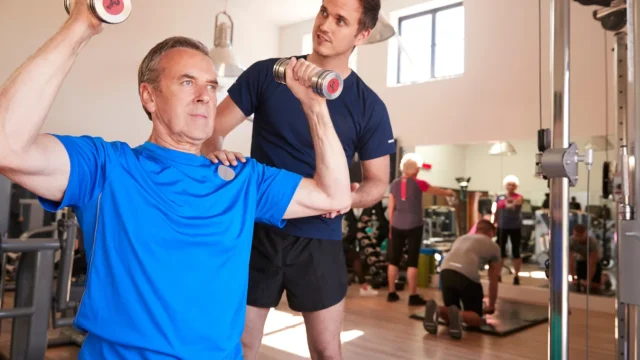
While cardiovascular exercise has its place, resistance training is paramount for anyone serious about body recomposition and long-term fitness results. Lifting weights or engaging in bodyweight exercises provides the necessary stimulus for your muscles to grow stronger and larger. This not only sculpts your physique but also boosts your resting metabolism, meaning you burn more calories even when you’re not exercising. Remember, muscle is metabolically active tissue, and the more you have, the more efficient your body becomes at burning fat.
Consistency in resistance training is more important than intensity in the long run. Establishing a regular routine helps your body adapt and build strength over time. If you find maintaining a consistent exercise schedule challenging, it might be beneficial to explore strategies for Why Consistent Exercise Is So Hard and How to Fix It. Furthermore, proper form is essential to prevent injuries and ensure you’re effectively targeting the desired muscle groups. Don’t be afraid to start with lighter weights or bodyweight exercises and gradually increase the load as your strength improves. Building and maintaining muscle is a lifelong endeavor, and you can achieve significant results at any age by following a science-backed approach. For more detailed guidance, consider reading How to Build & Maintain Muscle at Any Age (Science-Backed Guide).
However, strength training is only half the equation. Active recovery, such as light cardio, stretching, or yoga, and simply giving your muscles time to repair are just as crucial. Over-training without adequate rest can lead to burnout, increased injury risk, and stalled progress. Listen to your body and incorporate rest days into your weekly schedule to allow for optimal muscle repair and growth.
Optimizing Your Home Workout Space: Solutions for Small Areas 💧
One common barrier to consistent exercise is the perceived lack of space or access to a gym. However, modern fitness solutions make it entirely possible to achieve impressive results even in a compact living environment. You don’t need a sprawling home gym; you simply need the right tools and a smart approach to utilizing your available space.
For those with limited room, compact exercise equipment can be a game-changer. Take rowing machines, for instance. Historically large, many brands now offer excellent compact alternatives that provide a full-body workout without dominating your living area. These machines often feature folding designs or upright storage options, making them easy to tuck away when not in use. Despite their smaller footprint, many compact rowers come equipped with advanced tech features, including trainer-led workouts and performance tracking, rivaling their larger counterparts.
A rowing machine provides a powerful combination of cardio and strength training, engaging up to 86% of your body’s muscles in a single, fluid motion. This makes it an incredibly efficient choice for improving cardiovascular health, building muscular endurance, and burning calories. When selecting a compact rower, consider factors like its overall dimensions, portability, resistance type (magnetic, air, water), and any available programming that can keep your workouts engaging and challenging. Investing in smart, space-saving equipment removes a significant barrier to consistent exercise, empowering you to work out on your own terms, whenever suits you best.
The Hidden Power of Sleep and Mental Well-being 🧠
Often overlooked in the pursuit of fitness results are the critical roles of sleep and mental well-being. You can train hard and eat perfectly, but without adequate rest, your body simply cannot recover, repair, or perform optimally. Sleep is when your body releases growth hormone, essential for muscle repair and growth, and regulates cortisol, the stress hormone that can hinder fat loss and muscle gain. Poor sleep negatively impacts energy levels, mood, decision-making (leading to poorer food choices), and even your body’s ability to process glucose efficiently.
Experts recommend aiming for 7-9 hours of quality sleep per night. Establishing a consistent sleep schedule, creating a relaxing bedtime routine, and optimizing your sleep environment can significantly improve your recovery and, consequently, your fitness results. The synergistic power of sleep and fitness cannot be overstated; they are two sides of the same wellness coin. For a deeper dive into this vital connection, explore Unlock Your Full Potential: The Synergistic Power of Sleep & Fitness.
Beyond physical recovery, your mental state profoundly influences your ability to stick to a fitness plan and achieve your goals. Chronic stress, anxiety, or feeling mentally stuck can deplete your motivation and make consistent effort feel overwhelming. Exercise, in turn, is a powerful tool for improving mental health, reducing stress, and boosting mood. Understanding how physical activity can help you cope when you feel mentally stuck is a crucial aspect of a holistic wellness strategy. Cultivating a positive mindset, setting realistic goals, and practicing self-compassion are just as important as the physical work itself.
Practical Tips for Sustained Fitness Success ❤️
Breaking through fitness plateaus and achieving lasting results requires a strategic and consistent approach. Here are actionable tips you can implement starting today:
- Prioritize Protein Intake: Aim for 0.7-1 gram of protein per pound of body weight daily, especially if you’re engaging in resistance training or a calorie deficit. Use protein powder as a convenient supplement if needed.
- Embrace Progressive Overload: Consistently challenge your muscles in resistance training. Gradually increase weight, reps, sets, or decrease rest times to stimulate continuous growth and adaptation.
- Optimize Your Sleep Environment: Create a dark, quiet, and cool bedroom. Stick to a consistent sleep schedule, even on weekends, to regulate your body’s natural circadian rhythm.
- Incorporate Active Recovery: Don’t skip rest days. Instead, use them for light activities like walking, stretching, or foam rolling to aid muscle recovery and reduce soreness.
- Utilize Space-Saving Equipment: If space is a concern, invest in versatile, compact equipment like resistance bands, adjustable dumbbells, or a compact rowing machine to facilitate effective home workouts.
- Stay Hydrated: Drink plenty of water throughout the day. Proper hydration is essential for metabolic function, nutrient transport, and overall physical performance.
- Track Your Progress Beyond the Scale: Monitor non-scale victories like strength gains, improved endurance, better mood, consistent energy levels, and changes in body measurements or how clothes fit.
- Seek Professional Guidance: Consider consulting a certified personal trainer, registered dietitian, or healthcare professional. They can provide personalized plans and address specific health concerns.
Key Takeaways 🥦
- Achieving fitness results requires a holistic strategy encompassing nutrition, training, recovery, and mental well-being.
- Protein is crucial for muscle preservation, satiety, and metabolic health, especially during fat loss phases.
- Resistance training is fundamental for building muscle, boosting metabolism, and improving body composition.
- Adequate sleep is non-negotiable for hormone regulation, muscle repair, and overall physical and mental performance.
- Space constraints are no longer an excuse; compact and versatile home workout equipment can provide effective solutions.
- Consistency, progressive overload, and listening to your body’s recovery needs are key to long-term success.
- Focus on sustainable habits and celebrate non-scale victories to maintain motivation and a positive mindset.
Frequently Asked Questions 🌞
How long does it take to see fitness results?
The timeline for seeing fitness results varies greatly depending on individual factors like starting fitness level, consistency, diet, and genetics. Generally, you might notice subtle changes in energy levels and strength within 2-4 weeks. Visible changes in body composition often take 8-12 weeks of consistent effort. Long-term, sustainable results are a marathon, not a sprint.
Can you lose fat and gain muscle at the same time?
Yes, it is possible to lose fat and gain muscle simultaneously, a process known as body recomposition. This is often more achievable for beginners, individuals returning to exercise, or those with higher body fat percentages. It typically requires a carefully managed calorie deficit, high protein intake, and consistent resistance training. For experienced lifters, these processes may become more distinct.
Is protein powder necessary for fitness goals?
Protein powder is a convenient supplement, not a necessity. You can absolutely achieve your fitness goals through whole food sources of protein. However, for individuals who struggle to meet their daily protein requirements, or who need a quick, low-calorie protein source, protein powder can be an incredibly useful tool to support muscle recovery and growth.
What type of exercise is best for overall fitness?
For overall fitness, a balanced approach combining different types of exercise is generally recommended. This includes resistance training for strength and muscle, cardiovascular exercise (like rowing, running, or cycling) for heart health and endurance, and flexibility/mobility work (such as stretching or yoga) for range of motion and injury prevention. The ‘best’ exercise is ultimately the one you enjoy and can stick with consistently.
The Bottom Line 💯
Stalling in your fitness journey can be incredibly frustrating, but it’s rarely a sign of personal failure. More often, it’s an indication that your approach needs a strategic adjustment. By understanding the critical roles of adequate protein intake, consistent resistance training, quality sleep, and smart equipment choices, you can effectively address the underlying reasons for your plateau. Remember, fitness is a holistic endeavor that thrives on consistency, patience, and a willingness to adapt your strategy as you evolve. Empower yourself with knowledge, take actionable steps, and consult with professionals when needed. Your body is capable of amazing things – give it the support it deserves to unlock its full potential.
Sources:
- The Best Protein Powders for Weight Loss, According to a Certified Nutrition Coach
- The Best Compact Rowing Machines for Small Spaces in 2025
- The Best Whey Protein Powders of 2025, According to a Certified Sports Nutrition Coach
How Healthy Are Your Habits?
10 quick questions · Get your personal wellness score