Are you concerned about your cholesterol levels? You’re not alone. High levels of low-density lipoprotein (LDL) cholesterol, often dubbed “bad” cholesterol, pose a silent yet significant threat to millions worldwide. This insidious condition often shows no symptoms until it contributes to serious health issues like heart attacks and strokes. Despite decades of medical advancements, a staggering number of individuals still struggle to reach safe cholesterol targets, highlighting a critical need for effective and accessible solutions.
Understanding the impact of high LDL cholesterol and actively managing it is one of the most proactive steps you can take for your long-term health. While groundbreaking medical research continues to push the boundaries of treatment, the foundation of a healthy heart often begins right in your kitchen. This expert guide will walk you through the science behind LDL cholesterol, agitate the problem by explaining its profound risks, and then present actionable, evidence-based dietary and lifestyle solutions to help you lower bad cholesterol naturally.
The Silent Threat: Understanding High LDL Cholesterol 🌿
LDL cholesterol is a waxy, fat-like substance essential for building healthy cells. However, when its levels become too high, it can accumulate in the walls of your arteries. This process, known as atherosclerosis, leads to the hardening and narrowing of arteries, restricting blood flow.
Over time, these plaques can rupture, forming blood clots that block blood flow entirely, resulting in life-threatening events like heart attacks or strokes. The insidious nature of high LDL is that it often presents no warning signs, making regular screening and proactive management absolutely crucial.
Indeed, the ongoing challenge of managing LDL cholesterol is so significant that researchers continue to develop groundbreaking medical interventions. A recent phase three clinical trial, for example, demonstrated that a new experimental pill, enlicitide, could reduce “bad” cholesterol by as much as 60%, matching the efficacy of injectable therapies. This breakthrough, if approved, could offer a new lifeline for millions, underscoring the critical need for effective solutions.
However, while medical science progresses, many find empowerment and significant results by focusing on their diet and lifestyle. These foundational choices not only complement medical treatments but can also be incredibly powerful tools for prevention and management on their own.
Beyond Medication: Why Diet and Lifestyle Are Your First Line of Defense 💪
While new medications offer promising avenues for cholesterol management, experts consistently emphasize that diet and lifestyle remain the bedrock of heart health. These daily choices directly influence your body’s cholesterol production, absorption, and elimination pathways. They offer a sustainable, holistic approach that addresses not just cholesterol, but overall well-being.
Your genes play a role in how your body handles cholesterol, but lifestyle factors often have a more profound and immediate impact. Making conscious choices about what you eat, how active you are, and how you manage stress can significantly shift your cholesterol profile for the better. This proactive approach empowers you to take control of your heart health, often reducing the need for or enhancing the effectiveness of medication.
Focusing on nutrition and lifestyle provides benefits far beyond just lowering LDL. It can improve blood pressure, manage blood sugar, support healthy weight, and reduce inflammation throughout your body. These interconnected benefits create a powerful defense against not just heart disease, but a host of chronic conditions.
Foods That Fight Back: Your Anti-Cholesterol Arsenal 🥦
Your plate can be a powerful tool in the fight against high LDL cholesterol. By making informed food choices, you can significantly impact your lipid profile. Here are key dietary components and foods that research suggests can help lower bad cholesterol:
- Soluble Fiber: This type of fiber dissolves in water to form a gel-like substance in your digestive tract. It helps lower LDL cholesterol by binding to cholesterol and preventing its absorption, instead carrying it out of the body.
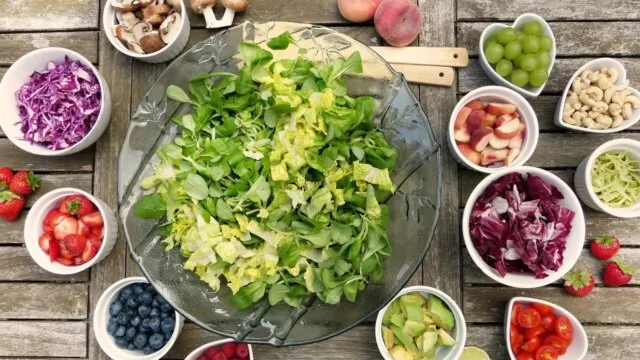
- Best Sources: Oats, barley, psyllium, apples, citrus fruits, berries, beans, lentils, and peas.
- Expert Tip: Aim for 5-10 grams or more of soluble fiber daily. For a deeper dive into fiber’s impact, consider reading How Fiber, Pesticides, and Functional Foods Impact Your Longevity.
- Omega-3 Fatty Acids: While not directly lowering LDL, omega-3s are renowned for their anti-inflammatory properties and their ability to significantly lower triglycerides, another type of fat in the blood that contributes to heart disease.
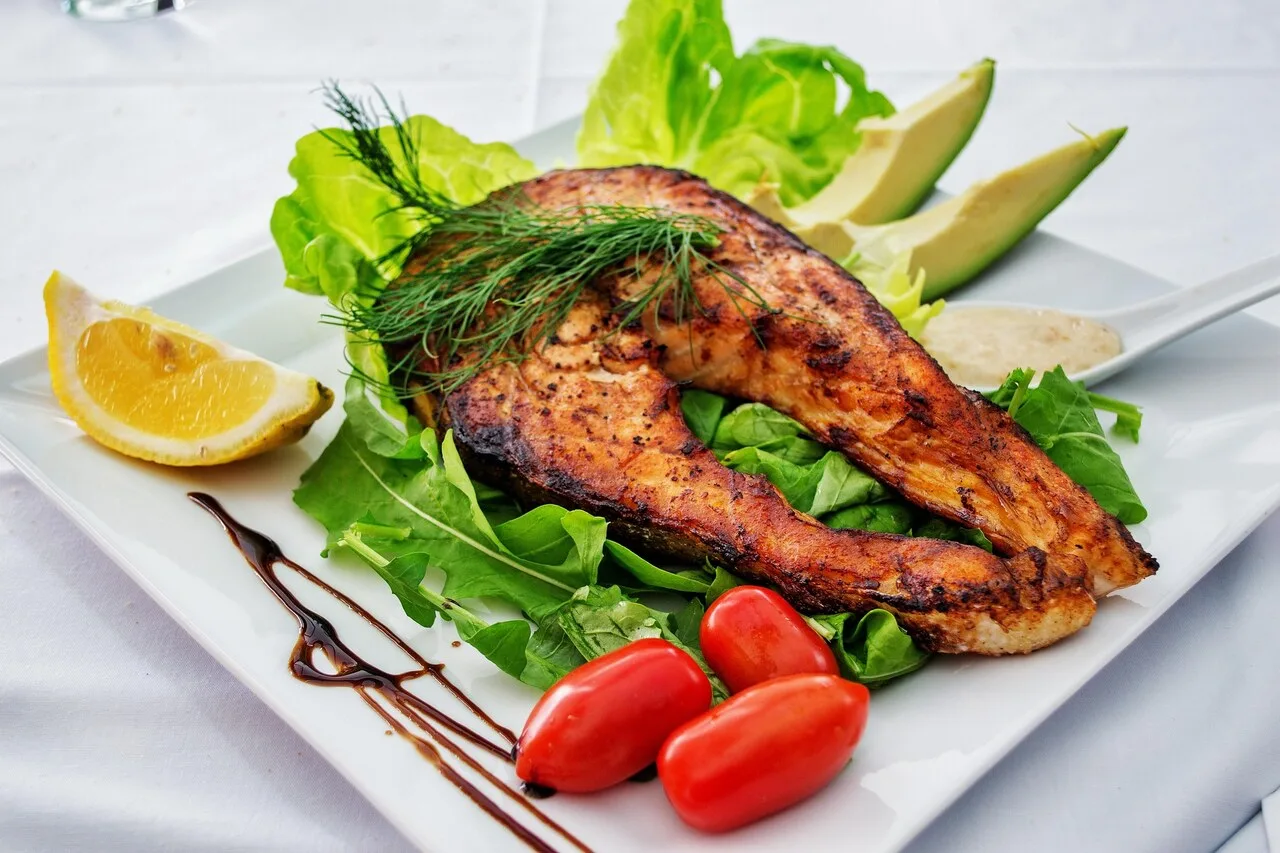
- Best Sources: Fatty fish like salmon, mackerel, tuna, and sardines. Plant-based sources include flaxseeds, chia seeds, and walnuts.
- Plant Sterols and Stanols: These plant compounds are structurally similar to cholesterol and compete with it for absorption in your digestive system. This competition means less dietary cholesterol is absorbed into your bloodstream.
- Best Sources: Found naturally in small amounts in nuts, seeds, grains, fruits, and vegetables. Many foods like certain margarines, yogurts, and orange juices are fortified with them.
- Research Note: Studies indicate that consuming 2 grams of plant sterols or stanols daily can reduce LDL cholesterol by 5-15%.
- Healthy Fats: Replacing saturated and trans fats with unsaturated fats is crucial. Monounsaturated and polyunsaturated fats can help reduce LDL cholesterol.
- Best Sources: Olive oil, avocado oil, avocados, nuts (almonds, walnuts, pecans), and seeds (sunflower, pumpkin).
- Caution: Even healthy fats are calorie-dense, so consume in moderation. For more insights on the types of fats that impact your health, see How Iron, Fats, and Folic Acid Impact Your Health.
- Antioxidant-Rich Foods: Oxidative stress contributes to the hardening of arteries. Foods rich in antioxidants help protect your cells from damage.
- Best Sources: Berries, leafy greens (spinach, kale), dark chocolate (in moderation), and colorful vegetables like bell peppers and carrots.
- Lean Proteins: Opt for lean protein sources to support satiety and muscle health without adding excessive saturated fat.
- Best Sources: Skinless poultry, fish, legumes, beans, and tofu.
The Gut-Heart Connection: Probiotics and Cholesterol Management ❤️
The intricate ecosystem within your gut, known as the gut microbiome, plays a surprisingly significant role in your overall health, including cardiovascular wellness. Emerging research suggests that certain beneficial bacteria in your gut can influence cholesterol metabolism.
Some probiotic strains may help lower LDL cholesterol by breaking down bile salts, which are made from cholesterol, in the gut. This process prompts the liver to draw more cholesterol from the bloodstream to produce new bile salts, thereby reducing circulating LDL.
The profound impact of the microbiome on our health is a rapidly expanding field. While exciting, early-stage research is exploring highly specialized applications, such as engineered probiotic bacteria designed to target and deliver anti-cancer compounds, it underscores the incredible potential of our microbial inhabitants. For cholesterol management, the focus is on fostering a diverse and healthy gut through dietary choices, which in turn can influence cholesterol metabolism and overall heart health. Incorporating fermented foods and, if appropriate, probiotic supplements can be a supportive strategy for a healthier gut and, by extension, a healthier heart. To learn more about optimizing your gut health, explore How to Boost Your Gut Health, Sleep, and Cellular Defense for Optimal Wellness (Expert Guide).
Lifestyle Habits That Support Healthy Cholesterol Levels ✨
Beyond dietary changes, your daily habits wield considerable power over your cholesterol levels and overall heart health. Integrating these lifestyle practices can amplify the benefits of a heart-healthy diet.
- Regular Physical Activity: Exercise is a potent tool for improving your lipid profile. It can help increase high-density lipoprotein (HDL) cholesterol (the “good” cholesterol) and lower triglycerides. Aim for at least 150 minutes of moderate-intensity aerobic exercise or 75 minutes of vigorous-intensity exercise per week.
- Weight Management: Maintaining a healthy weight significantly impacts cholesterol levels. Even modest weight loss (5-10% of body weight) can lead to meaningful reductions in LDL cholesterol and triglycerides.
- Stress Reduction: Chronic stress can contribute to higher cholesterol levels and other cardiovascular risks. Incorporate stress-reducing activities like meditation, yoga, deep breathing exercises, or spending time in nature into your daily routine.
- Quit Smoking: Smoking damages blood vessel walls, accelerates plaque buildup, and lowers HDL cholesterol. Quitting is one of the most impactful steps you can take for your heart health.
- Limit Alcohol Intake: Excessive alcohol consumption can raise triglyceride levels and contribute to high blood pressure. If you drink, do so in moderation (up to one drink per day for women, up to two for men).
- Prioritize Quality Sleep: Poor sleep patterns have been linked to an increased risk of heart disease and can negatively impact cholesterol regulation. Aim for 7-9 hours of quality sleep per night.
The Horizon of Wellness: Integrating Science for a Healthier Future 🧠
As we navigate the complexities of health, scientific innovation continues to reshape our understanding of disease and prevention. While diet and lifestyle remain the cornerstones of heart health, it’s fascinating to observe how cutting-edge research is also advancing medical frontiers in other areas.
For instance, advanced AI models are being developed to predict complex conditions, such as cancer spread, with remarkable accuracy. These tools offer the promise of earlier diagnosis and more personalized treatment strategies. Similarly, the exploration of engineered bacteria to deliver targeted therapies for cancer highlights the incredible potential of leveraging biological systems in novel ways.
“Fewer than half of patients with established atherosclerotic cardiovascular disease currently reach LDL cholesterol goals. An oral therapy this effective has the potential to dramatically improve our ability to prevent heart attacks and strokes on a population level.” – Dr. Ann Marie Navar, UT Southwestern Medical Center.
These breakthroughs, while not directly related to dietary cholesterol management, emphasize the dynamic and evolving landscape of medical science. They remind us that while a proactive approach to nutrition and lifestyle forms the bedrock of preventive health, the future may hold even more sophisticated tools to support our well-being and provide targeted interventions when needed. Embracing both foundational wellness practices and staying informed about scientific progress offers the most comprehensive path to a healthier future.
Practical Tips for Lowering LDL Cholesterol Today 🌿
Ready to take charge of your cholesterol? Here are some simple, actionable steps you can integrate into your daily routine:
- Start Your Day with Oats: Enjoy a bowl of oatmeal for breakfast. It’s rich in soluble fiber, which helps bind cholesterol.
- Embrace Legumes: Incorporate beans, lentils, and chickpeas into your meals several times a week. They are excellent sources of soluble fiber and plant-based protein.
- Choose Healthy Fats: Swap butter for olive oil or avocado oil in cooking. Snack on a handful of almonds or walnuts instead of processed snacks.
- Boost Your Produce Intake: Fill half your plate with colorful fruits and vegetables at every meal. Focus on berries, apples, and leafy greens.
- Prioritize Fish: Aim for at least two servings of fatty fish (like salmon or mackerel) per week to boost your omega-3 intake.
- Read Food Labels: Pay attention to saturated and trans fat content. Opt for foods with lower amounts.
- Move More: Find an activity you enjoy, whether it’s brisk walking, dancing, or cycling, and commit to doing it most days of the week.
- Mindful Snacking: Replace chips and cookies with fruit, a small handful of nuts, or a serving of plain Greek yogurt with berries.
Key Takeaways
- High LDL cholesterol is a silent risk factor for heart attacks and strokes, requiring proactive management.
- While medical advancements offer new treatments, diet and lifestyle are fundamental for preventing and managing high LDL.
- Foods rich in soluble fiber, omega-3s, plant sterols, and healthy unsaturated fats are key components of a heart-healthy diet.
- The gut microbiome plays a role in cholesterol metabolism, emphasizing the importance of diverse gut flora from dietary sources.
- Regular exercise, weight management, stress reduction, and avoiding smoking are crucial lifestyle habits for optimal cholesterol levels.
- Always consult a healthcare professional for personalized advice and before making significant changes to your diet, exercise, or medication regimen.
Frequently Asked Questions
How long does it take to lower cholesterol with diet?
Significant changes in cholesterol levels can often be seen within 3-6 months of consistent dietary and lifestyle modifications. However, individual results vary based on starting levels, genetic factors, and the degree of adherence to the new habits. Regular monitoring with your doctor is essential to track progress.
Can you eat eggs if you have high cholesterol?
For most healthy people, dietary cholesterol from eggs has a minimal impact on blood cholesterol levels compared to saturated and trans fats. Research suggests that consuming up to seven eggs per week is generally safe for heart health. However, if you have high cholesterol or a history of heart disease, it’s best to discuss your egg intake with your healthcare provider.
Is it safe to stop statins if my cholesterol improves?
Absolutely not without medical guidance. While dietary and lifestyle changes can significantly improve cholesterol levels, it is crucial to consult your doctor before making any changes to prescribed medication, including statins. Your doctor will assess your overall risk profile and determine the most appropriate course of action.
What happens if I ignore high LDL cholesterol?
Ignoring high LDL cholesterol can lead to a progressive buildup of plaque in your arteries, a process called atherosclerosis. Over time, this can lead to serious health complications such as coronary artery disease, heart attack, stroke, and peripheral artery disease. These conditions can severely impact your quality of life and be life-threatening.
The Bottom Line
Managing high LDL cholesterol is a journey that empowers you to take control of your heart health. While new medical frontiers are continually explored, the power of nutrition and a healthy lifestyle remains foundational and accessible to everyone. By integrating heart-healthy foods, embracing regular physical activity, and adopting mindful daily habits, you can significantly lower your bad cholesterol naturally.
Remember, this information is for educational purposes only and is not a substitute for professional medical advice. Always consult your healthcare provider or a registered dietitian for personalized recommendations tailored to your specific health needs. Your heart will thank you for making these vital changes today.
Sources:
- New pill cuts “bad” cholesterol by 60% in major trial
- New AI tool predicts cancer spread with surprising accuracy
- Scientists turn probiotic bacteria into tumor-hunting cancer killers
How Healthy Are Your Habits?
10 quick questions · Get your personal wellness score