
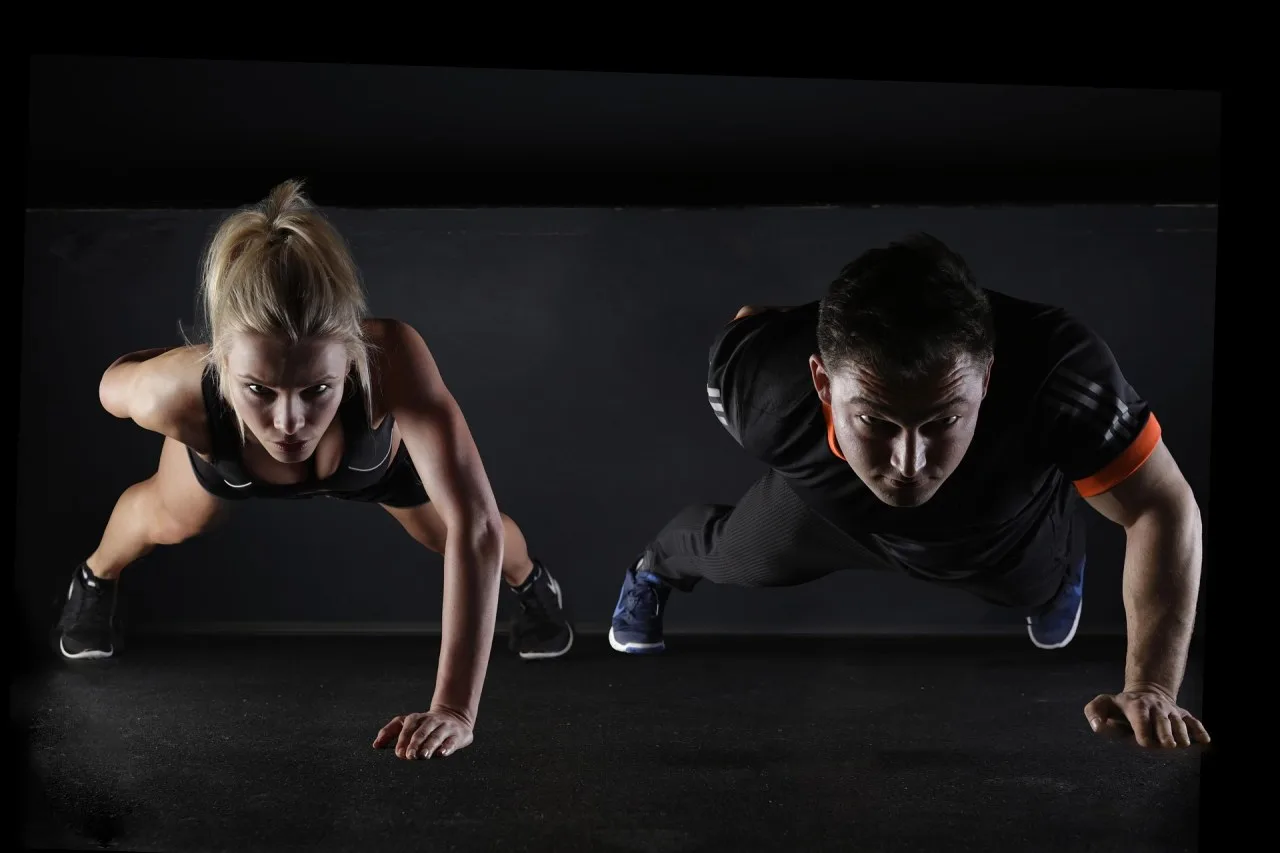
Do you ever feel like you’re caught in a cycle? You know exercise is crucial for your health, energy, and mood, yet consistently showing up for workouts feels like an uphill battle. You’re not alone. The struggle to maintain regular physical activity is a widespread challenge, leaving many feeling frustrated and defeated. This isn’t just about willpower; it’s a systemic issue that impacts millions globally, preventing us from reaping the profound benefits movement offers.
Despite decades of public health initiatives and a growing understanding of fitness’s importance, a significant portion of the world’s population remains inactive. This disparity between knowing what’s good for us and actually doing it creates a profound sense of inertia. But what if the problem isn’t you, but rather how we perceive and integrate exercise into our lives? Understanding the root causes of this struggle is the first step toward building sustainable, joyful movement habits.
The Global Paradox: Why We’re Not Moving Enough 🌿
The numbers don’t lie. Research from UTHealth Houston indicates that global physical activity levels have remained stubbornly low for the past two decades. This stagnation persists even though 92% of countries now have at least one policy document addressing physical activity, a significant increase from previous years. Yet, the impact on individual behavior is minimal.
Specifically, one in three adults worldwide still fails to meet the World Health Organization’s recommendation of at least 150 minutes of moderate-intensity physical activity weekly. This highlights a critical disconnect. Policies are in place, but they’re not translating effectively into real-world action.
“What we see in other modifiable risk factors for chronic diseases—like smoking, alcohol, nutrition—they have a lot of prioritization, and there is a lot of activity around putting them first. For physical activity, it has been different.”
Experts suggest this might stem from a lack of consensus on how physical activity is framed. Is it an outcome in itself, or a means to achieve other health benefits like improved cardiovascular health? This ambiguity can hinder proactive, integrated approaches.
Without a clear, compelling narrative that embeds movement into daily life, it often gets sidelined. This makes it harder for individuals to prioritize it consistently.
Beyond the Gym: Reframing What “Exercise” Means 💪
One major hurdle to consistent exercise is the intimidating image of long, grueling gym sessions. However, emerging research challenges this all-or-nothing mindset. Studies are increasingly showing that even short bursts of activity can yield significant health advantages, especially for cognitive function.
For instance, a groundbreaking study led by the University of Iowa found remarkable results from a single, brief workout. Participants who completed just a 20-minute session on a stationary bike experienced a boost in neural activity within brain networks crucial for learning and memory. This surge in high-frequency brain waves, known as ripples, originated in the hippocampus and connected with cortical regions.
This research is significant because it’s the first time scientists have directly observed this effect in humans using implanted electrodes, moving beyond theoretical models. It suggests that even a quick, moderate workout can rapidly alter brain rhythms. This directly contributes to improved memory and cognitive function.
Therefore, you don’t need hours to make a difference. Incorporating short, intentional movement breaks throughout your day can be incredibly powerful. These micro-workouts accumulate and contribute positively to both physical and mental well-being. To dive deeper into how movement fuels your mind, explore How to Boost Your Brain with Exercise.
The Gut-Brain-Body Connection: An Unexpected Ally in Your Fitness Journey 🧠
When we think about exercise, our minds typically go to muscles, heart rate, and sweat. However, the influence of our internal environment, particularly our gut health, is increasingly recognized as a vital component of fitness and overall well-being. A healthy gut can significantly impact energy levels, inflammation, and even oxygen utilization.
A fascinating study from the University of California San Diego School of Medicine explored the link between probiotics and oxygen levels. The randomized, double-blind, placebo-controlled study took place at 12,740 feet, examining how probiotics affected 17 sea-level residents acclimatizing to high altitude. Researchers measured oxygen saturation, acute mountain sickness (AMS) scores, and other vital signs.
The results were compelling: participants who received probiotics demonstrated better oxygen levels during both day and night. They also experienced fewer symptoms of AMS compared to the placebo group. This suggests that certain probiotics can help the body acclimatize more effectively to low-oxygen environments. While this study focused on altitude, its implications for general exercise performance and recovery are profound.
Improved oxygen utilization means your body can more efficiently fuel your muscles during workouts and recover more effectively afterward. This connection underscores the importance of a holistic approach to fitness, where gut health is just as critical as consistent movement. Understanding how your gut impacts performance can unlock new levels of vitality. Learn more about this synergy in Fuel Your Fitness: Unlocking Peak Performance Through Gut Health & Exercise.
Integrating Movement into Modern Life: Design for Activity 🏡
The traditional view of exercise as a separate, scheduled event often clashes with the demands of modern life. However, a more sustainable approach involves embedding physical activity directly into our daily routines and environments. This means thinking beyond the gym and seeing every opportunity to move as a chance to enhance your health.
Experts suggest that physical activity should be incorporated into the very design of our communities and cities. Imagine environments where walking, cycling, and taking the stairs are not just options, but the most convenient and appealing choices. This shift from individual responsibility to systemic support can make a huge difference.
On a personal level, this translates to conscious choices. Opt for stairs instead of elevators. Park further away to get extra steps. Take walking meetings instead of sitting. Even simple actions like standing while talking on the phone or stretching during commercial breaks can add up significantly.
This integration helps reframe exercise not as a chore, but as an inherent part of a vibrant, active lifestyle. It acknowledges that movement is a fundamental human need, not an optional luxury. Prioritizing this integration can transform consistency from a struggle to a natural flow.
The Holistic Approach: Sleep, Stress, and Sustainable Fitness ✨
Achieving consistent exercise isn’t solely about physical effort; it’s deeply intertwined with other pillars of wellness. Sleep quality, stress management, and nutrition play pivotal roles in your ability to start, maintain, and recover from physical activity. Neglecting these areas can quickly sabotage even the best intentions.
For instance, inadequate sleep can diminish your energy levels, impair judgment, and increase your risk of injury during workouts. It also affects hormone regulation, which can impact muscle repair and growth. Similarly, chronic stress elevates cortisol levels, making it harder for your body to recover and adapt to exercise.
A truly sustainable fitness journey embraces a holistic perspective. This means recognizing that your body functions as an interconnected system. Prioritizing restful sleep, managing stress through mindfulness or relaxation techniques, and fueling your body with nutrient-rich foods are not separate tasks. Instead, they are complementary components that amplify the benefits of your physical activity.
This integrated approach fosters resilience and makes consistent exercise feel less like a struggle and more like an effortless part of a well-balanced life. For a deeper dive into how sleep impacts your fitness, read Unlock Your Full Potential: The Synergistic Power of Sleep & Fitness.
Practical Tips for Lasting Fitness Habits ❤️
Transforming your relationship with exercise requires actionable strategies. Here are some practical tips to help you build and maintain consistent physical activity:
- Start Small and Build Gradually: Don’t aim for an hour-long workout if you’re currently sedentary. Begin with 10-15 minutes of brisk walking or light activity, 3-4 times a week. Gradually increase duration or intensity as you feel stronger.
- Schedule Your Workouts: Treat your exercise sessions like important appointments you can’t miss. Block out specific times in your calendar, whether it’s for a walk, a home workout, or a gym visit.
- Find Activities You Enjoy: If exercise feels like a chore, you’ll struggle to stick with it. Experiment with different forms of movement – dancing, hiking, cycling, swimming, team sports, yoga – until you discover what genuinely brings you joy.
- Integrate Movement into Your Day: Look for opportunities to be active outside of dedicated workout times. Take the stairs, walk to nearby errands, do squats while waiting for water to boil, or take a short walk during your lunch break.
- Track Your Progress: Use a fitness tracker, a journal, or an app to monitor your activity. Seeing your progress, no matter how small, can be incredibly motivating and reinforce your new habits.
- Practice Habit Stacking: Pair a new exercise habit with an existing one. For example, “After I brush my teeth, I will do 10 squats and 10 push-ups.” This makes the new habit easier to remember and integrate.
- Prioritize Recovery and Sleep: Recognize that rest is as important as activity. Aim for 7-9 hours of quality sleep each night and incorporate active recovery (like gentle stretching) to help your body repair and adapt.
- Seek Professional Guidance: If you have specific health concerns, are new to exercise, or want a personalized plan, consult a certified personal trainer or a healthcare professional. They can provide tailored advice and ensure your routine is safe and effective.
Key Takeaways 💡
- Global physical inactivity remains a significant challenge despite increased policy development.
- The traditional perception of exercise often creates barriers; reframing it as integrated movement is crucial.
- Even short bursts of activity, like a 20-minute bike ride, can provide immediate and profound cognitive benefits, enhancing memory and learning.
- Gut health, supported by probiotics, shows potential in improving oxygen utilization and overall physical resilience, linking directly to exercise performance.
- Embedding physical activity into daily life and environmental design can significantly boost consistent movement.
- A holistic approach to fitness, encompassing sleep, stress management, and nutrition, is essential for sustainable exercise habits.
- Starting small, finding enjoyable activities, and tracking progress are effective strategies for overcoming barriers to consistent exercise.
Frequently Asked Questions 🤔
How long does it take to see results from consistent exercise?
The timeline for seeing results from consistent exercise varies widely depending on your starting point, the type of activity, and your specific goals. Generally, you might notice improvements in energy levels and mood within a few weeks. Visible physical changes, such as muscle tone or weight loss, often take 4-8 weeks of consistent effort, while significant strength or endurance gains can take several months. Remember, consistency is key, and every small step contributes to your overall well-being.
Can short bursts of exercise truly be effective?
Absolutely! Research, such as the University of Iowa study on 20-minute bike rides, strongly supports the effectiveness of short bursts of exercise. These micro-workouts can significantly impact cognitive function, cardiovascular health, and mood. The key is consistency. Accumulating even 10-15 minutes of activity multiple times a day can help you meet recommended guidelines and provide substantial health benefits, especially when compared to being sedentary.
Is it safe to start a new exercise routine without consulting a doctor?
For most healthy adults, starting a moderate exercise routine like brisk walking or light jogging is generally safe. However, if you have any pre-existing health conditions (such as heart disease, diabetes, joint problems, or high blood pressure), are pregnant, or have been inactive for a long time, it’s highly recommended to consult a healthcare professional before beginning any new exercise program. They can provide personalized advice and ensure your chosen activities are appropriate for your individual health status.
What happens if I miss a few days of my workout routine?
Missing a few days of your workout routine is a normal part of life and happens to everyone. The most important thing is not to let a missed session derail your entire fitness journey. Your body won’t lose all its progress in just a few days. The best approach is to simply get back on track with your next planned workout. Avoid the “all or nothing” mindset. Consistency over time is more impactful than perfection in the short term, so forgive yourself and resume your routine.
The Bottom Line ✅
The challenge of consistent exercise is real, but it’s far from insurmountable. By understanding the underlying reasons for global inactivity and adopting a more holistic, integrated approach, you can transform your relationship with movement. It’s not about achieving perfection, but about embracing progress and finding joy in motion.
Remember that even small, consistent efforts – whether it’s a 20-minute bike ride or incorporating gut-supporting probiotics – contribute significantly to your physical and mental vitality. Frame exercise as a fundamental part of a well-lived life, integrate it into your daily rhythm, and leverage all aspects of your wellness for sustainable results. Your journey to a more active, healthier self begins with one conscious step.
Sources:
- Global physical activity remains low despite two decades of guideline updates
- Single 20-minute bike workout boosts memory-linked hippocampal 'ripples' in humans
- Probiotic study at 12,740 feet links supplements to higher oxygen levels
How Healthy Are Your Habits?
10 quick questions · Get your personal wellness score