
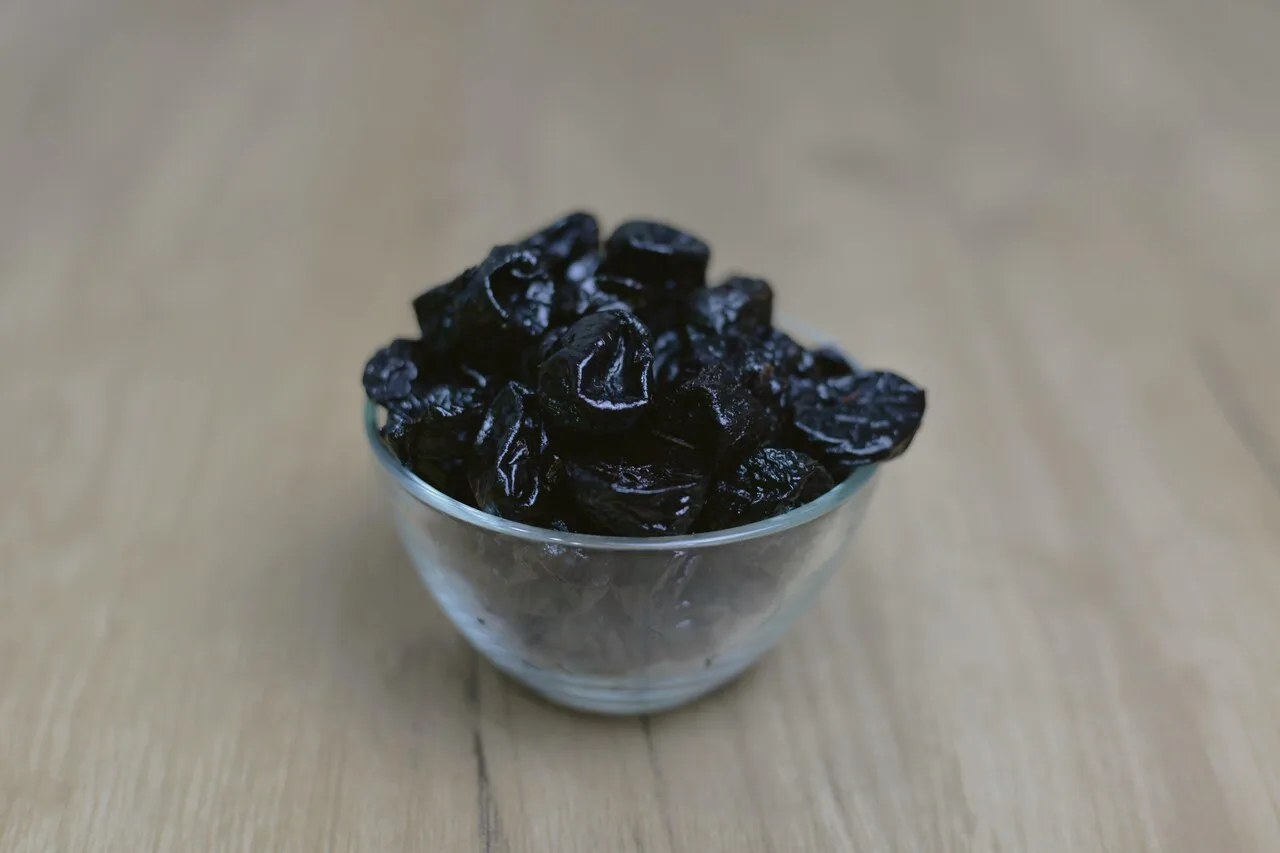
Constipation is a common, yet often unspoken, health concern affecting millions worldwide. It can lead to discomfort, distress, and even more serious health implications if left unaddressed. While many turn to over-the-counter remedies, research consistently points to natural, diet-based solutions as the most effective and sustainable approach. One such powerful natural remedy, frequently highlighted by scientific studies, is the humble prune. Understanding how to effectively incorporate prunes for constipation relief can significantly improve your digestive health and overall well-being.
Understanding Constipation: More Common Than You Think 🌿
The act of defecation is a private matter, often shrouded in cultural taboos, which means many suffer in silence. However, constipation is far from rare. Estimates suggest that up to 80% of the population may experience it, with chronic constipation accounting for three million annual doctor visits and 800,000 emergency room visits in the United States alone. Even individuals who perceive themselves as healthy might be clinically constipated.
A significant number of study participants, for instance, reported issues like incomplete emptying or increased straining. More than half had even noticed blood on their toilet paper within the past year. In severe cases, the blood pressure spike caused by straining can be dangerous, potentially triggering a heart attack or a stroke. While pharmaceutical options exist, they often come with unwanted side effects like nausea, diarrhea, headaches, and abdominal pain, leaving many patients dissatisfied.
The Power of Whole Plant Foods and Exercise 💪
Instead of relying solely on medications, a more holistic approach focuses on addressing the root causes of constipation. Common culprits include a lack of whole plant foods rich in fiber and insufficient water intake. Therefore, modifying one’s diet and lifestyle is widely considered the preferred method for achieving lasting constipation relief. These nonpharmacological interventions are clinically proven to be effective.
Engaging in regular physical activity, for instance, has a profound impact. Experts recommend about 30 minutes of moderate exercise daily. A systematic review and meta-analysis confirmed that aerobic exercise interventions, starting around 140 minutes per week, significantly aid in improving bowel regularity. Furthermore, a diet centered on whole plant foods is crucial, as these are the only naturally concentrated sources of dietary fiber. This combination of movement and proper nutrition forms the cornerstone of a healthy digestive system. For more insights into overall wellness, consider exploring Smart Nutrition Choices: Navigating AI, Processed Foods, and Supplements for Healthy Aging.
Prunes for Constipation: Scientific Evidence 🥦
When it comes to specific plant foods, prunes stand out as a highly effective natural remedy. Decades of traditional use are now backed by robust scientific research. Early studies demonstrated significant improvement in elderly women with severe constipation who consumed about a dozen prunes daily within the first week. However, these initial studies often lacked an active control group, which could inflate results due to the powerful placebo effect.
More rigorous, randomized trials have since confirmed the efficacy of prunes for constipation. In one notable study, participants were divided into groups consuming 8 prunes daily with water, 12 prunes daily with water, or just water alone. Researchers observed a significant improvement in stool bulk and a marked increase in bowel movement frequency in the prune-consuming groups. Interestingly, there was no significant difference in benefits between consuming 8 versus 12 prunes, suggesting that 8 prunes a day seems sufficient for most individuals.
Research indicates that prunes are even superior to psyllium, a common fiber supplement often sold as Metamucil, in terms of improving both stool frequency and consistency.
The benefits of prunes aren’t solely due to their high fiber content. Prune juice, which has had most of its fiber removed, also demonstrates laxative effects. This points to other active components, such as sorbitol, a natural sugar alcohol. Sorbitol acts as an osmotic laxative, drawing water into the intestines and softening stool. While effective, consuming more than a dozen large prunes daily could lead to laxative levels of sorbitol in susceptible individuals, so moderation is key.
If you don’t suffer from constipation, you might wonder if you should avoid prunes. Research suggests the answer is no; most people can enjoy a dozen or so prunes daily without experiencing any issues. In fact, prunes have a fascinating dual role in traditional medicine, being used as both a laxative and an antidiarrheal remedy, depending on the context and quantity.
Beyond Prunes: The Role of Figs and Other Natural Aids ✨
While prunes often take center stage, other natural foods also offer considerable benefits for digestive health. Dried figs, for example, have a long history of medicinal use. In a study involving patients with constipation-predominant irritable bowel syndrome (IBS-C), participants who consumed one fig with breakfast and one with lunch, each with a glass of water, experienced significant improvements. They reported increased frequency of defecation and a substantial reduction in hard stools compared to a control group that maintained their normal diet.
However, as with prunes, the importance of rigorously designed studies cannot be overstated. The placebo response in IBS trials can be exceptionally high, sometimes up to 72%. This highlights the need for double-blind, placebo-controlled trials. In one such study, participants consuming approximately six real figs daily experienced a significant reduction in colon transit time and improved stool consistency and abdominal discomfort compared to a cleverly designed fake fig paste placebo. This further underscores the efficacy of whole, natural foods in managing digestive issues.
Optimizing Your Diet with Fiber and Hydration 💧
Achieving and maintaining regular bowel movements hinges on two primary pillars: sufficient dietary fiber and adequate hydration. Fiber, found exclusively in plant foods, adds bulk to stool, making it softer and easier to pass. There are two main types: soluble fiber, which dissolves in water and forms a gel-like substance, and insoluble fiber, which adds bulk and helps food pass more quickly through the stomach and intestines.
Excellent sources of fiber include:
- Whole Grains: Oats, brown rice, quinoa, whole-wheat bread.
- Legumes: Lentils, beans (black, kidney, garbanzo), peas.
- Fruits: Berries, apples (with skin), pears, and of course, prunes and figs.
- Vegetables: Broccoli, carrots, leafy greens, root vegetables.
- Nuts and Seeds: Chia seeds, flaxseeds, almonds.
Equally important is water intake. Fiber needs water to work effectively. Without enough fluid, fiber can actually worsen constipation. Aim to drink plenty of water throughout the day, typically 8 glasses or more, depending on your activity level and climate. Staying well-hydrated ensures that stool remains soft and moves smoothly through the digestive tract. For broader insights into how various nutrients impact your health, you might find How Iron, Fats, and Folic Acid Impact Your Health an interesting read.
When to Seek Professional Guidance ❤️
While natural remedies like prunes for constipation and lifestyle changes are highly effective for many, it’s crucial to recognize when to consult a healthcare professional. Persistent constipation, especially if accompanied by severe pain, blood in the stool, unexplained weight loss, or changes in bowel habits, warrants immediate medical attention. These symptoms could indicate an underlying condition that requires specific diagnosis and treatment.
Always discuss any significant dietary changes or new supplement regimens with your doctor, especially if you have pre-existing health conditions or are taking medications. A healthcare provider can offer personalized advice, rule out serious issues, and help you develop the safest and most effective strategy for managing your digestive health.
Practical Tips for Constipation Relief with Prunes 💡
- Start with 8 Prunes Daily: Begin by incorporating around 8 medium-sized prunes into your daily diet. You can eat them whole, chop them into oatmeal or yogurt, or blend them into smoothies.
- Stay Hydrated: Always consume prunes with a large glass of water. Ensure adequate water intake throughout the day to help the fiber and sorbitol work effectively.
- Gradual Increase (If Needed): If 8 prunes aren’t enough after a few days, you can cautiously increase to 10-12 prunes, but be mindful of potential laxative effects from higher sorbitol doses.
- Combine with Other Fiber-Rich Foods: Don’t rely solely on prunes. Integrate a variety of whole plant foods into your diet, including fruits, vegetables, whole grains, and legumes, to ensure a diverse fiber intake.
- Incorporate Regular Exercise: Aim for at least 30 minutes of moderate physical activity most days of the week. This helps stimulate bowel motility.
- Listen to Your Body: Pay attention to how your body responds. Everyone is different, and what works for one person might need slight adjustments for another.
- Consider Prune Juice (with caution): If whole prunes are difficult, prune juice can be an alternative, though it lacks fiber. Opt for 100% prune juice and limit intake to avoid excessive sorbitol.
- Establish a Routine: Try to consume prunes and other fiber-rich foods at consistent times each day to help regulate your digestive system.
Key Takeaways for Digestive Wellness ✨
- Constipation is a widespread problem with significant health implications, often underestimated.
- Lifestyle interventions, particularly diet and exercise, are the most effective long-term solutions.
- Prunes for constipation are scientifically proven to be highly effective, with 8 prunes daily often sufficient.
- Prunes work due to both their fiber content and natural sorbitol, which acts as a gentle laxative.
- Figs also offer significant benefits for constipation, particularly for those with IBS-C.
- Adequate hydration is crucial for fiber to function properly and prevent constipation.
- Always consult a healthcare professional for persistent symptoms or before making significant dietary changes, especially if you have underlying health conditions.
Frequently Asked Questions 🧠
How long does it take for prunes to work for constipation?
Many individuals experience noticeable improvement in bowel movement frequency and stool consistency within the first week of consistently consuming prunes. Some may feel effects within a few days, while others might need a bit longer to adjust.
Can you eat too many prunes?
Yes, while prunes are beneficial, consuming an excessive amount (more than a dozen large prunes daily for some individuals) can lead to side effects like diarrhea, gas, bloating, and abdominal cramps due to the high sorbitol content. It’s best to start with the recommended 8 prunes and adjust as needed.
Is prune juice as effective as whole prunes for constipation?
Prune juice can be effective for constipation because it still contains sorbitol, the natural sugar alcohol with laxative properties. However, it lacks the dietary fiber found in whole prunes. Whole prunes offer both fiber and sorbitol, making them generally more comprehensive and beneficial for long-term digestive health.
What happens if you don’t drink enough water with prunes?
If you don’t drink enough water when consuming prunes or other fiber-rich foods, the fiber can actually worsen constipation. Fiber absorbs water to add bulk and soften stool. Without sufficient fluid, it can create a hard, dry mass that is difficult to pass, leading to increased discomfort. Always pair fiber intake with ample hydration.
The Bottom Line 🌿
Constipation doesn’t have to be a silent struggle. By embracing the power of whole plant foods, consistent hydration, and regular physical activity, you can significantly improve your digestive health. Among these natural allies, prunes for constipation stand out as a highly effective, scientifically supported remedy. Starting with just 8 prunes a day, coupled with plenty of water, can pave the way to more comfortable and regular bowel movements. Remember, true wellness is a journey, and integrating these simple yet powerful strategies can profoundly impact your quality of life. Always consult with your healthcare provider for personalized advice and to address any persistent concerns, ensuring your path to digestive health is both safe and effective.
Sources:
How Healthy Are Your Habits?
10 quick questions · Get your personal wellness score