In the intricate ecosystem of our bodies, few areas hold as much sway over overall health as our gut microbiome. This bustling community of trillions of microorganisms, primarily bacteria, plays a pivotal role in everything from digestion and nutrient absorption to immune function and even mood. A key factor in maintaining a thriving gut environment is the consistent consumption of prebiotic foods. These specialized dietary fibers and compounds act as nourishment for the beneficial bacteria in our intestines, helping them flourish and, in turn, conferring a wide array of health benefits. If you’re looking to optimize your gut health and enhance your well-being, understanding and incorporating prebiotic foods into your daily diet is a foundational step.
Understanding the Gut Microbiome and Its Importance 🌿
Our relationship with our gut bacteria is a profound example of symbiosis, a mutually beneficial partnership that has evolved over millennia. These microscopic inhabitants, often referred to as our ‘inner garden,’ perform essential functions that our human bodies cannot do alone. For instance, they break down complex carbohydrates that we can’t digest, extracting valuable nutrients and producing beneficial compounds in the process. When this delicate balance is disturbed, it can lead to a cascade of health issues, including digestive problems, weakened immunity, and even systemic inflammation.
The concept of prebiotics, first introduced in scientific literature, has revolutionized our understanding of how diet influences this internal ecosystem. It highlights that we don’t just eat for ourselves; we also eat for the trillions of bacteria that call our gut home. By providing them with the right fuel, we empower them to perform their vital roles more effectively, contributing to our overall health and resilience. This symbiotic relationship underscores the profound impact of our dietary choices on our long-term wellness.
What Are Prebiotic Foods and How Do They Work? 💪
Prebiotic foods are essentially dietary components that are not digestible by human enzymes but are selectively fermented by beneficial microorganisms in the gut. Think of them as the gourmet meals for your good gut bugs. The most common types of prebiotics are specific forms of fiber and resistant starch. Unlike other fibers that simply add bulk, prebiotics have a targeted effect, promoting the growth and activity of specific health-promoting bacteria, such as Bifidobacteria and Lactobacilli.
When these good bacteria feast on prebiotics, they produce incredibly beneficial byproducts, most notably short-chain fatty acids (SCFAs) like butyrate, acetate, and propionate. These SCFAs are not just waste products; they are powerful signaling molecules that get absorbed into our bloodstream. They act as fuel for the cells lining our colon, help regulate the immune system, and have direct anti-inflammatory effects throughout the body. This is a crucial mechanism by which a fiber-rich, plant-based diet contributes to lower systemic inflammation, not just through plant-derived antioxidants, but through the ingenious work of our gut microbes.
“Dietary Modulation of the Human Colonic Microbiota: Introducing the Concept of Prebiotics” is one of the most frequently cited articles in scientific nutrition literature, highlighting the profound importance of this concept in understanding human health.
The Far-Reaching Benefits of a Prebiotic-Rich Diet 🧠
The advantages of incorporating prebiotic foods into your diet extend far beyond digestive comfort. Research consistently points to a wide array of protective effects. For example, studies have shown that individuals advised to eat fiber-rich plant foods during radiation therapy for cancer experienced reduced toxicity during treatments, with benefits persisting for a full year afterward. This demonstrates the powerful, sustained protective capacity of a well-nourished microbiome.
Beyond specific medical contexts, a high-fiber, prebiotic-rich diet is associated with striking reductions in the risk of numerous chronic diseases. Prospective studies indicate significant decreases in death from all causes, including total cancer deaths, total cardiovascular disease deaths and incidence, stroke incidence, and the incidence of colorectal, breast, and esophageal cancer. Furthermore, dose-response relationships suggest that when it comes to protecting against heart attacks, stroke, type 2 diabetes, and various cancers, the more fiber, the better. This reinforces the idea that increasing your intake of these vital nutrients is a proactive step toward long-term health. For a deeper dive into how diet impacts overall health, consider reading Why Your Diet Matters: Impact on Metabolism, Behavior, and Disease Risk.
Common Prebiotic Foods to Incorporate 🥦
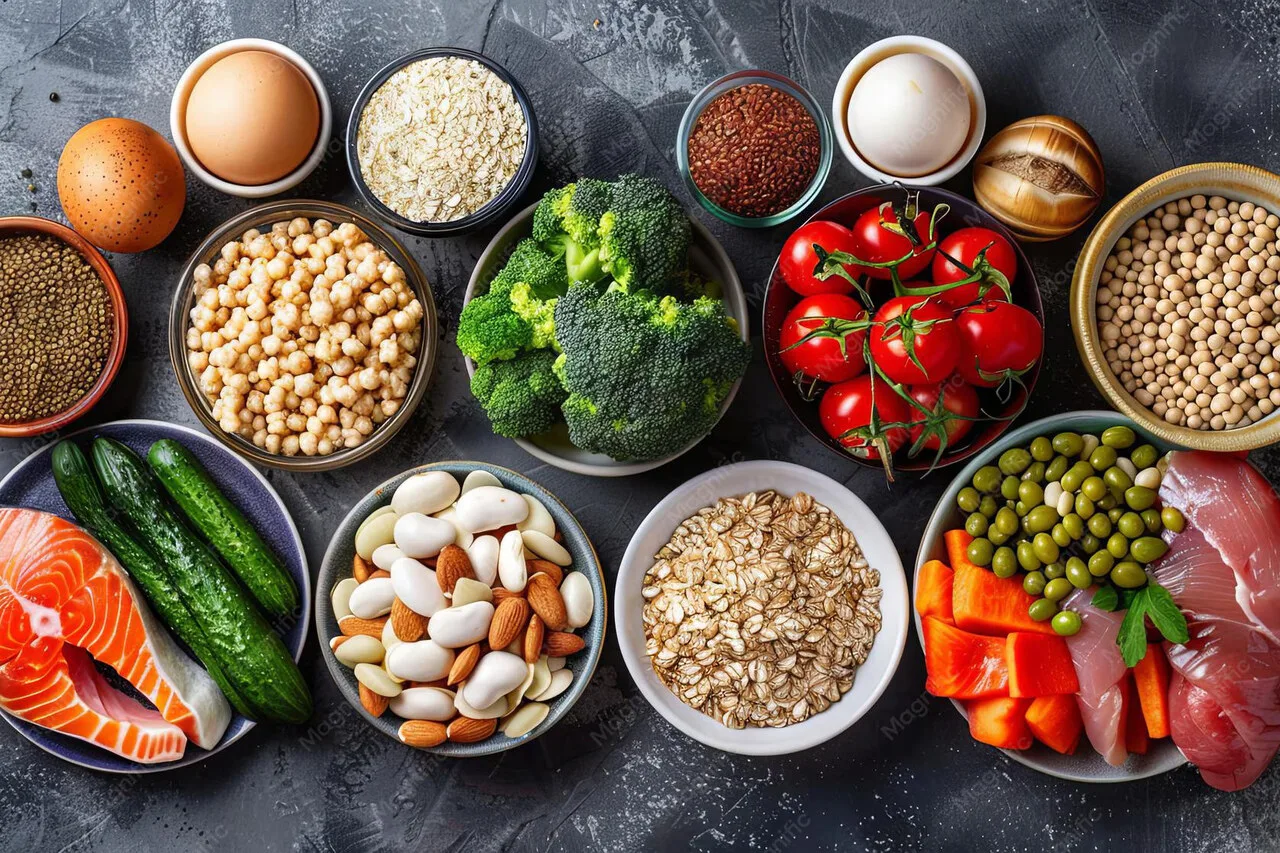
Many everyday plant foods are excellent sources of prebiotics. Integrating a variety of these into your diet ensures you’re feeding a diverse range of beneficial bacteria. Here are some of the stars of the prebiotic world:
- Garlic: Not just a flavor enhancer, garlic contains fructans that feed good gut bacteria.
- Onions: Similar to garlic, onions are rich in fructans and other beneficial compounds.
- Leeks: These mild-flavored alliums are another great source of prebiotics.
- Asparagus: A spring favorite, asparagus contains inulin, a type of prebiotic fiber.
- Bananas (especially slightly green): While all bananas contain fiber, slightly unripe bananas are higher in resistant starch.
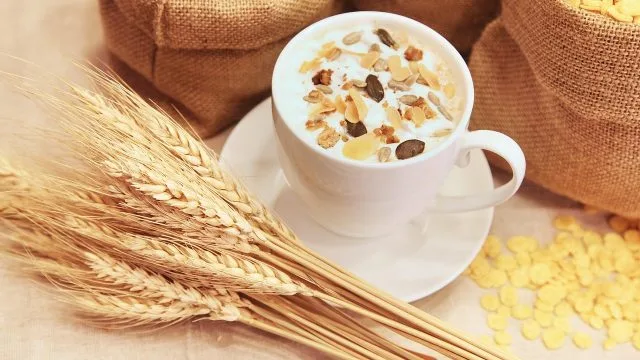
- Oats: A fantastic whole grain, oats are rich in beta-glucans, a soluble fiber with prebiotic properties.
- Apples: Pectin in apples acts as a prebiotic, supporting beneficial gut microbes.
- Barley: Another whole grain that offers significant prebiotic benefits.
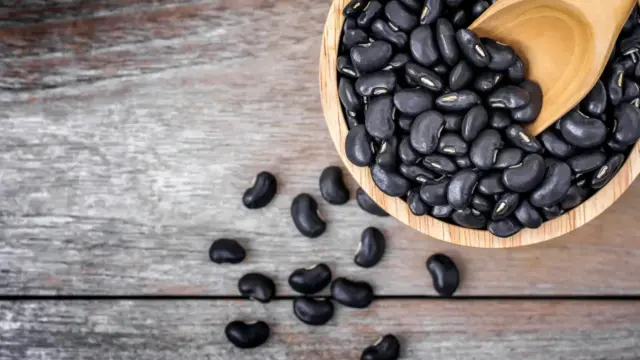
- Legumes (beans, lentils, chickpeas): These are powerhouses of fiber and resistant starch.
- Flaxseeds: Excellent source of soluble fiber that acts as a prebiotic.
- Chicory Root: Often used as a coffee substitute, chicory root is one of the richest sources of inulin.
- Artichokes: Both globe and Jerusalem artichokes are packed with prebiotics.
The goal is to aim for a diverse intake, as different prebiotic fibers nourish different strains of bacteria, contributing to a more robust and resilient microbiome. Remember, cooking methods can sometimes alter the resistant starch content of certain foods, so incorporating both raw and cooked sources can be beneficial.
Practical Tips for Boosting Your Prebiotic Intake ✨
Increasing your intake of prebiotic foods doesn’t have to be complicated. Small, consistent changes can make a big difference over time. The average American consumes only about 16 grams of fiber per day, significantly below the recommended minimum of 25-29 grams, and far from the ancestral intake of up to 100 grams. Bridging this gap is crucial for gut health.
- Start Your Day with Whole Grains: Swap refined cereals for oatmeal or whole-grain toast. Add berries and a sprinkle of flaxseeds for an extra boost.
- Include Legumes Regularly: Add beans to soups, salads, and stews. Lentils make a great base for plant-based burgers or a hearty side dish. Chickpeas can be roasted for a crunchy snack.
- Embrace a Variety of Vegetables: Aim for at least 5-7 servings of diverse vegetables daily. Include garlic and onions in your cooking whenever possible. Snack on raw carrots, bell peppers, and celery.
- Choose Whole Fruits Over Juice: Enjoy apples, bananas, and berries with their skins on to maximize fiber intake. Smoothies are also a great way to pack in more produce.
- Opt for Resistant Starch Sources: Incorporate cooked and cooled potatoes, rice, or pasta into your meals, as cooling increases their resistant starch content. Unripe bananas are another excellent source.
- Snack Smart: Instead of processed snacks, reach for an apple with nut butter, a handful of almonds, or some air-popped popcorn.
- Hydrate Adequately: As you increase fiber intake, it’s crucial to drink plenty of water to help the fiber move through your digestive system smoothly.
- Consider Fermented Foods: While not prebiotics themselves, fermented foods like yogurt, kefir, sauerkraut, and kimchi contain beneficial probiotics that work synergistically with prebiotics.
Remember, gradual changes are often more sustainable. Listen to your body and introduce new high-fiber foods slowly to allow your digestive system to adjust. For more comprehensive strategies on optimizing your gut, you might find How to Boost Your Gut Health, Sleep, and Cellular Defense for Optimal Wellness (Expert Guide) incredibly helpful.
Key Takeaways ❤️
- Prebiotics are Essential: They are specific fibers and resistant starches that feed beneficial gut bacteria.
- Symbiotic Relationship: Our gut bacteria rely on us to provide prebiotics, and in return, they produce health-promoting compounds.
- Short-Chain Fatty Acids (SCFAs): These are key byproducts of prebiotic fermentation, offering anti-inflammatory and immune-modulating effects.
- Reduced Inflammation: A prebiotic-rich diet can lower systemic inflammation, contributing to overall health.
- Disease Prevention: Higher prebiotic intake is strongly linked to reduced risk of cardiovascular disease, type 2 diabetes, and various cancers.
- Increase Fiber Intake: Most people consume far less fiber than recommended; aim for at least 25-29 grams daily, with higher amounts offering additional benefits.
- Diverse Plant Foods: Incorporate a wide variety of fruits, vegetables, whole grains, and legumes to ensure a broad spectrum of prebiotics.
Frequently Asked Questions 💧
What’s the difference between prebiotics and probiotics?
Prebiotics are the non-digestible food components that nourish beneficial bacteria already in your gut. Think of them as the ‘food’ for your good gut bugs. Probiotics, on the other hand, are live beneficial bacteria themselves, found in fermented foods or supplements, that you introduce into your gut. Both play crucial, complementary roles in maintaining a healthy microbiome.
Can I get enough prebiotics from supplements?
While prebiotic supplements are available, the most effective and recommended way to get prebiotics is through a varied diet rich in whole plant foods. Whole foods provide a complex matrix of different fibers, vitamins, minerals, and antioxidants that work synergistically, offering benefits that supplements alone cannot fully replicate. Always prioritize food sources first.
Are there any side effects to increasing prebiotic intake?
When first increasing your intake of prebiotic-rich foods, some individuals might experience temporary digestive discomfort like gas, bloating, or changes in bowel habits. This is often a sign that your gut bacteria are adjusting and fermenting the new fibers. To minimize these effects, it’s best to increase your fiber intake gradually and ensure you are drinking plenty of water.
How much fiber should I aim for daily?
Most health organizations recommend a minimum of 25-29 grams of fiber per day for adults. However, historical diets of our ancestors often provided much higher amounts, sometimes up to 100 grams. Research suggests that higher intakes, beyond the minimum, may offer additional protective benefits against chronic diseases. The goal should be to steadily increase your intake beyond the average American’s meager 16 grams.
The Bottom Line 🌞
Our gut microbiome is a powerful determinant of our overall health, and its well-being is intrinsically linked to the food we choose to eat. By consciously integrating a wide array of prebiotic foods into our daily diet, we actively nourish the beneficial bacteria that reside within us, enabling them to produce vital compounds that reduce inflammation, bolster immunity, and protect against chronic disease. This isn’t just about avoiding illness; it’s about cultivating a thriving internal ecosystem that supports vibrant health and longevity. Prioritizing whole, plant-based foods rich in fiber is one of the most impactful steps you can take to honor the symbiotic relationship we share with our gut microbes and invest in your long-term wellness. Always consult with a healthcare professional or a registered dietitian for personalized dietary advice, especially if you have underlying health conditions.
Sources:
- How Prebiotic Foods Keep Your Microbiome Healthy
- Dietary fiber and prebiotics and the gastrointestinal microbiota.
How Healthy Are Your Habits?
10 quick questions · Get your personal wellness score