
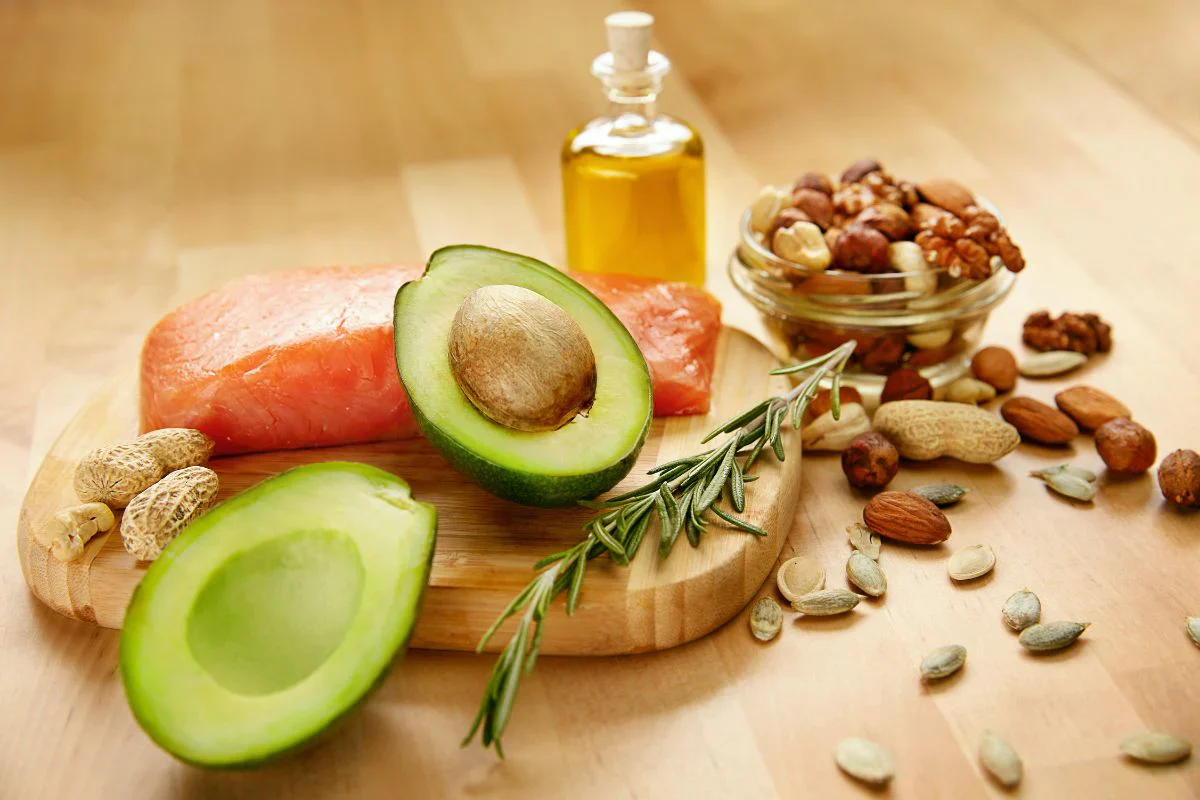
Navigating the world of nutrition can often feel like deciphering a complex code, especially when it comes to dietary fat. For decades, advice has swung wildly, leaving many of us confused about which fats to embrace and which to avoid. Understanding the nuances of fat intake can profoundly impact overall wellness. This guide aims to clarify what is dietary fat, its essential roles in the body, and how to make informed choices for optimal health.
Understanding the Shifting Sands of Fat Advice 🌿
The journey of dietary fat in public health discourse is a fascinating one, marked by dramatic shifts. In the 1970s and 80s, the “low-fat” mantra dominated, fueled by the saturated fat hypothesis and the rise of statin medications. This era often advocated replacing animal fats with highly refined seed oils and carbohydrates, inadvertently steering people away from beneficial whole foods.
However, by the 1990s, the pendulum began its return swing. Diets like Atkins, Paleo, and later ketogenic approaches, started to reframe fat as a crucial ally, not an enemy. This historical context highlights how critical it is to look beyond simplistic labels and delve into the specific types of fats we consume. Current research supports a more balanced perspective, emphasizing that the type of fat, rather than just the quantity, is what truly matters for health outcomes.
Beyond Calories: Why Fats Are Fundamental to Life 💪
It’s a common misconception that eating fat automatically makes you fat because it’s the most energy-dense macronutrient, providing nine calories per gram compared to four for protein and carbohydrates. However, this oversimplified view misses the profound, multifaceted roles fats play in our bodies. Calories merely describe energy potential; they tell us nothing about nutrient quality or health impact.
Fats are not just fuel; they are fundamental building blocks for life. They form the membranes that enclose every cell in your body, acting as gatekeepers that determine what enters and exits. These membranes are crucial for cell communication, allowing cells to talk to each other and respond to vital signals from hormones, neurotransmitters, and inflammatory compounds. Without adequate healthy fats, cellular function can be compromised, impacting everything from brain health to immune response.
In addition, fats are precursors for vital steroid hormones, including estrogen, testosterone, and cortisol. They are also indispensable for the absorption of fat-soluble vitamins: A, D, E, and K. Without dietary fat, these essential vitamins cannot be effectively transported into the bloodstream and utilized by the body. This is why fat-soluble vitamin supplements and vitamin-rich foods like carrots or leafy greens are best paired with a source of healthy fat.
Decoding the Different Types of Dietary Fats 🧠
Understanding the terminology around fats is key to making informed choices. Not all fats are created equal, and their molecular structures dictate how they behave both in food and within your body.
- Saturated Fats: These are typically solid at room temperature and include common sources like butter, ghee, and coconut oil. They are generally stable when heated, making them suitable for certain cooking methods. While once demonized, a balanced intake from whole food sources is now recognized as part of a healthy diet.
- Monounsaturated Fats (MUFAs): Liquid at room temperature, MUFAs are abundant in olive oil, avocado oil, and nuts. They are widely recognized for their cardio-protective benefits and play a significant role in the well-researched Mediterranean diet.
- Polyunsaturated Fats (PUFAs): These fats remain liquid even when cold and include the vital omega-3 and omega-6 families. PUFAs are crucial because the body cannot produce two specific types: alpha-linolenic acid (ALA), an omega-3, and linoleic acid (LA), an omega-6. These are termed essential fatty acids and must be obtained through diet.
- Trans Fats: These are largely an industrial exception. Produced through a process called hydrogenation, where liquid oils are solidified, trans fats share a straight shape with saturated fats but behave very differently and detrimentally in the body. They are generally best avoided due to their strong links to cardiovascular disease.
Importantly, from the essential fatty acids, the body can synthesize longer-chain omega-3s like EPA (eicosapentaenoic acid) and DHA (docosahexaenoic acid). These are vital for cardiovascular and brain function. However, this conversion process can be inefficient for some individuals, making pre-formed EPA and DHA from oily fish or algal oil clinically significant. The brain, being roughly 60% fat with DHA concentrated at the synapse, underscores why omega-3 intake is strongly linked to mood, cognition, and fetal brain development.
This imbalance is a critical point. While omega-6 is essential, an excessive intake, particularly from refined seed oils common in processed foods, can favor pro-inflammatory pathways in the body. Striving for a healthier omega-6 to omega-3 ratio is a key component of an anti-inflammatory diet and a common recommendation in natural healing circles.
The Gut-Brain Connection: Short-Chain Fatty Acids 🥦
While we often focus on dietary fats, it’s also important to acknowledge the fats our bodies produce internally, particularly those influenced by our gut microbiome. When dietary fiber is fermented by beneficial gut bacteria, a family of compounds called short-chain fatty acids (SCFAs) is produced. One of the most prominent SCFAs is butyrate, which serves as the primary fuel source for the cells lining your colon.
Butyrate is instrumental in maintaining a healthy gut barrier, preventing ‘leaky gut,’ and contributing to robust gut-brain signaling. This intricate connection highlights how a fiber-rich diet, often emphasized in natural remedies, indirectly supports fat metabolism and overall wellness. A healthy gut barrier is crucial for nutrient absorption and immune function, linking dietary fiber to far-reaching health benefits. You can learn more about holistic health approaches in our article on How to Reclaim Your Authentic Self for Lasting Health and Vitality (Natural Guide).
Embracing the Fats That Nourish You ✨
With a clearer understanding of fat types, it becomes easier to identify the fats that genuinely support your health. These nourishing fats are consistently supported by research as beneficial additions to a daily diet:
- Olive Oil: A cornerstone of the Mediterranean diet, extra virgin olive oil is rich in monounsaturated fats and antioxidants. Numerous studies consistently link its consumption to cardiovascular and metabolic benefits. It’s excellent for dressings, drizzles, and moderate-heat cooking.
- Avocado Oil: Similar to olive oil, avocado oil is high in monounsaturated fats and has a higher smoke point, making it versatile for various cooking methods.
- Fatty Fish: Salmon, mackerel, sardines, and trout are exceptional sources of pre-formed EPA and DHA. Aim for at least two servings per week to support brain, heart, and joint health. If you don’t consume fish, consider algal oil supplements.
- Nuts and Seeds: Almonds, walnuts, chia seeds, flax seeds, and hemp seeds offer a blend of healthy fats, fiber, and protein. Walnuts and flax seeds are particularly good sources of ALA (omega-3).
- Avocados: A fantastic source of monounsaturated fats, fiber, and potassium. They are incredibly versatile and can be added to salads, smoothies, or enjoyed on their own.
- Whole Eggs: A nutrient powerhouse, eggs contain healthy fats in the yolk, along with protein and a range of vitamins and minerals.
- Ghee/Butter from Grass-fed Animals: While saturated fats, these traditional fats can be part of a balanced diet when consumed in moderation. Grass-fed sources tend to have a better fatty acid profile.
- Coconut Oil: Rich in medium-chain triglycerides (MCTs), which are metabolized differently than other fats and can provide a quick source of energy. Use in moderation.
Focusing on whole, unprocessed sources of these fats helps ensure you’re getting the full spectrum of their benefits, often alongside other vital nutrients. For more on integrating natural healing into your life, explore Navigating Life’s Shifts: Cultivating Emotional Wellness with Natural Healing.
Practical Tips for Optimizing Your Dietary Fat Intake 💧
These actionable strategies can help you confidently incorporate beneficial fats into your daily routine. Remember, small, consistent changes often yield the most significant results.
- Prioritize Whole Food Sources: Instead of relying on processed foods claiming to be ‘low-fat’ or ‘healthy fat,’ choose whole, unprocessed sources like avocados, nuts, seeds, fatty fish, and olive oil. These come with a complete package of nutrients.
- Cook with Stable Fats: Use olive oil, avocado oil, or ghee for cooking, depending on the heat required. Extra virgin olive oil is excellent for lower-heat cooking and dressings, while avocado oil has a higher smoke point for more intense heat.
- Boost Omega-3s: Aim for 2-3 servings of fatty fish per week. If you’re vegetarian or vegan, incorporate flaxseeds, chia seeds, hemp seeds, and consider an algal oil supplement to ensure adequate EPA and DHA.
- Balance Your Omega-6s: While essential, reduce your intake of highly processed seed oils (like corn, soybean, and sunflower oil) found in many packaged snacks, fried foods, and fast food. Opt for whole food sources of omega-6 like nuts and seeds in moderation.
- Read Labels Carefully: Be vigilant about ‘trans fats’ or ‘partially hydrogenated oils’ on ingredient lists. These are detrimental to health and should be avoided entirely.
- Incorporate Healthy Fats with Meals: Add healthy fats to every meal to enhance nutrient absorption and satiety. Drizzle olive oil over salads, add avocado to your toast, or sprinkle seeds on your yogurt. This helps you feel fuller longer and stabilizes blood sugar.
- Don’t Fear Saturated Fat from Whole Foods: When sourced from quality origins (like grass-fed butter or organic coconut oil), saturated fats in moderation can be part of a healthy diet. The context of your overall diet matters most.
- Consult a Professional: If you have specific health concerns or dietary restrictions, always consult with a healthcare professional or a registered dietitian. We can provide personalized advice tailored to your unique needs and health goals.
Frequently Asked Questions 🌞
Can a low-fat diet ever be healthy?
While extremely restrictive low-fat diets are generally not recommended due to the essential roles of fats, a diet that naturally limits excessive unhealthy fats and emphasizes whole, plant-based foods can be very healthy. The key is to distinguish between ‘low-fat’ processed foods and a diet naturally low in harmful fats while rich in beneficial ones.
Are all saturated fats bad for me?
The blanket demonization of all saturated fats is outdated. Research suggests that the impact of saturated fat depends on the specific fatty acids and the overall dietary context. Saturated fats from whole foods like grass-fed dairy, organic coconut, and dark chocolate, when consumed in moderation as part of a balanced diet, are different from those found in highly processed foods. It’s the balance and source that matter most.
What’s the best cooking oil?
There isn’t a single ‘best’ cooking oil; it depends on the cooking method. For high-heat cooking (frying, roasting), avocado oil or refined coconut oil are good choices due to their higher smoke points. For moderate heat (sautéing), extra virgin olive oil or ghee work well. For dressings and dips, extra virgin olive oil offers excellent flavor and health benefits without heat exposure.
How can I increase my omega-3 intake if I don’t eat fish?
If you don’t consume fish, you can still increase your omega-3 (ALA) intake through plant-based sources like flaxseeds, chia seeds, hemp seeds, and walnuts. For the pre-formed EPA and DHA, which are crucial for brain and heart health, an algal oil supplement is an excellent and sustainable alternative to fish oil. Always look for third-party tested supplements for purity.
Key Takeaways ❤️
- Dietary fat is essential: It’s not just fuel; fats build cell membranes, form hormones, and enable the absorption of fat-soluble vitamins (A, D, E, K).
- Type of fat matters most: Move beyond the low-fat vs. high-fat debate. The quality and type of fat you consume are far more important than the total quantity.
- Essential fatty acids are non-negotiable: Alpha-linolenic acid (ALA, omega-3) and linoleic acid (LA, omega-6) must come from your diet as your body cannot produce them.
- Prioritize beneficial fats: Embrace monounsaturated fats (olive, avocado oil) and omega-3 polyunsaturated fats (fatty fish, flaxseeds, chia seeds).
- Limit harmful fats: Actively avoid industrial trans fats found in processed foods. Reduce excessive intake of refined omega-6 seed oils.
- Gut health connection: Fiber-rich foods support the production of short-chain fatty acids like butyrate, which fuels colon cells and strengthens the gut barrier.
- Always consult a professional: For personalized dietary advice, especially if you have underlying health conditions, consult a registered dietitian or healthcare provider.
The Bottom Line
Understanding what is dietary fat and its profound impact on our health is a cornerstone of natural wellness and preventative care. The journey from fat demonization to appreciation reflects a deeper scientific understanding of nutrition’s complexities. By prioritizing whole, unprocessed sources of beneficial fats and making mindful choices, you can support everything from cellular function and hormone balance to cognitive health and a robust gut microbiome. Embrace healthy fats as a vital component of your diet, and you’ll be nurturing your body from the inside out, paving the way for lasting vitality.
Sources:
- Alpha to omega: Making sense of dietary fats
- The importance of the ratio of omega-6/omega-3 essential fatty acids
- Omega-3 fatty acids and cardiovascular disease
How Healthy Are Your Habits?
10 quick questions · Get your personal wellness score