
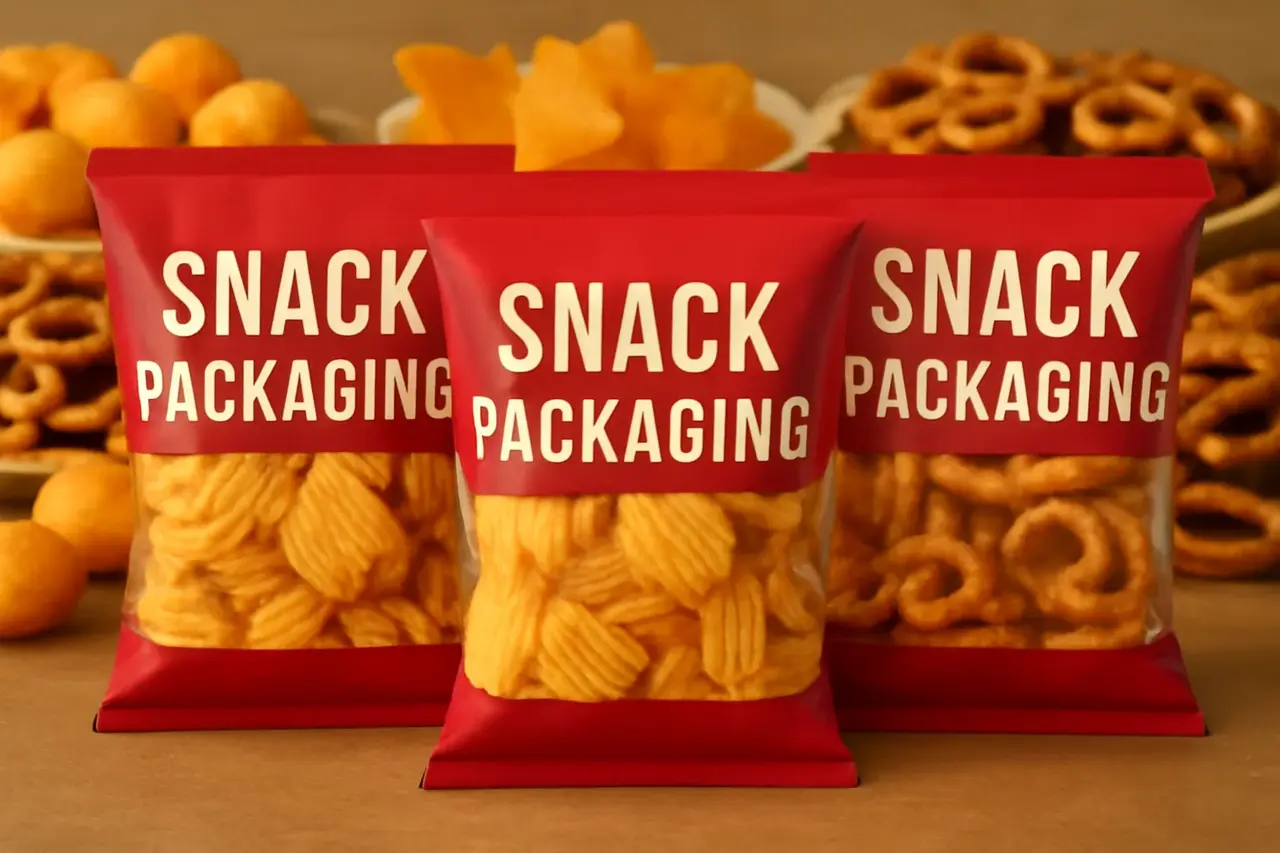
In today’s fast-paced world, the convenience of food often takes precedence over its quality. We’re increasingly relying on options that are quick, easy, and readily available. But what exactly are these foods, and what are the long-term implications for our well-being? Understanding ultra-processed foods is crucial for making informed dietary choices. These aren’t just your average snacks; they are industrial formulations designed to be hyper-palatable, convenient, and shelf-stable, often containing ingredients you wouldn’t find in a home kitchen. The alarming reality is that these foods now dominate our food supply, and their impact on our health is profound.
The Rise of Ultra-Processed Foods: A Modern Phenomenon 🌿
The term “ultra-processed food” might sound technical, but it describes a category of food that has become ubiquitous in our daily lives. Unlike traditional foods like fresh produce, whole grains, or minimally processed meats, ultra-processed items are the result of complex industrial processes. They typically feature long ingredient lists filled with additives such as artificial flavors, colors, sweeteners, emulsifiers, and preservatives. These components are often used to enhance taste, texture, and shelf life, and sometimes to mask less desirable qualities of the final product.
Think about the typical grocery store aisles: a vast majority of products fall into this category. From breakfast cereals and pre-packaged breads to ready-to-heat meals, sugary drinks, and snacks like chips and cookies, these foods are engineered for maximum appeal. The U.S. food supply, for instance, is heavily dominated by these products, with a staggering 71% of over 200,000 assessed products classified as ultra-processed. This dominance isn’t confined to supermarkets; these items are strategically placed in gas stations, convenience stores, and even doctors’ offices, constantly tempting us with “arm’s reach of desire” as one former Coca-Cola executive famously put it.
The statistics are even more concerning when we look at specific demographics. In the United States, a significant portion of the diet consumed by children and adolescents—between 56% and 70%—is classified as ultra-processed. This trend isn’t isolated to the U.S.; globally, ultra-processed foods consistently account for over 50% of the caloric intake in higher-income countries. This dietary shift has led to unhealthy eating becoming humanity’s greatest killer, identified as the leading risk factor for death worldwide.
The Biological Impact: More Than Just Calories 💪
The health consequences associated with ultra-processed foods extend far beyond simple weight gain. Research using animal models has shown that these foods can lead to dramatic weight gain, increased inflammation, and significant abnormalities in cognitive function and metabolism. The very nature of these foods makes them prone to overconsumption; they are engineered to be highly palatable and difficult to stop eating after just one bite. This characteristic is no coincidence. Binge eating, now recognized as a common eating disorder, often involves foods that are 100% ultra-processed. It’s highly unlikely for individuals to binge on vegetables like broccoli, highlighting the addictive and compulsive nature of these manufactured products.
The association between ultra-processed food consumption and adverse health outcomes is robust. Approximately 9 out of 10 studies indicate a link between these foods and a range of serious conditions. This includes not only obesity but also an increased risk of cancer, cardiovascular diseases, type 2 diabetes, and irritable bowel syndrome. Furthermore, emerging research suggests connections to depression, frailty, and even reduced lifespan (all-cause mortality). For young people, studies have added asthma to this list, underscoring the pervasive and detrimental effects these foods can have across the lifespan.
Can Nutrient Tweaking Save Ultra-Processed Foods? 🧠
A crucial question in nutrition science is whether ultra-processed foods can be made healthier simply by adjusting their nutrient profiles. Could tweaking the levels of calories, sugar, fat, and fiber within these industrial formulations mitigate their negative health impacts? To investigate this, researchers conducted a groundbreaking randomized controlled trial. Participants were fed either ultra-processed foods or unprocessed foods, with the key manipulation being that the ultra-processed options were matched to the unprocessed ones for calories, sugar, fat, and fiber content.
The findings were eye-opening. Despite the careful nutrient matching, participants consuming the ultra-processed meals ate significantly more calories and gained weight, while those on the unprocessed diet lost weight. This suggests that factors beyond just macronutrient composition and fiber content are at play. The industrial ingredients, the processing methods themselves, and the overall food matrix of ultra-processed foods appear to influence eating behavior and energy balance in ways that are not fully captured by standard nutritional labeling.
This research challenges the notion that simply “fortifying” or adjusting the nutrient levels in ultra-processed foods can make them a healthy choice. The study implies that the very nature of these industrial formulations—their texture, palatability, and the presence of specific additives—plays a significant role in promoting overconsumption and adverse health outcomes. It underscores the importance of focusing on the whole food, its origin, and its processing level, rather than solely on its isolated nutrient content.
Understanding the ‘Red Light’ Foods 🥦
To better categorize foods and guide dietary choices, a “traffic light” system is often employed. In this model, foods are classified as “green light” ( consume freely), “yellow light” (consume in moderation), and “red light” (consume sparingly or avoid). Ultra-processed foods largely fall into the category of red light foods. These are the items we should actively minimize in our diets to support optimal health.
Examples of red light foods include sugary beverages, ice cream, candy, cakes, most commercially produced breads and breakfast cereals, frozen ready-to-heat meals, chicken nuggets, fish sticks, sausages, burgers, and hot dogs. Their prevalence in our food environment means that many people are inadvertently consuming a diet dominated by these less healthy options. Many people struggle to identify these foods or understand why they are so detrimental. It’s not just about the sugar or fat content; it’s the combination of ingredients and processing that makes them problematic.
The concept of “junk food” is often used loosely, but the definition of ultra-processed food provides a more scientific framework. It encompasses foods that are not typically found in a home kitchen, featuring extensive processing and additives. This distinction is vital for understanding the true impact of our food choices on our bodies. For instance, while a simple homemade cookie might be a yellow light food, a mass-produced, shelf-stable version with a long list of chemical ingredients is likely a red light food.
The Gut-Brain Connection and Ultra-Processed Diets 💧
The intricate relationship between our gut and brain, often referred to as the gut-brain axis, is increasingly recognized as a critical factor in overall health. Emerging research suggests that ultra-processed foods can disrupt this delicate balance, potentially leading to a cascade of negative effects. The gut microbiome, a complex ecosystem of bacteria and other microorganisms residing in our digestive tract, plays a pivotal role in nutrient absorption, immune function, and even mood regulation.
Ultra-processed foods, often low in fiber and rich in artificial ingredients, can negatively alter the composition and function of the gut microbiome. This dysbiosis, or imbalance, has been linked to various health issues, including inflammatory bowel disease (IBD) and irritable bowel syndrome (IBS). Studies have indicated that diets high in ultra-processed foods can promote the growth of less beneficial bacteria while diminishing the diversity of beneficial microbes. This disruption can, in turn, influence the signals sent to the brain, potentially impacting mood, cognition, and even behavior. It’s a complex interplay, and understanding how these foods affect our gut can offer insights into conditions like depression and anxiety.
Furthermore, inflammation is a common thread linking gut health and brain health. The additives and altered food matrix in ultra-processed items may trigger inflammatory responses throughout the body, including in the gut lining. This inflammation can compromise the integrity of the gut barrier, allowing harmful substances to enter the bloodstream and potentially reach the brain. This is why it’s so important to nurture a healthy gut environment. Prioritizing whole, unprocessed foods is a cornerstone of supporting both gut and brain wellness. For a deeper dive into how early life stress can impact this connection through nutrition, you can explore How Childhood Stress Affects Gut & Brain Health (Nutrition Fix).
Practical Strategies for Reducing Ultra-Processed Foods ✨
Navigating the modern food landscape and reducing your intake of ultra-processed foods can seem daunting, but it’s entirely achievable with a strategic approach. Making gradual, sustainable changes rather than drastic overhauls tends to produce the best long-term results. The goal is to shift towards a diet rich in whole, minimally processed foods that nourish your body and support long-term health.
- Plan Your Meals: Dedicate time each week to plan your meals and snacks. This foresight helps prevent last-minute decisions that often lead to grabbing ultra-processed options.
- Read Ingredient Labels: Become a label detective. Look for short ingredient lists with recognizable items. If you see a long string of chemical-sounding names, it’s likely ultra-processed.
- Cook More at Home: Preparing your own meals gives you complete control over ingredients. Start with simple recipes and gradually incorporate more complex ones.
- Prioritize Whole Foods: Build your meals around fruits, vegetables, lean proteins, whole grains, nuts, and seeds. These are the cornerstones of a healthy diet.
- Choose Healthier Snacks: Opt for whole fruits, a handful of nuts, Greek yogurt, or vegetable sticks with hummus instead of packaged chips or cookies.
- Limit Sugary Drinks: Replace sodas, sweetened juices, and energy drinks with water, unsweetened tea, or coffee. Even seemingly healthy “juices” can be high in sugar.
- Be Mindful of “Health Halo” Foods: Some products are marketed as healthy but are still highly processed. Granola bars, some cereals, and “reduced-fat” items often fall into this category.
- Batch Cook Staples: Prepare large batches of grains like quinoa or brown rice, or roast vegetables at the beginning of the week to easily add to meals.
- Explore Healthy Alternatives: If you love bread, look for 100% whole-grain options with minimal ingredients. For convenience, consider pre-cut vegetables or frozen fruits for smoothies.
- Stay Hydrated: Sometimes thirst is mistaken for hunger. Drinking plenty of water throughout the day can help manage appetite.
Key Takeaways on Ultra-Processed Foods
- Ultra-processed foods are industrial formulations with long ingredient lists, including additives like flavors, colors, and emulsifiers.
- They dominate the modern food supply, especially in higher-income countries, and are associated with significant health risks.
- Studies show ultra-processed foods promote overconsumption and weight gain, even when matched for calories, fat, sugar, and fiber with unprocessed alternatives.
- Consumption is linked to obesity, cancer, cardiovascular disease, type 2 diabetes, IBS, depression, and reduced lifespan.
- These foods can negatively impact the gut microbiome and disrupt the gut-brain axis, contributing to inflammation and mood disorders.
- Reducing intake involves prioritizing whole foods, cooking at home, reading labels, and making mindful snack choices.
- The impact of these foods goes beyond basic nutrition, affecting eating behavior and metabolic health through their processing and ingredient composition.
Frequently Asked Questions About Ultra-Processed Foods
Are all processed foods bad for you?
No, not all processed foods are detrimental. Processing exists on a spectrum. Minimally processed foods like frozen vegetables, canned beans (rinsed), or pasteurized milk are generally healthy. Processed foods like whole-grain bread or canned tuna in water involve more steps but can still be part of a healthy diet. The concern lies primarily with ultra-processed foods, which undergo extensive industrial modification and contain additives.
Can ultra-processed foods contribute to mental health issues?
Yes, research suggests a link between high consumption of ultra-processed foods and mental health issues like depression and anxiety. This connection is thought to be mediated by the gut-brain axis. Ultra-processed diets can negatively alter the gut microbiome and promote inflammation, both of which can influence brain function and mood. For more on the gut-brain connection, check out Unlocking Your Inner Power: Cellular Secrets for Optimal Brain, Gut, and Overall Wellness.
What are some common examples of ultra-processed foods to avoid?
Common examples include sugary drinks (soda, sweetened juices), packaged snacks (chips, cookies, cakes), processed meats (hot dogs, sausages, deli meats), mass-produced breads and cereals, frozen ready-to-eat meals, and fast food items like burgers and chicken nuggets. These foods are characterized by long ingredient lists with many additives.
How quickly can changing my diet impact my health?
The body can respond relatively quickly to dietary changes. You might notice improvements in energy levels and digestion within days or weeks of increasing whole foods and reducing ultra-processed items. Long-term benefits, such as reduced risk of chronic diseases and improved metabolic markers, take more time but are significant. For instance, protecting your brain health involves considering diet, and some impacts can be seen with consistent healthy choices, as discussed in articles like How to Protect Your Brain Health: Diet, Coffee, and Microplastics (Expert Guide).
The Bottom Line
The evidence is clear: ultra-processed foods, despite efforts to “fix” them by tweaking nutrient content, pose significant risks to our health. Their industrial formulation, extensive processing, and array of additives contribute to overconsumption, weight gain, inflammation, and a higher risk of numerous chronic diseases. Shifting focus from these engineered products to whole, unprocessed, or minimally processed foods is the most effective long-term strategy. By making conscious choices to cook more at home, read ingredient labels, and prioritize nutrient-dense options, you can significantly improve your gut health, brain function, and overall well-being, leading to a longer, healthier life. Always consult with a healthcare professional or registered dietitian for personalized dietary advice.
Sources:
- Can Ultra-Processed Foods Be Fixed by Tweaking Their Nutrients?
- Ultra-processed foods: what they are and how to identify them
- Ultra-processed food exposure and adverse health outcomes
How Healthy Are Your Habits?
10 quick questions · Get your personal wellness score