
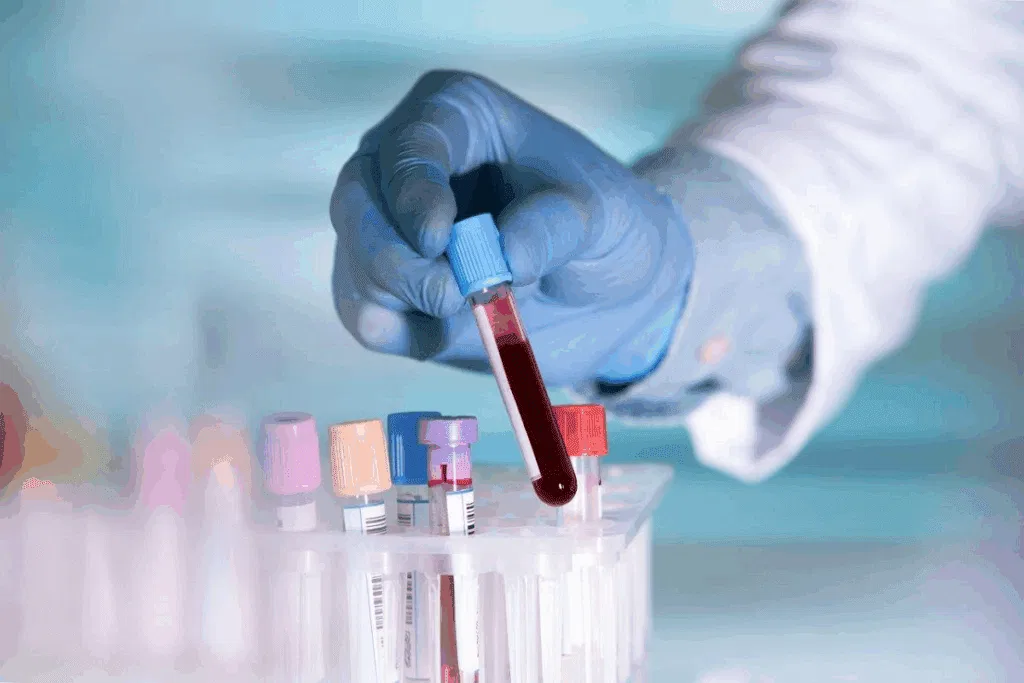
Have you ever felt like something was fundamentally off with your body, only to be told by your doctor that “all your labs are normal”? This frustrating experience is surprisingly common, especially for women navigating the complexities of thyroid health and hormones. Understanding why conventional thyroid testing fails many women is the first step toward advocating for your own well-being and finding real answers.
Hormonal imbalances and undiagnosed thyroid issues can have a profound impact on energy levels, weight management, and overall quality of life. Many high-achieving women, particularly those over 35, find themselves battling persistent fatigue, unexplained weight gain, brain fog, and joint pain, despite being assured that their blood work is within normal ranges. This article delves into the limitations of standard thyroid panels and outlines the comprehensive testing and lifestyle adjustments that can truly make a difference.
The Hidden Flaws in Standard Thyroid Panels 🌿
The conventional approach to thyroid testing often involves checking only two markers: Thyroid Stimulating Hormone (TSH) and sometimes Free T4. While these provide a snapshot, they frequently miss the nuanced picture of thyroid function. TSH, produced by the pituitary gland, tells your thyroid to make more hormones. Free T4 is the inactive form of thyroid hormone.
However, the journey from T4 to active T3 (the hormone your cells actually use) is complex and can be disrupted by various factors. Many women can have ‘normal’ TSH levels while still experiencing significant symptoms because their body isn’t effectively converting T4 to T3, or they have elevated reverse T3, which blocks T3 receptors. This narrow scope is a massive problem, leading to millions of women being undiagnosed or misdiagnosed with thyroid dysfunction. It’s like checking if the car has gas, but not if the engine is actually running or if the fuel is reaching the cylinders.
Understanding these limitations is crucial for anyone feeling unwell despite ‘normal’ lab results. It empowers you to seek a more comprehensive evaluation.
Beyond the Basics: Essential Labs to Request 💪
To truly understand your thyroid and hormonal health, you need a more detailed investigation. Advocating for a comprehensive panel is an important step toward understanding thyroid health. Here are the key markers you should be asking your doctor for:
- Free T3: This is the active form of thyroid hormone that directly impacts your metabolism, energy, and mood. If your Free T3 is low, even with normal TSH, you could be experiencing hypothyroid symptoms.
- Reverse T3 (rT3): This hormone is produced when your body is under stress or experiencing inflammation. It’s like a brake on your metabolism, binding to T3 receptors and preventing active T3 from doing its job. High rT3 can mimic hypothyroid symptoms despite normal TSH and T4.
- TPO Antibodies and Thyroglobulin Antibodies: These markers indicate autoimmune thyroid conditions like Hashimoto’s thyroiditis. Even if your thyroid hormones are currently in range, positive antibodies suggest an autoimmune attack on your thyroid, which requires a different approach to management.
- Cortisol (Four-Point Saliva Test): Cortisol, your primary stress hormone, is intimately linked with thyroid function. Chronic stress can disrupt the delicate balance between your adrenal and thyroid glands. A four-point saliva test throughout the day provides a more accurate picture of your cortisol rhythm than a single blood draw.
- Sex Hormones (Estrogen, Progesterone, Testosterone): These hormones work in concert with your thyroid. Imbalances in estrogen, progesterone, or testosterone can significantly impact thyroid function and vice versa, contributing to symptoms like weight gain, fatigue, and mood swings.
- Vitamin D: This essential vitamin acts more like a hormone and plays a critical role in immune function and thyroid health. Deficiency is widespread and can exacerbate thyroid issues.
- Ferritin: Low iron stores (indicated by low ferritin) can impair thyroid hormone production and conversion. Many women, especially those with heavy periods, are iron deficient.
Requesting these tests provides a holistic view, moving beyond the superficial to uncover the root causes of your symptoms. This level of detail helps pinpoint exactly where the dysfunction lies, allowing for targeted interventions.
The Impact of Exercise & Stress on Your Hormones 🧠
When it comes to thyroid and hormonal health, more isn’t always better, especially with exercise. Many women believe that if they’re gaining weight or feeling fatigued, they just need to push harder at the gym or do more cardio. However, for those with underlying thyroid dysfunction or hormonal imbalances, this approach can be counterproductive, even detrimental.
Intense, prolonged cardio and excessive intermittent fasting can act as stressors on the body. When your body perceives stress, it releases cortisol. Chronically elevated cortisol can suppress thyroid function, specifically impairing the conversion of T4 to the active T3. It can also disrupt sex hormone balance, leading to a cascade of negative symptoms.
Instead, focus on forms of exercise that support, rather than stress, your system:
- Strength Training: Builds muscle, boosts metabolism, and improves insulin sensitivity without excessively taxing your adrenals.
- Walking and Light Cardio: Low-impact activities that improve circulation and cardiovascular health without spiking cortisol.
- Yoga and Pilates: Enhance flexibility, strength, and mind-body connection, offering stress reduction benefits.
- Prioritize Recovery: Adequate rest is just as important as the workout itself. Incorporate active recovery days and ensure sufficient sleep. Premium fitness clubs are redefining muscle, recovery & health by emphasizing this aspect.
Managing stress is equally vital. Chronic stress, whether from work, relationships, or over-exercise, silently wrecks your hormones. Incorporate daily stress-reduction techniques:
- Mindfulness meditation
- Deep breathing exercises
- Spending time in nature
- Engaging in hobbies you enjoy
Even a simple Sunday night ritual, like journaling or a relaxing bath, can significantly impact your cortisol rhythm throughout the week. Remember, consistency in stress management is key, much like how consistency changes your approach to fitness.
The Role of Nutrition: Fueling Your Thyroid and Hormones 🥦
What you eat plays a foundational role in supporting your thyroid and balancing your hormones. It’s not just about avoiding ‘bad’ foods, but actively incorporating nutrient-dense options that nourish your endocrine system. Optimizing dietary intake can produce profound shifts in thyroid and hormonal health.
- Prioritize Protein: Protein is essential for hormone production, blood sugar stability, and satiety. Starting your day with protein, even before coffee, can stabilize blood sugar and prevent the cortisol spike often associated with caffeine on an empty stomach. This simple habit can completely change how your day feels, providing sustained energy and better focus.
- Healthy Fats: Include sources like avocados, nuts, seeds, and olive oil. These are crucial for hormone synthesis and reducing inflammation.
- Complex Carbohydrates: Choose whole grains, fruits, and vegetables for sustained energy and fiber, which supports gut health and hormone detoxification.
- Micronutrients for Thyroid Health:
- Iodine: Essential for thyroid hormone production (found in seaweed, fish, dairy).
- Selenium: Crucial for T4 to T3 conversion and antioxidant protection (Brazil nuts, seafood, eggs).
- Zinc: Supports TSH production and T4 to T3 conversion (oysters, beef, pumpkin seeds).
- Iron: Necessary for thyroid hormone synthesis (red meat, lentils, spinach).
- Limit Inflammatory Foods: Reduce intake of highly processed foods, excessive sugar, refined grains, and unhealthy fats, which can exacerbate inflammation and stress the endocrine system.
Consider your gut health as well. A healthy gut microbiome is vital for hormone balance and nutrient absorption. Incorporate fermented foods and plenty of fiber. Unlocking peak performance through gut health & exercise is a testament to this connection.
Practical Tips for Supporting Your Thyroid and Hormones ✨
- Advocate for Comprehensive Lab Testing: Don’t settle for just TSH. Request Free T3, Reverse T3, TPO antibodies, Thyroglobulin antibodies, a four-point cortisol test, and a full sex hormone panel.
- Prioritize Protein at Breakfast: Start your day with at least 20-30 grams of protein before your coffee. This helps stabilize blood sugar and supports your cortisol rhythm.
- Embrace Gentle Movement: Swap intense, prolonged cardio for strength training, walking, and restorative practices like yoga. Listen to your body and avoid over-exercising.
- Manage Stress Daily: Implement daily stress-reduction techniques. This could be 10 minutes of meditation, deep breathing, or a relaxing evening ritual. Consistent stress management is non-negotiable for hormonal health.
- Optimize Sleep Hygiene: Aim for 7-9 hours of quality sleep per night. Create a consistent sleep schedule, make your bedroom dark and cool, and limit screen time before bed.
- Nourish with Whole Foods: Focus on a diet rich in whole, unprocessed foods, including plenty of protein, healthy fats, complex carbohydrates, and micronutrient-dense fruits and vegetables.
- Hydrate Adequately: Drink plenty of filtered water throughout the day to support cellular function and detoxification.
- Consider Strategic Supplementation: Under the guidance of a healthcare professional, consider supplements like Vitamin D, selenium, zinc, and magnesium if your diet isn’t sufficient or if deficiencies are identified through testing.
- Limit Toxin Exposure: Reduce exposure to endocrine-disrupting chemicals found in plastics, personal care products, and household cleaners.
- Seek an Integrative Health Practitioner: If your conventional doctor is dismissive, consider working with an integrative or functional medicine practitioner who specializes in hormones and thyroid health.
Frequently Asked Questions ❤️
What does it mean if my TSH is normal but I still have symptoms of hypothyroidism?
If your TSH is normal but you’re experiencing symptoms like fatigue, weight gain, brain fog, and hair loss, it’s a strong indicator that you need more comprehensive testing. Your TSH might be in range, but your body may not be effectively converting T4 to active T3, or you might have elevated Reverse T3 blocking T3 receptors. Autoimmune thyroid conditions like Hashimoto’s can also be present with normal TSH in early stages. It’s crucial to look at Free T3, Reverse T3, and thyroid antibodies.
Can intermittent fasting make thyroid issues worse?
For some individuals, especially women with existing thyroid dysfunction or adrenal issues, intermittent fasting can indeed exacerbate symptoms. When the body perceives prolonged fasting as a stressor, it can elevate cortisol, which in turn can suppress thyroid function and impair T4 to T3 conversion. It’s not universally bad, but for sensitive individuals, it can throw the delicate hormonal balance further off. Always listen to your body and consult a healthcare professional, especially if you have known thyroid conditions.
Why is protein before coffee recommended for hormone balance?
Starting your day with protein before consuming caffeine helps stabilize blood sugar levels. When you drink coffee on an empty stomach, especially if you have underlying adrenal or thyroid imbalances, it can cause a significant spike in cortisol. This elevated cortisol can create a stress response, contributing to hormonal dysregulation over time. Protein helps to blunt this response, providing a more gradual and sustained energy release, and supporting overall hormonal rhythm.
How long does it take to see improvements after addressing thyroid and hormone imbalances?
The timeline for improvement varies greatly depending on the individual, the severity of the imbalances, and the consistency of the chosen interventions. Some people might start noticing subtle shifts in energy or mood within a few weeks, while significant changes can take several months. It’s a journey that requires patience, consistency, and often, ongoing adjustments to diet, lifestyle, and potentially supplementation or medication under professional guidance. Remember that achieving sustainable weight loss or hormonal balance is a holistic process.
The Bottom Line
Feeling unwell despite ‘normal’ lab results is not uncommon, especially for women navigating the intricate world of thyroid and hormonal health. The limitations of conventional thyroid testing often mean that many are left without answers, struggling with symptoms like fatigue, weight gain, and brain fog. Becoming an empowered advocate for your own health is the most important step.
By requesting comprehensive lab panels that include Free T3, Reverse T3, thyroid antibodies, cortisol, and sex hormones, you can gain a much clearer picture of your internal landscape. Couple this with mindful nutrition, strategic exercise, and diligent stress management, and you’ll be well on your way to truly understanding and supporting your body. Remember, your symptoms are real, and with the right approach, real answers and lasting wellness are within reach.
Sources:
- Subclinical Hypothyroidism
- Clinical practice guidelines for hypothyroidism in adults
- The use of L-T4 + L-T3 in the treatment of hypothyroidism
- Hypothyroidism. The Lancet
How Healthy Are Your Habits?
10 quick questions · Get your personal wellness score