The culinary landscape has been buzzing with a heated debate around cooking oils, specifically the category often referred to as seed oils or vegetable oils. From social media to best-selling books, questions like “Are seed oils bad for you?” have become common, leaving many consumers confused. Are these oils, which have become staples in kitchens and processed foods worldwide, truly detrimental to our health, or are they misunderstood? Navigating the science from the sensationalism is key to making informed dietary choices.
For decades, vegetable oils were often touted as healthier alternatives to animal fats like butter. However, a more recent narrative, fueled by certain dietary trends, labels them as “toxic sludge” or a significant cause of chronic disease. This article aims to cut through the noise, exploring what vegetable oils are, how they’re processed, and what the current scientific understanding tells us about their impact on your health. We’ll delve into the nuances, comparing them with other popular fats and offering practical advice for your diet.
What Exactly Are Seed Oils and How Are They Made? 🌿
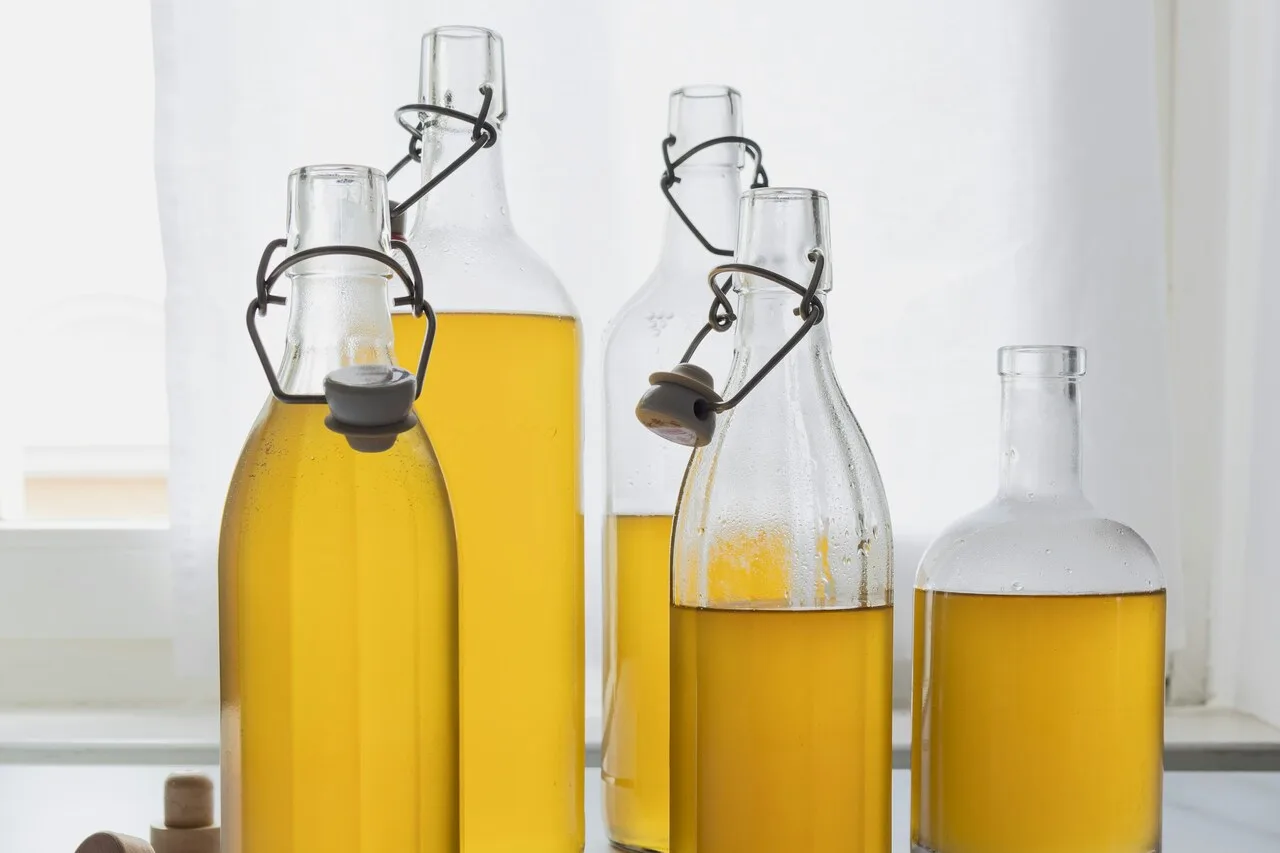
When we talk about “seed oils” or “vegetable oils,” we’re generally referring to a specific group of oils derived from the seeds of various plants. These are distinct from oils like olive, avocado, palm, or coconut oil, which come from the fruit of their respective plants and are typically more naturally fatty. The most common seed oils you’ll encounter in grocery stores and processed foods include:
- Canola oil
- Corn oil
- Safflower oil
- Sesame oil
- Sunflower oil
- Soybean oil
- Grapeseed oil
Unlike olives or avocados, which yield a substantial amount of oil with minimal processing, the seeds from which these oils are derived typically have a much lower fat content. For instance, a cup of green olives boasts about 20 grams of fat, while a cup of corn contains only around 2 grams. This low natural fat content necessitates a more intensive, multi-step industrial process to extract the oil efficiently.
The manufacturing journey of most seed oils involves several key stages:
- Crushing: Seeds are subjected to high pressure by machines to press out an initial amount of oil.
- Refining: To maximize oil extraction, the crushed seeds are often heated and treated with solvents, such as hexane. This step helps to dissolve more oil from the plant material.
- Deodorizing: The extracted oil then undergoes a deodorizing process. This is crucial for creating a neutral taste and smell, removing any unwanted compounds that might affect the oil’s flavor or shelf life.
This extensive processing is a core part of the controversy, with critics arguing that it fundamentally alters the oil’s natural state and introduces potentially harmful byproducts. However, proponents emphasize that these processes are designed to ensure safety, stability, and palatability for widespread consumption.
The Great Debate: Why Are Seed Oils Controversial? 💪
The debate surrounding seed oils is far from new, but it has certainly gained significant traction in recent years, particularly on social media platforms. On one side, you have staunch critics who label these oils as “toxic sludge,” “motor oil,” or even “the biggest cause of chronic disease that nobody knows about.” This perspective often highlights several key arguments:
- Historical Context: Critics argue that human diets evolved with animal fats for thousands of years, while vegetable oils are a relatively recent invention of the last century. They suggest these oils were introduced by profit-seeking companies as a cheap way to utilize abundant crops.
- Marketing Misdirection: Similar to margarine, seed oils were marketed as healthier alternatives to traditional fats like butter. However, the anti-seed oil camp contends that these oils are, in fact, worse, and contribute to a range of modern health issues.
- Health Concerns: The most alarming claims link seed oil consumption to an increased risk of obesity, anxiety, depression, ulcerative colitis, and other chronic inflammatory conditions.
In stark contrast, another group of experts maintains that vegetable oils are not only harmless but potentially health-promoting. They often advocate for these oils as superior to animal fats, citing their unsaturated fat content. This dichotomy leaves many individuals grappling with conflicting information, highlighting the need for a deeper dive into the actual science.
Understanding Omega-6s: The Role of Linoleic Acid in Your Diet 🧠
A central point of contention in the seed oil debate revolves around their fatty acid composition, particularly their high concentration of omega-6 polyunsaturated fatty acids (PUFAs), primarily linoleic acid. Omega-6s are essential fatty acids, meaning our bodies cannot produce them and we must obtain them through our diet. They play crucial roles in growth, development, and normal bodily functions.
However, the concern arises from the *balance* between omega-6 and omega-3 fatty acids. Historically, human diets had a roughly 1:1 ratio of omega-6 to omega-3. Modern Western diets, rich in processed foods and seed oils, often have ratios as high as 15:1 or even 20:1. This imbalance is hypothesized by some researchers to promote inflammation, contributing to chronic diseases.
Research suggests that while omega-6 fatty acids are necessary, excessive intake, especially when coupled with insufficient omega-3s, could shift the body’s inflammatory responses. However, it’s critical to understand that not all omega-6s are created equal, and the body’s metabolism of linoleic acid is complex. Understanding how different types of fats impact your health, including polyunsaturated, monounsaturated, and saturated fats, is crucial.
Furthermore, the way oils are processed and stored can affect their stability. PUFAs are more susceptible to oxidation when exposed to heat, light, and air. Oxidized fats can produce harmful compounds that contribute to cellular damage and inflammation. This is why cooking methods and oil storage are important considerations when using oils high in PUFAs.
“While omega-6 fatty acids are essential, a significant imbalance between omega-6 and omega-3 intake, characteristic of many modern diets, is a key concern for its potential to contribute to a pro-inflammatory state in the body.”
It’s important to differentiate between consuming omega-6s from whole food sources (like nuts and seeds) and from highly processed oils. The context of the overall diet plays a huge role in how these fats affect our health.
Seed Oils vs. Traditional Fats: A Nutritional Showdown 🥦
The debate around seed oils often involves a direct comparison with other popular fats, namely olive oil and butter. Each fat brings a distinct nutritional profile and culinary properties to the table, and understanding these differences is key to making informed choices.
Olive Oil: A Monounsaturated Powerhouse
Extra virgin olive oil (EVOO) is widely celebrated for its health benefits, largely attributed to its high content of monounsaturated fatty acids (MUFAs), particularly oleic acid. MUFAs are known for their ability to support heart health, lower LDL (“bad”) cholesterol, and potentially improve insulin sensitivity. EVOO is also rich in antioxidants and anti-inflammatory compounds, which are often preserved due to its minimal processing (cold-pressing the fruit).
Butter: A Source of Saturated Fat
Butter, an animal fat, is primarily composed of saturated fatty acids (SFAs) and cholesterol. While once demonized, the scientific consensus on SFAs has evolved. While high intake of SFAs can raise LDL cholesterol in some individuals, the overall impact on heart disease risk is more complex and depends on the specific types of saturated fats and the overall dietary pattern. Butter also contains fat-soluble vitamins (A, D, E, K2) and beneficial fatty acids like butyrate, which supports gut health.
Seed Oils: High in Polyunsaturated Fats
As discussed, seed oils are characterized by their high omega-6 PUFA content. While essential, the concern with their high intake stems from the potential for imbalance and oxidation. From a nutritional standpoint, many seed oils are also sources of Vitamin E. Their neutral flavor and high smoke points make them versatile for various cooking applications, which is why they are so prevalent in both home cooking and the food industry.
When comparing these fats, it’s not simply a matter of good versus bad. It’s about understanding their unique properties, how they are processed, and how they fit into a balanced dietary pattern. For instance, the beneficial compounds in EVOO are best preserved at lower cooking temperatures, while some refined seed oils with higher smoke points might be more stable for high-heat frying. However, regardless of the oil, excessive frying can lead to the formation of undesirable compounds. For example, learning what glycidol is in fried foods and how to avoid it is important for overall health.
Navigating the Science: What Research Really Says About Seed Oils ✨
The scientific community’s view on seed oils is more nuanced than the black-and-white narratives often seen in popular media. While some initial studies and theoretical arguments suggested that a high intake of omega-6 rich seed oils could promote inflammation and chronic disease, more recent and comprehensive research paints a more complex picture.
Many large-scale observational studies and randomized controlled trials have actually shown that replacing saturated fats with polyunsaturated fats (including those from seed oils) can improve markers of heart health, such as lowering LDL cholesterol. The American Heart Association, for example, recommends consuming polyunsaturated and monounsaturated fats as part of a heart-healthy diet.
However, the distinction between different types of seed oils and their processing methods is crucial. Highly refined oils, especially those subjected to extreme heat during manufacturing or cooking, may contain more oxidized compounds or trans fats. This is where the concern about “toxic sludge” might have some grounding, but it’s not inherent to all seed oils or their natural state.
Experts now emphasize the importance of the overall dietary pattern. Consuming seed oils within a diet rich in whole foods, fruits, vegetables, and lean proteins, and with adequate omega-3 intake, is very different from consuming them predominantly through ultra-processed foods, which are often high in added sugars, refined carbohydrates, and unhealthy additives. The inflammatory potential of a diet is often more related to the combination of these factors rather than a single ingredient like seed oil.
Furthermore, the specific type of omega-6 fatty acid matters. Linoleic acid (LA) is the primary omega-6 in most seed oils. While the body can convert LA into arachidonic acid (AA), which is a precursor to some pro-inflammatory molecules, it also produces anti-inflammatory molecules. The body’s regulatory mechanisms typically maintain a balance, and the amount of LA converted to AA is limited. Therefore, simply consuming LA doesn’t automatically mean a cascade of inflammation.
Ultimately, the scientific consensus generally supports the inclusion of moderate amounts of various unsaturated fats, including some seed oils, in a balanced diet. The key is balance, quality, and context.
Practical Tips for Choosing and Using Healthy Fats 💧
Given the complexities, how can you make smart choices about fats and oils in your diet? Here are some practical tips:
- Prioritize Whole Food Sources of Fats: Get fats from whole foods first. Think avocados, nuts, seeds (flax, chia, hemp), fatty fish, and olives. These provide fats along with fiber, vitamins, minerals, and antioxidants.
- Opt for Less Processed Oils: Choose extra virgin olive oil, avocado oil, and virgin coconut oil when possible. These are minimally processed and retain more beneficial compounds.
- Understand Smoke Points: Different oils have different smoke points (the temperature at which they start to burn and produce smoke). For high-heat cooking (frying, roasting), choose oils with higher smoke points like avocado oil or refined olive oil. For lower-heat cooking, dressings, and finishing, extra virgin olive oil is excellent.
- Balance Omega-3 and Omega-6: While you don’t need to eliminate omega-6s, aim to increase your omega-3 intake. Incorporate fatty fish (salmon, mackerel, sardines) 2-3 times a week, or consider flaxseeds, chia seeds, and walnuts.
- Limit Ultra-Processed Foods: Many ultra-processed foods are high in refined seed oils, added sugars, and unhealthy additives. Reducing your intake of these foods will naturally decrease your consumption of potentially problematic fats and improve your overall diet quality.
- Store Oils Properly: Store oils in cool, dark places in tightly sealed containers to prevent oxidation. Light, heat, and air are their enemies.
- Read Labels: Pay attention to the ingredients list on packaged foods. If a product contains a long list of ingredients and highly refined oils are among the first few, consider choosing an alternative.
- Consult a Professional: For personalized dietary advice, especially if you have existing health conditions, always consult with a registered dietitian or healthcare professional.
Key Takeaways on Seed Oils and Your Health ❤️
- Seed oils are a diverse group: Common examples include canola, corn, soy, and sunflower oils, typically requiring extensive processing for extraction.
- The debate is complex: While some label them as toxic, others consider them healthy, highlighting the nuance in nutrition science.
- Omega-6s are essential: Seed oils are rich in omega-6 fatty acids (linoleic acid), which are necessary for health, but concerns exist about the modern dietary imbalance between omega-6 and omega-3.
- Processing matters: The refining and deodorizing processes, along with improper storage or cooking at high temperatures, can lead to oxidation and the formation of potentially harmful compounds.
- Overall diet is paramount: The impact of seed oils on health is largely influenced by the context of your entire diet. A diet rich in whole foods with balanced fats is more important than fixating on one type of oil.
- Not all fats are equal: Compare seed oils with less processed options like extra virgin olive oil and avocado oil, which offer different nutritional benefits and processing methods.
Frequently Asked Questions About Seed Oils 🌞
Can you cook with seed oils safely?
Yes, you can cook with seed oils safely, but it depends on the specific oil and cooking method. Refined seed oils like canola or sunflower oil often have high smoke points, making them suitable for frying or roasting. However, it’s crucial to avoid overheating any oil past its smoke point, as this can lead to the formation of harmful compounds. Always store oils properly to prevent oxidation before use.
Are all seed oils bad for you, or are some worse than others?
It’s an oversimplification to say all seed oils are “bad.” The health impact varies based on the oil’s fatty acid profile, processing, and how it’s used. Oils like flaxseed oil, for example, are rich in omega-3s but are very delicate and not suitable for heat. Highly refined oils, especially those found in ultra-processed foods, are generally of greater concern due to potential oxidation and their contribution to an imbalanced diet, rather than the intrinsic nature of the seed itself.
What happens if I completely avoid seed oils?
If you completely avoid seed oils, your diet will naturally shift towards other fat sources. This could lead to a reduction in omega-6 intake, which might be beneficial if your current omega-6 to omega-3 ratio is very high. However, it’s important to ensure you’re still getting adequate essential fatty acids from other sources like nuts, seeds, and fatty fish. Focus on replacing them with healthy alternatives rather than simply eliminating them without proper nutritional planning.
Is it true that seed oils cause inflammation?
The relationship between seed oils and inflammation is complex. While omega-6 fatty acids are precursors to some inflammatory molecules, they also lead to anti-inflammatory compounds. The issue is more about the *balance* of omega-6 to omega-3 fatty acids in the diet and the overall dietary context. A diet high in processed foods, sugar, and an extreme imbalance of omega-6 to omega-3 is more likely to be pro-inflammatory than moderate consumption of seed oils within a balanced whole-food diet.
The Bottom Line on Seed Oils and Your Diet
The discourse around seed oils is a prime example of the complexities inherent in nutrition science. While sensational claims abound, a thorough look at the research reveals a more nuanced truth. Seed oils are not inherently “toxic” but their impact on health is influenced by their processing, fatty acid composition (particularly the omega-6 to omega-3 balance), and, most importantly, the context of the overall diet.
Focusing on a diet rich in whole, unprocessed foods, with a variety of healthy fats from diverse sources (including minimally processed plant oils and animal fats), is a more effective strategy for long-term health than an outright ban on any single food group. Prioritize extra virgin olive oil and avocado oil for many uses, be mindful of how you cook with all oils, and aim for a balance of essential fatty acids. Always consult with a healthcare professional or registered dietitian for personalized dietary advice tailored to your specific health needs.
Sources:
- The importance of the ratio of omega-6/omega-3 essential fatty acids.
- Dietary fats and cardiovascular disease: A presidential advisory from the American Heart Association
- Functional roles of fatty acids and their effects on human health.
How Healthy Are Your Habits?
10 quick questions · Get your personal wellness score