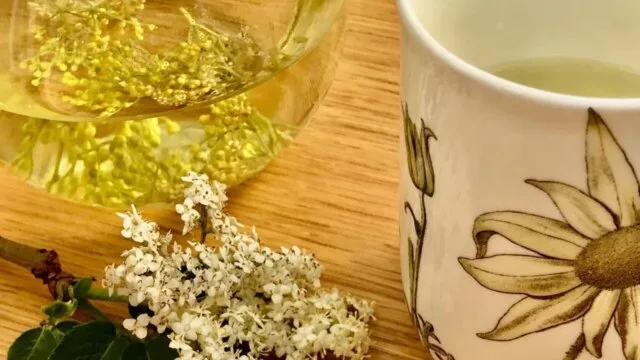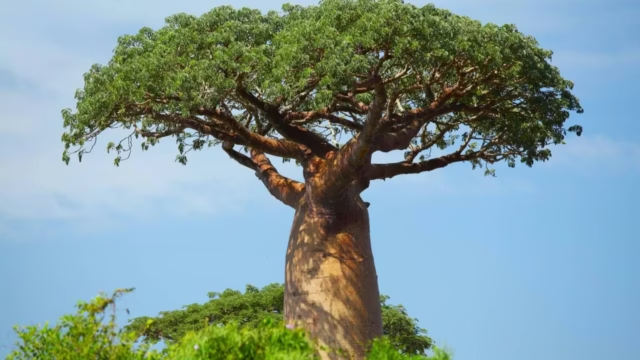
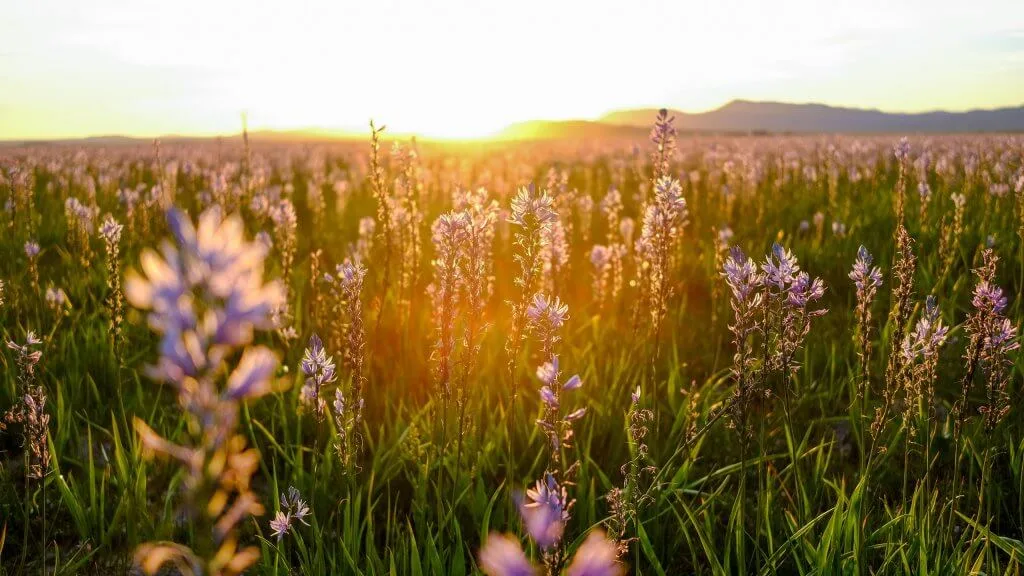
In a world grappling with environmental shifts, understanding why medicinal plants matter more than ever in a changing climate is crucial for our health and the future of natural remedies. As droughts intensify, temperatures rise, and rainfall patterns become unpredictable, the very essence of these powerful botanicals — their bioactive compounds — is undergoing significant changes. This article delves into the profound impact of climate change on medicinal plants, exploring how these environmental pressures influence their quality, safety, and the long-term viability of herbal medicine.
The Foundational Role of Medicinal Plants in Global Health 🌿
Medicinal plants are not merely ingredients in traditional remedies; they are the bedrock of global health, biodiversity, and countless livelihoods. Throughout history, these botanical powerhouses have shaped healthcare systems, inspiring both ancient healing practices and modern pharmaceutical breakthroughs. From the Pacific yew, which gave us the anti-cancer drug Taxol, to the sweet Annie plant, source of the malaria treatment artemisinin, plants have consistently provided life-saving compounds. Even common medications like morphine, derived from the opium poppy, and treatments for gout from the autumn crocus, highlight their indispensable role.
Beyond these well-known examples, a vast array of other medicinal plant species remain largely unexplored, holding immense potential for future therapeutic discoveries. This untapped botanical wealth represents a frontier for natural wellness, promising new ways to support health and well-being.
But their importance extends beyond direct medicinal applications. Medicinal plants play a vital ecological and social role, supporting biodiversity, attracting pollinators, and enhancing soil health. They are the backbone of traditional healthcare systems, particularly in rural and Indigenous communities, where knowledge passed down through generations guides their use. For instance, snowdrop species have inspired neurological treatments, and Chinese angelica (Angelica sinensis) remains central to Traditional Chinese Medicine. Protecting these plants means safeguarding not just our health, but also rich cultural heritage and sustainable livelihoods for generations to come.
Climate Change: An Unprecedented Threat to Botanical Integrity 💪
Despite their profound importance, medicinal plants face unprecedented threats, primarily from climate change, overharvesting, and habitat loss due to land conversion. A comprehensive scoping review of 367 medicinal plant species revealed clear and consistent patterns in how these botanicals are responding to a warming world. The most common predicted impact is a significant loss of suitable habitat, affecting 131 species, largely driven by alterations in precipitation patterns and elevation.
Range shifts were observed in 97 species, with many plants migrating towards higher altitudes and latitudes in search of more favorable growing conditions. While 73 species showed an increase in suitable habitat, suggesting that climate change might create new opportunities for a limited number of plants, the overall trend points to a widespread disruption.
These distributional changes have direct implications for the accessibility and availability of crucial medicinal resources. As plants move, traditional harvesters and communities may lose access to species that have been central to their healing practices for centuries. Furthermore, these shifts can disrupt delicate ecosystems, impacting pollinators and other species that rely on these plants for survival. It’s a complex web of interconnectedness where the health of one element directly influences the health of many others.
How Climate Change Alters Bioactive Compounds and Efficacy 🧠
One of the most concerning aspects of climate change’s impact on medicinal plants is its effect on their bioactive compounds. These are the natural chemicals responsible for a plant’s therapeutic properties. Environmental stressors such as increased temperatures, altered rainfall, and elevated CO2 levels can significantly influence the plant’s metabolism, leading to changes in the concentration and composition of these crucial compounds.
Research suggests that a plant under stress might produce fewer beneficial compounds, or even increase the production of compounds that could be harmful. For example, a plant known for its anti-inflammatory properties might become less potent if its natural environment is compromised. Conversely, some plants might produce more of certain compounds as a defense mechanism, but this doesn’t guarantee improved medicinal quality. The delicate balance of phytochemicals is paramount to a plant’s efficacy and safety.
This alteration in chemical profiles poses a significant challenge for the herbal medicine industry and consumers alike. How can we ensure the quality and safety of herbal supplements if the very plants they are derived from are changing in unpredictable ways? This concern underscores the need for rigorous quality control and sustainable harvesting practices. Understanding these complex interactions is vital for anyone relying on natural remedies.
The Imperative of Sustainable Sourcing and Fair Trade 🥦
As the pressures on medicinal plants intensify, the importance of sustainable sourcing and fair trade practices becomes paramount. Overharvesting, driven by growing global demand and inadequate regulatory frameworks, further exacerbates the challenges posed by climate change. When plants are harvested faster than they can replenish, it leads to population decline, genetic erosion, and ultimately, extinction.
Sustainable sourcing ensures that plants are harvested in a manner that does not harm their long-term survival or the ecosystems they inhabit. This often involves:
- Responsible Wildcrafting: Collecting plants from their natural habitat in a way that allows populations to regenerate.
- Cultivation: Growing medicinal plants in controlled environments to reduce pressure on wild populations.
- Community Engagement: Working with local and Indigenous communities who possess generational knowledge of plant harvesting and conservation.
Fair trade practices, in addition to sustainability, ensure that the benefits of herbal trade are shared equitably with the communities who cultivate and harvest these plants. This includes fair wages, safe working conditions, and community development initiatives. When communities are empowered and compensated fairly, they become invested stewards of their natural resources, creating a virtuous cycle of conservation and sustainable livelihoods.
“Protecting medicinal plants, therefore, means protecting health, culture, and livelihoods — now and for generations to come.”
Investing in fair trade and sustainable initiatives is not just an ethical choice; it’s a strategic imperative for the long-term viability of the natural health industry. Consumers can play a significant role by choosing products that are certified sustainable and fair trade, signaling their demand for responsible practices.
Protecting Medicinal Plants: A Collective Responsibility ✨
The challenges facing medicinal plants in a changing climate are complex, but the solutions lie in collective action and a deeper appreciation for these vital resources. Protecting these plants requires a multi-faceted approach involving scientific research, policy changes, and consumer awareness. It’s about safeguarding not just individual species, but the intricate ecosystems they support and the traditional knowledge systems that have stewarded them for millennia.
- Research and Monitoring: Continued scientific investigation is essential to understand how specific plants are responding to climate change and to develop conservation strategies.
- Policy and Regulation: Governments and international bodies need to implement stronger policies to protect endangered medicinal plant species and regulate harvesting practices.
- Education and Awareness: Raising public awareness about the importance of medicinal plants and the threats they face can drive demand for sustainable products and support conservation efforts.
- Support for Indigenous Knowledge: Recognizing and integrating the traditional ecological knowledge of Indigenous communities is vital, as they often hold invaluable insights into sustainable plant management.
Our relationship with medicinal plants is deep, valuable, and increasingly fragile. By understanding the threats and working together, we can ensure that these foundational elements of health and culture continue to thrive for future generations. This is especially relevant as we explore new discoveries in cellular wellness and natural support, which often rely on these very botanical compounds.
Practical Tips for Supporting Medicinal Plant Sustainability 💧
As a conscious consumer and advocate for natural health, you have the power to make a difference. Here are actionable tips to support the sustainability of medicinal plants and their vital role in our health:
- Choose Certified Sustainable Products: Look for certifications like FairWild, USDA Organic, or other reputable sustainable sourcing labels when purchasing herbal supplements and natural remedies. These certifications ensure responsible harvesting and ethical trade practices.
- Research Your Suppliers: Before buying, investigate the brands you support. Do they transparently share their sourcing practices? Do they have initiatives to protect endangered plant species? A commitment to sustainability should be evident.
- Support Local and Ethical Growers: Purchase herbs and plant-based products from local farmers’ markets or small businesses that prioritize ethical cultivation and harvesting. This often means a shorter supply chain and greater transparency.
- Grow Your Own Herbs: If possible, cultivate your own medicinal herbs at home. This reduces your reliance on commercially sourced products and allows you to control the growing conditions. Many common herbs like mint, basil, and chamomile are easy to grow.
- Reduce Waste: Be mindful of your consumption. Only purchase what you need and use products efficiently to minimize waste, indirectly reducing the demand on natural resources.
- Educate Yourself and Others: Stay informed about the issues facing medicinal plants and share your knowledge with friends and family. Awareness is the first step towards collective action.
- Donate to Conservation Efforts: Consider supporting organizations dedicated to plant conservation, biodiversity protection, and sustainable agriculture. Even small contributions can make a significant impact.
- Consult with Experts: When considering new herbal remedies, always consult with a qualified herbalist or healthcare professional. They can guide you towards effective and sustainably sourced options.
Key Takeaways ❤️
- Medicinal Plants are Fundamental: They underpin global health, biodiversity, and livelihoods, providing essential compounds for traditional and modern medicine.
- Climate Change is a Major Threat: Drought, heat, and altered rainfall significantly impact plant habitats, leading to range shifts and potential loss of species.
- Bioactive Compounds Are Vulnerable: Environmental stressors can alter the concentration and composition of a plant’s therapeutic chemicals, affecting efficacy and safety.
- Sustainability is Crucial: Overharvesting combined with climate change makes sustainable sourcing and fair trade practices absolutely essential for the future of herbal medicine.
- Collective Action is Needed: Protecting these vital resources requires ongoing research, robust policies, consumer awareness, and support for Indigenous knowledge.
- Your Choices Matter: As a consumer, choosing sustainably sourced and ethically produced natural remedies helps safeguard medicinal plants for generations to come.
Frequently Asked Questions
How does climate change specifically alter the chemical composition of medicinal plants?
Climate change, through factors like increased temperature, altered CO2 levels, and changes in water availability, acts as a stressor on plants. This stress can trigger changes in a plant’s metabolism, leading to variations in the production of secondary metabolites – the bioactive compounds responsible for medicinal properties. Some compounds might increase, while others decrease, potentially affecting the plant’s overall potency or even its safety profile. For example, a plant might produce more defensive compounds under drought conditions, which may or may not be beneficial for human health.
Are all medicinal plants equally affected by climate change?
No, not all medicinal plants are affected equally. The impact varies significantly depending on the plant species, its ecological niche, genetic adaptability, and the specific climate stressors it faces. Some plants may be more resilient to certain changes, while others are highly sensitive. For instance, plants with very specific habitat requirements or those growing in already fragile ecosystems are often more vulnerable. Research continually works to identify which species are most at risk.
What role do traditional and Indigenous communities play in protecting medicinal plants?
Traditional and Indigenous communities play a paramount role. They often possess generations of invaluable ecological knowledge about local plant species, sustainable harvesting practices, and the intricate balance of their ecosystems. Their traditional practices frequently embody sustainable resource management. Supporting these communities and integrating their knowledge into modern conservation efforts is critical for effective protection and stewardship of medicinal plants.
How can consumers ensure they are buying ethically and sustainably sourced herbal products?
Consumers can look for third-party certifications such as FairWild, USDA Organic (for cultivated plants), or other recognized sustainability labels. These certifications indicate adherence to specific environmental and social standards. Additionally, research brands for their transparency in sourcing, commitment to fair trade, and involvement in conservation initiatives. Don’t hesitate to ask companies about their supply chain practices. Consulting with a knowledgeable herbalist can also provide guidance on reputable and sustainable sources.
The Bottom Line
The intricate relationship between humanity and medicinal plants is under unprecedented pressure from a changing climate. Research confirms that the integrity, quality, and very existence of these vital natural remedies are at stake. However, by understanding these challenges and embracing sustainable practices, we can safeguard these invaluable resources for future generations. Our collective choices, from supporting ethical sourcing to advocating for stronger conservation policies, will determine the future of herbal medicine and the enduring power of nature to heal. Let’s work together to ensure that medicinal plants continue to nourish our health and well-being in the face of environmental shifts.
Sources:
- Why medicinal plants matter more than ever in a changing climate
- Climate change and its impact on the bioactive compound profile of medicinal plants: implications for global health
How Healthy Are Your Habits?
10 quick questions · Get your personal wellness score