
For millennia, long before modern medicine, humanity relied on the incredible healing power of nature. Nowhere is this more evident than in Africa, the cradle of civilization, where a rich tapestry of traditional herbal medicine has flourished for untold generations. This guide will delve into the profound world of African medicinal herbs, highlighting their historical significance, scientific backing, and practical applications for modern wellness. We’ll explore some truly remarkable plants, often referred to as ‘trees of life’ or ‘sacred roots,’ and discuss how they can support your health journey, always emphasizing the importance of sustainable sourcing and professional guidance.
The Untapped Potential of African Medicinal Herbs 🌿
Africa’s botanical diversity is unparalleled, spanning vast deserts, lush tropical forests, and expansive savannahs. This incredible biodiversity has given rise to an immense pharmacopeia of medicinal plants. While mainstream herbal literature has historically overlooked many of these treasures, a growing awareness is bringing African medicinal herbs to the forefront of global phytotherapy. This isn’t just about ancient traditions; it’s about a deep, complex, and foundational knowledge system that offers profound insights into natural healing.
Research into these plants is continuously expanding, revealing their intricate chemical compositions and therapeutic actions. Many African communities have long understood the potent properties of these herbs, using them for everything from common ailments to chronic conditions. The opportunity now lies in bridging this traditional wisdom with modern scientific understanding, ensuring these vital resources are both acknowledged and protected for future generations.
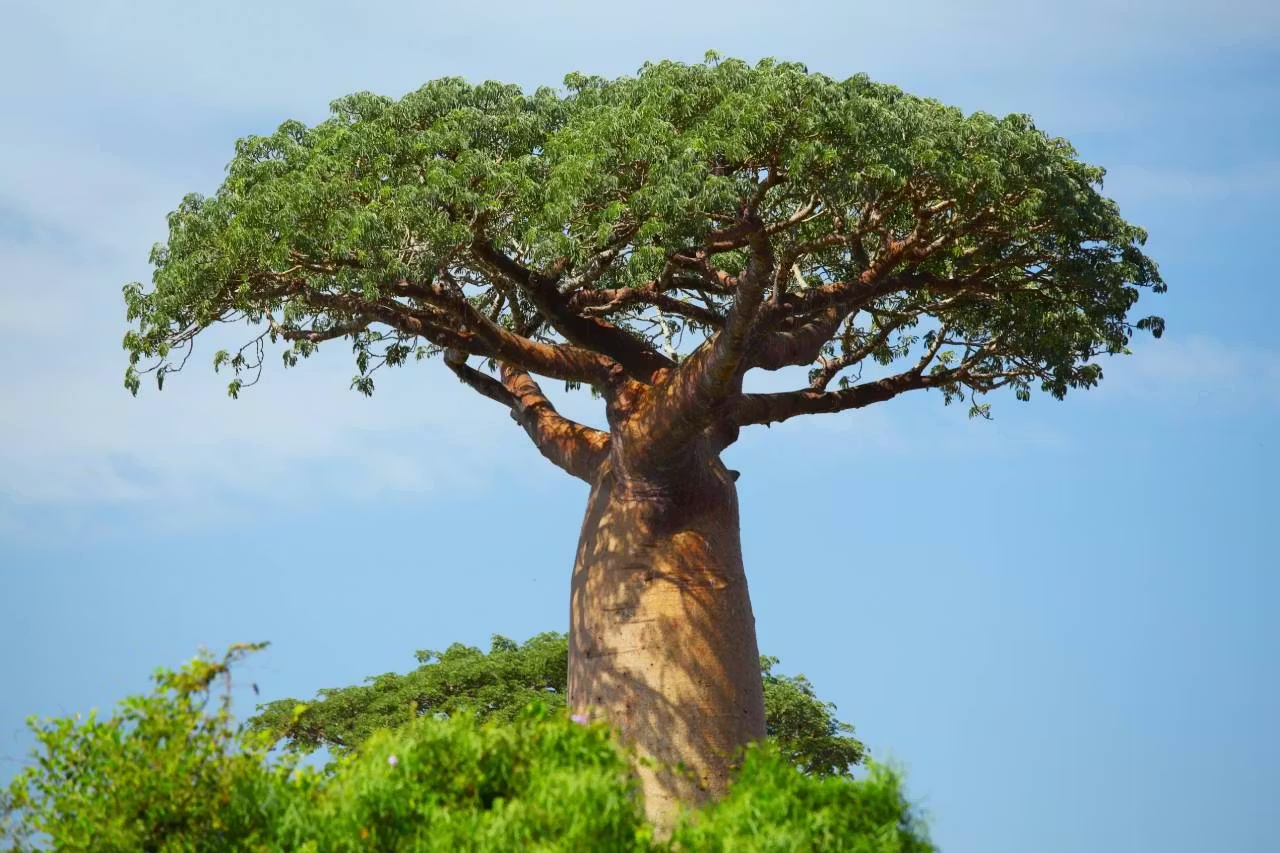
Baobab (Adansonia digitata): The ‘Tree of Life’ for Gut Health and Immunity 💪
Often revered as the “tree of life” across sub-Saharan Africa, the Baobab tree (Adansonia digitata) is a true marvel of nature. Its fruit pulp, now widely available as a powdered supplement, is a nutritional powerhouse. It’s incredibly rich in essential nutrients like vitamin C, calcium, potassium, and soluble fiber. Traditionally, Baobab has been a go-to remedy for digestive disturbances, febrile illnesses, and supporting recovery during convalescence.
From a modern phytotherapeutic perspective, Baobab offers significant benefits due to its unique composition. It provides antioxidant polyphenols, which help combat oxidative stress, and prebiotic pectins. These pectins are crucial for supporting a healthy gut microbiome, which in turn enhances gut integrity and overall immune resilience. Many consider it a gentle nutritive and demulcent food-medicine, perfect for daily wellness support rather than an acute pharmacological agent.
“The income harvesters earn from baobab fruit sales is incredibly important to their overall welfare, with many describing it as their biggest single source of cash income during the year.”
Importantly, the harvesting of Baobab fruit is non-destructive, as the fruit naturally ripens and falls from the trees. This sustainable practice supports tens of thousands of low-income rural harvesters, providing a vital source of income. Organizations like the African Baobab Alliance are working collaboratively to address equitable trade and long-term ecological monitoring, ensuring this precious resource benefits both people and the planet. To explore other natural remedies, you might find our guide on How to Make a Fluid Extract (Tincture Guide) useful.
African Geranium (Pelargonium sidoides): A Respiratory Powerhouse 🌿
One of the few African medicinal herbs that has firmly established itself in European phytomedicine is Pelargonium sidoides, commonly known as African Geranium. Standardized root extracts of this plant are extensively used for acute bronchitis and upper respiratory tract infections. Clinical trials have consistently supported its efficacy, suggesting significant antimicrobial and antiviral properties.
This remarkable herb helps to reduce the severity and duration of respiratory symptoms, making it a popular choice during cold and flu season. Its actions include modulating the immune response, preventing bacterial adhesion to cells, and exhibiting direct antiviral effects. It’s a testament to the potent healing capabilities found within Africa’s diverse flora. Always consult a healthcare professional before starting any new supplement, especially for acute conditions.
Devil’s Claw (Harpagophytum procumbens): Natural Pain Relief and Anti-Inflammatory Support 💪
Hailing from the Kalahari Desert, Harpagophytum procumbens, or Devil’s Claw, is a renowned traditional African medicinal herb. It has gained global recognition for its potent anti-inflammatory and analgesic properties. Traditionally, it has been used for a wide array of conditions, including arthritis, back pain, muscle soreness, and digestive issues.
The active compounds responsible for Devil’s Claw’s therapeutic effects are iridoid glycosides, particularly harpagoside. Research suggests that these compounds can inhibit inflammatory pathways, similar to some conventional anti-inflammatory drugs, but often with fewer side effects. This makes Devil’s Claw a compelling natural option for those seeking relief from chronic pain and inflammation, particularly conditions like osteoarthritis. If you’re interested in managing inflammation naturally, our article on Why You’re Still Inflamed Even Though You’re Doing Everything Right provides further insights.
As with all powerful remedies, responsible sourcing is crucial. Devil’s Claw is often wild-harvested, and sustainable practices are essential to protect its natural populations. Consumers should look for products that are ethically sourced and certified.
Sutherlandia frutescens (Cancer Bush): An Adaptogen for Holistic Wellness ❤️
Known as Sutherlandia frutescens or ‘Cancer Bush,’ this indigenous South African plant has a long history of traditional use as a general tonic and adaptogen. It’s highly valued for its ability to support overall well-being, particularly in times of stress or illness. Traditionally, it has been used to improve appetite, reduce anxiety, alleviate pain, and boost the immune system.
Modern research is exploring its potential immunomodulatory, anti-inflammatory, and even anti-cancer properties. While more research is needed, its adaptogenic qualities suggest it helps the body adapt to various stressors, promoting balance and resilience. It’s a prime example of an African medicinal herb that embodies holistic healing, addressing multiple bodily systems. For supporting emotional wellness, you might also be interested in Cultivating Emotional Wellness with Natural Healing.
Hoodia gordonii: Exploring Appetite Regulation (Cautionary Tale) 🧠
Hoodia gordonii, a succulent plant native to the Kalahari Desert, gained significant attention for its traditional use as an appetite suppressant. Indigenous San people historically consumed Hoodia to stave off hunger and thirst during long hunting expeditions. The active compound, P57, was believed to signal satiety to the brain.
However, despite initial excitement, the journey of Hoodia into the commercial supplement market has been fraught with challenges. Issues with inconsistent quality, adulteration, and limited robust scientific evidence for its efficacy as a weight-loss aid have made it a cautionary tale in the natural supplement industry. It underscores the importance of rigorous research and ethical product development when bringing traditional remedies to a global market. Always prioritize established science and safety when considering supplements for appetite regulation.
Practical Tips for Incorporating Natural Remedies Safely 🌿
- Consult a Healthcare Professional: Before incorporating any new African medicinal herbs or supplements into your regimen, especially if you have existing health conditions or are taking medications, always speak with a doctor, naturopath, or qualified herbalist.
- Source Reputably: Choose products from reputable suppliers who provide transparent information about their sourcing, testing, and manufacturing processes. Look for certifications that indicate quality and ethical practices.
- Start with Low Doses: Begin with the lowest recommended dose and gradually increase if needed, while monitoring your body’s response.
- Educate Yourself: Research the specific herb you’re interested in. Understand its traditional uses, scientific backing, potential side effects, and contraindications.
- Practice Sustainable Consumption: Be aware of the environmental and social impact of your choices. Support brands committed to sustainable harvesting and fair trade practices, especially for wild-harvested plants.
- Listen to Your Body: Pay attention to how your body reacts to any new supplement. Discontinue use if you experience adverse effects and seek professional advice.
- Integrate Holistically: Remember that natural remedies work best as part of a holistic lifestyle that includes a balanced diet, regular exercise, stress management, and adequate sleep.
- Be Patient: Natural remedies often work subtly and over time. Consistency is key, but always within safe and recommended parameters.
Key Takeaways on African Medicinal Herbs ✨
- African medicinal herbs represent a vast and largely untapped resource of natural healing, with a history spanning millennia.
- Baobab (Adansonia digitata) is a nutrient-dense superfood supporting gut health, immunity, and providing vital income for harvesters.
- African Geranium (Pelargonium sidoides) is scientifically validated for its efficacy in treating acute respiratory infections.
- Devil’s Claw (Harpagophytum procumbens) offers natural anti-inflammatory and pain-relieving benefits, particularly for joint pain.
- Sutherlandia frutescens acts as a powerful adaptogen, supporting overall wellness and resilience.
- The journey of Hoodia gordonii highlights the importance of rigorous scientific validation and ethical product development for traditional remedies.
- Sustainable sourcing and equitable trade practices are crucial for protecting these valuable botanical resources and supporting local communities.
- Always consult a healthcare professional before incorporating any new herbal remedy into your health routine.
Frequently Asked Questions 🧠
How long does it take for African medicinal herbs to show effects?
The time it takes for African medicinal herbs to show effects can vary greatly depending on the herb, the individual, the condition being treated, and the dosage. Some herbs, like those for acute respiratory issues, might show noticeable effects within a few days. Others, particularly adaptogens or those for chronic conditions, may require consistent use over several weeks or even months to observe their full benefits. It’s important to be patient and consistent, and always follow recommended dosages while consulting with a healthcare professional.
Can you take African medicinal herbs with prescription medications?
It is crucial to exercise caution and always consult a healthcare professional before combining African medicinal herbs with prescription medications. Many herbs can interact with drugs, potentially altering their efficacy or increasing the risk of side effects. For example, some herbs can affect blood clotting, blood pressure, or liver enzyme activity, which could have serious implications when combined with certain medications. Your doctor or pharmacist can provide personalized advice based on your specific health profile and medications.
Are African medicinal herbs safe for everyone?
While many African medicinal herbs are considered safe for most healthy adults when used appropriately, they are not universally safe for everyone. Certain populations, such as pregnant or breastfeeding women, young children, individuals with pre-existing medical conditions (e.g., autoimmune diseases, liver or kidney issues), or those undergoing surgery, should exercise extreme caution or avoid certain herbs altogether. Allergic reactions are also possible. Always seek guidance from a qualified healthcare provider to determine if a particular herb is safe for your individual circumstances.
Where can I find sustainably sourced African medicinal herbs?
Finding sustainably sourced African medicinal herbs requires diligence. Look for brands that explicitly state their commitment to ethical sourcing, fair trade practices, and environmental stewardship. Certifications from organizations that monitor sustainable harvesting and community benefit can be good indicators. Transparency about their supply chain, from harvest to final product, is also a positive sign. Supporting companies that work directly with local African communities helps ensure that both the environment and the people benefit from the trade of these valuable resources. Organizations like the African Baobab Alliance are good examples of collaborative efforts in this space.
The Bottom Line ❤️
The world of African medicinal herbs is a treasure trove of healing wisdom, deeply rooted in millennia of tradition and increasingly validated by modern science. From the gut-supporting Baobab to the respiratory relief of African Geranium and the pain-alleviating power of Devil’s Claw, these plants offer incredible potential for enhancing our well-being. By understanding their historical context, appreciating their scientific backing, and committing to sustainable and ethical sourcing, we can respectfully integrate these powerful natural remedies into our modern lives.
Remember, while the allure of natural healing is strong, always approach it with an informed and cautious mindset. Consult a healthcare professional before embarking on any new herbal journey to ensure safety and efficacy. By doing so, we not only nurture our own health but also honor the rich botanical heritage of Africa and support the communities that have preserved this knowledge for generations. Embracing these African medicinal herbs responsibly can truly unlock a new dimension of natural wellness.
Sources:
How Healthy Are Your Habits?
10 quick questions · Get your personal wellness score