
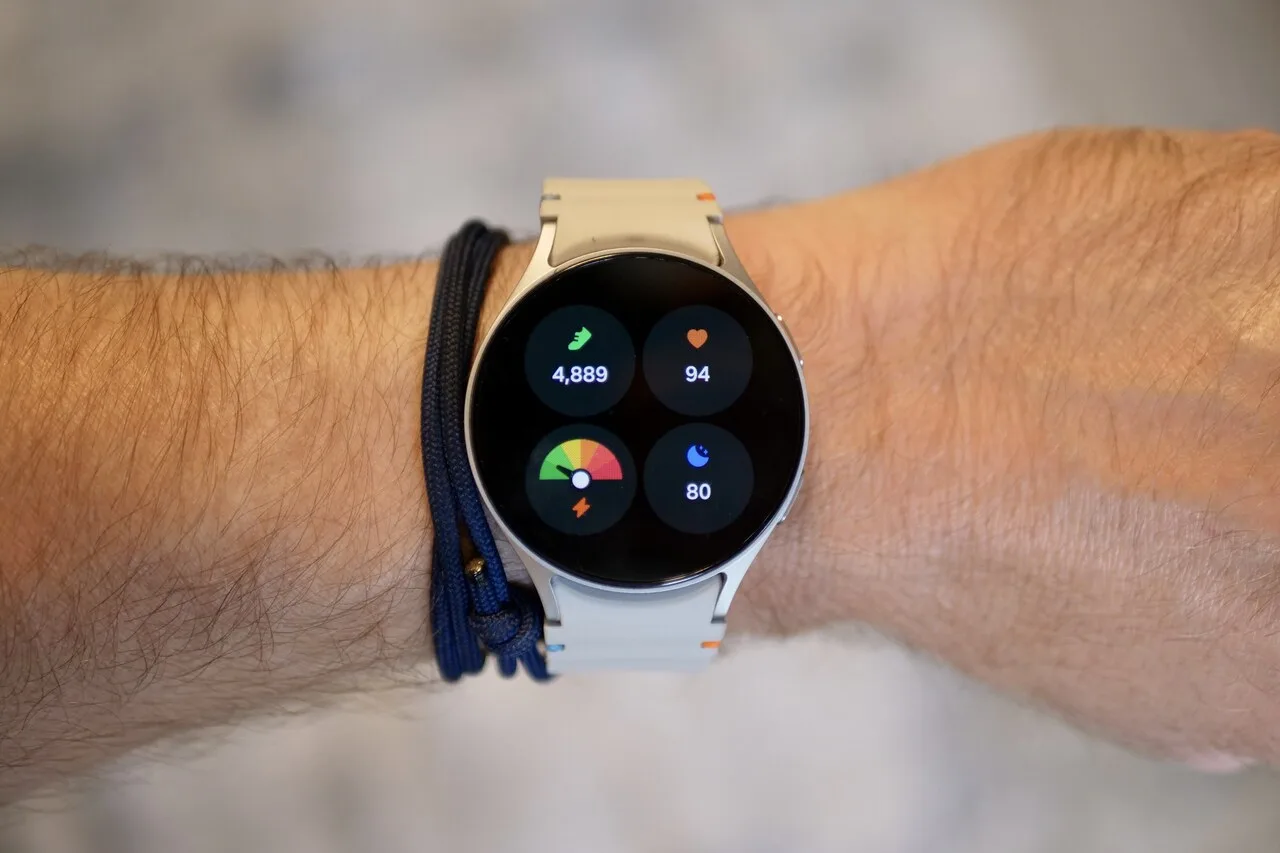
In a world brimming with data, understanding how to use fitness trackers to enhance performance and wellbeing has become a crucial skill for anyone committed to their health journey. While our ancestors relied solely on their innate senses to gauge their physical state, modern technology offers a powerful bridge between subjective feelings and objective measurements. These sleek devices, worn on our wrists or bodies, can provide invaluable insights into everything from heart rate and step count to exercise intensity and sleep quality, helping us make more informed decisions about our health and fitness.
The Accuracy of Fitness Trackers: What You Need to Know 🌿
When diving into the world of fitness tracking, a fundamental question arises: how accurate are data trackers anyway? It’s important to recognize that not all data is created equal. The reliability of the information you receive can vary significantly based on the brand, the quality of the hardware, and the sophistication of the software and underlying datasets. Some manufacturers excel in producing more precise devices, while others may offer less dependable readings.
Beyond brand variations, the type of data being measured also plays a critical role in accuracy. For instance, metrics like heart rate and step count data are generally considered quite reliable across a range of devices. These measurements are relatively straightforward for sensors to capture and interpret. However, other outputs, such as calories burned during an activity or movement velocity, often come with substantial margins for error. Calculating caloric expenditure, in particular, involves complex algorithms that must account for individual metabolic rates, activity types, and intensity levels, making it inherently more challenging to pinpoint with perfect accuracy.
Understanding these distinctions is key to setting realistic expectations and effectively interpreting the data your tracker provides. While a device might give you a good estimate of your daily steps, relying on its calorie burn estimate for precise dietary adjustments might be less advisable. Always consider the source and the specific metric when evaluating the trustworthiness of your fitness tracker’s data.
When Tracking is a Game-Changer (and When It’s Not) 💪
Fitness trackers offer an unprecedented amount of data about our bodies and behaviors, which can be both a blessing and a curse. On one hand, this wealth of information empowers us to identify patterns, set goals, and monitor progress in ways previously unimaginable. On the other hand, an overload of data can lead to analysis paralysis, making it harder to make clear decisions.
Samantha Kleinberg, a computer scientist specializing in decision-making, notes that even a small amount of surplus information can negatively impact our ability to make sound choices. This highlights the paradox of tracking: too little detail makes it difficult to make the right decision, but so does too much. Imagine sifting through hundreds of reviews for a simple taco order – what began as a quest for a delicious meal quickly devolves into overwhelming indecision. The goal isn’t just to accumulate data, but to find the “sweet spot” of information – just enough to guide effective action without causing overwhelm.
Tracking is incredibly helpful when it provides clear, actionable insights that align with your health objectives. For example, if you’re aiming to increase your daily activity, a step counter offers tangible feedback. If you’re working on improving sleep quality, monitoring sleep stages can highlight areas for improvement. However, if you’re tracking every minute detail of your day without a clear purpose, you might find yourself bogged down by numbers rather than empowered by them. The key is to be selective and intentional with what you track, focusing on metrics that genuinely contribute to your understanding and progress.
Training Your Intuition: The Art of Self-Assessment 🧠
While fitness trackers provide invaluable objective data, cultivating your ability to accurately assess things by feel remains a powerful skill. Our subjective experiences, while not always precise, offer a holistic view of our wellbeing that data alone cannot capture. The ideal scenario involves a synergy between technology and intuition, where your tracker confirms or challenges your internal perceptions, helping you refine your self-awareness.
Consider the story of a colleague who believed he was maintaining a specific caloric intake but discovered, through careful tracking, that he was unknowingly consuming an extra 500 calories a day—primarily from barbecue sauce. This illustrates how easily our subjective estimates can deviate from reality. However, with consistent feedback from a tracker, you can begin to calibrate your internal gauge. Over time, you might start to feel the difference between a high-intensity workout and a moderate one, or recognize the signs of adequate versus insufficient sleep, even without looking at your device.
To train your intuition, regularly compare your perceived effort, energy levels, and sleep quality with the data from your tracker. Did you feel like you had a great night’s sleep, and did your sleep score reflect that? Did a particular workout feel harder than usual, and did your heart rate data support that feeling? This ongoing comparison helps build a stronger connection between your mind and body, allowing you to eventually make more accurate self-assessments. It’s about learning to trust your body’s signals while using technology as a supportive guide, not a sole dictator.
Optimizing Your Tracking Strategy for Better Health Outcomes 🥦
To truly leverage fitness trackers for enhanced performance and wellbeing, a thoughtful and strategic approach is essential. It’s not about tracking everything, but tracking the right things for you. The sheer volume of data available can be overwhelming, making it crucial to prioritize metrics that align with your specific health and fitness goals. Are you focused on improving cardiovascular health? Then heart rate zones and consistent activity minutes might be your primary focus. Is better sleep your aim? Then sleep duration, quality scores, and consistency will be more relevant.
One effective strategy is to start with a few key metrics and gradually expand as you become more comfortable. For example, begin by tracking steps and sleep. Once you establish a baseline and understand how these impact your daily energy, you might add in active minutes or heart rate variability. This phased approach prevents data overload and allows you to build sustainable tracking habits. Remember, the goal is to gain insights that lead to actionable changes, not just to collect numbers.
Furthermore, consider the context of your data. A low sleep score one night might be an anomaly due to travel, rather than a sign of chronic poor sleep. Likewise, a day with fewer steps might be offset by an intense strength training session. Look for trends over time rather than fixating on daily fluctuations. This holistic view helps you understand the bigger picture of your health journey and make more balanced decisions. For more on holistic health, check out What Is Biological Age and Why Does It Matter for Your Health?
Practical Tips for Mindful Fitness Tracking ✨
Integrating fitness trackers into your routine effectively requires a mindful approach. It’s about using the technology as a tool to support your journey, not to dictate it entirely. Here are some practical tips to help you maximize the benefits without losing touch with your inner wisdom:
- Define Your Goals Clearly: Before you even put on a tracker, ask yourself: What specific health or fitness outcome am I trying to achieve? Whether it’s increasing daily steps, improving sleep quality, or managing stress, clear goals will help you identify which metrics truly matter.
- Choose the Right Device: Research different brands and models. Some excel in heart rate accuracy, others in sleep tracking, and some offer a more comprehensive ecosystem. Select a device that aligns with your primary goals and offers reliable data for those specific metrics.
- Focus on Key Metrics: Resist the urge to track everything. Identify 2-3 core metrics that directly relate to your goals (e.g., steps, active minutes, sleep duration). Over-tracking can lead to burnout and analysis paralysis.
- Establish a Baseline: Wear your tracker consistently for 1-2 weeks without trying to change anything. This helps you understand your current habits and provides a benchmark against which to measure future progress.
- Set Realistic Expectations for Accuracy: Understand that while heart rate and steps are generally reliable, other metrics like calories burned can have a significant margin of error. Use these as estimates rather than precise figures.
- Regularly Review Trends, Not Just Daily Numbers: Don’t get fixated on a single day’s data. Look at weekly or monthly trends to identify patterns and see how your habits are evolving over time. One bad night’s sleep doesn’t define your overall sleep health.
- Integrate with Intuition: Continuously compare what your tracker tells you with how you feel. Does the data confirm your subjective experience, or does it offer a new perspective? This helps you build a stronger mind-body connection.
- Use Data for Actionable Insights: Don’t just collect data; use it to make informed decisions. If your sleep quality is consistently low, what changes can you make to your evening routine? If your activity levels are down, how can you incorporate more movement?
- Take Tracking Breaks: Periodically, consider taking a break from constant tracking. This allows you to reconnect with your body’s natural rhythms and prevents dependency on the device. It can also be a good way to test if your intuitive self-assessment has improved.
- Consult a Professional: If you’re struggling to interpret your data or make meaningful changes, consider consulting a healthcare professional, registered dietitian, or certified fitness coach. They can provide personalized guidance and help you integrate insights from your tracker into a broader wellness plan.
Key Takeaways for Smart Tracking 💧
- Fitness trackers offer valuable objective data that can complement subjective self-assessment.
- Accuracy varies by device and metric; heart rate and steps are generally more reliable than calorie estimates.
- Too much data can lead to analysis paralysis, emphasizing the need for focused tracking.
- Regularly comparing tracker data with your feelings helps improve intuitive self-assessment.
- Strategic tracking involves setting clear goals and focusing on a few key, relevant metrics.
- Look for long-term trends rather than getting hung up on daily fluctuations.
- Use the data to make actionable changes, but also be prepared to take breaks from tracking.
- Always consult a healthcare professional for personalized health advice and guidance on interpreting complex data.
Frequently Asked Questions ❤️
How long does it take to see benefits from using a fitness tracker?
The timeline for seeing benefits from using a fitness tracker varies. Some users report immediate benefits in increased awareness of their activity levels or sleep patterns within days. However, for more significant changes in performance or wellbeing, consistent tracking and actionable adjustments over several weeks to months are typically required. It’s about building sustainable habits, which takes time.
Can fitness trackers help with weight loss?
Yes, fitness trackers can be a helpful tool for weight loss, but they are not a magic bullet. They can increase awareness of your activity levels, help you set and achieve step goals, and provide estimates of calories burned. This data can motivate you and help you understand your energy balance. However, sustainable weight loss also requires mindful eating habits and often, professional guidance. Remember, calorie burn estimates are not perfectly accurate, so use them as a guide, not an absolute truth.
Is it safe to wear a fitness tracker all the time, even while sleeping?
For most people, it is generally safe to wear a fitness tracker continuously, including while sleeping. These devices emit very low levels of electromagnetic radiation, well within international safety guidelines. Many trackers are designed specifically to monitor sleep patterns, providing valuable insights into sleep quality. If you have specific concerns, consulting a healthcare professional is always recommended.
How often should I check my fitness tracker data?
The optimal frequency for checking your fitness tracker data depends on your goals and personality. Daily checks can be motivating for some, while others might prefer weekly reviews to identify trends without getting overwhelmed. It’s generally recommended to avoid obsessive checking throughout the day. Focus on reviewing data when you can use it to make informed decisions or adjustments to your routine, such as planning your next workout or refining your evening wind-down routine for better sleep. Remember, the goal is insight, not anxiety.
The Bottom Line 🌞
Fitness trackers are powerful tools that, when used wisely, can significantly enhance performance and wellbeing by bridging the gap between our subjective feelings and objective data. They offer unprecedented insights into our physical activity, sleep patterns, and heart health, empowering us to make more informed decisions. However, the true benefit lies not just in collecting data, but in interpreting it thoughtfully, integrating it with our intuition, and using it to drive positive, actionable changes.
By understanding the accuracy limitations of various metrics, focusing on relevant goals, and practicing mindful engagement with the technology, you can harness the full potential of your fitness tracker. Remember to view your device as a supportive guide rather than an absolute authority, always listening to your body and consulting healthcare professionals when needed. Embrace the data, but never lose touch with your inner wisdom on your journey to optimal health and vitality.
Sources:
How Healthy Are Your Habits?
10 quick questions · Get your personal wellness score