An ACL tear can be a devastating blow, not just for elite athletes like WNBA star Jordan Horston, but for anyone who values an active lifestyle. The anterior cruciate ligament, crucial for knee stability and movement, is prone to injury in high-impact sports. When it tears, the journey back to full function is often long and arduous, demanding significant physical and mental fortitude. This guide delves into the intricacies of ACL injury rehabilitation, drawing insights from professional recovery strategies to help you understand the path to regaining strength, mobility, and confidence after an ACL tear. We’ll explore the science behind the recovery process, the importance of a structured rehab plan, and how to navigate the mental challenges that accompany such an injury, aiming for a successful return to your favorite activities.
Understanding the ACL and Its Injury 🧠
The anterior cruciate ligament (ACL) is one of the most critical ligaments in the knee, located deep within the joint. It runs diagonally through the middle of the knee and connects the thigh bone (femur) to the shin bone (tibia). Its primary role is to provide stability, particularly by preventing the tibia from sliding too far forward relative to the femur and by controlling rotational movements of the knee. This makes it essential for activities involving quick changes in direction, jumping, and sudden stops, common in sports like basketball, soccer, and skiing.
An ACL tear typically occurs during a sudden deceleration, a direct blow to the knee, or a non-contact twisting motion. Athletes often describe a distinct “pop” sensation at the moment of injury, followed by immediate pain and swelling. The knee may feel unstable, as if it’s “giving way.” Jordan Horston, for instance, described her ACL tear as an “overstep and hyperextend” moment, a common mechanism for this type of injury. While she initially wondered if her menstrual cycle played a role, research suggests ACL injury risk might be lower during certain phases of the menstrual cycle compared to others. However, studies consistently show that women are significantly more likely than men to suffer ACL tears, with anatomical differences like narrower intercondylar notches and potentially thinner cruciate ligaments being contributing factors.
Research indicates that women are approximately 3.5 times more likely to tear an ACL playing basketball than men.
The immediate aftermath of an ACL tear involves significant pain, swelling, and a loss of range of motion. For athletes, this also means a premature end to their season and a daunting prospect of a prolonged absence from the sport they love. The psychological impact can be as profound as the physical, leading to anxiety, frustration, and a potential loss of identity if sport is a central part of their life. Understanding the mechanics of the injury and its impact is the first step in appreciating the complexity of the recovery process.
The Crucial Role of ACL Rehabilitation 💪
Following an ACL tear, reconstructive surgery is often recommended, especially for active individuals. However, surgery is only the first step. The real work begins with a comprehensive and meticulously structured rehabilitation program. This program is designed to gradually restore the knee’s function, strength, flexibility, and stability, ultimately aiming to return the individual to their pre-injury level of activity safely. Without proper rehabilitation, the risk of re-injury or developing long-term issues like osteoarthritis increases significantly.
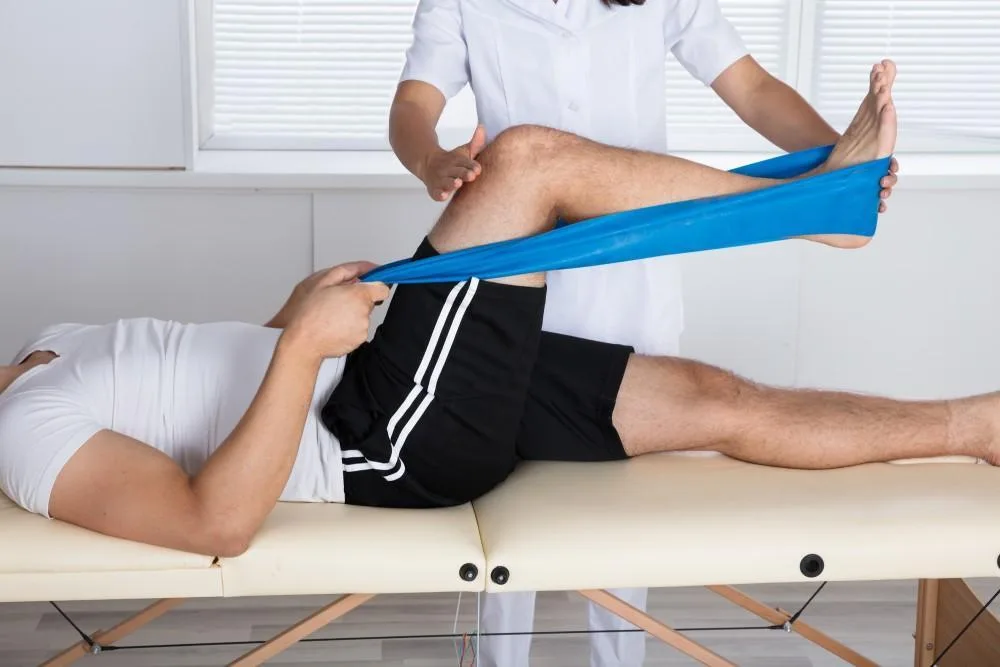
A typical ACL rehabilitation program is divided into several phases, each with specific goals and milestones. These phases are progressive, meaning you move from one to the next only when you have met the criteria for the current phase. This ensures that the healing tissues are not overloaded too soon. The early stages focus on reducing pain and swelling, regaining full extension (straightening the knee), and achieving a certain degree of flexion (bending the knee). This often involves gentle exercises, cryotherapy, and elevation.
As healing progresses, the focus shifts to strengthening the muscles surrounding the knee, particularly the quadriceps and hamstrings, which are vital for supporting the reconstructed ligament. Exercises like stationary cycling, hamstring curls, and quad sets are introduced. Proprioception and balance training also become critical. Proprioception is the body’s ability to sense its position in space, and it’s often impaired after an ACL injury. Exercises like single-leg stance, wobble board activities, and balance challenges help retrain this crucial sense, which is vital for preventing re-injury.
The later stages of rehabilitation involve more dynamic movements, agility drills, and sport-specific training. This is where athletes like Jordan Horston would gradually reintroduce jumping, cutting, and landing mechanics. The goal is to ensure the knee can withstand the demands of their sport. This phase requires careful monitoring and progression to avoid setbacks. It’s a testament to the dedication of athletes and the expertise of their physical therapists that many can return to high-level performance after such a significant injury.
Mental Fortitude: The Unseen Component of Recovery 🌟
While the physical aspects of ACL rehabilitation are well-documented, the psychological journey is equally, if not more, important. Being sidelined from a passion, especially for professional athletes whose identity and livelihood are tied to their sport, can be incredibly challenging. Jordan Horston herself described basketball as her “outlet” and having it taken away as “very, very hard.” The emotional toll can include feelings of grief, anger, anxiety about re-injury, and a sense of isolation from teammates and the competitive environment.
Developing mental resilience is as crucial as building physical strength. Athletes often need to work on managing fear, rebuilding confidence, and maintaining motivation throughout a long recovery process that can take anywhere from 9 months to over a year. Techniques like visualization, mindfulness, and positive self-talk can be invaluable. Visualizing successful movements and game scenarios can help prepare the mind for the physical demands ahead. Mindfulness can help stay present and manage the discomfort and frustration that inevitably arise.
Finding a support system is also vital. This includes family, friends, teammates, coaches, and the medical team. Open communication with therapists and coaches about fears and anxieties can foster a collaborative approach to recovery. For some, working with a sports psychologist can provide specialized tools and strategies for navigating the mental hurdles. Jordan Horston found that this challenging period drew her closer to her faith and encouraged her to discover other aspects of her character beyond being just a basketball player. This shift in perspective can be a powerful source of strength and help maintain a long-term commitment to recovery.
The Science Behind ACL Injury Prevention and Return to Sport 💧
Understanding the biomechanics and physiological factors that contribute to ACL injuries is key to developing effective prevention strategies. As mentioned, anatomical differences play a role, but neuromuscular control—how the brain and muscles work together—is a major focus in prevention programs. Many ACL injuries are non-contact and occur during landing from a jump, cutting, or pivoting. Deficiencies in landing mechanics, such as landing with the knee collapsing inward (valgus collapse) or insufficient hamstring activation to stabilize the knee, are common culprits.
Neuromuscular training programs, often incorporating balance exercises, plyometrics (jump training), and agility drills, have shown significant promise in reducing ACL injury rates in female athletes. These programs aim to improve muscle strength, reaction time, and movement patterns. They teach athletes to land softly, absorb force effectively, and maintain proper knee alignment. Educating athletes about proper technique and encouraging them to listen to their bodies are also fundamental preventative measures.
When it comes to returning to sport after an ACL injury, the decision-making process is complex and should be guided by objective criteria rather than just time elapsed since surgery. A return-to-sport test battery, which assesses strength, neuromuscular control, agility, and psychological readiness, is considered the gold standard. This ensures that the athlete’s knee is sufficiently healed and functionally prepared to withstand the rigors of competition. A premature return increases the risk of re-injury, which can have even more severe consequences.
Recent advancements in sports science and medical technology continue to refine both prevention and rehabilitation strategies. From improved surgical techniques to more sophisticated rehabilitation protocols and wearable technology for monitoring movement, the field is constantly evolving. The goal is always to optimize outcomes, minimize risks, and help athletes achieve their full potential safely. For instance, understanding how hydration and nutrition impact muscle function and recovery can also play a role in overall performance and injury resilience. Proper nutrition is essential for tissue repair and rebuilding strength.
Practical Tips for ACL Rehabilitation and Injury Prevention ☀️
- Consult Healthcare Professionals: Always work with a qualified physical therapist and orthopedic surgeon. They will tailor a program to your specific needs and monitor your progress.
- Adhere Strictly to the Rehab Protocol: Don’t rush the process. Follow your therapist’s instructions precisely regarding exercises, repetitions, and progression.
- Focus on Full Knee Extension: Regaining complete straightening of the knee is a top priority in the early stages and crucial for long-term function.
- Strengthen Supporting Muscles: Dedicate time to strengthening your quadriceps, hamstrings, glutes, and calf muscles. Stronger muscles provide better knee support.
- Incorporate Balance and Proprioception Training: Practice single-leg stands, wobble board exercises, and other balance drills to retrain your body’s awareness of its position.
- Master Landing Mechanics: Learn to land softly with knees bent and aligned over your toes. Practice controlled jumps and landings under guidance.
- Gradually Reintroduce Agility and Sport-Specific Drills: Once cleared by your therapist, slowly begin incorporating movements relevant to your sport, ensuring proper form and control.
- Listen to Your Body: Pay attention to pain signals. Discomfort is normal, but sharp or increasing pain is a sign to back off and consult your therapist.
- Stay Mentally Engaged: Use visualization, set small goals, and celebrate milestones to maintain motivation and manage frustration.
- Prioritize Sleep and Nutrition: Adequate rest and a balanced diet rich in protein and nutrients are essential for healing and muscle repair. Optimizing sleep is critical for recovery.
Key Takeaways ❤️
- ACL injuries are common in sports involving quick movements and pivots, with women having a higher incidence rate.
- Rehabilitation is a phased, progressive process crucial for restoring function and preventing re-injury.
- The mental aspect of recovery, including managing fear and rebuilding confidence, is as important as the physical.
- Prevention strategies focus on improving neuromuscular control, strength, and proper movement mechanics.
- A safe return to sport requires objective testing and readiness, not just adherence to a timeline.
- Continuous monitoring and guidance from healthcare professionals are essential throughout the recovery journey.
Frequently Asked Questions
How long does ACL rehab typically take?
The timeline for ACL rehabilitation can vary significantly depending on individual factors, the specific surgical procedure, and adherence to the rehabilitation program. However, a typical return to high-level sports activities is often between 9 to 12 months post-surgery. Some individuals may take longer, up to 18 months or more, to feel fully confident and ready for unrestricted participation. It’s crucial to follow your physical therapist’s guidance and pass return-to-sport testing before resuming competitive play.
Can you return to your previous level of performance after an ACL tear?
Yes, many athletes can return to their previous level of performance after an ACL tear and successful rehabilitation. However, success depends on a combination of factors, including the quality of the surgery and rehabilitation, the individual’s dedication to the program, and their psychological readiness. Some studies suggest a small percentage of athletes may not regain their pre-injury performance levels, highlighting the importance of a comprehensive recovery process and potentially continued maintenance exercises. Maintaining strength and muscle mass is key for long-term athletic function.
Is it possible to prevent ACL injuries?
While not all ACL injuries can be prevented, the risk can be significantly reduced through targeted training programs. These programs often focus on improving neuromuscular control, strength (especially in the hamstrings and glutes), balance, and proper landing and cutting techniques. Warm-up routines that include dynamic stretching and sport-specific movements can also be beneficial. Educating athletes about risk factors and proper biomechanics is a critical component of prevention.
What are the signs that you are ready to return to sport?
Readiness to return to sport is determined by a combination of objective measures and subjective feelings. Objective criteria typically include achieving specific strength deficits (e.g., quadriceps strength within 90% of the uninjured leg), passing functional hop tests (measuring distance and landing quality), demonstrating good neuromuscular control during agility drills, and having full range of motion. Subjectively, the athlete should feel confident and have minimal fear of re-injury. A comprehensive return-to-sport testing protocol administered by a physical therapist is the best way to assess readiness.
The Bottom Line 🌟
An ACL injury is a significant challenge, but with a structured, diligent, and patient approach to rehabilitation, a successful comeback is achievable. The journey, exemplified by athletes like Jordan Horston, involves not only healing the physical damage but also nurturing mental resilience. By understanding the biomechanics of the injury, adhering to a progressive physical therapy plan, and addressing the psychological toll, individuals can navigate the path to recovery effectively. Prioritizing prevention strategies, listening to your body, and working closely with healthcare professionals are paramount for both initial recovery and long-term knee health. The ultimate goal is a safe and confident return to the activities you love, stronger and wiser for the experience.
Sources:
How Healthy Are Your Habits?
10 quick questions · Get your personal wellness score