
The quest for a longer, healthier life is a universal aspiration. Many of us seek to not just extend our years but to fill them with vitality and well-being. In today’s information-saturated world, claims about how to ‘optimize’ your health abound. From reversing chronic diseases to maintaining a youthful appearance, countless fitness influencers and wellness gurus promise the keys to extreme longevity. But are these advanced, ultra-specific protocols truly necessary or even effective for the average person? And more importantly, what is the real cost – in terms of time, effort, and money – associated with these demanding regimens? As an expert in nutrition and diet, I believe it’s crucial to approach health optimization with a balanced and realistic perspective. This guide will explore the true value of extreme health optimization strategies and help you discern the most impactful, sustainable approaches for achieving the health and longevity you desire, without sacrificing the joy of living.
Understanding the Appeal of Extreme Health Optimization 🌿
The allure of ‘optimal health’ is powerful. We see aspirational figures online and hear promises of living to 115 or even beyond. These narratives often involve intricate diets, demanding workout schedules, extensive supplement regimens, and constant bio-hacking. The idea is that by pushing our bodies to their absolute limits and meticulously controlling every variable, we can achieve peak physical and mental performance and unlock unprecedented longevity. This approach taps into our desire for control and our hope for a definitive solution to aging and disease. It suggests that with enough dedication and adherence to a complex plan, we can achieve a state of perfect health, free from the limitations of time and biology. However, research suggests that while some advanced interventions can yield results, they often come with significant trade-offs that may not be worth the effort for most individuals.
The Science Behind Longevity: Foundational Pillars
While the concept of ‘optimization’ can lead us down complex rabbit holes, the scientific consensus on longevity points towards a set of fundamental, accessible practices. These pillars have been supported by decades of research and consistently show a strong correlation with a longer, healthier life. Rather than chasing the latest bio-hacking trend, focusing on these core principles can yield substantial benefits. These are the building blocks upon which any sustainable health journey should be built. As a registered dietitian, I often emphasize that mastering these basics is far more impactful than dabbling in unproven, extreme methods.
Physical Activity: Regular movement is non-negotiable. Studies have long linked physical activity to reduced all-cause mortality. For instance, a landmark study on college alumni found that those who engaged in regular physical activity lived longer. The benefits extend beyond just lifespan, encompassing improved cardiovascular health, stronger bones, better mood, and enhanced cognitive function. It doesn’t necessarily require intense, hours-long gym sessions; consistent, moderate activity can make a profound difference.
“Association of Leisure Time Physical Activity With All-Cause Mortality and Longevity Among Middle-Aged Adults.” A study published in the New England Journal of Medicine in 1986 by Paffenbarger et al. demonstrated a clear link between physical activity and increased longevity among college alumni, highlighting that even moderate activity could significantly impact health outcomes.
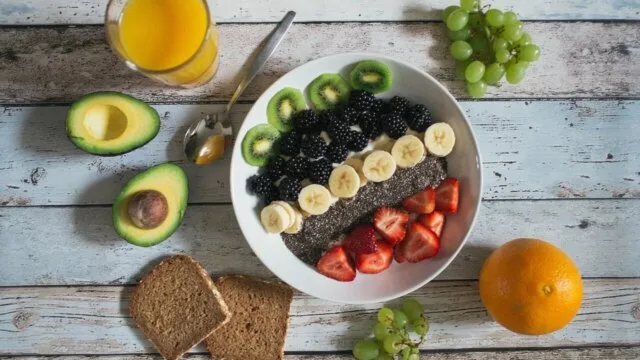
Nutrition: What we eat directly impacts our cellular health, inflammation levels, and risk of chronic diseases. A diet rich in whole, unprocessed foods – fruits, vegetables, lean proteins, and healthy fats – provides the essential nutrients our bodies need to thrive. Focusing on nutrient density rather than restrictive calorie counting or extreme macronutrient ratios is often more sustainable and effective for long-term health. Understanding the impact of foods, like the importance of fiber and the potential downsides of certain compounds, is key.
Sleep: Quality sleep is crucial for physical repair, cognitive function, and emotional regulation. Chronic sleep deprivation is linked to a host of health problems, including increased risk of obesity, diabetes, heart disease, and impaired immunity. Prioritizing 7-9 hours of quality sleep per night is a cornerstone of good health.
Stress Management: Chronic stress can wreak havoc on the body, contributing to inflammation, hormonal imbalances, and increased susceptibility to illness. Developing effective stress management techniques, such as mindfulness, meditation, or spending time in nature, is vital for overall well-being and longevity.
The Trade-offs of Extreme Health Optimization Protocols 💪
While the intention behind extreme health optimization is often noble – to achieve the best possible health – the reality can be far more complicated. These protocols frequently demand significant sacrifices that can detract from overall quality of life. As a wellness content writer, I’ve observed that the pursuit of ‘perfect’ health can sometimes lead to a state of ‘unhappiness’ or obsession, which itself can be detrimental. Research suggests that subjective well-being contributes significantly to health and longevity, indicating that a miserable existence, even if biologically prolonged, might not be the ideal outcome.
Time Commitment: Many advanced health plans require hours each day for meal preparation, specialized workouts, tracking metrics, and recovery protocols. This can leave little time for social activities, hobbies, or spontaneous enjoyment, leading to burnout and social isolation.
Financial Cost: High-end supplements, specialized foods, advanced testing, personal trainers, and exclusive wellness retreats can incur substantial costs. For many, these expenses are prohibitive and unsustainable long-term, creating a divide between those who can afford extreme measures and those who cannot.
Mental Burden: The constant vigilance and strict adherence required by many optimization protocols can be mentally exhausting. This can lead to anxiety, guilt, and an unhealthy fixation on health metrics, turning a pursuit of well-being into a source of stress. The pressure to ‘perform’ healthily can be counterproductive.
Limited Evidence for Extreme Measures: While some advanced techniques might offer marginal benefits for specific populations (e.g., elite athletes), the evidence supporting their necessity or superior efficacy for the general population seeking longevity is often weak or anecdotal. Many claims are based on extrapolations or small studies that don’t translate to widespread applicability.
Potential for Harm: Without proper guidance, attempting highly restrictive diets or intense training regimens can lead to nutrient deficiencies, injuries, or exacerbate existing health conditions. The supplement industry, in particular, faces challenges with product quality and safety, with some products found to be adulterated with unapproved drugs.
Finding Your Sustainable Path to Health and Longevity 🥦
The most effective approach to health and longevity is one that is sustainable, enjoyable, and aligned with your individual lifestyle. It’s about making consistent, positive choices that enhance your well-being without demanding an unreasonable amount of sacrifice. As a health strategist, I encourage focusing on building habits that integrate seamlessly into your life, rather than imposing drastic, short-lived changes.
Prioritize the Fundamentals: Revisit the core pillars: consistent physical activity, a nutrient-dense diet, adequate sleep, and effective stress management. These foundational elements offer the greatest return on investment for long-term health and longevity.
Focus on Progress, Not Perfection: Aim for consistent improvement rather than an unattainable ideal. Small, sustainable changes accumulate over time to create significant health benefits. Celebrate your wins, big and small.
Listen to Your Body: Pay attention to how different foods, activities, and lifestyle choices make you feel. Your body provides valuable feedback that can guide you toward what works best for you. Avoid rigid adherence to plans that leave you feeling deprived or unwell.
Seek Reliable Information: Be critical of health claims, especially those promising quick fixes or requiring extreme measures. Consult reputable sources and healthcare professionals. The prevalence of health misinformation on social media is a significant concern, making critical evaluation essential.
Integrate Joy and Social Connection: Health is not just about physiological markers; it’s also about happiness and connection. Ensure your health pursuits allow for social interaction, enjoyment of food, and leisure time. A happy life is often a longer and healthier one.
Practical Tips for Sustainable Health Optimization
Implementing sustainable health practices doesn’t require a complete overhaul of your life. It’s about making smart, consistent choices. Here are actionable steps you can take:
- Start Your Day with Hydration and Movement: Drink a glass of water upon waking and engage in 10-15 minutes of light activity, like stretching or a short walk.
- Build Your Plate Around Vegetables: Aim to fill at least half your plate with a variety of colorful vegetables at lunch and dinner. This ensures nutrient intake and fiber.
- Prioritize Protein at Each Meal: Include a source of lean protein (e.g., chicken, fish, beans, tofu) with every meal to support satiety and muscle health.
- Schedule Sleep Like an Appointment: Aim for 7-9 hours of quality sleep per night. Establish a consistent bedtime and wake-up time, even on weekends.
- Incorporate Mindful Moments: Dedicate 5-10 minutes daily to mindfulness or deep breathing exercises to manage stress.
- Plan Your Meals Weekly: Simple meal planning can prevent last-minute unhealthy choices and reduce decision fatigue. Consider incorporating principles from guides like the Daily Dozen for Optimal Health.
- Move More Throughout the Day: Take short breaks to walk around, use the stairs instead of the elevator, or do a few simple exercises while watching TV.
- Limit Processed Foods and Added Sugars: Gradually reduce your intake of highly processed items and sugary drinks, focusing on whole, natural foods. Be mindful of hidden sugars and ingredients, as discussed in articles about navigating smart nutrition choices.
- Practice Mindful Eating: Pay attention to your hunger and fullness cues. Eat slowly, savor your food, and avoid distractions during meals.
- Stay Hydrated Consistently: Carry a water bottle and sip throughout the day. Proper hydration is fundamental for countless bodily functions.
Key Takeaways for Realistic Health Optimization ✨
- The pursuit of extreme health optimization often involves significant trade-offs in time, money, and mental well-being.
- Foundational pillars of health—physical activity, balanced nutrition, quality sleep, and stress management—offer the most impactful and sustainable benefits for longevity.
- Focus on consistent, small improvements rather than perfection to foster long-term adherence and enjoyment.
- Prioritizing mental well-being and social connection is crucial, as happiness is linked to health and longevity.
- Always consult with healthcare professionals before making significant changes to your diet or exercise routine.
- Be critical of health information and avoid falling for promises of quick fixes or miracle cures.
- Sustainable health is about integration into your life, not about creating a life solely around health pursuits.
Frequently Asked Questions
What is the biggest misconception about health optimization?
The biggest misconception is that health optimization requires extreme, complex, and costly interventions. Many believe you need to follow highly restrictive diets, engage in grueling exercise routines daily, or take numerous supplements to achieve optimal health. In reality, consistent application of basic healthy habits often yields far greater and more sustainable results.
Can I achieve longevity without being a ‘health nut’?
Absolutely! The goal is to integrate healthy habits into your life in a way that feels natural and enjoyable, not obsessive. Focusing on foundational principles like regular movement, a balanced diet rich in whole foods, sufficient sleep, and stress management allows for a fulfilling life alongside good health. It’s about balance, not extremes. Remember, you can learn how to overcome barriers to healthy eating without becoming overly rigid.
Are supplements necessary for optimizing health?
For most generally healthy individuals, a well-balanced diet provides the necessary nutrients. Supplements may be beneficial in specific cases of deficiency or for certain health conditions, but they are not a substitute for a healthy lifestyle. It’s crucial to be cautious, as the supplement industry is not always well-regulated, and some products may contain undisclosed ingredients or lack efficacy. Always consult a healthcare professional before starting any supplement regimen.
How do I know if a health trend is worth pursuing?
Evaluate health trends critically. Look for evidence-based information from reputable sources, consider the source’s credibility, and assess the practicality and sustainability of the trend for your own life. If a trend promises miraculous results, requires extreme sacrifices, or seems too good to be true, it likely is. Prioritize habits that are supported by scientific consensus and align with your personal values and lifestyle, rather than chasing fleeting fads.
The Bottom Line
The journey toward a longer, healthier life doesn’t require extreme measures or a complete overhaul of your existence. While the allure of ‘optimization’ is understandable, focusing on foundational health pillars—consistent movement, nourishing food, restorative sleep, and effective stress management—provides the most robust and sustainable path to well-being and longevity. By prioritizing these essentials, listening to your body, and integrating healthy habits joyfully into your life, you can achieve remarkable health outcomes without sacrificing the richness and enjoyment of everyday living. Remember, the best health strategy is the one you can stick with, the one that enhances your life, not consumes it. Always consult with a healthcare professional for personalized advice tailored to your unique health needs.
Sources:
- Infographic | The Cost of Health “Optimization”
- Physical Activity, All-Cause Mortality, and Longevity of College Alumni
How Healthy Are Your Habits?
10 quick questions · Get your personal wellness score