
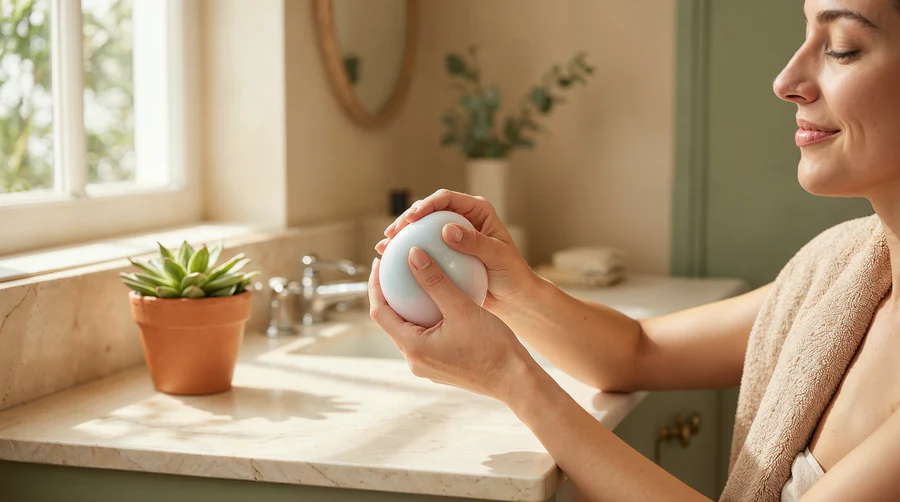
In our fast-paced world, feelings of overwhelm and anxiety are increasingly common. For many, these sensations manifest physically: tense shoulders, a tight chest, or rapid breathing. When your mind is racing, finding a simple, tangible way to ground yourself can be a game-changer. This is where the humble stress ball enters the picture. But do stress balls really work for anxiety, or are they just a fleeting distraction? Let’s explore the science, the historical roots, and the practical applications of these squishy companions for calming your mind and body.
The Ancient Roots and Modern Appeal of Stress Balls 🌿
While modern stress balls might seem like a recent invention, their lineage stretches back centuries. The concept of using handheld objects for focus and relaxation isn’t new. In ancient China, for instance, people used “Baoding balls” made from metal. These weren’t just for stress relief; they were also used to improve manual dexterity and stimulate acupuncture points in the hand, believed to contribute to overall health and vitality.
Today, stress balls have evolved, typically crafted from squishy materials like foam, gel, or rubber, and come in various resistances and textures. They’re no longer just spherical; you’ll find them in myriad shapes and sizes. Their portability and discreet nature make them particularly popular in office environments, where they offer a quick, accessible way to manage tension while sitting at a desk. Beyond the office, they also find utility in physical therapy for strengthening hand muscles and improving fine motor skills, and in schools to aid children’s hand muscle development for writing.
The core idea remains the same: a simple, tangible object to engage your hands and, by extension, your mind. This connection between physical action and mental state is a cornerstone of how these tools offer relief.
The Science Behind the Squeeze: How Stress Balls Help 🧠
The effectiveness of stress balls isn’t just anecdotal; there’s a physiological and psychological basis for their calming effects. When you squeeze and release a stress ball, you’re engaging a mini-cycle of muscle tension and relaxation. This isn’t just a physical act; it’s a mindful one.
- Distraction and Focus Shift: One of the primary ways stress balls help is by redirecting your attention. When your brain focuses on the physical sensation of squeezing, feeling the texture, and observing the resistance, your attention is diverted from the overwhelming thoughts or stressors. This cognitive shift can provide a much-needed mental break.
- Progressive Muscle Relaxation (PMR) in Miniature: The rhythmic squeeze-and-release mimics a simplified version of progressive muscle relaxation. Tensing a muscle group (your hand and forearm) and then consciously relaxing it helps teach your body how to differentiate between tension and relaxation. This practice can generalize to other parts of your body, promoting overall physical relaxation.
- Grounding Mechanism: For individuals prone to anxiety or panic, a stress ball can serve as a grounding tool. The physical sensation provides an anchor to the present moment, helping to pull your mind away from anxious rumination or future worries. It’s a tangible connection to reality when your thoughts feel scattered.
- Sensory Input and Self-Regulation: Especially for those who process information best through physical activity, stress balls provide valuable sensory input. This can help improve focus and attention span, making it easier to concentrate on tasks or conversations even when feeling agitated.
Research suggests that engaging in tactile activities, such as squeezing a stress ball, can significantly reduce anxiety and distress during tense situations, including medical procedures and long meetings, by providing a sensory anchor and a mild physiological release.
While not a cure for chronic or severe anxiety, the immediate, accessible relief offered by a stress ball can be a valuable component of a broader coping strategy. It’s a tool for immediate self-regulation when you feel an emotional wave beginning to crest.
Beyond Anxiety: Surprising Benefits of Stress Balls 💪
While their name highlights their primary use, stress balls offer a range of benefits that extend beyond just managing anxiety. Incorporating them into your daily routine can support overall well-being in several unexpected ways:
- Reduces Muscle Tension: The act of squeezing a stress ball helps relax the muscles in your hands and forearms. This localized release can have a ripple effect, alleviating tension elsewhere in the body, particularly in the shoulders and neck, which are common stress reservoirs.
- Enhances Blood Circulation: Regular use of a stress ball can improve blood flow in the hands and arms. This increased circulation not only helps to soothe and relax these areas but can also contribute to overall comfort and reduce feelings of stiffness, especially for those who spend long hours typing or doing repetitive tasks.
- Improves Focus and Attention: For many, especially those with fidgeting tendencies or ADHD, physical activity can aid concentration. A stress ball provides a discreet outlet for restless energy, allowing the mind to better focus on cognitive tasks. It can act as a quiet anchor, helping to calm an overactive mind with mindfulness.
- Strengthens Hand Muscles and Dexterity: Beyond stress relief, stress balls are widely used in physical therapy. Squeezing them helps strengthen the muscles in the hands and forearms, improving grip strength, and enhancing fine motor skills. This is particularly beneficial for recovery after injury or for maintaining hand health as we age.
- Cost-Effective and Accessible: Compared to many other wellness tools, stress balls are incredibly affordable and easy to acquire. Their simplicity and low cost make them an accessible option for anyone looking for a quick and easy way to manage immediate stress and support their mental well-being.
It’s important to remember that while these benefits are compelling, stress balls are best seen as a complementary tool. They work in conjunction with, not as a replacement for, other mental health strategies and professional support when needed.
Practical Tips for Using Stress Balls Mindfully ✨
To maximize the benefits of a stress ball, it’s not just about squeezing; it’s about engaging with the process mindfully. Here’s how to incorporate this simple tool effectively into your daily routine:
- Conscious Squeeze and Release: Don’t just squeeze randomly. Hold the ball firmly in your palm, squeeze with moderate pressure for 3-5 seconds, feeling the tension build in your hand and forearm. Then, consciously release the squeeze, allowing your hand to relax completely. Notice the difference between tension and relaxation. Repeat 5-10 times.
- Deep Breathing Integration: Pair the squeeze with your breath. Inhale deeply as you squeeze the ball, holding your breath briefly at the peak of the squeeze. Exhale slowly and fully as you release the ball, letting go of tension. This synchronicity enhances the calming effect.
- Use as a Grounding Tool: When you feel anxiety rising or your mind racing, grab your stress ball. Focus intently on its texture, its pliability, its temperature. Use these sensory details to anchor yourself to the present moment, helping to prevent your thoughts from spiraling.
- Incorporate into Breaks: If you have a demanding job or study schedule, keep a stress ball nearby. During short breaks, instead of reaching for your phone, pick up the stress ball. A few minutes of mindful squeezing can reset your focus and alleviate accumulated tension. This can be especially helpful if you find yourself always rushing and need to respond mindfully.
- Pre-emptive Use: If you know you’re heading into a stressful situation (a big meeting, a difficult conversation, a doctor’s appointment), use your stress ball for a few minutes beforehand. This can help pre-emptively lower your stress levels and prepare your mind and body.
- Vary Resistance and Texture: Experiment with different types of stress balls. Some are softer and more squishy, while others offer greater resistance. Find one that feels comfortable and satisfying to you. The right texture can enhance the sensory experience.
- Combine with Other Mindfulness Practices: While stress balls are effective on their own, they can be a wonderful complement to other mindfulness techniques. Use them during guided meditations that focus on body scans, or as part of a broader strategy for managing overwhelm, as explored in articles like Why You Feel Overwhelmed and How to Find Inner Calm.
Limitations and When to Seek Further Support ❤️
While stress balls are a fantastic immediate coping mechanism, it’s crucial to understand their limitations. They are not a standalone solution for severe, chronic, or clinical anxiety and stress. The evidence for their effectiveness, while positive for mild to moderate stress, can be mixed, and they don’t work the same way for everyone.
If you find that your stress or anxiety is persistent, debilitating, interferes with your daily life, or is accompanied by symptoms like panic attacks, changes in sleep or appetite, or profound sadness, it’s essential to consult a healthcare professional. A doctor or mental health therapist can provide a comprehensive assessment and recommend appropriate treatment strategies, which might include therapy, medication, or other lifestyle interventions. Stress balls can be a helpful adjunct, but professional guidance is key for deeper, more complex issues. Remember, your mental health is as important as your physical health, and seeking help is a sign of strength.
Key Takeaways for Managing Stress and Anxiety 🌞
- Stress balls offer immediate, accessible relief for mild to moderate stress and anxiety through physical engagement and mental distraction.
- Their use dates back centuries, with modern versions offering diverse materials and resistances for personalized comfort.
- The rhythmic squeeze-and-release can act as a mini-progressive muscle relaxation, reducing physical tension and promoting calmness.
- Beyond anxiety, stress balls can improve focus, enhance blood circulation, and strengthen hand muscles.
- Mindful use involves pairing squeezing with deep breathing and using the ball as a grounding tool to stay present.
- While beneficial, stress balls are a complementary tool and not a substitute for professional mental health support for severe or chronic conditions.
- Experiment with different types and integrate them into your daily wellness routine for better stress management.
Frequently Asked Questions 🧠
Are stress balls just a placebo effect, or is there real science behind them?
While the psychological comfort of having a tool can contribute to a placebo effect, stress balls also have a basis in real science. They engage principles of progressive muscle relaxation, provide a sensory anchor for grounding, and redirect cognitive attention away from stressors. Studies suggest they can reduce physiological markers of stress and reported anxiety, indicating more than just a placebo.
How often should I use a stress ball for anxiety relief?
You can use a stress ball whenever you feel the need for immediate relief. There’s no strict limit. Many people use them during stressful moments, as a mindful break during work, or even as a pre-emptive measure before anticipated stressful events. Listen to your body and mind; if you feel tension or anxiety building, reach for it.
Can stress balls help with anger management?
Yes, stress balls can be a helpful tool for managing anger, particularly for providing a safe physical outlet for frustration and tension. Instead of clenching your jaw or fists, or engaging in destructive behaviors, squeezing a stress ball can help diffuse some of that intense energy. It offers a moment to pause, breathe, and redirect your focus, which can prevent an escalation of anger.
What are the different types of stress balls available?
Stress balls come in a wide variety of materials and designs. Common types include foam, gel-filled, rubber, and even those filled with sand or beads. They vary in resistance, from very soft and squishy to firm and challenging. Some have textured surfaces for added sensory input. The best type depends on personal preference and desired resistance.
The Bottom Line
For those asking, do stress balls really work for anxiety, the answer is a resounding yes, within their appropriate scope. They are a simple, accessible, and often effective tool for immediate stress relief, offering a tangible way to engage your body and mind. By redirecting focus, promoting muscle relaxation, and providing a grounding mechanism, stress balls can be a valuable addition to your mental wellness toolkit. However, it’s essential to view them as a complementary strategy. For persistent or severe anxiety, always consult a healthcare professional. Combining tools like stress balls with broader mindfulness practices and professional guidance offers the most comprehensive approach to fostering inner calm and resilience in our often-stressful world.
Sources:
- Do stress balls really work? Plus how to use them for anxiety
- Effect of Stress Ball on Anxiety, Distress and Pain – PubMed / NIH
How Healthy Are Your Habits?
10 quick questions · Get your personal wellness score