Many people aspire to get ripped, a term often associated with a highly defined physique and low body fat, indicative of peak physical conditioning. This level of leanness isn’t just about aesthetics; it’s frequently a byproduct of rigorous training, disciplined nutrition, and a strategic approach to fitness, much like professional athletes such as Conor Benn exemplify in their preparations for high-stakes competitions. Achieving a ripped physique involves more than just lifting weights; it demands a comprehensive understanding of your body, metabolism, and the science behind fat loss and muscle preservation. This guide will delve into the multifaceted strategies required to sculpt a truly ripped physique, focusing on sustainable methods that prioritize both appearance and overall performance.
Understanding What “Ripped” Truly Means for Your Body 💪
The term “ripped” often evokes images of visible muscle striations and minimal body fat. However, its true meaning extends beyond mere aesthetics. For athletes, being ripped signifies a state of optimal physical preparedness where body fat is low enough to enhance muscle definition, but not so low that it compromises strength, endurance, or overall health. This balance is crucial. For instance, a boxer like Conor Benn aiming for welterweight, as mentioned in the source, needs to achieve a specific weight and body composition to perform at his best, not just look good. It’s about maximizing power-to-weight ratio and agility, which are critical for athletic success.
Achieving this state requires a significant commitment to both diet and exercise. It involves reducing subcutaneous fat while maintaining or even increasing muscle mass. This process can be challenging, as the body naturally resists significant fat loss beyond a certain point. Hormonal adaptations, metabolic slowdowns, and increased hunger can all become obstacles. Therefore, a strategic and patient approach is essential to avoid burnout and ensure long-term success. Understanding your body’s unique response to different training and nutritional stimuli is also key to tailoring an effective plan.
The Foundational Pillars of a Ripped Physique 🌿
To effectively get ripped, you must build your strategy upon several foundational pillars: targeted strength training, precise cardiovascular conditioning, meticulous nutrition, adequate rest, and unwavering consistency. Each element plays a critical role, and neglecting one can undermine the efforts put into the others. It’s a holistic endeavor, where every piece of the puzzle must fit perfectly.
1. Strategic Strength Training
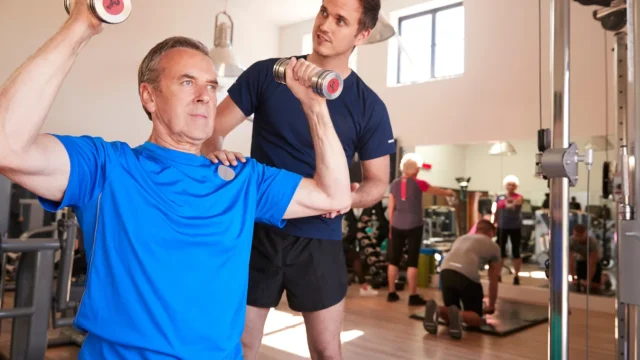
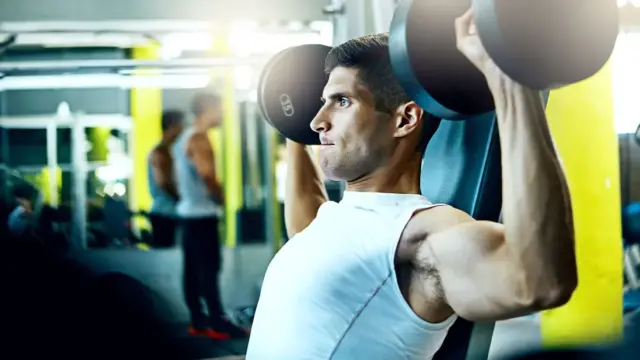
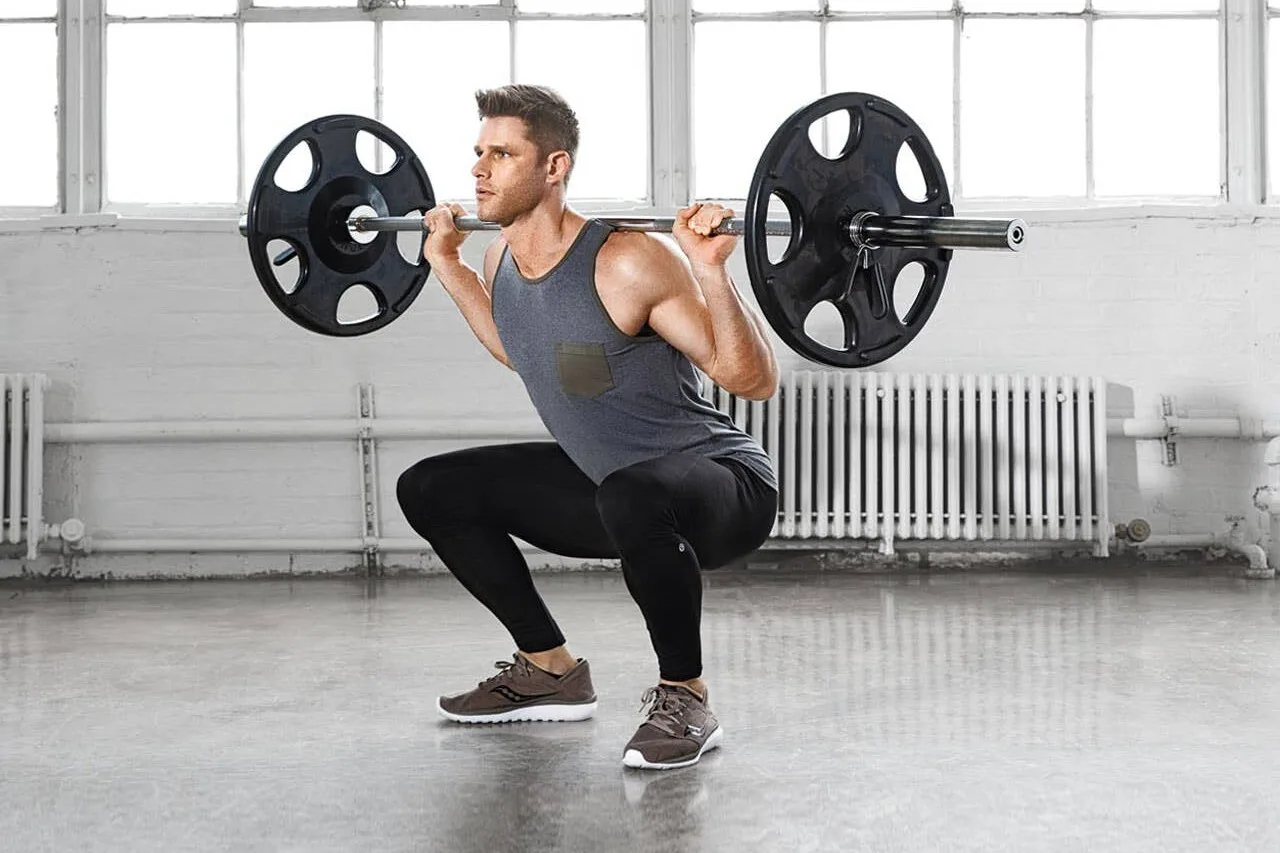
Strength training is paramount for building and preserving muscle mass while losing fat. When you’re in a caloric deficit to lose fat, your body can sometimes break down muscle for energy. Heavy, compound lifts (squats, deadlifts, bench presses, overhead presses, rows) are particularly effective because they engage multiple muscle groups, stimulate a greater hormonal response, and burn more calories both during and after the workout. Focus on progressive overload, meaning you continually challenge your muscles by increasing weight, reps, or sets over time. This signals to your body that muscle retention is necessary, even as you shed fat.
Incorporating a variety of rep ranges can also be beneficial. While heavier lifting (4-8 reps) is excellent for strength and muscle density, moderate rep ranges (8-15 reps) can contribute to hypertrophy and muscular endurance. Don’t shy away from isolation exercises either; they can help sculpt specific muscle groups and enhance overall definition once body fat is low enough to reveal the underlying musculature.
2. Precision Cardiovascular Conditioning
Cardio is often misunderstood in the quest to get ripped. It’s not just about running for hours. Strategic cardio helps create a caloric deficit and improves cardiovascular health, but too much or the wrong type can potentially catabolize muscle. High-Intensity Interval Training (HIIT) is highly effective because it burns a significant amount of calories in a shorter period and can boost your metabolism for hours afterward. Short bursts of intense exercise followed by brief recovery periods are ideal. Examples include sprint intervals, cycling, or rowing.
Low-Intensity Steady State (LISS) cardio, such as brisk walking or light jogging, also has its place. It’s less taxing on the body, aids in recovery, and can be performed for longer durations without significantly impacting muscle mass. A balanced approach combining both HIIT and LISS can be optimal, allowing you to maximize fat burning while preserving muscle. How to Use Fitness Trackers to Enhance Performance and Wellbeing (Smart Guide) can offer insights into monitoring your cardio efforts effectively.
3. Meticulous Nutrition and Caloric Management 🥦
This is arguably the most critical component. You simply cannot get ripped without a disciplined approach to your diet. It starts with understanding your Total Daily Energy Expenditure (TDEE) and creating a moderate caloric deficit (typically 300-500 calories below maintenance) to encourage fat loss without excessive muscle breakdown. Tracking your macronutrients (protein, carbohydrates, and fats) becomes essential.
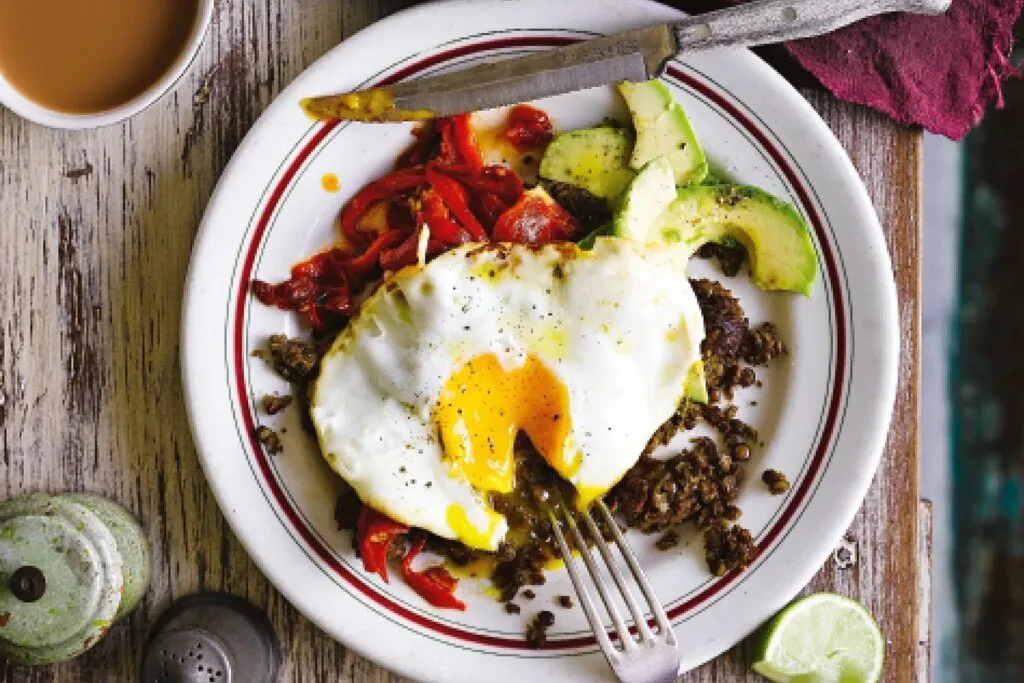
- Protein: Aim for a high protein intake (1.6-2.2 grams per kilogram of body weight). Protein is crucial for muscle repair and growth, helps with satiety, and has a higher thermic effect than carbs or fats, meaning your body burns more calories digesting it. Sources include lean meats, poultry, fish, eggs, dairy, and plant-based proteins.
- Carbohydrates: These are your body’s primary energy source. While you’ll need to moderate carb intake during a cutting phase, don’t eliminate them entirely. Focus on complex carbohydrates like whole grains, fruits, and vegetables, especially around your workouts to fuel performance and aid recovery.
- Fats: Healthy fats are vital for hormone production and overall health. Include sources like avocados, nuts, seeds, and olive oil. Aim for around 20-30% of your total daily calories from healthy fats.
Hydration is also critical. Drinking plenty of water supports metabolic processes, helps with satiety, and ensures proper nutrient transport. Often, thirst is mistaken for hunger, leading to unnecessary caloric intake. Fuel Your Fitness: Unlocking Peak Performance Through Gut Health & Exercise offers further details on how nutrition impacts performance.
Optimizing Your Training for Maximal Definition 🧠
Beyond the basics, specific training adjustments can help you achieve that highly defined, ripped look. This involves manipulating workout variables to challenge your muscles in new ways and maximize fat loss.
Training Frequency and Volume
Increasing your training frequency, hitting each muscle group 2-3 times per week, can stimulate more muscle protein synthesis over time, which is beneficial for muscle retention during a deficit. However, balance this with adequate recovery. Overtraining can lead to increased cortisol levels, which can hinder fat loss and muscle gain.
Volume should be managed carefully. While a higher volume might burn more calories, excessive volume with insufficient recovery can lead to diminishing returns. Focus on quality sets and reps, ensuring proper form over simply accumulating volume.
Incorporating Metabolic Conditioning
Metabolic conditioning, or “metcon,” combines elements of strength and cardio in a circuit-style format. Think kettlebell complexes, battle ropes, or bodyweight circuits performed with minimal rest. These workouts are incredibly effective for burning calories, improving cardiovascular fitness, and maintaining muscle mass. They create a significant “afterburn effect,” where your body continues to burn calories at an elevated rate long after the workout is over.
“Research suggests that high-intensity metabolic conditioning can elevate post-exercise oxygen consumption (EPOC) for up to 38 hours, significantly contributing to overall caloric expenditure.”
This type of training can be incredibly challenging but yields impressive results in terms of body composition. It’s an excellent tool to include in your routine when you’re aiming to get ripped.
The Crucial Role of Recovery and Mindset ❤️
Often overlooked, recovery is as vital as training and nutrition. Your muscles don’t grow in the gym; they grow and repair during rest. Adequate sleep is non-negotiable. Aim for 7-9 hours of quality sleep per night. During sleep, your body releases growth hormone and repairs muscle tissue, both essential for a ripped physique. Lack of sleep can also disrupt hunger-regulating hormones, making adherence to your diet much harder.
Stress management is another key component. Chronic stress elevates cortisol, a hormone that can promote fat storage, especially around the midsection, and can lead to muscle breakdown. Incorporate stress-reducing activities like meditation, yoga, or spending time in nature. Remember, getting ripped is a marathon, not a sprint. Patience, persistence, and a positive mindset are your greatest allies. There will be plateaus and challenges, but a resilient mindset will help you navigate them. Why Consistent Exercise Is So Hard and How to Fix It can provide further strategies for maintaining motivation and consistency.
Practical Tips to Get Ripped Efficiently ✨
Implementing these practical tips can significantly accelerate your progress towards achieving a ripped physique. Consistency and attention to detail are paramount.
- Meal Prep Like a Pro: Dedicate time each week to prepare your meals and snacks. This ensures you always have healthy, portion-controlled options readily available, preventing impulsive, unhealthy food choices.
- Track Everything (Initially): For at least a few weeks, meticulously track your food intake (calories, macros) and your workouts (weights, reps, sets). This provides invaluable data to understand what’s working and where adjustments are needed.
- Prioritize Protein at Every Meal: Distribute your protein intake evenly throughout the day to maximize muscle protein synthesis. Aim for 30-40 grams of protein per main meal.
- Stay Hydrated: Carry a water bottle with you and sip throughout the day. Aim for at least 3-4 liters of water daily, especially if you’re exercising intensely.
- Incorporate Active Recovery: On rest days, engage in light activities like walking, stretching, or foam rolling. This improves blood flow, aids in recovery, and can slightly increase caloric expenditure without being too taxing.
- Listen to Your Body: Pay attention to signs of overtraining, fatigue, or hunger. Adjust your training or nutrition as needed. It’s better to take an extra rest day than to push through and risk injury or burnout.
- Progressive Overload in Strength Training: Continuously strive to lift slightly more weight, perform more reps, or increase the intensity of your strength workouts. This constant challenge is key to muscle growth and preservation.
- Cycle Your Carbs (Optional): Some individuals find success with carb cycling, where carbohydrate intake varies on training vs. rest days. This can help with fat loss while maintaining energy for workouts. Consult a professional before trying advanced strategies.
Key Takeaways for Your Ripped Journey 🌞
Embarking on the journey to get ripped is a commitment that yields significant rewards in terms of physical appearance and athletic performance. Remember these core principles:
- Holistic Approach: It’s not just diet or just exercise; it’s a synergistic combination of targeted strength training, precise cardio, meticulous nutrition, adequate rest, and strong mental resilience.
- Caloric Deficit is King: To lose fat, you must consume fewer calories than you burn. A moderate deficit of 300-500 calories is generally recommended for sustainable fat loss.
- Protein is Paramount: High protein intake is crucial for preserving muscle mass during fat loss and promoting satiety.
- Strength Training Preserves Muscle: Heavy, compound lifts signal to your body to retain muscle, even in a caloric deficit.
- Strategic Cardio Matters: Use a combination of HIIT for efficiency and LISS for recovery and sustained fat burning.
- Recovery is Non-Negotiable: Prioritize 7-9 hours of quality sleep and manage stress to optimize hormone levels and muscle repair.
- Consistency and Patience: Results take time and unwavering effort. Celebrate small victories and stay committed to your long-term goals.
- Professional Guidance: Consider consulting a certified personal trainer or registered dietitian for personalized plans, especially if you have specific health conditions or ambitious goals.
Frequently Asked Questions 💧
How long does it typically take to get ripped?
The time it takes to get ripped varies significantly based on your starting body fat percentage, consistency, genetics, and the intensity of your program. For someone starting with a moderate body fat percentage (e.g., 15-20% for men, 20-25% for women), it could take anywhere from 3 to 6 months or even longer of consistent effort to achieve a truly ripped physique (under 10% for men, under 15% for women). It’s a gradual process that requires patience.
Is it possible to build muscle and get ripped at the same time?
While challenging, it is possible for some individuals, particularly beginners, those returning to training after a break, or individuals with a higher body fat percentage. This process is often referred to as “body recomposition.” However, for experienced lifters, simultaneously building significant muscle and losing a large amount of fat is difficult due to the opposing caloric demands. Often, a cyclical approach of bulking (muscle gain) and cutting (fat loss to get ripped) is more effective.
What are the biggest mistakes people make when trying to get ripped?
Common mistakes include drastically cutting calories too low, leading to muscle loss and metabolic slowdown; overdoing cardio at the expense of strength training; not consuming enough protein; neglecting sleep and recovery; and having unrealistic expectations. Another major pitfall is inconsistency – sporadic adherence to diet and exercise will not yield the desired results. Why Your Home Workouts Are Falling Short and How to Fix It addresses common training errors.
Do I need supplements to get ripped?
While a well-structured diet and consistent training are the primary drivers for getting ripped, certain supplements can support your efforts. Protein powder (whey, casein, plant-based) can help meet protein targets. Creatine can enhance strength and muscle mass. Caffeine can boost energy and aid fat burning. However, these are supplementary and cannot compensate for a poor diet or inconsistent training. Always prioritize whole foods and consult a healthcare professional before starting any new supplement regimen.
The Bottom Line ✨
Achieving a truly ripped physique is a testament to discipline, scientific application, and unwavering commitment. It’s a journey that extends beyond mere aesthetics, embodying a state of peak physical conditioning and mental fortitude. By diligently applying the principles of strategic strength training, precise cardiovascular conditioning, meticulous nutrition, and prioritizing recovery, you can sculpt your body and unlock your full athletic potential. Remember, this is a personalized journey, and listening to your body while seeking professional guidance when needed will ensure your path to getting ripped is both effective and sustainable. Always consult with a healthcare professional or certified fitness expert before making significant changes to your diet or exercise regimen to ensure it’s appropriate for your individual health needs and goals.
Sources:
- Enhanced Protein Intake on Maintaining Muscle Mass During Weight Loss — PubMed
- High Protein Diet and Resistance Exercise for Fat Free Mass Preservation — PMC / NIH
How Healthy Are Your Habits?
10 quick questions · Get your personal wellness score