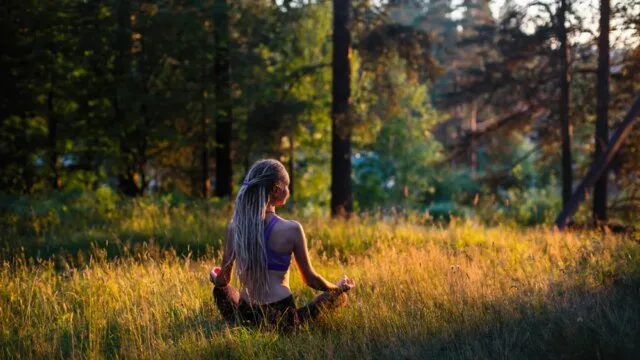
Living with anxiety can feel like being caught in a constant loop of worry, a state far more persistent and pervasive than fleeting moments of stress. When these feelings escalate into an anxiety disorder, they can significantly impact daily life, influencing everything from sleep patterns to social interactions and overall mental energy. Fortunately, a growing body of research points to mindfulness meditation as a powerful tool for managing anxiety disorders, offering a path toward greater calm and emotional regulation. This guide explores how mindfulness meditation can help ease anxiety disorders, backed by scientific evidence, and provides actionable strategies to integrate this practice into your life.
Understanding Anxiety Disorders and the Mind-Body Connection 🧠
Anxiety disorders are not simply about feeling nervous; they are complex mental health conditions characterized by excessive, persistent, and often unrealistic worry and fear. Unlike the normal anxieties of everyday life, anxiety disorders are chronic and can significantly impair an individual’s functioning. Common types include Generalized Anxiety Disorder (GAD), Panic Disorder, Social Anxiety Disorder, and specific phobias, each with its unique set of symptoms but all rooted in a heightened state of alert.
The experience of anxiety is deeply intertwined with our physical being. When we feel anxious, our bodies respond with a cascade of physiological changes: increased heart rate, shallow breathing, muscle tension, and a rush of stress hormones like cortisol. This fight-or-flight response, while essential for survival in dangerous situations, becomes dysregulated in anxiety disorders, leading to a constant state of physiological arousal. This perpetual state of alert can be incredibly draining and makes it difficult to think clearly or feel at ease.
Mindfulness meditation offers a way to interrupt this cycle. By bringing conscious awareness to the present moment, we can begin to observe these physical and mental sensations without judgment. This practice helps to create a space between the trigger and our reaction, allowing us to choose a more measured response rather than being swept away by the anxiety. It’s about changing our relationship with anxiety, rather than trying to eliminate it entirely. This shift is crucial for long-term management and improved well-being.
What is Mindfulness Meditation and How Does It Work? 🌿
At its core, mindfulness meditation is the practice of paying deliberate attention to the present moment, without judgment. It involves noticing the sensations in your body, the rhythm of your breath, and the ebb and flow of your thoughts and emotions as they arise and pass. The goal is not to empty your mind or achieve a state of perfect calm, but rather to cultivate a non-reactive awareness of your internal and external experiences.
For individuals with anxiety disorders, this practice is particularly beneficial. Instead of getting caught in the swirl of anxious thoughts, mindfulness teaches us to observe them as transient mental events. An anxious thought, rather than being a command to panic, becomes something to simply notice, acknowledge, and allow to pass. This subtle but profound shift in perspective can significantly reduce the power that anxious thoughts hold over us.
Mindfulness helps by strengthening our capacity for emotional regulation. Research suggests that mindfulness-based programs can lower overall anxiety levels, reduce rumination (the tendency to dwell on negative thoughts), and enhance our ability to manage difficult emotions. This is often achieved by cultivating a greater sense of self-awareness and self-compassion, allowing us to approach our struggles with kindness rather than harsh self-criticism.
In practical terms, mindfulness meditation can take many forms:
- Focused Attention Meditation: Concentrating on a single point, like your breath, to anchor your awareness.
- Body Scan Meditation: Systematically bringing attention to different parts of your body, noticing sensations without judgment.
- Walking Meditation: Paying attention to the physical sensations of walking, such as the feeling of your feet on the ground.
- Mindful Observation: Gently noticing sounds, smells, or visual details in your environment.
The effectiveness of mindfulness meditation, particularly for anxiety, is often amplified when practiced consistently and integrated into a broader, holistic approach to care. This could involve combining it with therapy, lifestyle adjustments, and, if necessary, medication, all under the guidance of a healthcare professional.
The Science Behind Mindfulness for Anxiety Disorders 💪
The efficacy of mindfulness meditation in addressing anxiety disorders is not just anecdotal; it’s increasingly supported by robust scientific research. Much of this research has focused on structured programs like Mindfulness-Based Stress Reduction (MBSR) and Mindfulness-Based Cognitive Therapy (MBCT), which typically span eight weeks and involve regular meditation practice, group discussions, and homework assignments.
Studies have consistently shown that participants in these programs, including those diagnosed with Generalized Anxiety Disorder (GAD), panic disorder, and social anxiety disorder, often report significant reductions in symptom severity. For instance, a meta-analysis of multiple studies indicated that mindfulness-based interventions can lead to moderate to large reductions in anxiety symptoms. Importantly, these benefits are often sustained over time, suggesting that mindfulness fosters lasting changes in how individuals cope with stress and anxiety.
One of the key mechanisms through which mindfulness works is by altering brain activity. Neuroimaging studies have revealed that regular mindfulness practice can lead to structural and functional changes in brain regions associated with emotion regulation, attention, and self-awareness. For example, the amygdala, often referred to as the brain’s fear center, tends to show reduced activity, while areas of the prefrontal cortex, responsible for executive functions and emotional control, become more active and interconnected. This indicates a shift from a reactive, fear-driven response to a more considered, regulated one.
Research published in JAMA Internal Medicine found that mindfulness meditation programs can significantly improve anxiety, depression, and pain in various clinical populations, with effects comparable to those of established therapies.
Furthermore, mindfulness helps to reduce rumination and worry, which are hallmarks of anxiety disorders. By training the mind to observe thoughts without getting entangled in them, individuals learn to disengage from negative thought spirals. This cognitive defusion is a powerful tool for breaking free from the grip of anxious thinking. For those grappling with severe or persistent anxiety, exploring resources like Why Mental Health Conditions Are Hard to Diagnose and How Science is Changing It can provide additional context on the complexities and evolving understanding of these conditions.
Tailoring Mindfulness to Specific Anxiety Disorders 🧠
While the core principles of mindfulness remain consistent, its application can be subtly tailored to address the unique challenges presented by different anxiety disorders. Understanding these nuances can enhance the effectiveness of the practice.
Generalized Anxiety Disorder (GAD)
Individuals with GAD experience persistent, excessive worry about everyday things, often struggling to control their anxious thoughts. For GAD, mindfulness helps by fostering a non-judgmental awareness of these worries. Instead of trying to suppress or analyze every anxious thought, the practice encourages observing them as mental events, allowing them to pass without getting caught in their narrative. Techniques like breath awareness can be particularly useful in anchoring the mind in the present, interrupting the cycle of rumination.
Panic Disorder
Panic disorder is characterized by sudden, intense episodes of fear that trigger severe physical reactions even when there is no real danger. During a panic attack, the body’s fight-or-flight response goes into overdrive. Mindfulness for panic disorder focuses on cultivating interoceptive awareness – the ability to notice and tolerate bodily sensations without immediately interpreting them as dangerous. Practices like the body scan can help individuals become more familiar with their physical sensations, allowing them to ride the wave of a panic attack rather than fighting it, which often exacerbates symptoms. It’s about recognizing that intense sensations, while uncomfortable, are often temporary and not life-threatening.
Social Anxiety Disorder
Social anxiety involves intense fear of being judged, scrutinized, or humiliated in social situations. This often leads to avoidance and significant distress. Mindfulness can help by shifting attention away from internal self-criticism and external perceived threats, towards the present moment experience. Practicing mindful awareness in social situations – noticing sounds, sights, and even the physical sensations of interaction – can reduce self-consciousness. It helps to ground individuals in reality rather than getting lost in anxious predictions or self-critical thoughts about how they are perceived. For further insights on managing overwhelming feelings, consider reading Why You Feel Overwhelmed and How to Find Inner Calm.
Specific Phobias
Specific phobias involve an intense, irrational fear of a particular object or situation (e.g., heights, spiders, flying). While exposure therapy is the primary treatment, mindfulness can complement it by reducing anticipatory anxiety and managing the fear response during exposure. Mindfulness can teach individuals to observe their fear response – the racing heart, the shallow breath – without letting it overwhelm them. This non-reactive observation can help desensitize them to the feared stimulus, making the exposure process more tolerable and effective.
In all cases, consistency is key. Regular practice builds the mental muscle needed to apply mindfulness when anxiety strikes. It’s not about instant cures, but about cultivating a new way of relating to difficult experiences over time.
Integrating Mindfulness into Your Daily Routine 🌞
Mindfulness meditation isn’t just about sitting on a cushion; it’s a way of being that can be woven into the fabric of your everyday life. Integrating these practices consistently is crucial for building resilience against anxiety. Here are some strategies:
- Start Small and Be Consistent: Begin with just 5-10 minutes of formal meditation each day. Even short, consistent sessions are more effective than sporadic long ones. Use guided meditations (available on many apps) to help you get started.
- Mindful Moments Throughout the Day: Choose routine activities – like drinking your morning coffee, washing dishes, or walking – and bring your full attention to them. Notice the sensations, smells, sounds, and sights without judgment. This transforms ordinary tasks into opportunities for mindfulness.
- Anchor with the Breath: Whenever you feel a surge of anxiety or stress, gently bring your attention to your breath. Notice the inhale, the exhale, and the sensations in your body. This simple act can help ground you in the present moment.
- Practice Mindful Listening: During conversations, fully focus on what the other person is saying, rather than planning your response or letting your mind wander. This improves communication and reduces internal chatter.
- Mindful Eating: Pay attention to the colors, textures, aromas, and tastes of your food. Chew slowly and savor each bite. This not only enhances enjoyment but also fosters a deeper connection with your body’s signals of hunger and fullness.
- Body Scan Before Sleep: Before going to bed, lie down and systematically bring awareness to each part of your body, from your toes to the top of your head. Notice any tension and gently release it. This can significantly improve sleep quality, which is often disrupted by anxiety.
- Mindful Movement: Incorporate mindfulness into physical activities like yoga, walking, or stretching. Focus on the sensations of your body moving, the rhythm of your breath, and the connection between mind and body.
- Journal Your Experiences: After a meditation session or a mindful moment, take a few minutes to jot down what you observed – thoughts, feelings, bodily sensations. This can help you track your progress and deepen your understanding of your inner landscape.
Remember, the goal is not perfection, but persistent practice. Some days will feel easier than others, and that’s perfectly normal. The journey of mindfulness is about continuous learning and gentle return to the present moment, again and again. For more insights on managing worry, explore How to Worry Less and Sleep Again (Mindful Guide).
Practical Tips for Sustained Practice ✨
Cultivating a consistent mindfulness practice takes time and patience. Here are some practical tips to help you integrate mindfulness into your life effectively and sustainably, especially when dealing with anxiety:
- Set Realistic Expectations: Mindfulness isn’t a magic cure. It’s a practice that builds resilience over time. Don’t expect immediate eradication of anxiety; instead, focus on developing a different relationship with it.
- Find a Quiet Space: While you can practice anywhere, starting in a quiet, undisturbed environment can help minimize distractions and foster deeper concentration.
- Use Guided Meditations: Especially when starting, guided meditations can be incredibly helpful. Apps and online resources offer a wide variety of sessions tailored to different needs, including anxiety.
- Be Kind to Yourself: Your mind will wander. This is normal. When you notice your mind has strayed, gently bring your attention back to your anchor (e.g., breath) without judgment or self-criticism. This act of returning is the core of the practice.
- Incorporate Micro-Practices: You don’t always need a dedicated session. Take 30 seconds to mindfully sip your tea, feel your feet on the ground, or simply notice three sounds around you. These small moments add up.
- Connect with a Community: Joining a mindfulness group or finding a meditation buddy can provide support, accountability, and a sense of shared experience, which can be particularly beneficial for mental health.
- Consult a Professional: While mindfulness is a powerful tool, it’s not a substitute for professional mental healthcare. If you’re struggling with severe anxiety, always consult with a therapist, psychiatrist, or other healthcare provider. They can help you integrate mindfulness into a comprehensive treatment plan.
- Explore Different Techniques: Not all mindfulness practices resonate with everyone. Experiment with various techniques – breath focus, body scans, loving-kindness meditation, mindful walking – to find what works best for you.
Remember, the journey with mindfulness is deeply personal. It’s about cultivating a gentle, curious awareness that can profoundly shift your experience of anxiety, moving you from reactivity to thoughtful response.
Key Takeaways ❤️
- Mindfulness Meditation is an Evidence-Based Tool: Research, particularly on structured programs like MBSR, confirms its effectiveness in reducing overall anxiety levels, rumination, and improving emotional regulation.
- It’s About Changing Your Relationship with Anxiety: The goal isn’t to eliminate anxious thoughts but to observe them without judgment, allowing them to pass rather than getting caught in their cycle.
- Benefits are Sustained with Consistency: Regular, even short, daily practice is more impactful than sporadic long sessions for building lasting resilience.
- Tailorable to Specific Disorders: Mindfulness techniques can be adapted to address the unique challenges of GAD, panic disorder, social anxiety, and specific phobias.
- Integrate into Daily Life: Mindfulness can be practiced beyond formal meditation sessions, woven into routine activities to foster continuous present-moment awareness.
- Complements Professional Care: While powerful, mindfulness should be used as part of a comprehensive mental health strategy, often alongside therapy and professional guidance.
- Embrace Self-Compassion: The practice involves being kind to yourself when your mind wanders and gently redirecting attention, rather than striving for perfection.
Frequently Asked Questions ❓
Does mindfulness meditation cure anxiety disorders?
Mindfulness meditation is not a cure for anxiety disorders, but it is a highly effective tool for managing symptoms, reducing their intensity, and improving an individual’s coping mechanisms. It can significantly enhance well-being and reduce the impact of anxiety on daily life, especially when used consistently and as part of a broader treatment plan under the guidance of a healthcare professional.
How long does it take to see results from mindfulness for anxiety?
The time it takes to see results varies for each individual. Some people may notice subtle shifts in their anxiety levels within a few weeks of consistent daily practice, while for others, it may take several months. Structured programs like MBSR typically run for eight weeks, with participants often reporting significant improvements by the end of the program. Consistency and patience are key.
Can mindfulness meditation make anxiety worse?
In some rare cases, particularly for individuals with severe trauma or certain mental health conditions, intense focus on internal sensations during meditation can initially trigger discomfort or heightened awareness of distress. This is why it’s always recommended to start with shorter, guided meditations and to consult with a mental health professional, especially if you have a history of trauma or a severe anxiety disorder. A therapist can help integrate mindfulness safely into your treatment plan.
What’s the difference between mindfulness and relaxation techniques?
While mindfulness often leads to relaxation, its primary goal is not just relaxation. Relaxation techniques aim to reduce tension and stress, often through specific breathing exercises or muscle relaxation. Mindfulness, on the other hand, focuses on cultivating non-judgmental awareness of the present moment, including uncomfortable thoughts or sensations. It’s about changing your relationship with your internal experience, which often, but not always, results in a state of relaxation.
The Bottom Line 🌿
Living with an anxiety disorder can be a profound challenge, but the journey toward greater peace and resilience is well within reach. Mindfulness meditation offers a scientifically supported and deeply empowering path to navigate the complexities of anxious thoughts and feelings. By cultivating present-moment awareness and a non-judgmental stance, we can begin to disentangle ourselves from the grip of anxiety, fostering emotional regulation and a more compassionate relationship with our inner landscape.
Remember, this is a practice, a continuous process of learning and returning to the present. It’s not about achieving perfection, but about cultivating a consistent, gentle awareness that, over time, can profoundly transform your experience of life. When combined with professional guidance and other therapeutic approaches, mindfulness meditation can be a cornerstone in building a life characterized by greater calm, clarity, and well-being. Always consult with a qualified healthcare professional to ensure mindfulness is integrated safely and effectively into your overall mental health strategy for easing anxiety disorders.
Sources:
- How to use mindfulness meditation to ease anxiety disorders
- Mindfulness-Based Stress Reduction vs Escitalopram for Anxiety – PubMed / NIH
How Healthy Are Your Habits?
10 quick questions · Get your personal wellness score