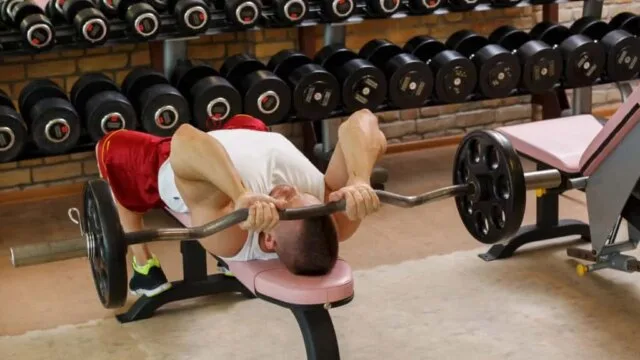
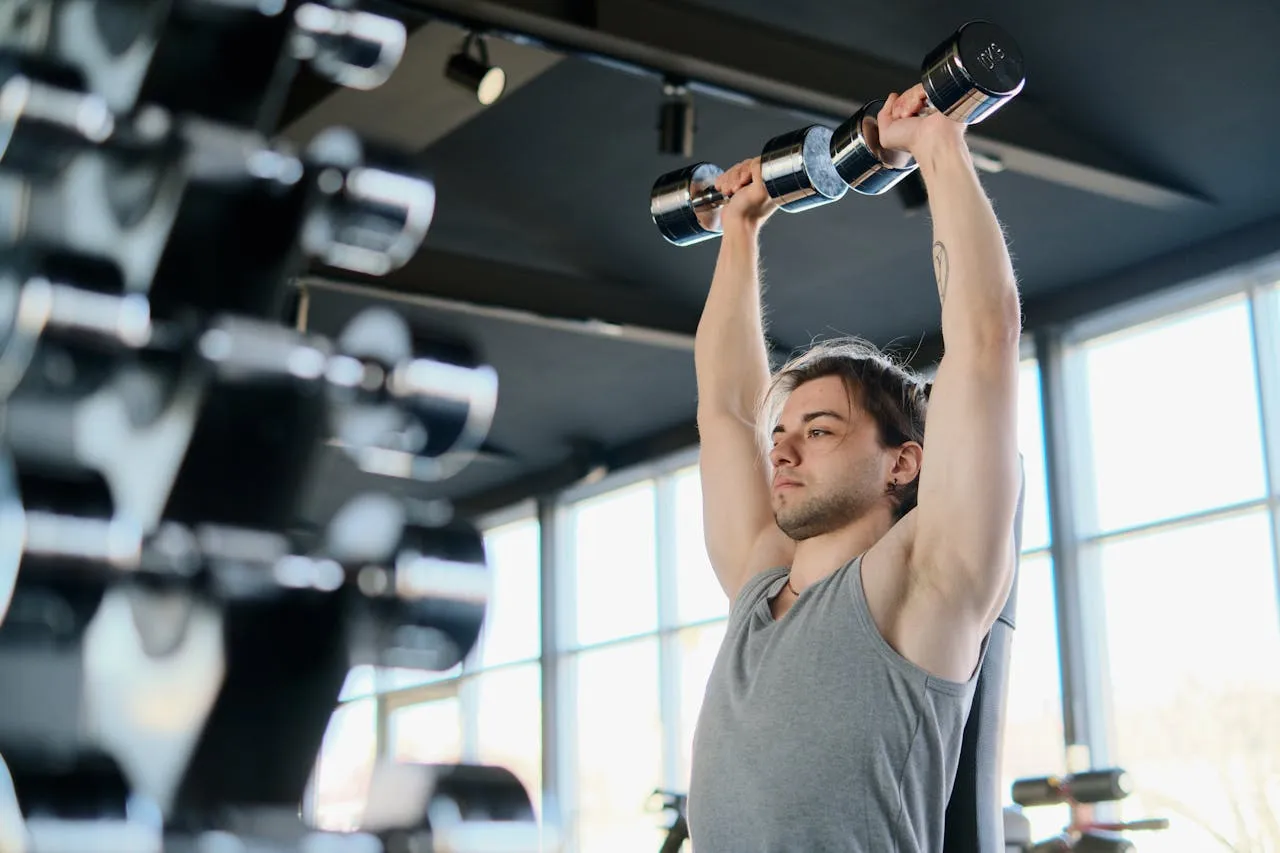
The upright row. For some, it’s a staple exercise for building powerful deltoids and traps; for others, it’s a movement that spells certain doom for shoulder health. This exercise has a notorious reputation, often labeled as a ‘shoulder wrecker.’ The common narrative points to the standard barbell variation, where lifters pull the weight high, often with a narrow grip, leading to excessive elbow elevation and internal shoulder rotation. This specific positioning can indeed increase the risk of subacromial impingement—that painful pinching of tendons and bursa within the shoulder joint. However, the story doesn’t end there. Recent insights and a closer look at the biomechanics suggest that the upright row, when performed correctly, might not be the villain it’s made out to be. Let’s delve into the nuances of this controversial lift and explore how to build bigger delts safely and effectively.
Understanding the Controversy: Why Upright Rows Get a Bad Rap 🧠
The primary reason the upright row has earned its ‘bad boy’ reputation stems from specific execution errors, particularly in the traditional barbell version. When the elbows are pulled too high, exceeding shoulder level, the shoulder complex enters a position that can be problematic. As you raise the weight, your arms abduct (move away from the body), and if your shoulders remain internally rotated, the space within the subacromial joint narrows. This can lead to compression and irritation of the rotator cuff tendons and the subacromial bursa, a condition known as subacromial impingement syndrome.
Matt Wenning, a strength coach, explains the biomechanics: “From a biomechanical standpoint, you’re combining shoulder abduction with internal rotation under load. That position reduces subacromial space and increases compressive stress on the supraspinatus tendon and subacromial bursa.” This is precisely why many fitness professionals advise caution or outright avoidance of the exercise. The classic cue to “pull it high” can inadvertently push individuals into the exact range of motion that causes discomfort and potential injury for many.
However, it’s crucial to understand that this criticism often targets one specific manifestation of the upright row. The negative experiences associated with the barbell version, characterized by excessive height, a too-narrow grip, and a lack of control, are then generalized to all variations of the exercise. This sweeping judgment might be unfair, as research suggests the core issues lie in excessive elevation, internal rotation, and poor execution, rather than the exercise itself being inherently flawed.
The Science Behind Shoulder Safety in Upright Rows 🔬
The scientific perspective on the upright row is far more nuanced than the black-and-white pronouncements often found online. A study by the NSCA (National Strength and Conditioning Association) indicates that the upright row doesn’t necessarily warrant being discarded entirely. The problematic aspects arise when the elbows are pulled excessively high while the shoulders remain internally rotated. This specific combination is where the risk of impingement significantly increases.
Research suggests that the ranges of motion where impingement is most likely to occur often overlap with the ranges many people use when performing the upright row with poor form. This doesn’t mean the exercise is universally dangerous, but it highlights the critical importance of technique. The shoulder joint is a complex structure that requires adequate space for its tendons and bursa to glide smoothly during movement. Internal rotation, especially when combined with abduction (lifting the arm out to the side), can reduce this crucial space.
The classic “pull it high” coaching cue pushes the movement into the exact zone where some shoulders start to complain.
Understanding this biomechanical principle is key. The goal isn’t to abandon the upright row but to modify it. This means adjusting the range of motion, grip width, and ensuring proper shoulder mechanics throughout the lift. For example, allowing the shoulders to externally rotate slightly as the elbows rise can help maintain subacromial space and reduce stress on the rotator cuff. This subtle adjustment can make a world of difference in preventing discomfort and injury, allowing you to reap the benefits of the exercise without the associated risks.
Building Bigger Delts: Effective Alternatives and Modifications 💪
If the traditional upright row feels uncomfortable or if you’re concerned about your shoulder health, there are numerous effective alternatives and modifications that can help you build impressive deltoids and traps without risking injury. The goal is to achieve a similar training stimulus—targeting the medial (side) and anterior (front) deltoids, as well as the upper traps—using exercises that promote better shoulder mechanics.
One highly recommended alternative is the face pull. This exercise is excellent for strengthening the muscles of the upper back and rear deltoids, which are crucial for shoulder health and posture. By pulling the rope attachment towards your face, you engage the external rotators and retract the shoulder blades, promoting a healthier shoulder position. Studies indicate that strengthening the posterior chain of the shoulder can improve overall shoulder function and reduce the risk of impingement during other movements.
Another valuable option is the high pull. Similar in movement pattern to the upright row, the high pull involves pulling the weight (barbell, dumbbell, or kettlebell) up towards your chin or chest, but with a greater emphasis on external rotation and a wider grip. This allows for a more natural range of motion and reduces the internal rotation stress on the shoulder. Cable lateral variations are also fantastic for isolating the deltoids. Using cables allows for constant tension throughout the movement and provides a different angle of resistance compared to free weights.
For those who want to stick with the upright row but need modifications, consider these adjustments:
- Wider Grip: A wider grip on the barbell or dumbbells naturally encourages a more neutral shoulder position and reduces the degree of internal rotation.
- Reduced Range of Motion: Instead of pulling the weight all the way up to your chin or neck, stop when your elbows reach shoulder height or slightly below. This keeps the shoulder in a safer, more comfortable position.
- Dumbbells or Cable Variations: Using dumbbells or cables can allow for a more natural movement path for your wrists and shoulders compared to a barbell.
- Focus on External Rotation: Consciously think about externally rotating your shoulders as you pull the weight up. This helps create more space in the subacromial area.
It’s also worth noting that consistency in training is key for muscle growth. If the upright row is causing pain, finding an alternative that you can perform consistently without discomfort is paramount. You might find that exercises like consistent exercise is easier to maintain when you’re not dealing with pain or injury. Building a strong foundation of supporting muscles, such as the rotator cuff and scapular stabilizers, is also essential for shoulder health. Consider incorporating exercises that focus on scapular upward rotation and retraction to enhance shoulder function.
Practical Tips for Safe and Effective Upright Rows (or Alternatives) 💧
Whether you choose to perform the modified upright row or opt for an alternative, implementing these practical tips will help you maximize your gains while minimizing the risk of shoulder injury. Remember, proper form and controlled movements are always more important than lifting heavy weight.
- Warm-up Thoroughly: Always start with a dynamic warm-up that includes shoulder rotations, arm circles, and light cardio to increase blood flow and prepare your shoulder joints for exercise. Include exercises that promote scapular mobility and activation.
- Master the Grip: For upright rows, experiment with grip widths. A grip slightly wider than shoulder-width is often more shoulder-friendly than a very narrow grip. For alternatives like high pulls, ensure a comfortable grip that allows for wrist and elbow alignment.
- Control the Ascent and Descent: Avoid jerky movements. Lift the weight with control, focusing on engaging your deltoids and traps. Lower the weight slowly and deliberately, resisting gravity. Don’t let the weight drop.
- Mind Your Elbows: If performing upright rows, aim to keep your elbows higher than your wrists, but avoid pulling the weight so high that your shoulders start to internally rotate excessively or you feel pinching. Stop the movement when your elbows reach approximately shoulder height or slightly below.
- Focus on Scapular Movement: Ensure your shoulder blades move correctly. They should retract and depress as you lift, and allow for upward rotation of the scapula as your arms elevate. Avoid shrugging excessively unless the exercise specifically calls for it (like some trap-focused movements).
- Listen to Your Body: Pain is a signal. If you feel any sharp or persistent discomfort in your shoulders, stop the exercise immediately. It’s better to reduce the weight, modify the form, or switch to a different exercise than to push through pain. Persistent pain should always be evaluated by a healthcare professional.
- Incorporate Rotator Cuff and Scapular Work: Regularly include exercises like external rotations, internal rotations (with light weight or bands), face pulls, and band pull-aparts to strengthen the supporting muscles around your shoulder joint. A strong core is also vital for stability during overhead movements, so consider building a stronger core.
- Consider Cable or Machine Alternatives: If free weights cause issues, cable machines offer consistent tension and often allow for a more natural range of motion. Machines can also provide stability, reducing the demand on stabilizing muscles and allowing for focused hypertrophy. For example, cable lateral raises or machine shoulder presses can be excellent alternatives.
Key Takeaways for Shoulder Health and Muscle Growth ✨
Navigating the world of exercises like the upright row requires a balanced approach, prioritizing both muscle development and joint health. Here are the key takeaways:
- The upright row’s controversial reputation largely stems from improper form, specifically excessive elbow height and internal shoulder rotation, which can lead to subacromial impingement.
- Research does not universally condemn the upright row but highlights the importance of technique, suggesting modifications can make it safer.
- Key modifications include using a wider grip, reducing the range of motion (stopping around shoulder height), and focusing on external shoulder rotation.
- Effective alternatives like face pulls, high pulls, and cable lateral raises can provide similar stimulus for deltoid and trap growth with potentially lower risk.
- Always prioritize a thorough warm-up, controlled movements, and listening to your body’s signals to prevent injury.
- Strengthening the rotator cuff and scapular stabilizing muscles is crucial for overall shoulder health and resilience during all exercises.
- If you experience persistent shoulder pain, it’s essential to consult a healthcare professional or a qualified physical therapist for personalized advice and treatment. Don’t push through pain; find solutions.
- Consider the overall context of your training. Are your home workouts effective? Are you recovering properly? Addressing potential home workout mistakes and prioritizing recovery, which includes adequate sleep and nutrition, complements your strength training efforts.
Frequently Asked Questions About Upright Rows 🌟
Are upright rows bad for everyone’s shoulders?
No, upright rows are not inherently bad for everyone’s shoulders. The risk of injury is significantly higher when performed with improper form, particularly pulling the weight too high, using a narrow grip, and allowing the shoulders to internally rotate. Individuals with pre-existing shoulder issues or poor shoulder mobility may find certain variations uncomfortable or risky. It’s crucial to listen to your body and modify or choose alternatives if pain occurs.
What is subacromial impingement?
Subacromial impingement occurs when the space between the acromion (a part of the shoulder blade) and the head of the humerus (upper arm bone) narrows. This compression can pinch the rotator cuff tendons and the subacromial bursa, leading to pain, inflammation, and reduced range of motion. Exercises that involve excessive shoulder elevation and internal rotation, like a poorly executed upright row, can exacerbate this condition.
How can I make the upright row safer?
To make the upright row safer, focus on these key adjustments: use a wider grip (slightly wider than shoulder-width), limit the range of motion so your elbows don’t go significantly above shoulder height, maintain a neutral or slightly externally rotated shoulder position, and perform the movement in a controlled manner. Using dumbbells or cables instead of a barbell can also allow for a more natural path of motion for your joints.
What are the best alternatives to upright rows for shoulder growth?
Excellent alternatives for targeting the deltoids and traps include: cable lateral raises, dumbbell lateral raises (ensure elbows don’t go too high), face pulls (great for rear delts and upper back), machine shoulder presses, Arnold presses, and dumbbell front raises. High pulls with a wider grip and controlled ascent can also be a good substitute. The key is to find exercises that allow you to stimulate the target muscles effectively without compromising shoulder health. If you experience pain during exercise, it’s essential to find alternatives that don’t trigger it, just as you would if side pain occurred while running.
The Bottom Line on Upright Rows and Shoulder Health ❤️
The upright row is a complex exercise with a reputation that often precedes it. While the traditional barbell variation, performed with excessive height and internal rotation, poses a genuine risk of shoulder impingement, the exercise itself isn’t universally ‘bad.’ With proper modifications—such as a wider grip, controlled range of motion, and a focus on shoulder mechanics—the upright row can be a valuable tool for building shoulder and trap muscle. However, if you experience any discomfort, numerous effective alternatives exist that target the same muscle groups safely. Prioritizing proper form, listening to your body, and consulting with fitness professionals or healthcare providers when needed are paramount for achieving your fitness goals without sacrificing your long-term health. Remember, sustainable fitness is built on smart training, not just pushing limits.
Sources:
- Are Upright Rows Bad for Shoulders? How to Build Bigger Delts Without Injury
- Shoulder Injury Prevention and Treatment in Sport – PubMed / NIH
How Healthy Are Your Habits?
10 quick questions · Get your personal wellness score