
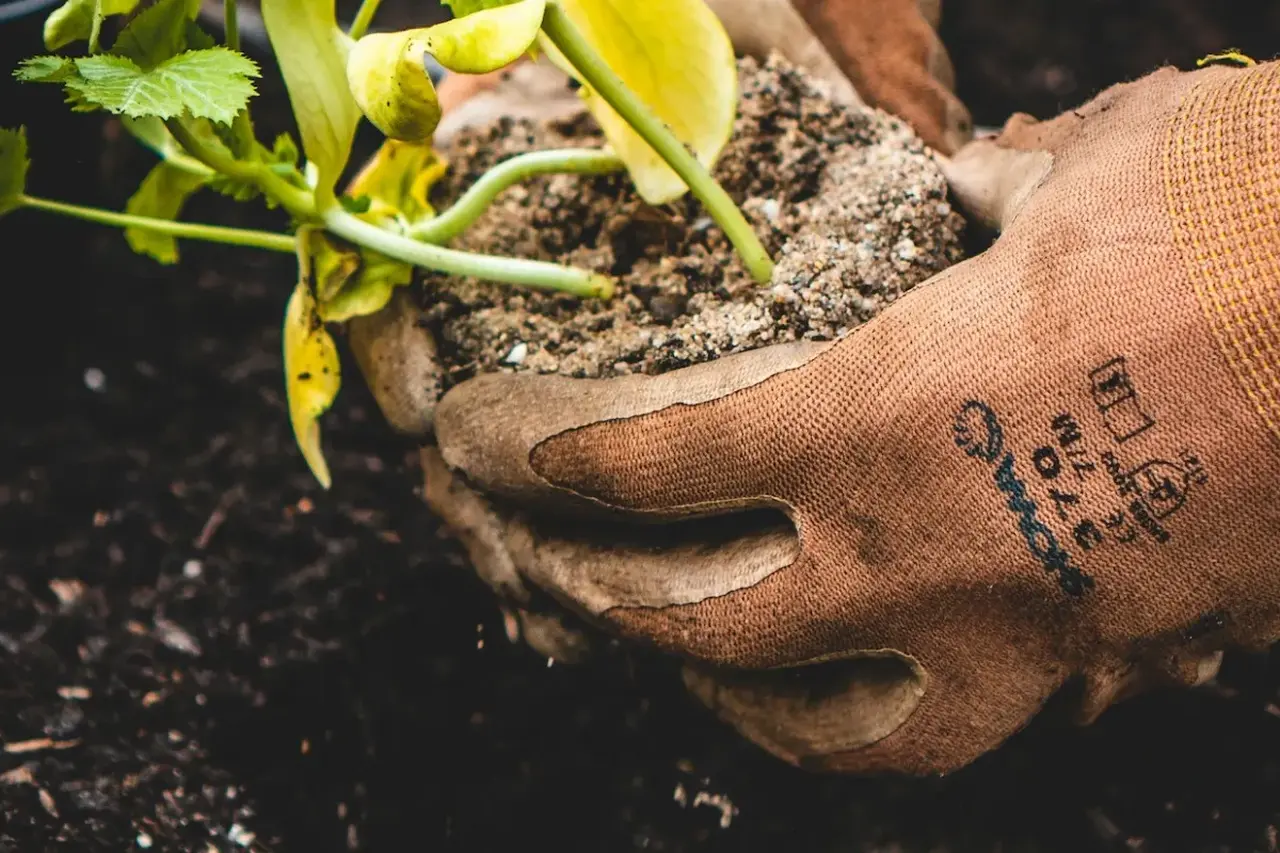
The gentle rustle of leaves, the earthy scent of damp soil, the vibrant hues of blooming flowers – these are more than just sensory delights. For many, the garden is a sanctuary, a place where the mind can quiet and the spirit can find solace. But what if this profound connection to nature, specifically through gardening, could be a powerful tool for mental well-being? This is the essence of horticultural therapy, a practice gaining increasing recognition for its ability to foster mental health and mindfulness. Engaging with the natural world has been shown to profoundly impact our inner landscape.
Understanding Horticultural Therapy: Nurturing Growth in Body and Mind 🌿
Horticultural therapy, often referred to as therapeutic horticulture, is a process that uses plants and garden-based activities to achieve specific therapeutic goals. It’s more than just a hobby; it’s a structured, professional intervention guided by trained horticultural therapists. These professionals work with individuals and groups to improve physical, cognitive, social, emotional, and spiritual functioning through active engagement with plants and the natural environment.
Imagine the dedication required to nurture a seedling into a thriving plant. This process mirrors the care we give ourselves, demanding patience, consistency, and resilience. Much like parenting, gardening often involves more of the ‘joy-fun’ than the ‘fun-fun’ – meaning it’s deeply rewarding and fulfilling, even if it doesn’t always provide immediate gratification. For instance, a fig tree seedling won’t bear fruit overnight, and an asparagus plant takes years to mature before harvest. This teaches us the value of process over immediate outcomes, a crucial lesson for our fast-paced modern lives.
The beauty of horticultural therapy lies in its accessibility and versatility. It can be adapted for people of all ages and abilities, in various settings, from hospitals and rehabilitation centers to community gardens and private homes. The core principle remains the same: connecting with nature in a mindful way to cultivate inner peace and growth.
The Science-Backed Benefits of Green Spaces and Gardening 💪
Beyond anecdotal evidence, a growing body of scientific research supports the positive impact of gardening and exposure to green spaces on human health and well-being. These benefits extend across physical, mental, and emotional domains, making horticultural therapy a holistic approach to care.
- Stress Reduction: Studies consistently show that simply spending time in natural environments can significantly reduce stress hormones like cortisol. The act of gardening itself, with its repetitive and calming tasks, acts as a natural de-stressor.
- Improved Mood and Cognitive Function: Engagement with nature fosters what researchers call “soft fascination.” This is a diffuse attentional state where the brain, freed from immediate task demands, can relax, make new connections, and restore its capacity for focused attention. This explains why a walk in the park can often lead to a breakthrough on a previously unsolvable problem, or simply leave us feeling refreshed and in a better mood.
- Physical Activity: Gardening inherently involves physical movement – digging, planting, weeding, watering. This low-impact exercise contributes to cardiovascular health, muscle strength, and flexibility, often without feeling like a strenuous workout.
- Enhanced Self-Esteem and Purpose: Nurturing a living thing from seed to bloom provides a profound sense of accomplishment and purpose. Seeing the tangible results of one’s care can significantly boost self-esteem and confidence. This is particularly impactful for individuals struggling with feelings of helplessness or lack of control.
- Social Connection: Community gardens and group horticultural therapy sessions offer opportunities for social interaction, fostering a sense of belonging and reducing feelings of isolation. Sharing knowledge, celebrating successes, and commiserating over challenges builds strong bonds.
- Mindfulness and Awe: Gardening encourages a deep appreciation for the natural world and the intricate cycles of life. Moments of awe, whether witnessing a shooting star or discovering a robin’s nest, are powerful experiences that positively impact well-being. Actively seeking out these moments can shift perspective and foster gratitude.
Research suggests that exposure to nature can significantly reduce rumination, a common factor in depression and anxiety, by diverting attention away from self-focused negative thoughts towards external, positive stimuli.
This array of benefits makes horticultural therapy a robust intervention for a wide range of mental health challenges, from anxiety and depression to trauma recovery and addiction rehabilitation. It offers a gentle yet powerful path to healing and growth.
Connecting with Nature: A Pathway to Mental Clarity and Focus 🧠
In our increasingly digital world, our attention is constantly pulled in multiple directions. Notifications, emails, and endless scrolling create a state of chronic distraction, making it difficult to maintain focus and mental clarity. This is where the power of nature, and specifically horticultural therapy, shines. The garden offers a profound antidote to this digital overload.
When we engage in gardening, our attention shifts from the abstract and often overwhelming demands of modern life to the tangible, immediate reality of plants and soil. This shift allows our brains to enter a state of ‘soft fascination,’ as mentioned earlier. Unlike ‘directed attention,’ which requires intense focus and can lead to mental fatigue, soft fascination allows our minds to wander gently, observing patterns and beauty without rigid demands. This restorative process is vital for mental rejuvenation and can significantly improve our capacity for sustained focus in other areas of life.
Moreover, the sensory richness of gardening — the smell of damp earth, the feel of soil between fingers, the sight of vibrant blooms, the sound of buzzing insects — grounds us in the present moment. This inherent mindfulness can reduce the tendency to overthink or dwell on past regrets and future anxieties, common pitfalls for many struggling with mental health. If you find yourself frequently caught in cycles of rumination, exploring mindful engagement with nature, perhaps through horticultural therapy, could be a transformative step. For deeper insights into managing persistent thought patterns, you might find How to Stop Overthinking Everything: A Comprehensive Guide to Calming Your Mind particularly helpful.
This deliberate engagement with the natural world helps us to cultivate a stronger connection to our surroundings and, by extension, to ourselves. It fosters a sense of being present, which is a cornerstone of good mental health.
Horticultural Therapy and Emotional Regulation ❤️
Emotional regulation is the ability to manage and respond to an emotional experience. For many, this is a significant challenge, leading to cycles of reactivity, overwhelm, or emotional numbness. Horticultural therapy offers a unique and gentle approach to developing these crucial skills. The garden provides a safe, non-judgmental space where emotions can be explored and processed naturally.
Consider the cycle of growth and decay in a garden. Plants experience seasons of abundance and scarcity, much like our own emotional lives. Witnessing a plant recover from drought, or a seed push through difficult soil to sprout, can be a powerful metaphor for personal resilience. This allows individuals to externalize their internal struggles, seeing them reflected in the natural world. This process can be incredibly validating and empowering, demonstrating that growth is possible even after hardship.
The act of nurturing a plant also cultivates empathy and compassion, qualities that are often linked to improved emotional intelligence. When we care for a living thing, we learn to observe its needs, respond with patience, and accept its natural rhythms. These skills are transferable to our relationships with ourselves and others. This external focus on care can gently shift internal self-criticism towards self-compassion, a vital component of mental well-being.
Furthermore, the physical act of gardening can be a healthy outlet for pent-up emotions. Digging, weeding, and pruning can be surprisingly cathartic, providing a constructive way to release frustration or tension. The sense of accomplishment derived from these tasks also contributes to positive emotional states, fostering feelings of competence and control.
Practical Tips for Integrating Green Therapy into Your Life ✨
You don’t need a sprawling garden or a certified therapist to start experiencing the benefits of horticultural therapy. Here are some practical ways to bring more green into your daily routine and nurture your mental health:
- Start Small with Houseplants: Even a few houseplants can bring nature indoors. Choose low-maintenance varieties like snake plants, ZZ plants, or Pothos. The simple act of watering and observing their growth can be incredibly calming.
- Create a Mini Herb Garden: A small pot on a windowsill can host herbs like basil, mint, or rosemary. Caring for them, and then using them in your cooking, connects you to the cycle of growth and sustenance.
- Visit Local Parks or Botanical Gardens Regularly: Make it a habit to spend time in green spaces. Even a 20-minute walk can significantly reduce stress levels. Engage your senses: notice the colors, smells, and sounds.
- Volunteer at a Community Garden: This is an excellent way to gain gardening experience, connect with others, and contribute to your community. Many cities have programs looking for volunteers.
- Practice Mindful Gardening: Whether you’re weeding or planting, engage all your senses. Feel the soil, observe the intricate details of leaves, listen to the sounds of nature. Let go of judgment and simply be present with the task.
- Consider a Garden Journal: Document your gardening journey. Note what you planted, when it sprouted, challenges you faced, and moments of beauty. This reflection can deepen your connection to the process and help you track your own growth.
- Grow Something Edible: The satisfaction of harvesting food you’ve grown yourself is immensely rewarding. Tomatoes, lettuce, or beans are relatively easy for beginners.
- Engage Children in Gardening: Sharing the joy of gardening with children can foster a love for nature and teach valuable lessons about patience and responsibility. It’s a wonderful way to bond and create lasting memories.
- Seek Professional Guidance: If you’re dealing with significant mental health challenges, consider seeking out a registered horticultural therapist. They can design tailored programs to meet your specific therapeutic goals.
Dispelling Myths About Horticultural Therapy 🌞
Despite its growing recognition, horticultural therapy is sometimes misunderstood. Let’s clarify some common misconceptions:
Myth 1: Horticultural therapy is just gardening.
Fact: While it involves gardening, horticultural therapy is a structured, goal-oriented process guided by a trained professional. It uses specific activities and interventions to achieve therapeutic outcomes, unlike casual gardening which is primarily recreational. The therapist assesses individual needs and designs a program to address physical, cognitive, social, or emotional goals. It’s a clinical approach that leverages the power of nature for healing.
Myth 2: You need to have a ‘green thumb’ for horticultural therapy to work.
Fact: Absolutely not! You don’t need any prior gardening experience or expertise. The focus is on the process and the therapeutic benefits, not on producing a perfect garden. In fact, learning and growing alongside the plants can be part of the therapeutic journey, fostering resilience and a willingness to try new things. The therapist provides all necessary guidance and support, making it accessible to everyone.
Myth 3: Horticultural therapy is only for physical rehabilitation.
Fact: While horticultural therapy is highly effective for physical rehabilitation (improving motor skills, strength, balance), its benefits extend significantly to mental and emotional health. It’s used to treat anxiety, depression, PTSD, addiction, and cognitive impairments, among other conditions. The mental and emotional restoration it offers is a core component of its practice, often being the primary focus for many clients.
Myth 4: It’s just a relaxing hobby, not a serious therapeutic intervention.
Fact: While relaxing, horticultural therapy is a recognized and evidence-based therapeutic modality. It is often integrated into comprehensive treatment plans alongside psychotherapy, medication, or other interventions. Certified horticultural therapists undergo rigorous training and adhere to professional standards, ensuring that the practice is both meaningful and effective in achieving measurable therapeutic goals. It’s a powerful complementary therapy.
Key Takeaways for Cultivating Well-being 💧
- Horticultural therapy is a professional intervention using plants and gardening activities for therapeutic goals.
- Spending time in nature and gardening measurably reduces stress, improves mood, and enhances cognitive function.
- The ‘soft fascination’ experienced in green spaces allows the brain to restore attention and make new connections.
- Gardening fosters patience, resilience, and a sense of purpose, mirroring life’s natural cycles of growth and change.
- Engaging with plants can be a powerful tool for emotional regulation and developing self-compassion.
- You can integrate green therapy into your life through houseplants, community gardens, or mindful walks in nature.
- Horticultural therapy is a science-backed approach, not just a hobby, and doesn’t require prior gardening experience.
- Always consider consulting a mental health professional or a certified horticultural therapist for tailored guidance.
The Bottom Line: Sowing Seeds for a Healthier Mind 🌞
In a world that constantly pulls us away from ourselves, the garden offers a profound invitation to return. Horticultural therapy, and indeed any mindful engagement with nature, provides a powerful pathway to reconnect with our inner selves, regulate our emotions, and find solace in the simple, yet profound, act of nurturing life. Integrating green spaces and natural activities into daily life is not a luxury, but a vital component of holistic mental health. The benefits of horticultural therapy are far-reaching, offering a gentle, accessible, and deeply rewarding approach to cultivating a healthier, more mindful existence. So, whether you start with a single potted plant or dive into a community garden, remember: you’re not just growing plants; you’re growing yourself.
Sources:
- Gardening is beneficial for health: A meta-analysis
- The restorative benefits of nature: Toward an integrative framework
- The cognitive benefits of interacting with nature
How Healthy Are Your Habits?
10 quick questions · Get your personal wellness score