
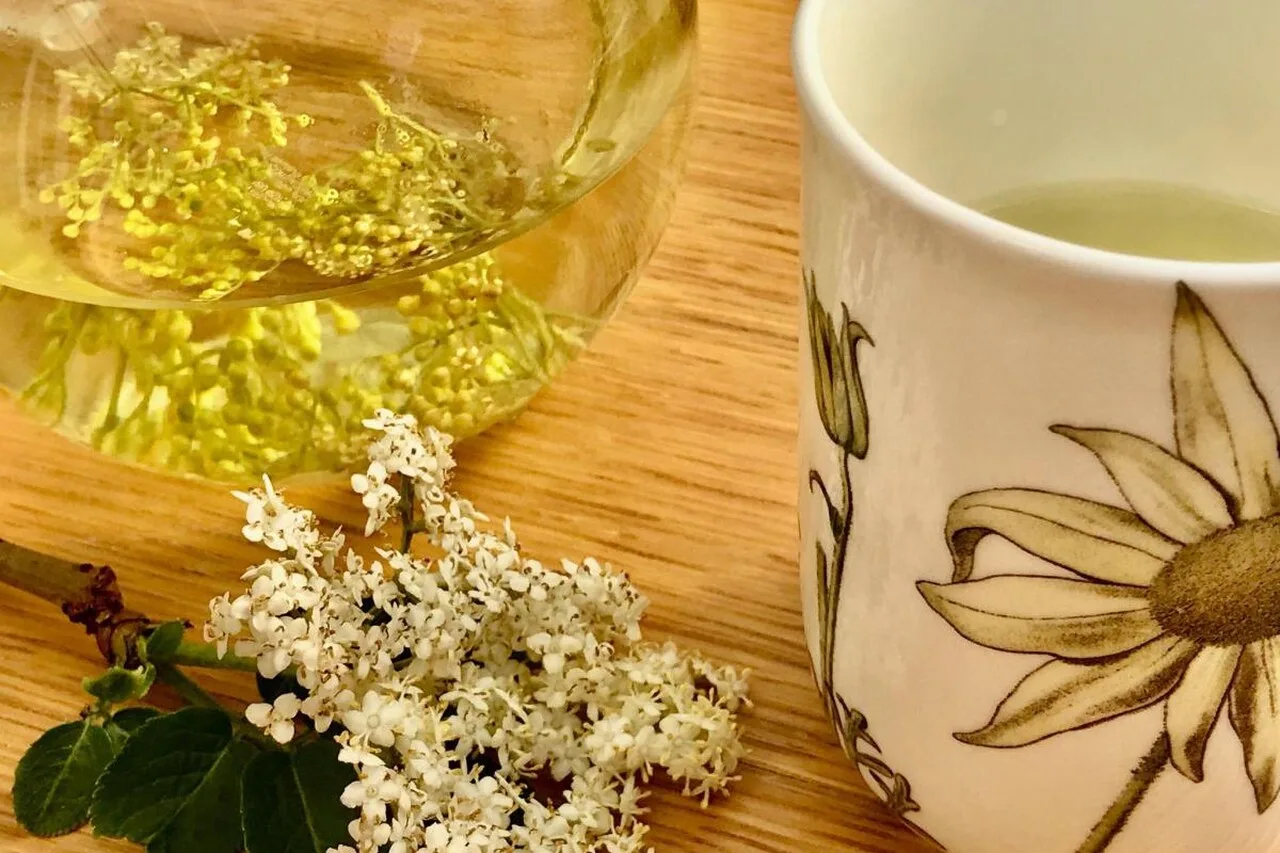
In our fast-paced world, many of us seek gentle, effective ways to manage everyday discomforts, from stress and anxiety to seasonal allergies. The good news is that nature offers a treasure trove of botanicals with remarkable therapeutic properties. This comprehensive guide will explore the power of natural remedies for anxiety and allergies, focusing on two stars of the herbal world: limeflower and elderflower. These traditional herbs, often enjoyed in teas and delightful culinary creations, hold significant potential for supporting our well-being.
Understanding the Soothing Power of Limeflower (Tilia europaea) 🌿
Certain plants have been valued for generations for the profound relief they offer. Limeflower, also known as linden, is a prime example. This delicate blossom has been cherished across cultures for centuries, particularly in France and Croatia, where it’s a staple for winding down after a meal or preparing for a restful night’s sleep. Its reputation as a gentle sedative makes it a go-to for many seeking tranquility.
Research suggests limeflower acts as a supportive anxiolytic and nervine. This means it helps to calm the nervous system, reducing feelings of anxiety and promoting relaxation without heavy sedation. It’s often given to children to ease restlessness, anxiety, and sleep disturbances, highlighting its mild yet effective nature. The distinctively sweet and floral flavor of limeflower also contributes to its comforting appeal, making it a pleasant addition to evening routines or moments of quiet reflection. Its ability to support a dysregulated nervous system is truly invaluable in our modern, often overstimulated lives.
Elderflower (Sambucus nigra): Nature’s Ally Against Allergies 💪
Another botanical marvel, elderflower, is celebrated not just for its delightful taste but also for its impressive medicinal virtues. Elderflower is widely recognized for its respiratory support benefits. It’s particularly renowned for its ability to reduce catarrh and congestion, making it a popular choice during allergy season.
Elderflower is indicated in the treatment of allergies, such as hayfever, because it helps to reduce the histamine response. This natural antihistamine action can alleviate common allergy symptoms like sneezing, runny nose, and itchy eyes, offering a gentler alternative to conventional medications for some individuals. Beyond its anti-allergenic properties, elderflower is also appreciated for its anti-inflammatory effects, further contributing to overall respiratory wellness. Its light, floral, and pleasant taste makes it a key feature in summer drinks, puddings, and confectionery, making relief a delicious experience.
Combining Forces: Synergistic Benefits of Limeflower and Elderflower 🧠
While each flower possesses unique strengths, their combined use can offer a powerful synergistic effect. Imagine a natural remedy that not only calms your mind but also eases your seasonal sniffles. This is precisely the potential of pairing limeflower and elderflower.
When used together, their complementary actions create a holistic approach to wellness. The calming properties of limeflower can help mitigate the stress and discomfort often associated with allergy symptoms, while elderflower tackles the physical manifestations of the allergic response. This dual approach addresses both the mental and physical aspects of well-being, providing comprehensive support. The sweet, floral notes of both botanicals also blend harmoniously, making them ideal for creating soothing teas or infused treats.
Studies indicate that the compounds found in both limeflower and elderflower possess properties that can interact positively with the human body’s stress and immune responses, offering a natural pathway to enhanced well-being.
It’s this kind of thoughtful combination that truly embodies the wisdom of traditional herbalism, offering nuanced solutions for complex health needs.
Beyond Teas: Culinary Applications for Wellness 🥦
While often enjoyed as infusions, these incredible flowers aren’t limited to your teacup. Incorporating them into your diet through culinary creations is a delightful way to reap their benefits. Making healthy living both accessible and enjoyable starts with simple, creative choices. Think about infusing honey with elderflower or adding dried limeflowers to baked goods.
A classic French treat, madeleines, offers a perfect canvas for these floral flavors. The delicate sponge cake, often shell-shaped, traditionally pairs with tea or a tisane. Infusing butter with limeflowers and combining it with elderflower-infused honey creates a botanically rich dessert that is both comforting and therapeutic. This approach not only provides a delicious experience but also integrates the medicinal properties of the herbs into your daily life in a subtle, enjoyable way. For more ways to incorporate natural remedies into your diet, consider exploring African Medicinal Herbs: Benefits, Uses & Safety Guide for diverse culinary applications.
Practical Tips for Incorporating Natural Remedies for Anxiety and Allergies ✨
Integrating natural remedies into your routine doesn’t have to be complicated. Here are some actionable strategies to help you harness the power of limeflower and elderflower for managing anxiety and allergies:
- Brew a Calming Limeflower Tea: Steep 1-2 teaspoons of dried limeflowers in hot water for 5-10 minutes. Enjoy in the late afternoon or evening to promote relaxation and aid sleep. You can add a touch of honey for sweetness.
- Create Elderflower Cordial: This classic summer drink is refreshing and beneficial. Infuse fresh elderflowers in a sugar and water syrup, then strain. Dilute with sparkling water for an anti-allergenic beverage.
- Infuse Honey with Herbs: Gently warm honey and add dried limeflowers or elderflowers. Let it infuse for several days, then strain. This infused honey can be added to teas, drizzled over yogurt, or used in baking for a flavorful wellness boost.
- Experiment with Herbal Baking: As seen with madeleines, you can incorporate dried flowers into your baking. Infuse butter or milk with limeflower, or use elderflower-infused honey as a sweetener in cakes, muffins, or cookies.
- Consider a Fluid Extract (Tincture): For a more potent and convenient option, consider using a fluid extract of limeflower or elderflower. Tinctures offer concentrated benefits and can be easily added to water or juice. Learn more about making your own with our guide on How to Make a Fluid Extract (Tincture Guide).
- Consult a Healthcare Professional: While natural, these remedies are potent. Always consult with a healthcare provider or a qualified herbalist before starting any new herbal regimen, especially if you have underlying health conditions or are taking other medications.
- Mindful Sourcing: Ensure you source your dried herbs from reputable suppliers to guarantee quality and purity. If foraging, be absolutely certain of your identification.
- Journal Your Experience: Keep a journal of your symptoms and how you feel after incorporating these herbs. This can help you understand their effectiveness for your unique body.
Dietary Considerations for Allergy and Anxiety Management 💧
While specific herbs like limeflower and elderflower offer targeted support, a holistic approach to managing anxiety and allergies also involves broader dietary considerations.There is a profound connection between gut health, inflammation, and overall well-being. What we eat can significantly impact our body’s inflammatory response and even our mood.
Certain foods can exacerbate inflammation, which in turn can worsen allergy symptoms and contribute to feelings of anxiety. For instance, highly processed foods, excessive sugar, and certain unhealthy fats are known inflammatory culprits. Conversely, a diet rich in whole, unprocessed foods, abundant in fruits, vegetables, and healthy fats, can help mitigate inflammation and support a balanced mood. Understanding What Foods Cause Inflammation and How to Reduce It is a crucial step in this process.
Focusing on an anti-inflammatory diet can create a more resilient internal environment, allowing natural remedies to work more effectively. This means prioritizing:
- Omega-3 Fatty Acids: Found in fatty fish, flaxseeds, and walnuts, these are powerful anti-inflammatory agents.
- Antioxidant-Rich Foods: Berries, leafy greens, and colorful vegetables help combat oxidative stress.
- Probiotic-Rich Foods: Fermented foods like yogurt, kimchi, and sauerkraut support a healthy gut microbiome, which is intrinsically linked to both immune function and mental health.
- Hydration: Adequate water intake is essential for all bodily functions, including detoxification and maintaining healthy mucous membranes, which can be particularly helpful during allergy season.
By pairing targeted herbal support with a nourishing diet, you create a robust foundation for managing both anxiety and allergies naturally.
Frequently Asked Questions 🌞
Can I use fresh limeflower and elderflower?
Absolutely! Both limeflower and elderflower can be used fresh when in season. Fresh elderflowers are excellent for making cordials and syrups, while fresh limeflowers can be used to brew a delightful tea. Just ensure they are free from pesticides and properly identified if foraging.
Are there any side effects from using limeflower or elderflower?
Both herbs are generally considered safe for most people when used appropriately. However, some individuals may experience mild allergic reactions. Limeflower, in very rare cases and with excessive long-term use, has been associated with cardiac issues, though this is not a common concern with typical use. Elderflower, when ingested raw (especially berries or leaves), can cause nausea due to lectins, but the flowers themselves are generally safe. Always start with small doses and consult a healthcare professional, especially if pregnant, breastfeeding, or on medication.
How long does it take for these natural remedies to work?
The effects of natural remedies can vary greatly from person to person. For acute symptoms like anxiety or allergy flare-ups, you might feel some relief relatively quickly after consuming a tea or tincture. For more chronic conditions or to build up the body’s resilience, consistent use over several weeks or months may be necessary to observe significant benefits. Patience and consistency are key with herbal medicine.
Can children use limeflower and elderflower?
Yes, both limeflower and elderflower are often considered safe and gentle enough for children, particularly limeflower for restlessness and elderflower for mild cold or allergy symptoms. However, always consult a pediatrician or a qualified herbalist before administering any herbal remedies to children, and ensure dosages are appropriate for their age and weight.
The Bottom Line ❤️
Embracing natural remedies for anxiety and allergies offers a gentle yet powerful path to enhanced well-being. Limeflower and elderflower, with their distinct yet complementary properties, stand out as exemplary botanicals for supporting both mental calm and respiratory health. Whether enjoyed in a soothing tea, a delightful culinary creation, or a convenient tincture, these herbs invite us to reconnect with nature’s healing wisdom.
Remember, while these natural remedies can be incredibly supportive, they are part of a broader wellness strategy. A balanced diet, adequate hydration, stress management techniques, and regular exercise all contribute to a resilient body and mind. Always approach herbal remedies with mindfulness, ensuring proper sourcing, dosage, and, most importantly, consulting with a healthcare professional to ensure they are appropriate for your individual health needs. By integrating these natural allies thoughtfully, you can cultivate a life of greater balance, comfort, and vitality.
Sources:
- Pharmacological evaluation of the anxiolytic and sedative effects of Tilia americana
- Inhibition of proinflammatory activities of major periodontal pathogens by aqueous extracts from elder flower (Sambucus nigra)
- Advanced research on the antioxidant and health benefit of elderberry (Sambucus nigra) in food
How Healthy Are Your Habits?
10 quick questions · Get your personal wellness score