
In our fast-paced world, it’s easy to get caught up in a cycle of self-criticism, pushing ourselves relentlessly and often overlooking our own needs. However, learning to build self-compassion daily is not a luxury, but a fundamental pillar of mental well-being and resilience. This guide will explore why treating yourself with kindness is as vital as extending it to others, offering actionable strategies to integrate self-compassion into your everyday life. We’ll delve into practical tools and insights, helping you transform abstract concepts into tangible, daily habits for a calmer, more resilient you.
Understanding Self-Compassion: More Than Just Self-Indulgence 🌿
Before we dive into the ‘how,’ let’s clarify the ‘what.’ There’s a common misconception that self-compassion is akin to self-pity or self-indulgence. Research, particularly from pioneers like Dr. Kristin Neff, firmly debunks this myth. Instead, self-compassion means treating yourself with the same warmth, care, and understanding you would offer a dear friend in a moment of struggle (Neff, 2011). It’s about recognizing your shared humanity, acknowledging that suffering, imperfection, and making mistakes are an inevitable part of the human experience.
This isn’t about letting yourself off the hook; it’s about creating a supportive internal environment that fosters growth, learning, and resilience. When we are self-compassionate, we are better equipped to face challenges, learn from setbacks, and navigate life’s inevitable ups and downs with greater emotional stability. It’s a powerful antidote to the harsh inner critic that so many of us carry.
The practice of self-compassion involves three core components:
- Self-kindness vs. Self-judgment: This is about being warm and understanding toward ourselves when we suffer, fail, or feel inadequate, rather than ignoring our pain or flagellating ourselves with self-criticism.
- Common Humanity vs. Isolation: This recognizes that suffering and personal inadequacy are part of the shared human experience. It reminds us that we are not alone in our struggles, rather than feeling isolated by our perceived flaws.
- Mindfulness vs. Over-identification: This involves holding our painful thoughts and feelings in balanced awareness, neither suppressing them nor getting swept away by them. It’s about observing our emotional landscape without judgment.
By consciously cultivating these three elements, we begin to chip away at long-held patterns of self-criticism and open ourselves to a more nurturing and supportive inner dialogue. This shift can have profound impacts on our overall mental health and well-being.
Why Self-Compassion is a Cornerstone of Well-being 💪
The scientific community has increasingly underscored the profound importance of self-compassion. Far from being a soft skill, it’s a critical driver of overall well-being, influencing everything from emotional regulation to personal growth (Ferrari et al., 2019). For those who are naturally hard on themselves, embracing self-compassion can genuinely be a life-altering practice.
Consider the benefits that research consistently highlights:
- Reduced Self-Criticism and Perfectionism: Studies indicate that self-compassion can significantly lessen the frequency of self-critical thought patterns and mitigate the debilitating effects of perfectionism (Benedetto et al., 2024). This means less time spent dwelling on perceived failures and more energy directed towards constructive action.
- Improved Emotional Regulation: During times of stress, self-compassionate individuals tend to exhibit better control over their emotions (Paucsik et al., 2023). This isn’t about suppressing feelings, but about responding to distress with greater calm and resilience, preventing emotional spirals.
- Enhanced Growth from Mistakes: Rather than avoiding mistakes or becoming paralyzed by them, self-compassion allows individuals to view errors as opportunities for learning and growth (Zhang & Chen, 2016). It fosters a mindset where setbacks are stepping stones, not roadblocks.
- Increased Motivation: Counterintuitively, self-compassion doesn’t lead to complacency. Instead, by reducing the fear of failure, it can increase intrinsic motivation and a willingness to try new things, even when the outcome is uncertain.
- Stronger Relationships: When we are kinder to ourselves, we often find it easier to be genuinely kind and empathetic towards others. This positive internal shift can lead to more authentic and fulfilling interpersonal connections.
- Greater Life Satisfaction: Ultimately, consistent practice of self-compassion is strongly linked to higher levels of happiness and overall life satisfaction (Neff, 2023). It cultivates an inner sanctuary of peace and acceptance, regardless of external circumstances.
“Science shows that self-compassion is a critical driver of wellbeing.”
These benefits aren’t just theoretical; they translate into tangible improvements in daily life. Embracing self-compassion helps us navigate the complexities of modern existence with greater grace and strength. It’s a skill that, when nurtured, can transform our relationship with ourselves and the world around us.
Recognizing the Need for More Self-Compassion 🧠
It can be challenging to recognize a deficit in self-compassion, especially if a pattern of self-criticism has been deeply ingrained since childhood. For many, a harsh inner critic feels normal, even productive, mistakenly believed to be a driver of achievement. However, this self-inflicted pressure often leads to burnout, anxiety, and a persistent feeling of inadequacy. Learning how to calm an overactive mind with mindfulness is often a critical first step in noticing these patterns.
Here are some key indicators that suggest you might benefit from cultivating more self-compassion:
- A Persistent Inner Critic: Do you frequently hear harsh internal messages like, “You always mess up,” “You should be better than this,” or “That was stupid”? This relentless negative self-talk is a primary sign.
- Dwelling on Mistakes: Do you find yourself replaying past errors or embarrassing moments long after they’ve occurred, ruminating over what you “should have” done differently? This prolonged self-blame is a strong indicator.
- Difficulty Accepting Kindness: Do you struggle to receive compliments, help, or care from others, often deflecting or minimizing them? This can stem from an internal belief that you’re not worthy of such positive regard.
- Unrealistic Standards for Yourself: Do you set expectations for yourself that you would never impose on a loved one or a friend? This double standard often leads to a perpetual feeling of falling short.
- Fear of Failure: Is the prospect of making mistakes so daunting that it prevents you from trying new things or taking healthy risks? This fear is often fueled by anticipated self-judgment.
- Comparing Yourself Negatively to Others: Do you frequently compare your achievements, appearance, or life circumstances to others, almost always concluding that you come up short?
- Perfectionism and Procrastination: While seemingly contradictory, both can stem from a fear of not being good enough. Perfectionism drives endless tweaking, while procrastination avoids the possibility of perceived failure altogether.
For practitioners, these signs often manifest when clients consistently blame themselves, struggle to acknowledge their own progress, or hold themselves to impossibly high standards. Identifying these patterns early is crucial. The sooner we recognize these internal struggles, the sooner we can begin to interrupt the cycle and integrate self-compassion as a foundational habit, allowing its quiet, powerful healing work to begin.
Practical Tools for Building Daily Self-Compassion ✨
The journey to embracing self-compassion doesn’t have to be overwhelming. It’s built on small, consistent actions that gradually re-wire our internal dialogue. Here are practical strategies to help you build self-compassion daily, turning an abstract concept into a tangible, lived experience.
Practical Tips for Cultivating Self-Compassion Daily 🌿
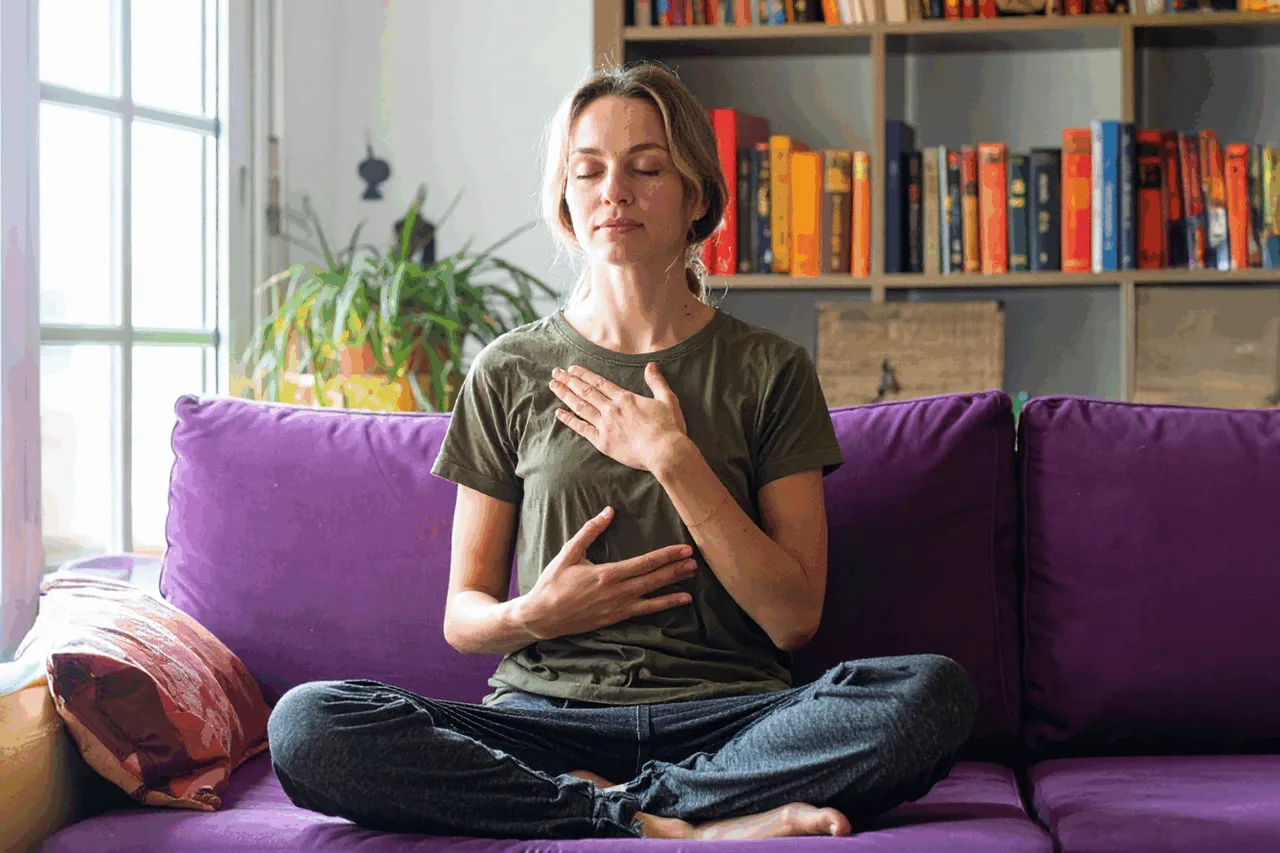
- The Self-Compassion Break: This is a cornerstone practice by Dr. Kristin Neff. When you’re feeling stressed or overwhelmed, pause and acknowledge the moment of suffering. Then, remind yourself that suffering is a part of life (common humanity). Finally, place a hand over your heart or give yourself a gentle hug, offering yourself a kind phrase like, “May I be kind to myself in this moment.”
- Mindful Self-Talk: Become aware of your inner critic. When you notice harsh self-judgment, consciously reframe it. Ask yourself, “What would I say to a friend in this situation?” Then, offer yourself that same compassionate language. This is a powerful step in cultivating equanimity and inner peace.
- Self-Compassion Journaling: Dedicate a few minutes each day to writing about your experiences, focusing on moments of difficulty or perceived failure. Instead of criticizing yourself, write from a place of understanding and support. Acknowledge your feelings without judgment.
- Physical Gestures of Kindness: Simple physical acts can trigger a sense of comfort. Place your hands over your heart, give yourself a gentle hug, or stroke your arm. These gestures can release oxytocin, promoting feelings of safety and calm, reinforcing self-kindness.
- Compassionate Imagery: Close your eyes and imagine a compassionate figure (a mentor, a spiritual figure, or even your future wise self) offering you comfort and understanding. Visualize receiving this warmth and allow it to permeate your being.
- Setting Compassionate Boundaries: Self-compassion also means protecting your energy and well-being. Learn to say “no” to commitments that overextend you and “yes” to activities that nourish you. This often involves addressing why you gossip and how to break free from negative social patterns.
- Mindful Movement and Nature: Engage in gentle activities like yoga, walking in nature, or stretching. Focus on the sensations in your body and the beauty around you, treating your body with respect and nurturing your senses.
- Practicing Gratitude for Yourself: Beyond external gratitude, acknowledge your own strengths, efforts, and positive qualities. Take a moment each day to appreciate something you did well or a quality you possess.
- “Just Like Me” Exercise: When you encounter others, silently remind yourself, “This person, just like me, wants to be happy. This person, just like me, experiences pain. This person, just like me, wants to be loved.” This cultivates common humanity and reduces isolation.
- Seeking Professional Support: If deeply ingrained self-criticism or related mental health challenges persist, don’t hesitate to consult a mental health professional. A therapist can provide personalized strategies and support to help you cultivate self-compassion effectively.
Integrating Mindfulness with Self-Compassion 🌞
Mindfulness and self-compassion are often described as two wings of the same bird, each essential for true emotional freedom. Mindfulness teaches us to be present with our experiences, observing thoughts and feelings without judgment. Self-compassion then adds the element of kindness to that awareness. When we are mindful of our suffering, we create the space to respond to it with warmth and understanding, rather than reaction or suppression.
Consider how they work together:
- Mindfulness helps us notice: Before we can offer ourselves compassion, we first need to be aware that we are suffering. Mindfulness allows us to tune into our internal state – the rising anxiety, the pang of disappointment, the rush of anger – without immediately reacting or getting swept away. It’s the ‘seeing’ part of the process.
- Self-compassion helps us respond: Once we’ve mindfully noticed our distress, self-compassion guides our response. Instead of layering judgment onto our pain (“I shouldn’t feel this way,” “I’m so weak”), we respond with kindness, recognizing our shared humanity in the face of struggle.
For example, if you’re feeling overwhelmed by a deadline, mindfulness helps you acknowledge the tension in your shoulders and the racing thoughts. Self-compassion then encourages you to place a hand on your chest and gently say, “This is a tough moment. It’s okay to feel stressed. I’m doing my best.” This combination transforms a potentially destructive internal struggle into an opportunity for nurturing self-care. Many find that how to use mindfulness meditation to ease anxiety disorders is a powerful way to cultivate both practices simultaneously.
Regular mindfulness meditation practices, even just a few minutes a day, can significantly enhance your capacity for self-compassion. By routinely bringing gentle awareness to your breath, body, and thoughts, you train your mind to be less reactive and more accepting, paving the way for a more compassionate inner environment.
Overcoming Common Obstacles to Self-Compassion ❤️
While the benefits of self-compassion are clear, the path to integrating it into daily life is not always smooth. Many individuals encounter internal and external obstacles that can make the practice feel challenging. Recognizing these hurdles is the first step toward overcoming them.
Some common barriers include:
- The Fear of Self-Indulgence: As mentioned, many worry that being kind to themselves will lead to laziness or a lack of motivation. This is a pervasive myth. In reality, self-compassion provides the emotional resources needed to persist through difficulties, not to give up.
- The Inner Critic’s Resistance: If you’ve had a strong inner critic for years, it won’t disappear overnight. It might even amplify its voice when you start practicing self-compassion, seeing it as a threat to its perceived role in keeping you safe or productive. Acknowledge this resistance without judgment.
- Feeling Unworthy: Deep-seated beliefs about not being “good enough” can make it hard to accept self-kindness. You might feel you don’t deserve compassion, especially if you’ve made mistakes. Remember, compassion is for all suffering beings, and that includes you, regardless of past actions.
- Societal Conditioning: Our culture often glorifies toughness, self-reliance, and relentless striving. Admitting vulnerability or needing self-kindness can feel counter-cultural, leading to internal conflict.
- Lack of Role Models: If you didn’t grow up in an environment where self-kindness was modeled or encouraged, it can feel like an alien concept. This makes the practice feel unfamiliar and sometimes awkward at first.
- Difficulty with Emotional Pain: Self-compassion requires us to turn towards our pain with kindness, rather than avoiding it. This can be uncomfortable, especially if we’ve spent years pushing difficult emotions away. Practices like responding mindfully when you’re always rushing can help build this capacity.
To overcome these obstacles, consistency and patience are key. Start small. Acknowledge the resistance without judgment. Remind yourself that this is a practice, not a destination. With gentle persistence, the voice of self-compassion can gradually become louder and more comforting than the voice of criticism. It’s about building a new habit, one kind thought and action at a time.
Key Takeaways for Daily Self-Compassion 💧
- Self-Compassion is Not Self-Indulgence: It’s about treating yourself with the same kindness you’d offer a friend, fostering resilience and growth.
- It’s a Learnable Skill: Regardless of your past patterns, self-compassion can be cultivated through consistent practice and intention.
- Benefits are Far-Reaching: From reducing self-criticism to improving emotional regulation and enhancing overall well-being, the positive impacts are significant.
- Mindfulness is its Partner: Mindfulness helps you notice your suffering, while self-compassion guides your response with kindness and understanding.
- Small, Daily Practices Matter: Integrating simple tools like the Self-Compassion Break or mindful self-talk can gradually transform your inner world.
- Acknowledge Obstacles with Kindness: It’s normal to face resistance or feel unworthy; meet these challenges with patience and understanding, not further judgment.
- Professional Support is an Option: If you’re struggling to integrate self-compassion, a mental health professional can provide valuable guidance and personalized strategies.
Frequently Asked Questions ❓
What is the difference between self-esteem and self-compassion?
While both are positive self-attitudes, they differ significantly. Self-esteem is often based on evaluating ourselves positively in comparison to others, making it fragile and dependent on external validation or success. Self-compassion, on the other hand, is about being kind to ourselves regardless of our perceived failures or successes. It acknowledges our inherent worth and shared humanity, offering a stable source of comfort and acceptance even when we fall short.
Can self-compassion make me complacent or lazy?
This is a common concern, but research consistently shows the opposite. Self-compassion doesn’t lead to complacency; it actually boosts motivation. When we are kind to ourselves after a setback, we are less afraid to try again, less paralyzed by the fear of failure, and more likely to learn from our mistakes. It’s a supportive, not a permissive, approach to personal growth.
How long does it take to develop self-compassion?
Developing self-compassion is a lifelong journey, not a destination. However, many people report feeling positive shifts in their internal dialogue and emotional well-being within a few weeks or months of consistent daily practice. Like any skill, the more you practice, the stronger your self-compassion muscles become. Be patient and persistent with yourself.
Is self-compassion only for people with mental health issues?
Absolutely not. While self-compassion is incredibly beneficial for those struggling with anxiety, depression, or trauma, it is a universal skill that can enhance the well-being of anyone. Everyone experiences suffering, imperfection, and moments of inadequacy. Cultivating self-compassion is a proactive way to build emotional resilience and foster a more positive relationship with oneself, regardless of one’s mental health status.
The Bottom Line 🧠
Learning to build self-compassion daily is one of the most transformative practices you can adopt for your mental health and overall well-being. It’s a profound shift from a critical inner dialogue to one of warmth, understanding, and acceptance. By embracing self-kindness, recognizing our common humanity, and practicing mindfulness, we create an internal sanctuary that helps us navigate life’s challenges with greater resilience and peace. Remember, this isn’t about perfection; it’s about progress, one gentle, compassionate moment at a time. Start small, be consistent, and watch as the quiet, powerful work of self-compassion begins to reshape your inner world for the better. Always consult a healthcare professional for personalized advice and support for any mental health concerns.
Sources:
- How to Use Self-Compassion Anchor Cards
- Self-Compassion and Psychopathology: A Meta-Analysis – PubMed / NIH
How Healthy Are Your Habits?
10 quick questions · Get your personal wellness score