Achieving impressive, well-defined triceps is a common goal for many fitness enthusiasts, whether you’re aiming for that coveted ‘horseshoe’ shape or looking to boost your bench press performance. Among the myriad of exercises designed to target the triceps, the JM press stands out as a highly effective, albeit technically demanding, movement. This unique hybrid exercise excels at enhancing triceps lockout strength, making it a favorite among serious lifters. However, its effectiveness hinges on precise execution. Many individuals struggle with the JM press due to its nuanced nature, often performing it incorrectly and missing out on its full potential. This comprehensive guide will break down the JM press, offering a step-by-step checklist to ensure you execute it with perfect form, helping you build bigger and stronger triceps the correct way.
Understanding the JM Press: A Hybrid Powerhouse 💪
The JM press isn’t your typical triceps extension or a straightforward close-grip bench press. Instead, it ingeniously combines elements of both, creating a highly specific stimulus for the triceps. This makes it incredibly effective for developing both mass and lockout strength, which is crucial for exercises like the bench press. However, this hybrid nature also means it requires a keen eye for detail. Small deviations in elbow position, bar path, or touch point can significantly impact its efficacy and even lead to discomfort or injury.
Unlike a standard triceps extension where the elbows remain relatively fixed, or a bench press where the bar path is more linear, the JM press involves a unique arc. The bar travels from an overhead position towards a point around your chin or upper chest, requiring precise control and stability. Research suggests that exercises that combine multiple joint actions, like the JM press, can be highly effective for muscle hypertrophy and strength development due to the compound nature of the movement and the increased muscle activation across different ranges of motion.
Mastering this exercise takes time and patience. It’s not about lifting the heaviest weight from day one, but about perfecting the form to maximize triceps engagement and minimize injury risk. Once you’ve locked in the technique, the JM press becomes an invaluable tool in your arsenal for building truly impressive triceps.
Setting the Foundation: Body and Foot Position 🌿
Just like any compound lift, the success of the JM press begins with a stable and secure setup. Your body position on the bench and your foot placement are critical for creating a predictable bar path and allowing your triceps to do the work effectively. Think of your entire body as a kinetic chain; if one link is unstable, the entire movement suffers.
Optimal Body Position on the Bench
Your interaction with the bench is the first step to a successful JM press. A stable upper back is paramount, acting as your primary point of contact and providing the base from which to press. Here’s how to lock it in:
- Eyes Under or Slightly Behind the Bar: Lie back so that your eyes are directly under or just slightly behind the barbell. This positioning ensures a safe and effective unrack and rerack, and sets the stage for the correct bar path.
- Three Points of Contact: Maintain contact with the bench through your head, upper back, and glutes. These three points create a solid foundation. While leg drive is less aggressive than in a powerlifting bench press, stability is still key.
- Upper Back as Main Contact: Actively press your upper back into the bench. This isn’t just passive contact; it’s about creating a strong, stable base. Feel your upper back heavy on the bench.
- Natural Arch, Ribs Down: Maintain a slight, natural arch in your lower back. Crucially, avoid excessive rib flare. Your ribs should remain in line with your hips, ensuring your core is engaged and stable.
Coach’s Tip: If you find yourself shifting or adjusting your body after setting your scapular base, stop, rerack the bar, and reset. Consistency in your setup leads to consistency in your reps.
Foot Position and Leg Drive Setup
Even though the JM press is primarily an upper-body exercise, your lower body still plays a crucial role in providing stability. Your legs act as anchors, preventing unwanted movement and allowing you to focus on the triceps. Improper foot placement can disrupt your entire kinetic chain.
- Firmly Planted Feet: Plant your feet firmly on the floor. Ensure your entire foot, or at least the balls of your feet and heels, are making solid contact.
- Consistent Downward Pressure: Position your feet where you can maintain consistent downward pressure without your hips lifting off the bench. The goal is stability, not maximal leg drive.
- Knees Slightly Out: Keep your knees slightly pushed out. This external rotation of the hips helps engage your glutes and provides a more stable base.
- Tension to the Floor: Apply active tension to the floor through your feet, but remember to keep your hips firmly on the bench. You’re driving the floor away, not pushing yourself up.
Coach’s Tip: If you notice your feet or hips shifting during the movement, you’re likely using too much leg drive. Scale back the intensity of your leg engagement and focus purely on stability.
Grip, Tension, and Bar Path Precision 🧠
Once your body is locked in, the next critical steps involve how you interact with the barbell itself. Your grip width, hand position, and the tension you create in your upper body directly influence the bar path and, consequently, the effectiveness of the JM press for building bigger and stronger triceps.
Grip Width and Hand Position
The grip for the JM press is distinct. Too wide, and it becomes a close-grip bench press, shifting emphasis away from the triceps. Too narrow, and you risk wrist and elbow discomfort, or even injury. The ideal grip allows for optimal control and triceps engagement.
- Slightly Narrower Than Bench Press: Take a grip that is slightly narrower than your standard bench press grip. This ensures the elbows track correctly and the triceps are primarily targeted.
- Hands Even: Always ensure your hands are evenly spaced on the bar. Use the knurling or rings on the barbell as a reliable guide for consistent hand placement.
- Bar Low in Palm: Position the barbell low in your palm, closer to your wrist, rather than in your fingers. This provides a stronger, more stable grip and reduces stress on the wrists. Crush the bar in your hands.
- Wrists Stacked (Initial): Begin with your wrists stacked directly over your elbows. As the bar descends towards your face, a slight wrist deviation is natural and acceptable, but avoid excessive hyperextension.
Coach’s Tip: If your wrists hyperextend significantly or you feel a loss of control, rerack the bar immediately and adjust your hand position or grip width. Prioritize comfort and control over weight.
Upper-Body Tension
While the JM press doesn’t demand the aggressive scapular retraction of a powerlifting bench press, a stable upper body is still essential. This ‘controlled stability’ ensures you can guide the bar precisely without restricting the movement necessary for triceps activation.
- Shoulder Blades Down and Back: Gently set your shoulder blades down and back. This isn’t a forceful retraction, but rather a stable positioning that supports your shoulders and allows for effective triceps engagement.
- Ribs Aligned with Hips: Maintain the alignment of your ribs with your hips. This ensures core stability and prevents your body from arching excessively or flaring your ribs, which can compromise shoulder health and bar path.
- Slight Lat Engagement: Engage your lats slightly. Think about pulling your elbows towards your hips as you set up. This creates a stable ‘shelf’ for the barbell and helps control the eccentric (lowering) phase of the movement.
Achieving this level of upper body tension is crucial for protecting your shoulders and ensuring that the triceps are the primary movers. Without it, other muscles might compensate, reducing the exercise’s effectiveness for triceps growth. To further enhance muscle recovery and overall health, consider exploring options like how premium fitness clubs are redefining muscle, recovery & health, which often integrate advanced recovery protocols into their offerings.
Executing the Movement: Bar Path and Touch Point ✨
This is where the JM press truly distinguishes itself. The unique bar path and precise touch point are what make it so effective for triceps development. Getting these details right is paramount to maximizing muscle activation and preventing injury. Without proper execution of these steps, the JM press loses its specific benefits and risks becoming a less effective, or even harmful, exercise.
The Distinct Bar Path
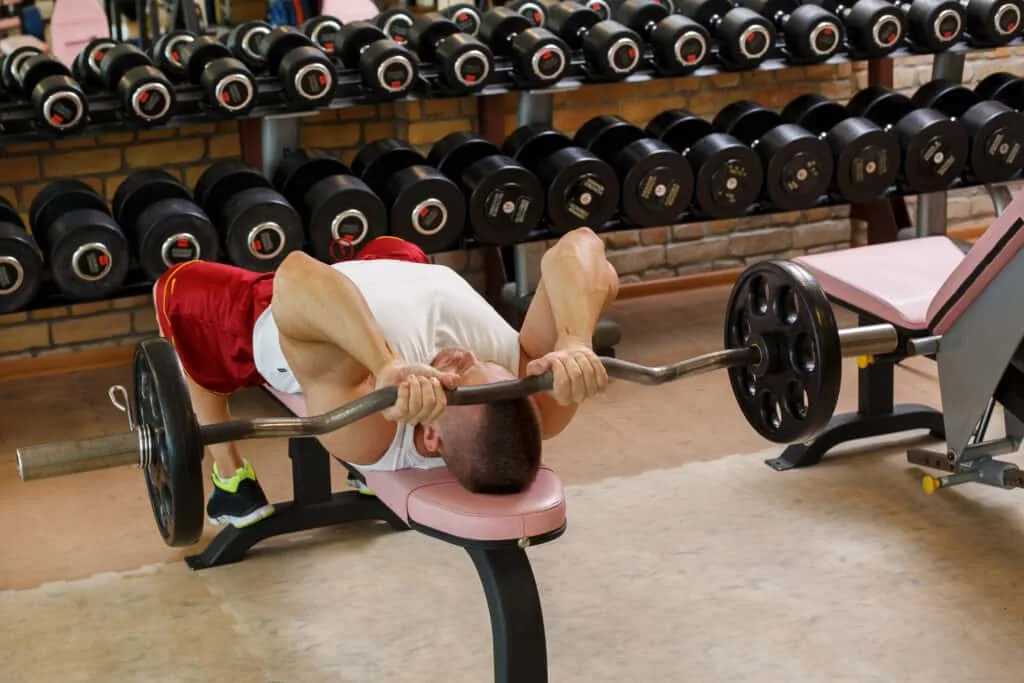
Unlike a straight up-and-down press, the JM press involves a specific arc. Imagine you’re drawing a slight curve with the barbell as it descends and ascends.
- Elbow Tucking: As you lower the bar, your elbows should tuck in towards your sides, similar to a close-grip bench press, but with a more pronounced inward angle. This helps keep tension on the triceps.
- Controlled Descent: Lower the bar under control, allowing your elbows to track forward slightly. The movement should feel deliberate, not rushed.
- Inward Angle: The elbows should be angled inward, rather than flared out. This ensures the triceps are the primary movers and protects the shoulder joint.
The Crucial Touch Point
The touch point is perhaps the most defining characteristic of the JM press. It’s not your chest, nor is it a fully extended overhead position. It’s a precise spot that maximizes triceps stretch and contraction.
- Upper Chest/Chin Area: The bar should touch your upper chest or around your chin level. The exact spot can vary slightly depending on individual anatomy and comfort, but it should be higher than a typical bench press touch point.
- Elbows Forward: At the bottom of the movement, your elbows should be pointing forward, not out to the sides. This ensures maximum triceps stretch and engagement.
- Forearms Vertical (Approximate): While not perfectly vertical, your forearms should be close to perpendicular to the floor at the bottom of the movement. This indicates good elbow and wrist alignment.
“The JM press is often performed poorly because of its technical demands. It’s not a traditional triceps extension or press. It’s a hybrid. Small details like elbow position, bar path, and touch point make a huge difference. Miss them, and your elbows will let you know.” – Muscle & Fitness
This quote underscores the critical importance of these details. Ignoring them can lead to elbow pain and ineffective triceps stimulation. Focusing on proper bar path and touch point will ensure you get the most out of every repetition and truly build and maintain muscle at any age.
Practical Tips for Mastering the JM Press ❤️
Learning a technically demanding exercise like the JM press takes practice and attention to detail. These practical tips will help you refine your technique, build confidence, and maximize your results while minimizing the risk of injury. Remember, consistency in form outweighs heavy weight when it comes to specialized movements.
- Start Light and Master Form: Always begin with an empty barbell or very light dumbbells. Focus entirely on executing each step of the checklist perfectly before adding any significant weight. A perfect rep with light weight is far more beneficial than a sloppy rep with heavy weight.
- Use a Spotter: Especially when learning or attempting new weights, a spotter is invaluable. They can provide feedback on your form and ensure your safety, particularly during the unrack and rerack.
- Record Yourself: Videoing your sets from different angles can provide crucial insights into your form. Compare your execution to instructional videos or the checklist provided here to identify areas for improvement.
- Focus on Mind-Muscle Connection: Actively think about squeezing your triceps throughout the movement, particularly during the concentric (pressing) phase. Visualize the ‘horseshoe’ shape forming with each rep.
- Incorporate Warm-up Drills: Before tackling the JM press, perform specific warm-up exercises for your shoulders, elbows, and wrists. Light band pull-aparts, rotator cuff exercises, and wrist mobility drills can prepare your joints for the unique demands of the movement.
- Listen to Your Body: If you experience any sharp pain in your elbows, wrists, or shoulders, stop immediately. The JM press, when done incorrectly, can place stress on these joints. Consult a healthcare professional or a qualified coach if discomfort persists.
- Integrate Accessory Work: Strengthen your triceps and supporting muscles with accessory exercises. Close-grip push-ups, overhead triceps extensions, and dumbbell skullcrushers can complement your JM press training and help speed up muscle recovery with food.
- Progressive Overload (Gradual): Once your form is impeccable, gradually increase the weight. Small increases over time are more sustainable and safer than jumping to heavy loads. Alternatively, increase reps or sets.
- Maintain a Stable Scapular Base: Continuously remind yourself to keep your shoulder blades set down and back throughout the entire set. Losing this stability can compromise your shoulder health and reduce triceps activation.
- Control the Eccentric Phase: Don’t let gravity do all the work on the way down. Control the lowering phase of the bar. A slower eccentric phase can increase time under tension, leading to greater muscle growth.
Key Takeaways for Triceps Dominance 🌿
The JM press is a powerful tool for developing exceptional triceps size and strength, particularly for lockout power. However, its effectiveness is entirely dependent on meticulous attention to form. By following a structured approach and focusing on the crucial details, you can unlock its full potential.
- The JM press is a hybrid exercise, combining elements of a close-grip bench press and a skullcrusher, making it highly effective for triceps.
- Stability is paramount: A solid body position on the bench and anchored feet are the foundation for a predictable bar path and optimal triceps engagement.
- Grip width is critical: A grip slightly narrower than your regular bench press, with the bar low in the palm, optimizes elbow tracking and triceps activation.
- Upper-body tension: Gentle shoulder blade retraction and slight lat engagement create a stable platform without restricting movement.
- The unique bar path and touch point (upper chest/chin with elbows forward) are defining characteristics that must be mastered for maximum benefit.
- Start light and prioritize form: Never compromise technique for weight. Gradual progressive overload is key to long-term gains and injury prevention.
- Consistent practice and self-assessment: Regularly review your form through video or with a coach to ensure ongoing improvement.
- Listen to your body: Avoid pushing through pain, especially in the elbows or wrists, and seek professional advice if needed.
Frequently Asked Questions 💧
What is the primary benefit of the JM press?
The primary benefit of the JM press is its exceptional ability to build triceps size and, more specifically, enhance triceps lockout strength. This makes it particularly valuable for improving performance in other pressing movements like the bench press.
Is the JM press suitable for beginners?
While highly effective, the JM press is a technically demanding exercise and may not be ideal for absolute beginners. It requires a good understanding of body mechanics and control. Beginners should first master basic triceps exercises like close-grip bench presses, skullcrushers, and overhead extensions before attempting the JM press, and always start with very light weight.
How often should I include the JM press in my routine?
The frequency of including the JM press depends on your training goals and overall program. For most individuals, incorporating it once or twice a week as part of an upper-body or push-day routine is sufficient. It’s a demanding exercise, so ensure adequate recovery between sessions.
Can I do the JM press with dumbbells?
While the traditional JM press is performed with a barbell, a dumbbell variation can be done. This often involves lying on a bench and performing a hybrid movement similar to a dumbbell skullcrusher that transitions into a close-grip dumbbell press, bringing the dumbbells towards the chin/upper chest. However, it requires even greater stability and coordination, making the barbell version the preferred starting point for most.
The Bottom Line 🌞
The JM press is a stellar exercise for anyone serious about building bigger and stronger triceps and improving their pressing power. Its unique hybrid nature provides a specific stimulus that few other movements can replicate. However, its technical demands necessitate a meticulous approach to form. By diligently following the checklist—focusing on stable body and foot positioning, precise grip, controlled upper-body tension, and mastering the distinct bar path and touch point—you can unlock the full potential of this powerful exercise.
Remember to start light, prioritize perfect form over heavy weight, and gradually progress. Incorporate consistent practice, utilize feedback from video or a coach, and always listen to your body to prevent injury. With patience and dedication, the JM press will become an invaluable asset in your fitness journey, helping you achieve those coveted horseshoe triceps and a significantly stronger lockout. Always consult with a qualified fitness professional or healthcare provider before making significant changes to your exercise routine, especially when learning complex movements like the JM press, to ensure it aligns with your individual health and fitness goals.
Sources:
- The JM Press Checklist: Build Bigger & Stronger Triceps the Correct Way
- Triceps Brachii Hypertrophy and Elbow Extension Training – PubMed / NIH
How Healthy Are Your Habits?
10 quick questions · Get your personal wellness score