A concerning trend in the typical American diet is a significant imbalance in essential minerals, particularly sodium and potassium. This imbalance, where most Americans fail to get enough potassium and too much sodium, isn’t just a minor dietary oversight; it’s a critical public health issue with far-reaching implications for our well-being. Despite widespread awareness of healthy eating, a staggering 99.99% of U.S. adults fall short of the minimum recommended potassium intake, while simultaneously exceeding sodium recommendations. Let’s delve into why this happens and, more importantly, what we can do to shift this dangerous tide.
The Silent Epidemic: Understanding Sodium and Potassium Imbalance ❤️
The modern diet has drifted significantly from what our bodies evolved to thrive on. Our ancestors likely consumed over 10,000 mg of potassium daily, a stark contrast to the less than 2% of U.S. adults who meet even the current recommended minimum intake. Simultaneously, our sodium intake has skyrocketed. While our bodies are designed to handle about 750 mg of sodium per day, the average American consumes more than four times that amount, with a whopping 98.8% exceeding the 1,500 mg upper limit recommendation. This isn’t just about individual food choices; it’s a systemic problem influenced by our food environment.
This mineral imbalance isn’t merely a nutritional footnote; it’s a foundational issue contributing to a myriad of health problems. The World Health Organization estimates that unhealthy diets account for nearly 20 times more healthy life years lost than physical inactivity. The most fatal dietary flaw? Excessive salt intake, which is about 15 times deadlier than diets high in sugary drinks like soda. This striking data underscores the urgency of addressing our sodium and potassium consumption patterns.
The Damaging Effects of Excess Sodium on Your Health 🧠
The link between high sodium intake and elevated blood pressure is well-established. Over a hundred randomized controlled trials have consistently shown that reducing added salt leads to a decrease in blood pressure, with greater reductions seen with more significant salt restriction. But the impact of excess sodium extends beyond just blood pressure.
- Cardiovascular Disease: High blood pressure, often a direct result of excessive sodium, is a primary risk factor for heart disease and stroke.
- Kidney Disease: The kidneys play a crucial role in filtering waste and maintaining fluid balance. High sodium intake places an added burden on these vital organs, potentially leading to or worsening kidney disease.
- Stomach Cancer: Research suggests a link between high salt consumption and an increased risk of stomach cancer.
- Inflammation: Sodium is a pro-inflammatory agent. Studies indicate a correlation between higher sodium levels and increased disease activity in inflammatory autoimmune conditions like multiple sclerosis (MS) and lupus. For instance, individuals with medium or high sodium intakes showed about three to four times the exacerbation rate in MS compared to those consuming less than a teaspoon of salt daily. High sodium levels have also been correlated with decreased structural integrity in the spinal cord of MS patients.
- Gut Microbiome Disruption: Emerging research points to the potential damage salt may inflict on the gut microbiome, the friendly bacteria crucial for overall health. This disruption could have wide-ranging effects on digestion, immunity, and even mood. For more on gut health, consider reading How Childhood Stress Affects Gut & Brain Health (Nutrition Fix).
“There remains no single more effective public health action related to nutrition than the reduction of sodium in the diet,” stated FDA Commissioner Scott Gottlieb in 2018.
This powerful statement highlights the critical role sodium reduction plays in public health initiatives worldwide.
Potassium: The Unsung Hero of Mineral Balance 🌿
While sodium often gets the spotlight for its negative effects, potassium is the unsung hero that helps counteract many of those harms. Potassium is an essential mineral that plays a vital role in numerous bodily functions, including:
- Blood Pressure Regulation: Potassium helps to relax blood vessel walls, which can lower blood pressure. It also helps the body excrete excess sodium.
- Fluid Balance: Along with sodium, potassium helps maintain proper fluid balance within cells and throughout the body.
- Nerve Signals: Potassium is crucial for the transmission of nerve impulses, allowing our brains to communicate with our muscles and organs.
- Muscle Contraction: It’s essential for normal muscle function, including the contraction of the heart muscle.
- Heart Rhythm: Adequate potassium intake helps maintain a stable heart rhythm.
Our ancestors consumed large amounts of dietary potassium, primarily from whole, unprocessed plant foods. Modern diets, heavily reliant on processed foods, have drastically reduced our potassium intake, creating a significant deficiency for over 98% of Americans. This deficiency is particularly concerning given potassium’s role in mitigating the negative effects of high sodium.
Where Do We Find These Minerals? The Real Food Connection 🥦
One of the challenges in understanding mineral intake is that sodium is often found in highly processed, nutrient-poor foods. Highly processed foods, fast food, and packaged snacks are notorious for their high sodium content. This makes it difficult to ascertain whether increased salt intake is solely the culprit or if it’s simply a marker for a generally poor diet lacking in nutrient-dense foods.
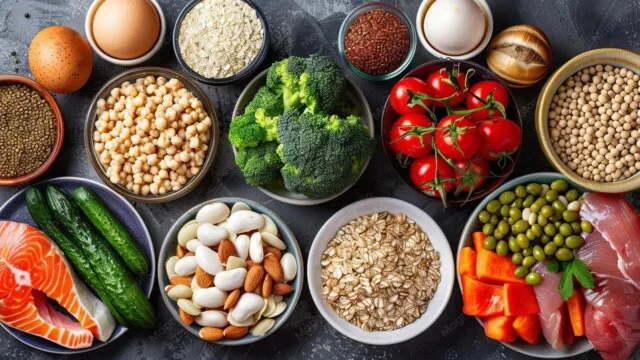
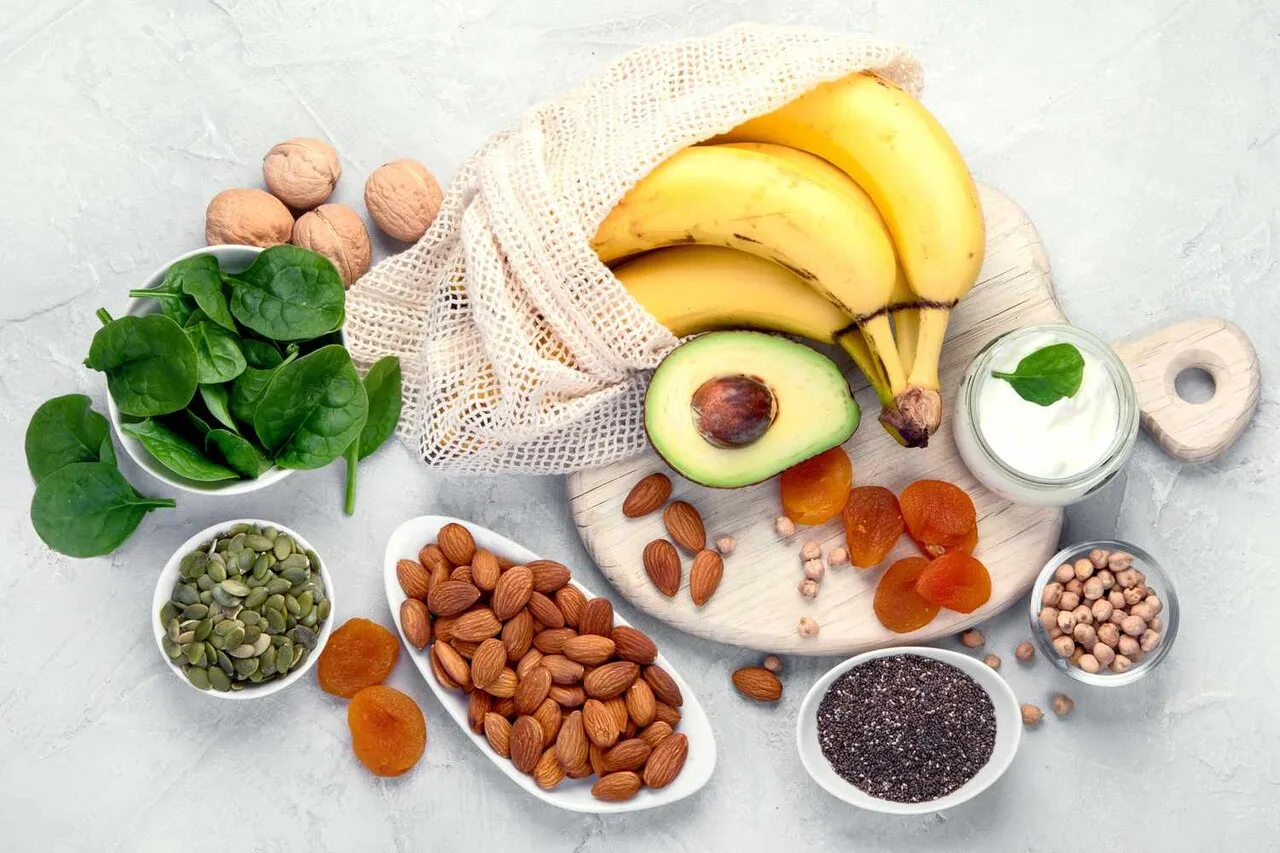
Conversely, potassium is abundant in whole, unprocessed plant foods. If you’re focusing on a diet rich in these foods, you’ll naturally boost your potassium intake and likely reduce your sodium intake. Key sources of potassium include:
- Fruits: Bananas, oranges, avocados, cantaloupe, dried apricots.
- Vegetables: Spinach, kale, sweet potatoes, broccoli, tomatoes, potatoes (with skin).
- Legumes: Beans, lentils, chickpeas.
- Nuts and Seeds: Almonds, cashews, sunflower seeds.
- Whole Grains: Brown rice, oats, quinoa.
Emphasizing these foods is not just about potassium; it’s about building a foundation for overall health. For more insights into beneficial foods, you might explore Onion Health Benefits: What Research Really Shows.
Practical Tips for Balancing Sodium and Potassium 💪
Achieving a healthy balance of sodium and potassium requires conscious effort and a shift in dietary habits. Here are some practical steps you can take:
- Read Food Labels Diligently: Pay close attention to the sodium content on packaged foods. Look for ‘low sodium’ or ‘no added salt’ options. Be aware that even foods that don’t taste salty can be high in sodium.
- Cook at Home More Often: Preparing meals from scratch gives you complete control over the ingredients, especially the amount of salt. Experiment with herbs, spices, citrus, and vinegars to add flavor without relying on sodium.
- Prioritize Whole, Unprocessed Foods: Base your diet around fresh fruits, vegetables, whole grains, and lean proteins. These foods are naturally low in sodium and high in potassium.
- Limit Processed Meats and Canned Goods: Deli meats, bacon, sausages, and many canned soups and vegetables are significant sources of hidden sodium. Opt for fresh alternatives or rinse canned goods thoroughly to reduce sodium.
- Reduce Restaurant and Fast Food Consumption: These establishments often use generous amounts of salt for flavor. When dining out, ask for dishes to be prepared with less salt or choose options that are naturally lower in sodium.
- Increase Potassium-Rich Foods: Make a conscious effort to include more fruits, vegetables, legumes, nuts, and seeds in your daily diet. Aim for a wide variety to ensure you’re getting a broad spectrum of nutrients.
- Be Mindful of Condiments: Soy sauce, ketchup, salad dressings, and certain sauces can be high in sodium. Look for reduced-sodium versions or make your own.
- Stay Hydrated: While not directly related to mineral balance in terms of intake, adequate hydration is crucial for overall bodily function and kidney health, which plays a role in electrolyte regulation.
- Consult a Healthcare Professional: If you have existing health conditions, especially high blood pressure or kidney disease, it’s crucial to discuss your sodium and potassium intake with your doctor or a registered dietitian. They can provide personalized recommendations tailored to your specific needs.
Key Takeaways for Optimal Mineral Health ✨
- The vast majority of Americans consume too much sodium and too little potassium, a critical imbalance with serious health consequences.
- Excess sodium is strongly linked to high blood pressure, heart disease, stroke, kidney disease, stomach cancer, and increased inflammation.
- Potassium is a vital mineral that helps lower blood pressure, maintain fluid balance, and supports nerve and muscle function.
- Processed foods are the primary source of excess sodium, while whole plant foods are rich in potassium.
- Shifting towards a diet rich in fruits, vegetables, whole grains, and legumes, while reducing processed food intake, is essential for balancing these minerals.
- Reading food labels, cooking at home, and being mindful of restaurant choices are practical steps to improve your sodium and potassium balance.
- Always consult a healthcare professional for personalized dietary advice, especially if you have underlying health conditions.
Frequently Asked Questions 💧
Can I get enough potassium through diet alone, or do I need supplements?
For most healthy individuals, it is absolutely possible and preferable to obtain sufficient potassium through a balanced diet rich in fruits, vegetables, legumes, and whole grains. Supplements should generally only be considered under the guidance of a healthcare professional, as excessive potassium can be dangerous, especially for individuals with kidney issues.
Are there certain populations more at risk for sodium-potassium imbalance?
Yes, individuals with high blood pressure, heart disease, kidney disease, and those following highly processed diets are particularly at risk. Older adults may also be more sensitive to sodium’s effects and may have reduced kidney function, affecting potassium excretion. Pregnant women should also monitor their intake closely under medical supervision.
How quickly can I see changes in my blood pressure if I reduce sodium and increase potassium?
The timeline for blood pressure changes can vary greatly depending on individual factors, the severity of the imbalance, and adherence to dietary changes. Some individuals may see improvements within weeks, while for others, it may take a few months. Consistency is key. Always monitor your blood pressure regularly and consult your doctor.
What about sea salt or Himalayan pink salt? Are they healthier than regular table salt?
While sea salt and Himalayan pink salt may contain trace minerals not found in refined table salt, they are still primarily sodium chloride. Gram for gram, their sodium content is very similar to table salt. Therefore, they should be used in moderation, just like any other form of salt, if you are trying to reduce your overall sodium intake.
The Bottom Line 🌞
The pervasive issue of too much sodium and not enough potassium in the American diet is a significant contributor to chronic disease and diminished quality of life. The impact of these dietary patterns on chronic disease is well-documented. It’s not just about avoiding salt; it’s about actively embracing a wealth of potassium-rich, whole foods that nourish our bodies at a cellular level. By making conscious choices to reduce processed foods and prioritize fresh, vibrant plant-based options, we can empower ourselves to achieve better mineral balance, support cardiovascular health, and foster overall well-being. This dietary shift is one of the most impactful steps we can take for a healthier future. Remember, small, consistent changes lead to profound and lasting results. Always consult with a healthcare professional or a registered dietitian for personalized advice.
Sources:
- Effect of increased potassium intake on cardiovascular risk factors and disease
- Reducing population salt intake worldwide: From evidence to implementation
- U.S. Food and Drug Administration. (2024). Sodium reduction in the food supply
How Healthy Are Your Habits?
10 quick questions · Get your personal wellness score