Onions are a staple in kitchens worldwide, celebrated for their pungent flavor and ability to transform dishes. But beyond their culinary appeal, what does science truly say about the health benefits of eating onions? Many headlines tout miraculous effects, from boosting testosterone to preventing cancer. As a registered dietitian, I’m here to peel back the layers of these claims and examine the actual findings from human trials. We’ll explore where these popular beliefs originated and what the evidence suggests about onions’ role in our overall well-being, focusing on what matters for your health.
The Antioxidant Powerhouse: Beyond the Peel 💪
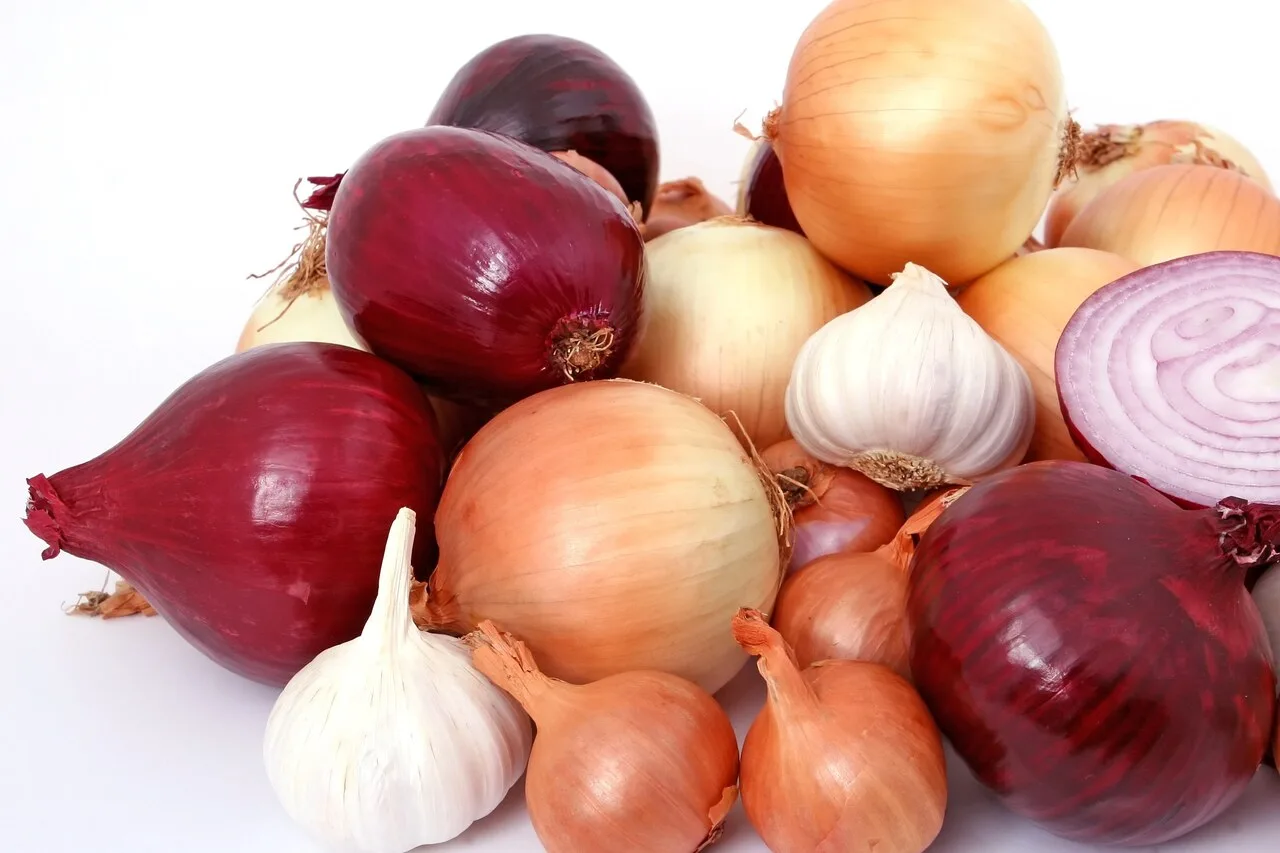
Onions are indeed a valuable source of antioxidants, those crucial compounds that help protect our cells from damage caused by free radicals. Interestingly, a significant portion of these antioxidants are concentrated in the outer layers, just beneath the dry, papery skin. Research indicates that white onions, for example, can contain over ten times the antioxidant content in their outermost layers compared to the inner core. This is a critical detail, as many of us tend to discard these nutrient-rich outer layers, inadvertently losing a significant source of these beneficial compounds. While red onions generally boast the highest antioxidant levels across various testing methods, yellow and white onions are also far from lacking. They possess considerable antioxidant activity that contributes to their health-promoting potential.
Debunking the Testosterone Claim: What Human Trials Reveal 🧠
One common claim is that onions can enhance testosterone levels in men. While some reviews suggest this, it’s essential to look at the original studies. Often, these purported benefits are extrapolated from animal studies, such as research on the effects of onion juice following testicular torsion in rats. While fascinating from a biological standpoint, findings in rodents don’t always translate to humans. When researchers specifically tested the effects of onion extract on human testosterone levels, the results were less conclusive. To date, robust randomized, controlled human trials have not demonstrated a significant enhancement of testosterone in men due to onion consumption. It’s a classic example of how preliminary or animal-based findings can create headlines that outpace definitive human evidence.
Bone Health: Promising Signs for Osteoporosis Prevention 🦴
The connection between onion consumption and bone health, particularly in postmenopausal women, has shown more promising results. One observational study noted that older women who consumed onions daily had a 5% greater overall bone density compared to those who ate them less than once a month. While 5% might not sound dramatic, a similar improvement in bone density could potentially translate to a significant reduction in hip fracture risk, possibly by over 20%. This correlation suggests a potential causal link, though more research is needed to confirm this.
Further studies, including some involving onion extract administration, have indicated positive effects on bone density markers, even in rodent models. However, it’s crucial to differentiate between animal studies and human clinical trials. One human trial involved participants drinking onion juice or a placebo for eight weeks. While it showed an improvement in a specific marker related to bone health, the study wasn’t long enough to directly compare osteoporosis rates between the groups. The potential for onions to offer a safe, effective, and low-cost approach to managing bone health is exciting, but we need more rigorous, long-term human studies to solidify these findings. If you’re concerned about bone health, discussing dietary strategies with your doctor is always the best first step.
Allergies and Runny Noses: The Shallot Story 🤧
Could shallots, a close relative of the onion, offer relief for allergy sufferers with runny noses? One study explored this by comparing a group receiving standard antihistamines with a group receiving both antihistamines and dried shallot powder capsules. After four weeks, the group that included shallots showed slightly better results. However, when researchers analyzed the total symptom scores, there was no statistically significant difference between the two groups. This means that while there might be a slight trend, the evidence doesn’t strongly support shallots as a standalone or significantly superior treatment for allergy symptoms compared to conventional antihistamines. It highlights the importance of statistical significance in research – a small difference isn’t always a meaningful one.
Onions and Cancer Treatment: Examining the Evidence ❤️
The role of onions in mitigating the side effects of cancer treatments, like chemotherapy, has also been investigated. One study looked at whether eating fresh yellow onions could reduce the toxic effects of doxorubicin, a chemotherapy drug known to potentially damage the liver and heart, in breast cancer patients. Unfortunately, the results did not show a significant benefit in protecting against this particular type of damage.
However, the same study did uncover an interesting finding: consuming fresh yellow onions appeared to help reduce high blood sugar levels and improve insulin resistance in these breast cancer patients. This suggests that while onions might not be a magic bullet for chemotherapy side effects, they could play a beneficial role in metabolic health, even for individuals undergoing cancer treatment. It’s a nuanced finding that underscores the complexity of diet and disease interaction. For personalized advice on managing treatment side effects or optimizing nutrition during cancer therapy, consulting with an oncologist or a registered dietitian specializing in oncology is essential.
Practical Tips for Maximizing Onion Benefits 🥦
Even if onions aren’t a cure-all, incorporating them into your diet can still offer nutritional advantages. Here are some practical ways to make the most of their goodness:
- Don’t Peel Too Deeply: When preparing onions, try to remove only the dry, papery outer layers. Preserve the slightly thicker, nutrient-rich layers just beneath for maximum antioxidant intake.
- Embrace Variety: While red onions tend to have the highest antioxidant content, don’t shy away from yellow and white onions. All varieties offer valuable phytonutrients.
- Cook Them Wisely: While raw onions pack a punch, cooking can also enhance their benefits. Sautéing or roasting can make them sweeter and easier to digest for some, while still retaining many nutrients. Avoid excessive boiling, which can leach water-soluble vitamins.
- Add Them Liberally: Onions are incredibly versatile. Add them to stir-fries, soups, stews, salads, omelets, and sandwiches. They are a fantastic way to add flavor without relying solely on salt.
- Consider Shallots and Garlic: These allium relatives also offer unique flavors and health benefits. Explore incorporating them into your meals as well.
- Pair with Healthy Fats: Consuming onions with healthy fats, such as those found in olive oil or avocado, can enhance the absorption of fat-soluble antioxidants present in onions.
- Focus on Overall Diet: Remember that onions are just one part of a balanced diet. Ensure you’re also getting a wide range of nutrients from other fruits, vegetables, whole grains, and lean proteins. Check out the Daily Dozen for a great framework.
Key Takeaways: The Onion Evidence 💧
- Onions are rich in antioxidants, particularly concentrated in their outer layers.
- Current human research does not strongly support the claim that onions significantly boost testosterone levels.
- There is promising observational evidence linking daily onion consumption to improved bone density in older women, potentially reducing fracture risk.
- Studies on shallots for allergy relief have not shown statistically significant benefits over standard treatments.
- While onions didn’t show a benefit in reducing chemotherapy-induced organ damage in one study, they did help improve blood sugar and insulin resistance.
- Maximizing benefits involves preserving outer layers, enjoying various types, and incorporating them widely into a balanced diet.
- Always consult with a healthcare professional for personalized health advice.
Frequently Asked Questions 🌞
Are all onions equally healthy?
While all onions offer health benefits due to their antioxidant content, red onions generally contain the highest levels of these beneficial compounds, followed by yellow and then white onions. However, the differences are often marginal, and all types contribute valuable phytonutrients to your diet. The key is to consume them regularly.
Can eating onions help with weight loss?
Onions are low in calories and high in fiber, which can be beneficial for weight management. Fiber promotes satiety, helping you feel fuller for longer, and can aid in digestion. While onions themselves aren’t a direct weight-loss solution, they can be a valuable component of a healthy, calorie-controlled diet aimed at weight loss. Many weight management programs, like Noom, emphasize incorporating nutrient-dense, lower-calorie foods.
Is it better to eat onions raw or cooked?
Both raw and cooked onions offer health benefits. Raw onions retain all their nutrients, including certain compounds that may be sensitive to heat. Cooking, however, can make onions easier to digest for some individuals and can also enhance the bioavailability of certain antioxidants. The best approach is to enjoy them in various forms – raw in salads and salsas, and cooked in soups, stews, and stir-fries.
What about glycidol in fried onions?
When onions are fried at high temperatures, particularly in reused oils, they can form compounds like glycidol, which is considered a potential carcinogen. This is more of a concern with heavily processed or deep-fried onion products. To avoid this, opt for healthier cooking methods like baking, sautéing, or grilling. Understanding potential risks associated with certain cooking methods is important; for more on this, you can explore glycidol in fried foods.
The Bottom Line
Onions are undoubtedly a nutritious addition to any diet, offering a good source of antioxidants and potentially contributing to bone health. While some of the more sensational health claims circulating online lack robust human evidence, the foundational benefits are clear. As a nutritionist, I encourage you to embrace the versatility and flavor of onions in your cooking. Remember that focusing on a varied diet rich in whole foods is key to overall wellness. Instead of seeking magic bullets, focus on consistent, healthy eating patterns. If you’re looking to make significant dietary changes or have specific health concerns, always consult with a healthcare professional or a registered dietitian. They can provide personalized guidance tailored to your unique needs, helping you navigate the complexities of nutrition and well-being. Understanding your nutrients, like the role of iron, fats, and folic acid, is also part of a comprehensive approach to health.
Sources:
How Healthy Are Your Habits?
10 quick questions · Get your personal wellness score