Cancer is a formidable disease, and while medical advancements offer hope, the rising incidence and treatment costs are staggering. We’re spending billions on chemotherapy, yet it often acts as a temporary fix rather than a cure, failing to address the root causes of cancer’s progression. The overwhelming evidence points towards a powerful, accessible solution: our diet. Specifically, the compounds found in whole plant-based foods offer significant anticancer and cancer-preventing properties. Research increasingly highlights how specific foods can influence cancer’s progression, and beans stand out as one of the most studied. Understanding which beans are best at inhibiting cancer’s spread can empower you to make informed dietary decisions for a healthier future. We’ll explore how these humble legumes can help block the invasive pathways of cancer, a crucial step in combating this disease.
The Role of Diet in Cancer Prevention 🌿
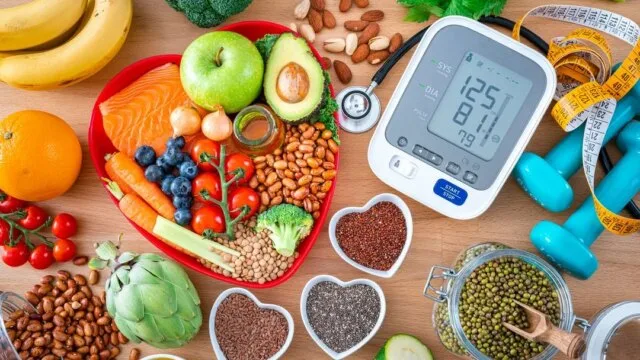
The fight against cancer is multifaceted, with medical treatments playing a vital role. However, focusing solely on interventions after cancer has taken hold is like trying to bail out a sinking ship without plugging the holes. The true power lies in prevention, and research increasingly highlights the profound impact of our daily food choices. A diet rich in whole plant foods, characterized by minimal animal products and abundant fruits, vegetables, legumes, nuts, and seeds, is consistently linked to lower cancer risks. These foods are packed with bioactive compounds – natural chemicals that can influence our cells and bodily processes in ways that deter cancer development and spread.
These plant-based powerhouses are not just about general health; they actively target the very mechanisms that allow cancer to thrive. While chemotherapy drugs are often used to manage advanced disease, their effectiveness can be limited, and they frequently come with debilitating side effects that diminish quality of life. In contrast, the phytochemicals found in plants are proving to be remarkably adept at interfering with cancer’s progression at a cellular level. They can inhibit nearly every step of the invasion-metastasis cascade, the process by which cancer cells spread from the primary tumor to other parts of the body, which is responsible for the vast majority of cancer-related deaths.
Understanding Cancer Metastasis and MMPs 🧠
The most devastating aspect of cancer is often not the primary tumor itself, but its ability to spread. This process, known as metastasis, is responsible for about 90% of cancer-related deaths. It’s a complex journey where cancer cells break away from the original tumor, invade surrounding tissues, enter the bloodstream or lymphatic system, and establish new tumors in distant organs. This ability to spread is what makes cancer so dangerous and difficult to treat.
Central to this invasive process are enzymes called Matrix Metalloproteinases, or MMPs. Think of MMPs as tiny molecular scissors that cancer cells use to cut through the extracellular matrix – the structural support system of our tissues. By breaking down this matrix, MMPs create pathways for cancer cells to invade nearby blood vessels or lymphatic channels, facilitating their journey to new sites in the body. Consequently, researchers have explored MMP inhibitor drugs to block this spread. However, while these drugs showed promise in lab settings, they often caused severe side effects in humans, proving too toxic for widespread use.
Legumes: Nature’s MMP Inhibitors 💪
This is where the power of nutrition steps in. Fortunately, nature provides us with compounds that can perform a similar function without the dangerous side effects. Legumes – a broad category encompassing beans, lentils, split peas, and chickpeas – are particularly rich in special proteins and phytochemicals that have been shown to reduce MMP activity. These humble, yet potent, foods offer a natural and accessible way to help inhibit the enzymes that fuel cancer’s spread. The science is clear: incorporating legumes into your diet can be a strategic move in supporting your body’s defenses against cancer metastasis.
The effectiveness of legumes in inhibiting MMPs has been a subject of scientific inquiry. Researchers have tested various types of legumes to identify which ones are most potent in their ability to block these cancer-promoting enzymes. This research is crucial for understanding how to best leverage dietary strategies for cancer prevention and management. By focusing on specific food groups like legumes, we can make targeted nutritional choices that have a significant impact on our health and well-being. It’s a testament to the idea that simple, whole foods can offer sophisticated solutions to complex health challenges.
The Top Legumes for Inhibiting Cancer Spread ✨
While all legumes offer beneficial compounds, research has highlighted specific types that show superior activity in inhibiting MMPs. Studies have compared the antimetastatic properties of various beans, split peas, chickpeas, and lentils. One such investigation focused on eight different types of legumes to determine their effectiveness. The findings indicated that certain legumes stand out for their potent ability to block the enzymes that facilitate cancer invasion and spread.
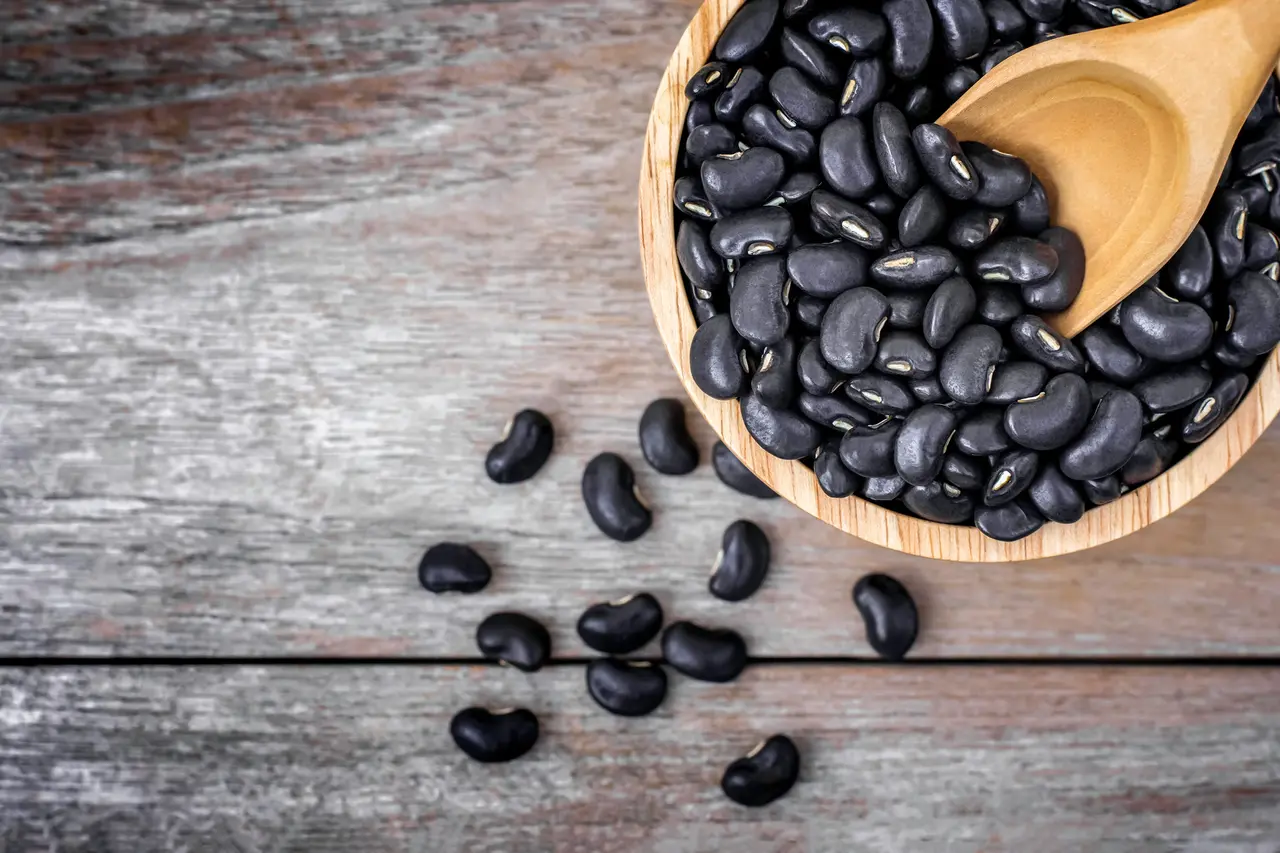
Among the legumes tested, black beans, kidney beans, and navy beans demonstrated particularly strong inhibitory effects on MMP activity. These specific types of beans contain higher concentrations of the relevant phytochemicals that interfere with the enzymes cancer cells use to invade tissues. Lentils and chickpeas also showed significant benefits, though to a slightly lesser extent than the top-ranking beans in this particular study. This research provides valuable insight for individuals looking to enhance their diet with cancer-fighting foods, guiding them towards the most effective choices within the legume family.
According to NutritionFacts.org, a cancer-protective diet emphasizes minimal animal products and maximal plant foods, with legumes, berries, leafy greens, flaxseeds, and green tea among the most beneficial choices.
Practical Tips for Incorporating Beans into Your Diet 🥦
Knowing which beans are best is the first step; the next is making them a regular part of your meals. The most effective dietary changes are those that are sustainable and enjoyable. Beans are incredibly versatile, affordable, and packed with nutrients beyond their cancer-fighting compounds, including fiber, protein, and essential minerals. Here are some practical ways to boost your bean intake:
- Start Small: If you’re new to eating a lot of beans, begin by adding them gradually to your meals. This helps your digestive system adjust, especially to the increased fiber content. The guide on How to Start Fiber Training may be helpful for a smooth transition.
- Meatless Mondays (and More!): Replace some or all of the meat in your favorite dishes with beans. Think chili, tacos, or pasta sauces. This not only boosts nutrient intake but can also be budget-friendly.
- Salad Booster: Toss a handful of black beans, chickpeas, or kidney beans into your salads for added protein, fiber, and texture. They pair wonderfully with a variety of vegetables and dressings.
- Soups and Stews: Beans are a natural fit for hearty soups and stews. Add them to minestrone, lentil soup, or a vegetable stew for a more filling and nutritious meal.
- Hummus & Bean Dips: Make your own hummus from chickpeas or create dips from other beans like black beans or white beans. Serve with fresh vegetables or whole-grain crackers.
- Bake with Beans: Believe it or not, beans can be incorporated into baked goods! Black beans can be used in brownies for added moisture and a nutritional boost, often without altering the taste significantly.
- Convenience is Key: Keep canned beans (rinsed well to reduce sodium) or pre-cooked dried beans on hand for quick meal preparation. This makes it easy to add beans to any meal on the fly.
- Experiment with Varieties: Don’t be afraid to try different types of beans beyond the usual suspects. Each offers a unique flavor and texture profile, adding variety to your diet.
Nutritional Powerhouses: Beyond Cancer Prevention 💧
The benefits of beans extend far beyond their remarkable ability to inhibit cancer spread. They are nutritional powerhouses that contribute significantly to overall health and well-being. Understanding the full spectrum of benefits beans offer helps explain why they are a cornerstone of health-promoting diets. Beans are an excellent source of dietary fiber, which is crucial for digestive health, blood sugar regulation, and maintaining a healthy weight. High-fiber diets are associated with a reduced risk of heart disease and type 2 diabetes.
Furthermore, beans are a fantastic source of plant-based protein, making them an essential food for vegetarians, vegans, and anyone looking to reduce their meat consumption. They provide essential amino acids and contribute to satiety, helping you feel fuller for longer. In addition to fiber and protein, beans are rich in micronutrients, including iron, folate, potassium, magnesium, and various antioxidants. These nutrients play vital roles in energy production, immune function, blood pressure regulation, and protecting cells from damage.
The synergy of these nutrients makes beans a cornerstone of a health-promoting diet. Their low glycemic index means they release energy slowly, preventing sharp spikes and crashes in blood sugar levels. This is particularly beneficial for managing energy levels throughout the day and for individuals with diabetes. The complex carbohydrates in beans provide sustained energy, supporting physical activity and cognitive function. It’s this comprehensive nutritional profile that truly underscores the value of making beans a dietary staple.
The Gut-Brain Connection and Beans ❤️
The intricate connection between our gut and brain, often referred to as the gut-brain axis, is a rapidly evolving area of health research. What happens in our digestive system profoundly impacts our mood, cognitive function, and even our stress response.Dietary choices significantly influence this gut-brain axis. Beans play a significant role here, primarily through their high fiber content and the resulting impact on the gut microbiome.
The fiber in beans acts as a prebiotic, feeding the beneficial bacteria in your gut. A diverse and thriving gut microbiome is essential for producing neurotransmitters like serotonin, which plays a key role in mood regulation. When these beneficial bacteria ferment fiber, they produce short-chain fatty acids (SCFAs), such as butyrate. SCFAs not only nourish the cells lining the gut but also have anti-inflammatory effects throughout the body, including the brain. This can have positive implications for conditions like anxiety and depression, and research into how childhood stress affects gut and brain health highlights the long-term importance of a healthy gut environment.
Moreover, a healthy gut lining, supported by SCFAs, acts as a barrier against harmful substances entering the bloodstream. When this barrier is compromised, inflammation can occur, potentially affecting brain health. By promoting a healthy gut microbiome and reducing inflammation, beans contribute to a more resilient gut-brain axis. This interconnectedness emphasizes that supporting gut health through foods like beans isn’t just about digestion; it’s about nurturing your entire well-being, including mental and cognitive health. For a deeper dive into how diet impacts brain function, consider exploring topics like Brain Health and Diet.
Addressing Concerns: IBS and Bloating
Despite their numerous benefits, some individuals hesitate to consume beans due to concerns about digestive discomfort, particularly bloating and gas. This is often related to the types of carbohydrates found in beans, such as oligosaccharides, which can be fermented by gut bacteria. For those with sensitive digestive systems or conditions like Irritable Bowel Syndrome (IBS), these symptoms can be a deterrent. It’s important to remember that What Is Irritable Bowel Syndrome and how it impacts digestion can vary greatly from person to person.
However, these digestive issues are often manageable and can be mitigated with proper preparation and gradual introduction. Soaking dried beans overnight (and discarding the soaking water) can help reduce the content of gas-producing compounds. Rinsing canned beans thoroughly also helps. Furthermore, as mentioned earlier, gradually increasing your fiber intake allows your gut microbiome to adapt. Over time, many people find that their digestive system becomes more accustomed to beans, and the discomfort diminishes significantly. The long-term benefits for gut health and overall well-being often outweigh these initial challenges.
Key Takeaways
- Legumes, including beans, lentils, and chickpeas, contain potent phytochemicals that inhibit Matrix Metalloproteinases (MMPs), enzymes crucial for cancer cell invasion and spread.
- Black beans, kidney beans, and navy beans have demonstrated particularly strong MMP-inhibitory effects in research studies.
- Incorporating beans into your diet is a powerful, natural strategy for supporting cancer prevention and potentially slowing metastatic progression.
- Beans are nutritional powerhouses, providing high amounts of fiber, plant-based protein, essential vitamins, and minerals.
- The fiber in beans acts as a prebiotic, supporting a healthy gut microbiome which is crucial for the gut-brain axis, mood regulation, and reducing inflammation.
- Digestive discomfort like bloating can often be managed through proper preparation methods and gradual dietary introduction.
- A diet rich in plant-based foods, including a variety of legumes, is strongly linked to overall health and reduced risk of chronic diseases.
Frequently Asked Questions
Are all beans equally effective against cancer?
While all beans offer health benefits, research suggests that certain types, like black beans, kidney beans, and navy beans, may be particularly potent in inhibiting the enzymes that allow cancer to spread due to their higher concentrations of specific phytochemicals. However, other legumes like lentils and chickpeas also show significant benefits.
How can I avoid digestive issues when eating beans?
To minimize bloating and gas, try soaking dried beans overnight and discarding the water before cooking, or thoroughly rinsing canned beans. Gradually increasing your intake of beans can also help your digestive system adapt over time. Staying hydrated also plays a role in fiber digestion.
Can beans help prevent all types of cancer?
While research shows beans have antimetastatic properties and contribute to overall cancer prevention, they are not a guaranteed cure or preventative for all types of cancer. A balanced, plant-rich diet, combined with other healthy lifestyle choices, offers the most comprehensive approach to reducing cancer risk.
Is it better to eat dried beans or canned beans?
Both dried and canned beans are nutritious. Dried beans are generally more economical and have fewer additives, but require more preparation time. Canned beans are convenient but can be higher in sodium; opt for low-sodium versions and rinse them well before use to mitigate this. The key is to consume them regularly, regardless of the form.
The Bottom Line
The evidence is compelling: beans are far more than just a humble staple; they are potent allies in the fight against cancer. By understanding their role in inhibiting cancer spread and recognizing the specific varieties like black, kidney, and navy beans that show superior efficacy, you can make powerful dietary choices. Integrating these nutritional powerhouses into your weekly meals offers a delicious, affordable, and accessible way to support your body’s defenses, enhance gut health, and contribute to overall longevity. Consulting with a healthcare professional or registered dietitian can further personalize these recommendations for your specific health needs.
Sources:
- Which Beans Best Block the Spread of Cancer?
- Cancer chemoprevention and chemotherapy: Dietary polyphenols and signalling pathways
- Antioxidant supplements for prevention of cancer in low-risk individuals
How Healthy Are Your Habits?
10 quick questions · Get your personal wellness score